Fine facial wrinkles that start in your 30s,
How should anti-aging care be managed?
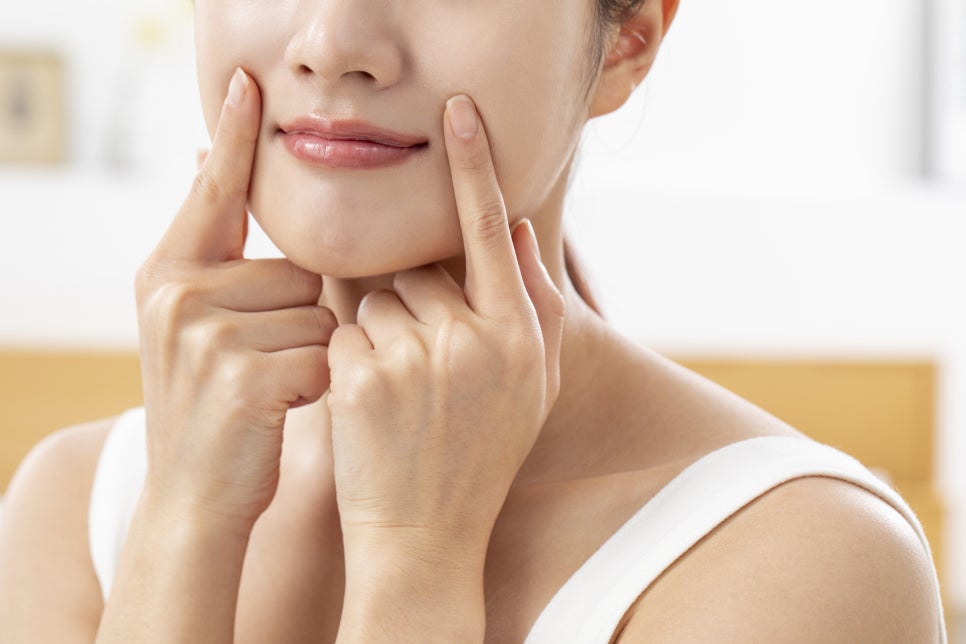
Many people who had little to worry about in their 20s begin to notice fine lines around the eyes and mouth as they enter their 30s. As they experience foundation settling into makeup or wrinkles formed when smiling that do not fade easily, interest in full-fledged anti-aging care increases. Aging is a natural process, but depending on whether you manage it or not, the speed of progression and skin condition can differ significantly.
Your 30s, when skin elasticity gradually declines
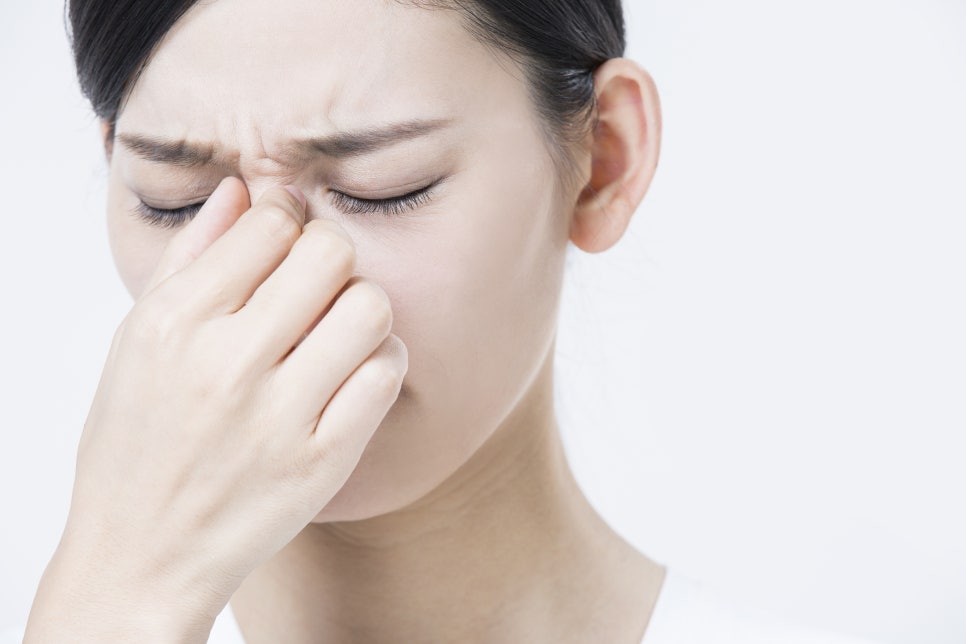
Skin maintains its elasticity through structural proteins called collagen and elastin. However, once you enter your 30s, the production rate of these components gradually decreases, and as external factors such as ultraviolet rays, stress, and lack of sleep are added, elasticity begins to decline. As a result, fine wrinkles become established on the skin surface. The reduction in collagen is a key cause of fine wrinkle formation. At first, they are shallow wrinkles, but if left unmanaged, they can gradually deepen.
Facial expressions and lifestyle habits also affect fine wrinkles

Habitually squinting or frequently raising the forehead creates repeated wrinkles in specific areas. In addition, smoking, excessive drinking, and insufficient water intake accelerate skin dryness and loss of elasticity. Exposure to ultraviolet rays indoors and outdoors is also an important factor. UV protection is the foundation of anti-aging care. Improving lifestyle habits is just as important as procedures.
For early fine wrinkles, moisturizing and strengthening the skin barrier are key

If fine wrinkles are shallow and dryness is the main cause, sufficient moisturizing care should come first. Moisturizing ingredients such as ceramides and hyaluronic acid help maintain skin hydration. When the skin barrier is strengthened, resistance to external irritants also improves. Fine wrinkles caused by dryness can be eased with systematic moisturizing care. Solid basic at-home care is necessary to increase the effectiveness of additional procedures.
Procedural approaches that help skin regeneration can also be considered
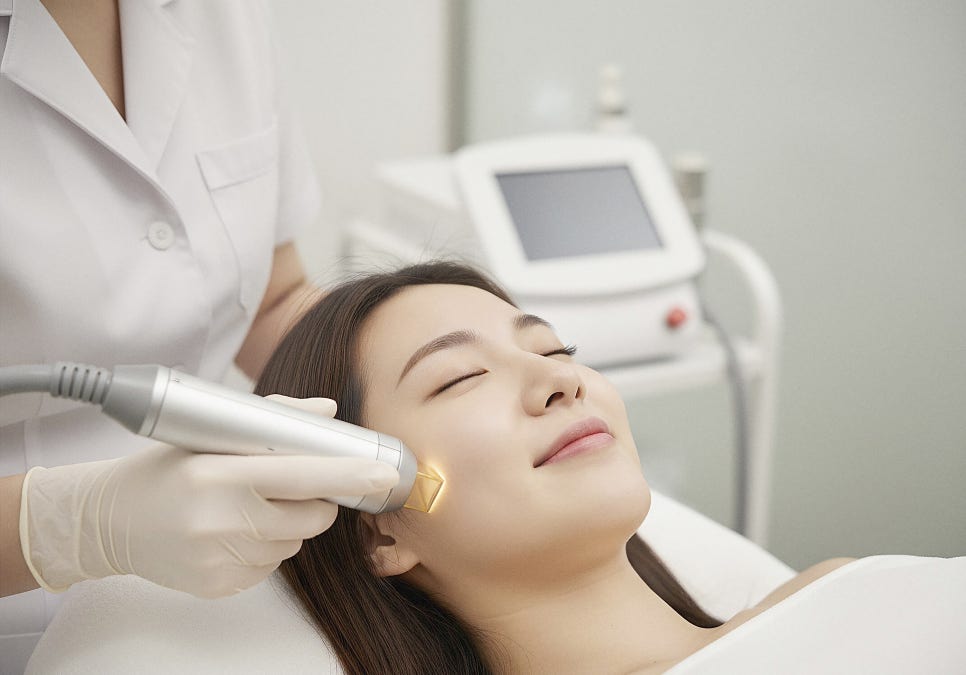
Laser, radiofrequency, or ultrasound-based procedures that induce collagen regeneration can help improve elasticity within the skin. Depending on the skin condition, skin boosters and microinjection therapies may also be combined. These methods act directly on the dermis to create an environment conducive to regeneration. Customized treatment tailored to an individual's skin condition is important. Choosing procedures in a one-size-fits-all manner may instead lower satisfaction.
Consistency is the most important principle of anti-aging

Aging does not stop after just one round of care. Because the skin is continuously exposed to external stimuli, regular care is necessary. When at-home care and professional clinic treatments are combined, more stable changes can be expected. Anti-aging is not a short-term event but a long-term care process. A planned approach is preferable to excessive procedures.
Overall health management also affects skin aging
Sleep quality, stress management, and a balanced nutrient intake are closely connected to skin condition. Consuming antioxidant-rich foods and staying well hydrated can help improve the skin cell environment. Regular exercise promotes blood circulation and contributes to improving skin tone. Skin aging management should be carried out together with overall wellness. When external care and internal care are done at the same time, healthier changes can be expected.

Fine facial wrinkles that begin in your 30s are part of the natural aging process, but depending on how you manage them, they can be controlled to a sufficient degree. In the early stages, moisturizing, UV protection, and lifestyle improvements are the basics, and if needed, medical procedures can be combined. Above all, it is important to accurately understand your own skin condition and set realistic goals rather than overly high expectations.
Early care and consistent practice are the key to anti-aging. If managed under a systematic plan, it will help maintain healthier and more elastic skin.

This post is an informational article prepared by a medical institution in compliance with the Medical Service Act Articles 56 and 57.
In accordance with Article 57, Paragraph 3, it was not reviewed by a medical review board, and it was written as informational content in accordance with the enforcement decree of the Medical Service Act regarding Article 24 medical advertising review.