�0b
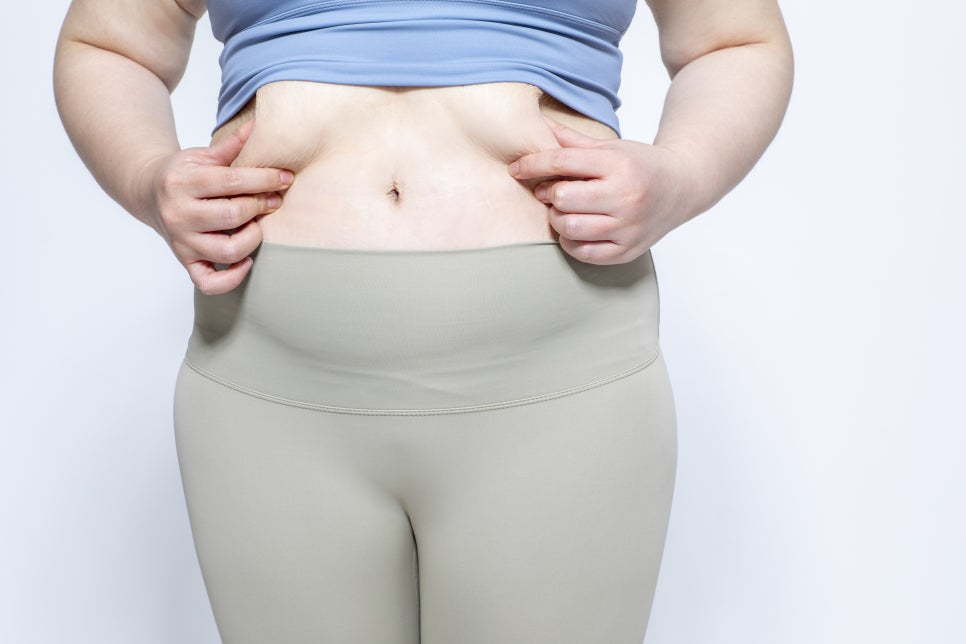
Most people think, “I’ve gained more fat” when their stomach looks protruded.
�0b
However, the abdomen can look very different depending not only on fat, but also on skin elasticity, muscle condition, childbirth history, and weight changes.
�0b
Even if it looks similar on the surface, the approach may differ if the cause is different.
�0b
Differences Between Having More Fat and Having Sagging Skin
�0b
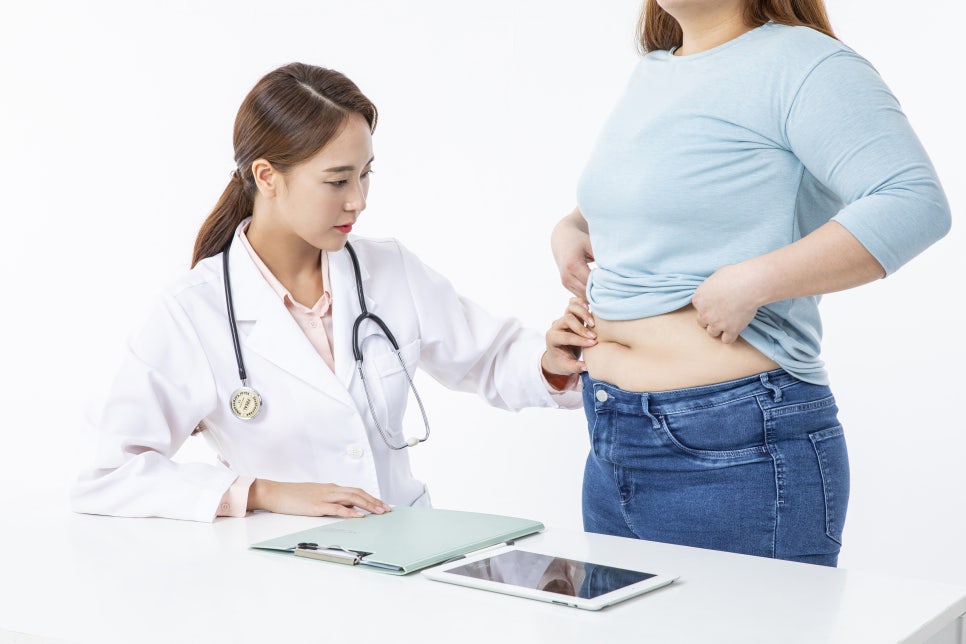
When there is a lot of abdominal fat, it feels thick to the touch and has a firm volume.
�0b
In contrast, skin sagging may appear as follows:
-
a feeling that the skin folds thinly
-
flattening or wrinkling when lying down
-
not weighing much, but the abdomen still feels stretched out
�0b
Especially if there was a rapid weight loss after dieting, the skin may remain where the fat has decreased.
�0b
Why Does the Abdomen Look Different After Childbirth?
�0b
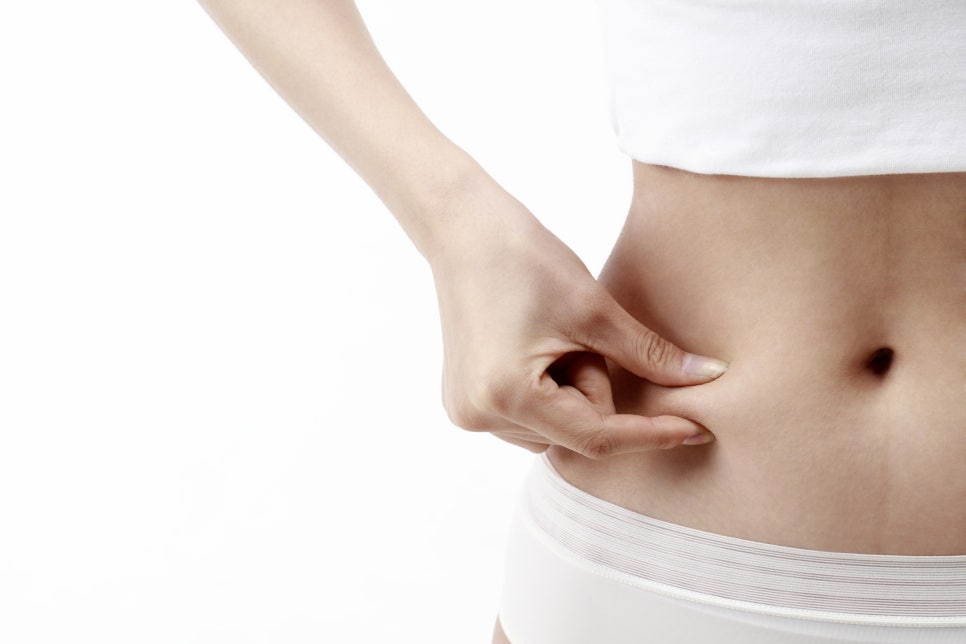
If you have experienced childbirth, it may not be just a simple increase in fat, but also a separation of the rectus abdominis muscles (diastasis recti) accompanying it.
�0b
In this case, when you tighten your abdomen, the middle may bulge up noticeably, or the lower abdomen may appear especially pushed forward. Also, if the skin stretched during pregnancy does not fully contract, it may remain saggy due to reduced elasticity.
�0b
At that point, it may look like a “weak abdomen” regardless of body weight.
�0b
Why Does a Slim Body Type Still Have a Protruding Belly?
�0b
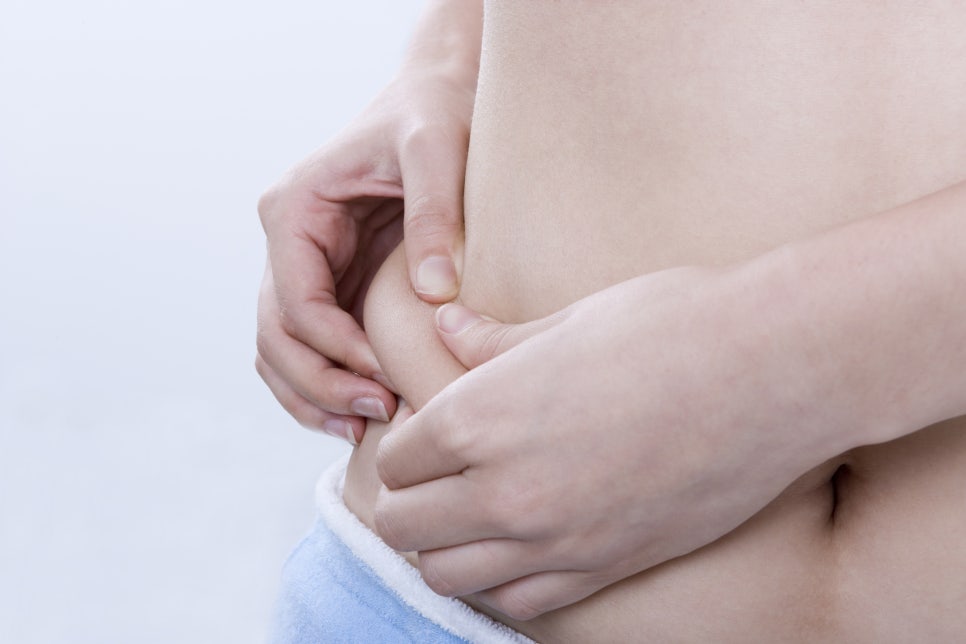
There are also cases where the weight is in the normal range, but only the abdomen looks loose and saggy.
�0b
Possible causes include:
-
reduced skin elasticity
-
weakened abdominal muscles
-
frequent weight fluctuations
-
decreased collagen due to aging
�0b
In such cases, simple weight loss alone may not bring a noticeable change.
�0b
How Does the Solution Differ?
�0b
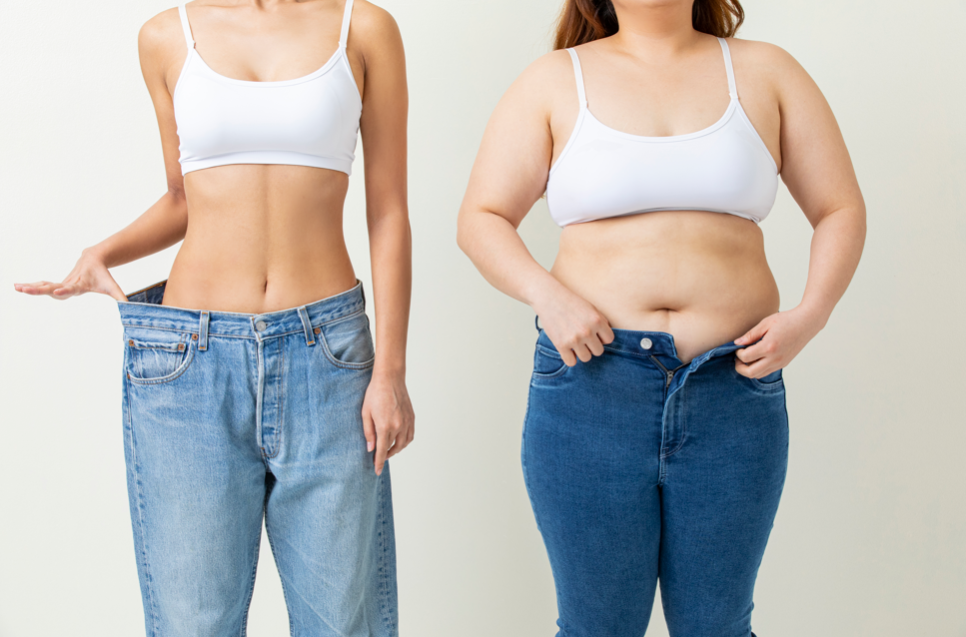
If the cause is fat, reducing body fat and doing strength training may help. However, if sagging skin is the main cause, there may be limits to how much the skin itself can contract again.
�0b
Also, if muscle laxity is involved, core exercises for the abdomen may help, but the approach varies depending on the condition.
�0b
The important thing is to distinguish whether it is a “fat problem,” a “skin problem,” or a “muscle problem.”
�0b
The abdomen is not simply a area that changes because you gain weight. Weight changes, childbirth, aging, and muscle condition all have an effect.
�0b
What looks like belly fat may actually be skin sagging or muscle laxity. After identifying the exact cause, it is important to choose a management method that fits the current condition.
�0b
If necessary, consulting a medical institution to check the abdominal structure may also be helpful.
�0b