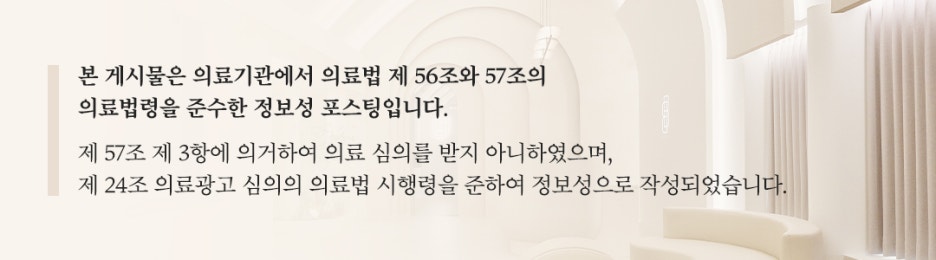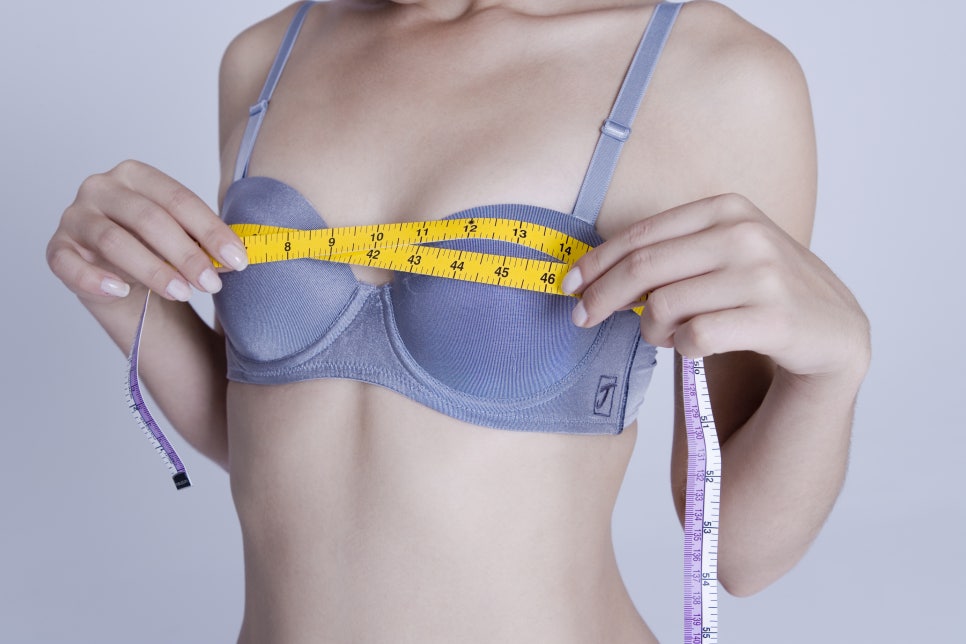
Changes in bust volume do not actually reduce the waist circumference itself.
However, as the three-dimensional shape of the upper front body changes, the waistline may appear more defined.
This is closer to a change in proportion and contour contrast than a reduction in fat.
The difference between actual circumference changes and visual contrast
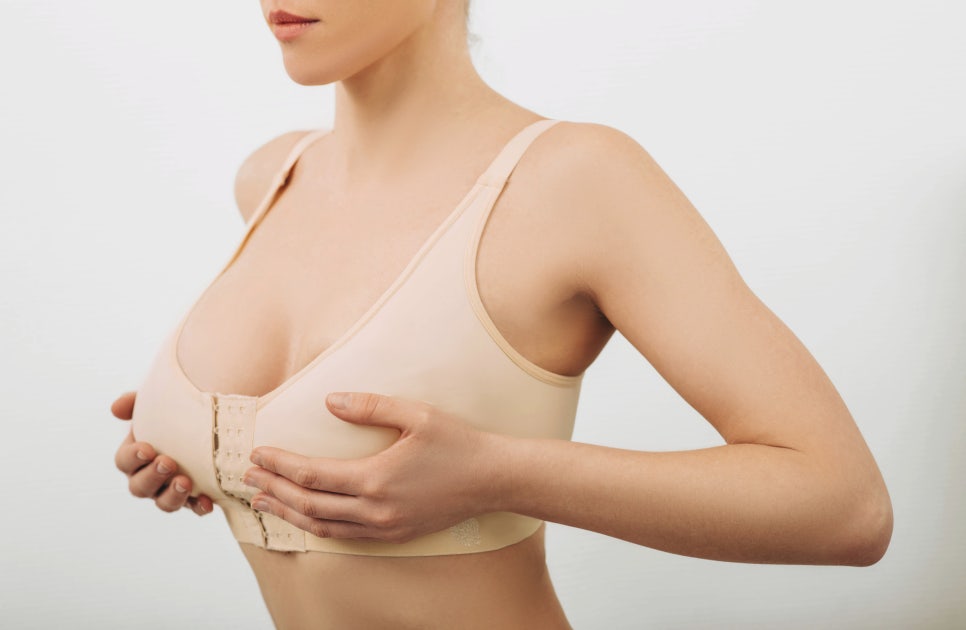
Even if bust volume increases, the measured waist circumference does not change.
However, the human body is perceived through “contrast.”
-
Increased upper bust volume
-
Shadowing formed below the rib cage
-
The curve of the lower bust is emphasized
In this process, the waist is perceived as the most inward point between the upper and lower areas.
In other words, the more pronounced the top and bottom are, the more a structure is created that makes the middle look slimmer. This is similar to the way wearing a belt in fashion emphasizes the waist.
The influence of body proportions and skeletal structure
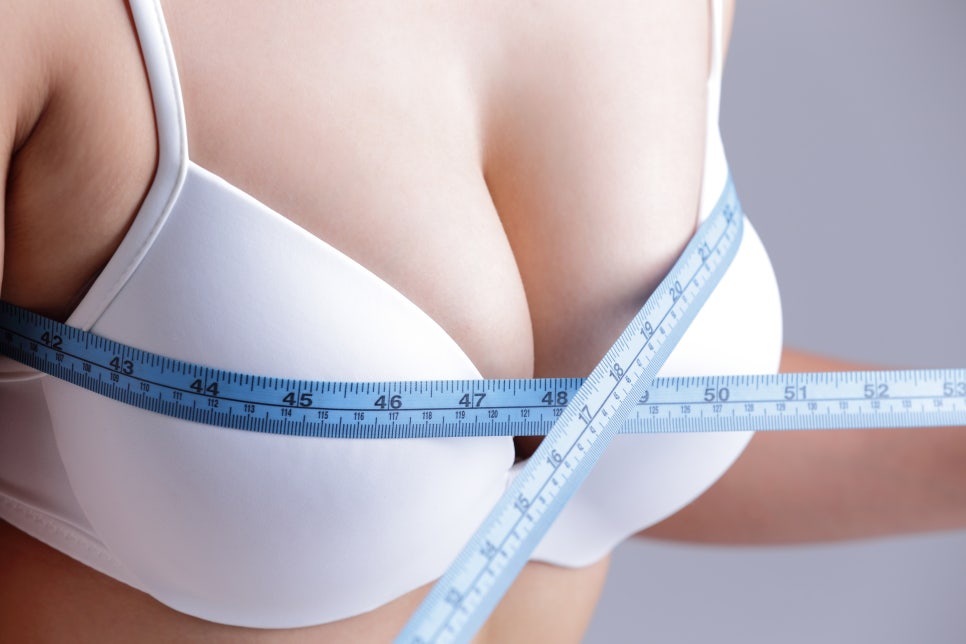
Changes in bust volume do not affect every body type in the same way.
-
A body type with relatively narrow shoulders
-
A body type with a flat upper body
-
A body type with a small rib cage
In these cases, when upper volume is added, the contrast may appear more pronounced.
On the other hand,
The waistline may be relatively less emphasized.
In the end, the waistline is determined not by the bust alone, but together with shoulder width, rib cage structure, and pelvic width.
The variable of abdominal and side fat distribution
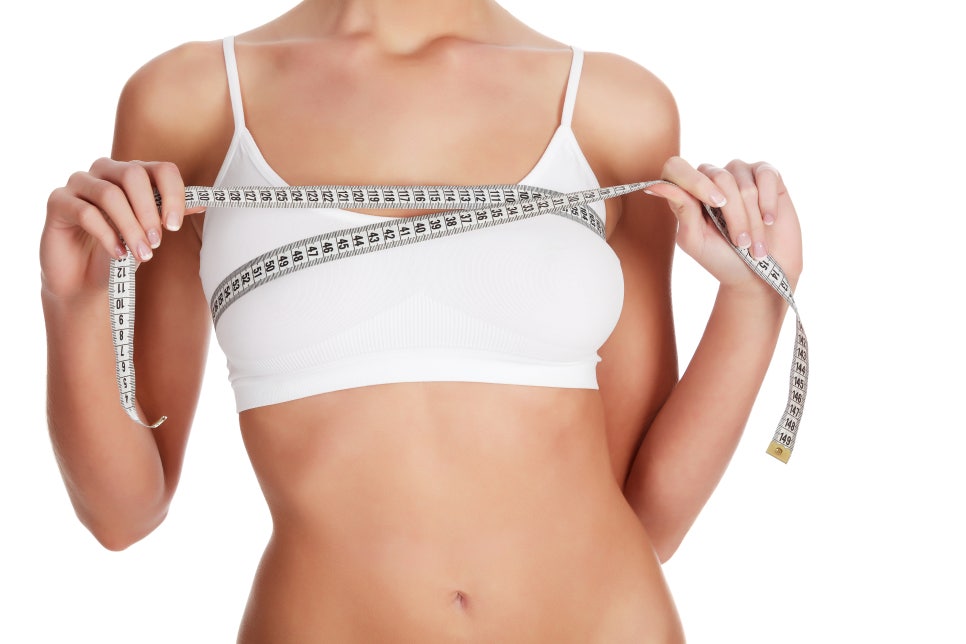
The waistline is not simply a front-view issue. The side silhouette and back curve also play a role.
Even if bust volume increases,
The effect of a slimmer-looking waist may be limited.
In other words, the waistline is the result of both “contrast with the bust” and the condition of the “abdomen and sides.”
Changes in posture and spinal curvature
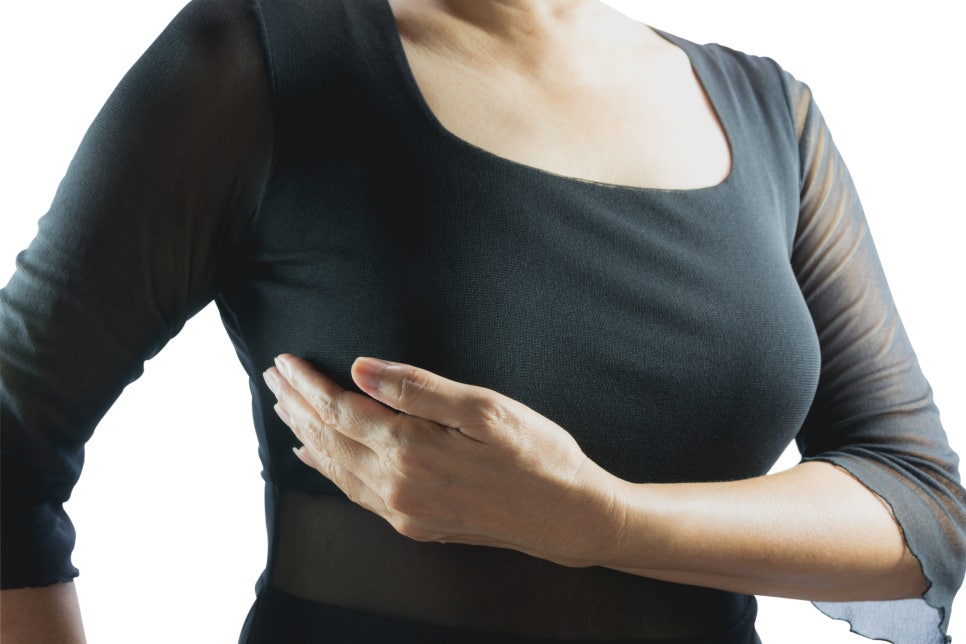
When bust volume increases, the center of gravity of the upper body may change. As a result, some people unconsciously lean their shoulders back or straighten their waist. If lumbar lordosis is emphasized at this time, the waist curve may appear more distinct. However, if the core muscles are weak, the abdomen may instead appear pushed forward.
Therefore, body shape changes are connected not only to increased volume, but also to postural adaptation and muscle balance.
An increase in bust volume is not a change that reduces waist size. However, as the contrast between the upper and lower body changes, the waist may appear more emphasized. That said, the effect varies depending on skeletal structure, fat distribution, abdominal condition, and posture.
In the end, what matters is not “size,” but the overall balance of the body shape. After accurately understanding your current body type, it may be helpful to go through a consultation to find out which changes create harmony.