If breast sizes are compared to fruits?

The curiosity about breast size starts not simply from cup sizes expressed as numbers, but from wanting to intuitively understand how much volume they actually have. That is why expressions comparing them to fruits, such as “about the size of a lemon” or “about the size of an apple,” are often used. Of course, these comparisons are only examples meant to help understanding, and the actual impression can vary greatly depending on a person’s body type, chest width, and skin elasticity.
Cup size refers not to simple volume, but to the difference relative to the ribcage

Many people understand A cup, B cup, and C cup as absolute sizes, but in reality cup size refers to the difference between the upper bust and underbust measurements. In other words, even the same C cup can have different overall volume and appearance between 70C and 80C. Cup size is a relative concept. Comparing it only by fruit size has limits in terms of accuracy. If body type is not taken into account, misunderstandings can arise.
A cup and small B cup are often compared to a “lemon” or “small mandarin”
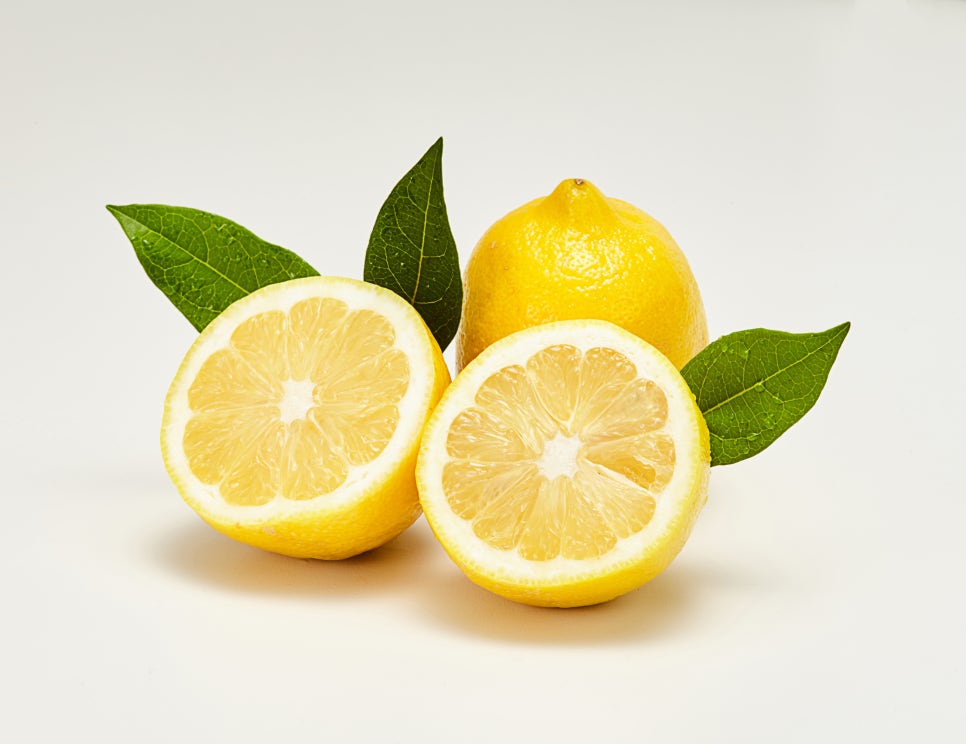
In general, an A cup or a small B cup is sometimes compared to a lemon or a small mandarin. This is an expression used to describe a shape with not much volume and a naturally gentle curve. However, for someone with a narrow ribcage, the same A cup may appear more prominent relative to their frame. Even with the same cup size, the perceived size differs depending on body type. Simple comparisons should be understood only as a reference.
Late B cup to C cup is described as the size of an “apple”
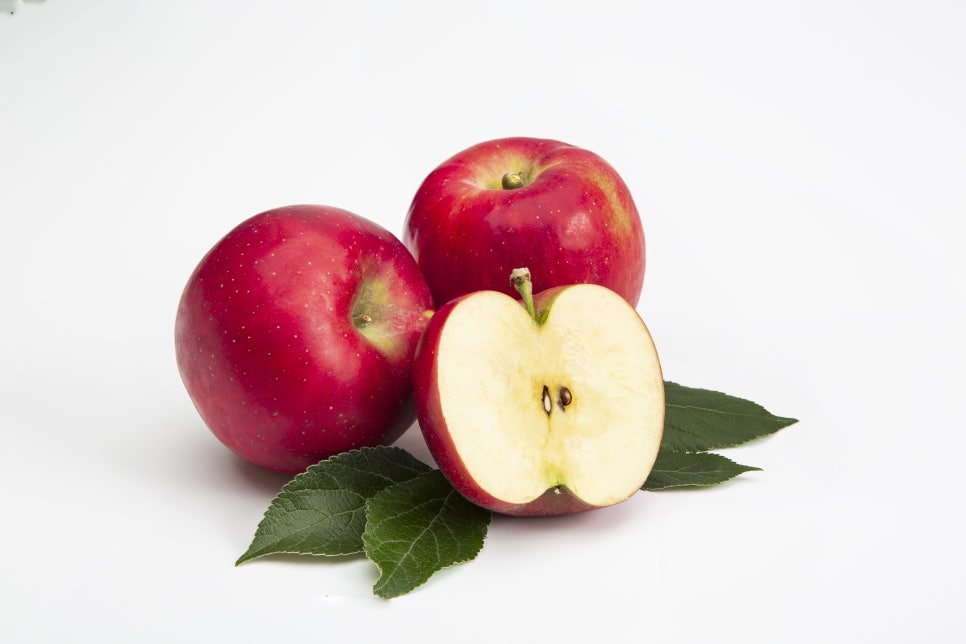
The natural volume many people prefer is often compared to an apple. Late B cup or around C cup is often described this way. This range is explained as giving a line that shows under clothing while still feeling not excessive. However, in actual surgical planning, skin thickness and the amount of breast tissue are more important factors than simple volume. Shape and elasticity determine the impression of fullness.
D cup and above are compared to a grapefruit or a small melon
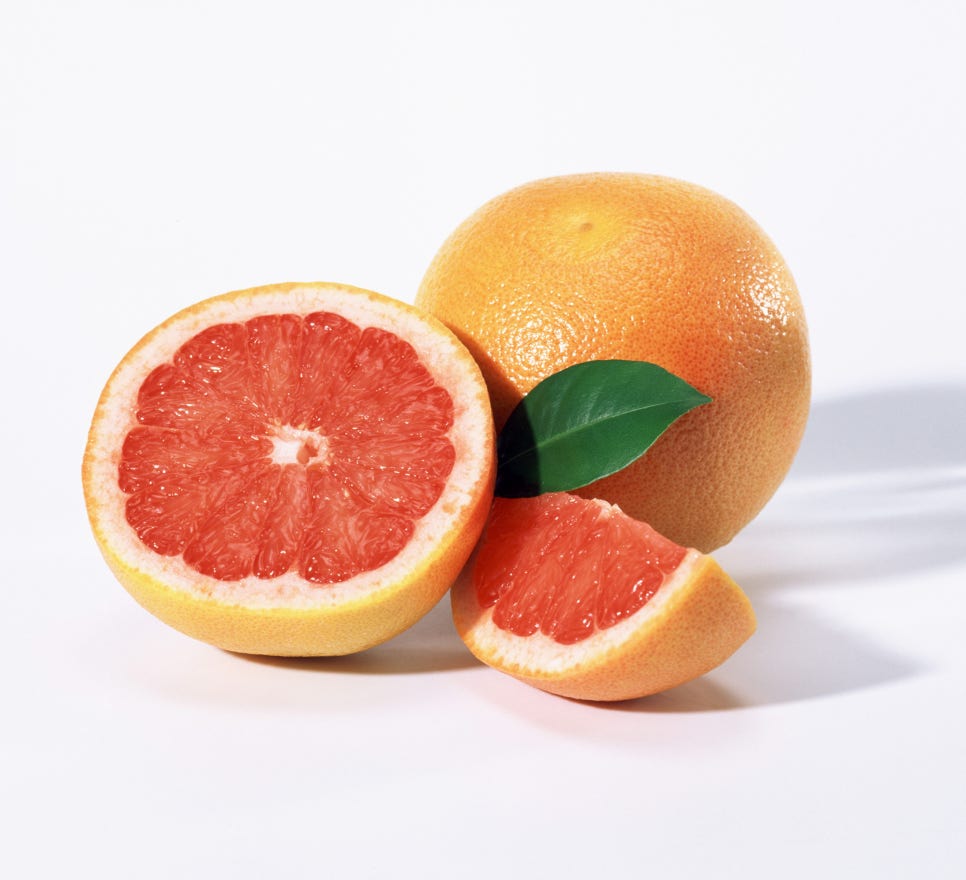
A D cup and above is compared to a grapefruit or a small melon, and is a stage where the volume is also visually clear. However, if a large implant is used, skin tension and the possibility of sagging should also be considered. The goal should not simply be to make it bigger. Excessive volume increases can raise the long-term risk of sagging. Balance is important.

Fruit is close to a spherical shape, but actual breasts have various forms such as hemispherical and teardrop shapes. In addition, multiple factors such as left-right differences, ribcage structure, and nipple position come into play. Therefore, explaining by fruit size is only a tool for conveying a rough sense. An exact size decision should be made through 3D simulation and systematic consultation.

In breast surgery, what matters is not simply how many cup sizes to increase, but harmony with shoulder width, waist line, and pelvic proportions. A size that is too large relative to the body type can look unnatural and may cause discomfort in daily life. A balanced volume that suits one’s body type is the most ideal. Medical staff make plans by considering all of these factors comprehensively.

Comparing breast size to fruit is an interesting way to aid understanding, but medically it is only a very simplified explanation. The actual size and shape of breasts are determined by various factors together, such as body type, tissue condition, and skin elasticity. Therefore, if you are considering surgery, it is advisable to set a direction through systematic consultation and objective analysis rather than relying on simple analogies.
Accurate diagnosis and a personalized plan are the keys to satisfactory results. Finding harmony that suits your own body is more important than anything else.