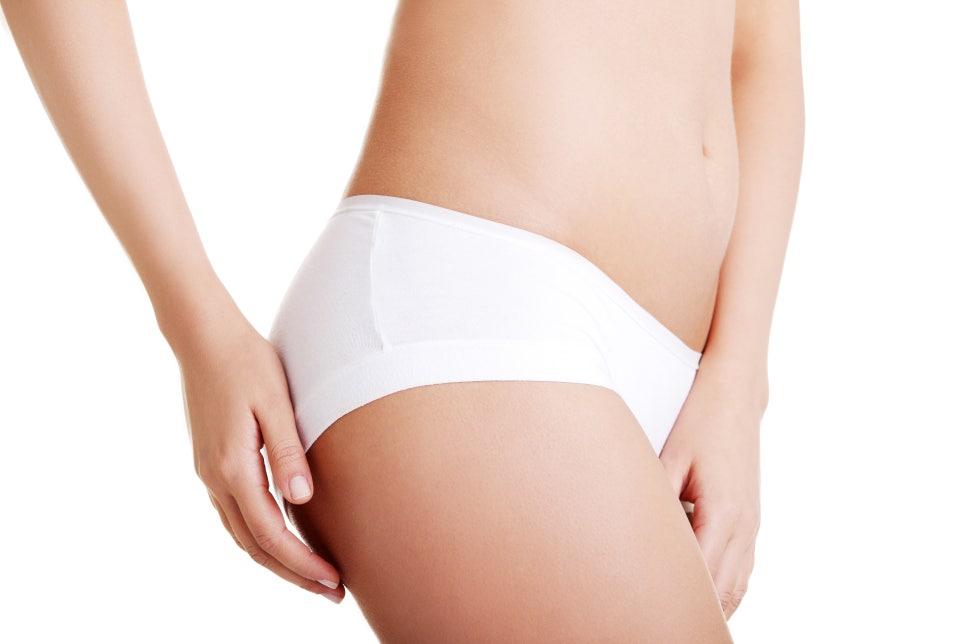
Many people first think of “volume” when talking about a lifted hip line.
However, when you actually look at body shape, a bigger butt does not necessarily create a beautiful line.
One of the key factors that determines the impression of a figure is hip position.
Depending on where the hip begins and where it drops, the appearance of leg length, the waistline, and overall proportions can all look different. So when talking about a lifted hip line, it is necessary to look not only at size, but also at hip position and the flow of the curve.
Why Hip Position Determines Body Proportions
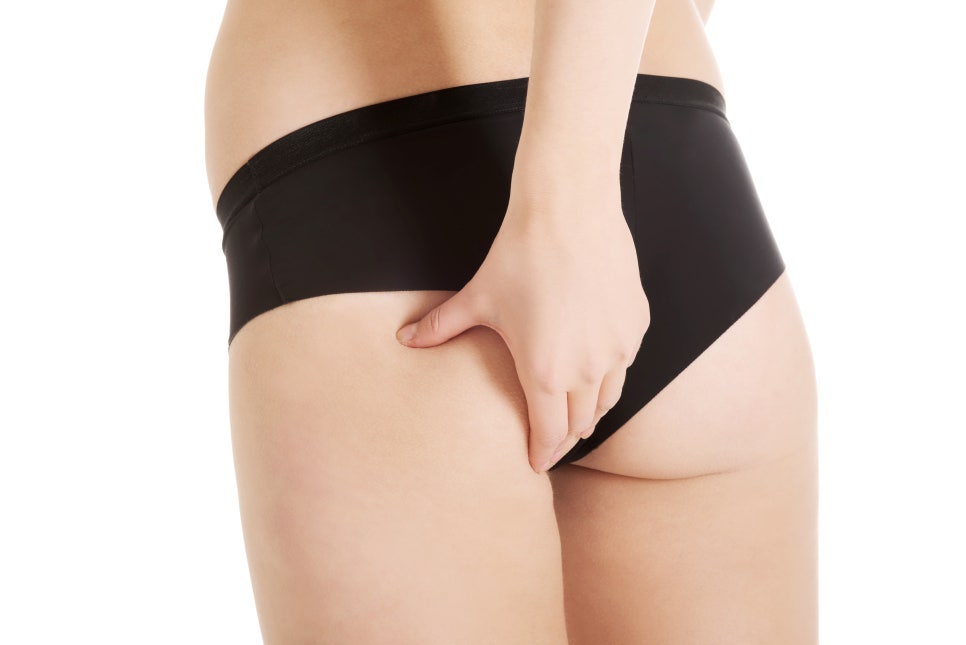
The buttocks are a structure located between the waist and the thighs. This area is one of the regions that creates the largest curve in the human silhouette.
When the hip position is high, the following characteristics may appear:
-
The curve below the waist looks more defined
-
The space below the hips looks longer
-
The starting point of the legs may appear higher
Conversely, if the hip is formed lower down,
In other words, even with the same volume, the body shape impression can change depending on where the hip sits.
The Relationship Between Hip Position and Leg Length
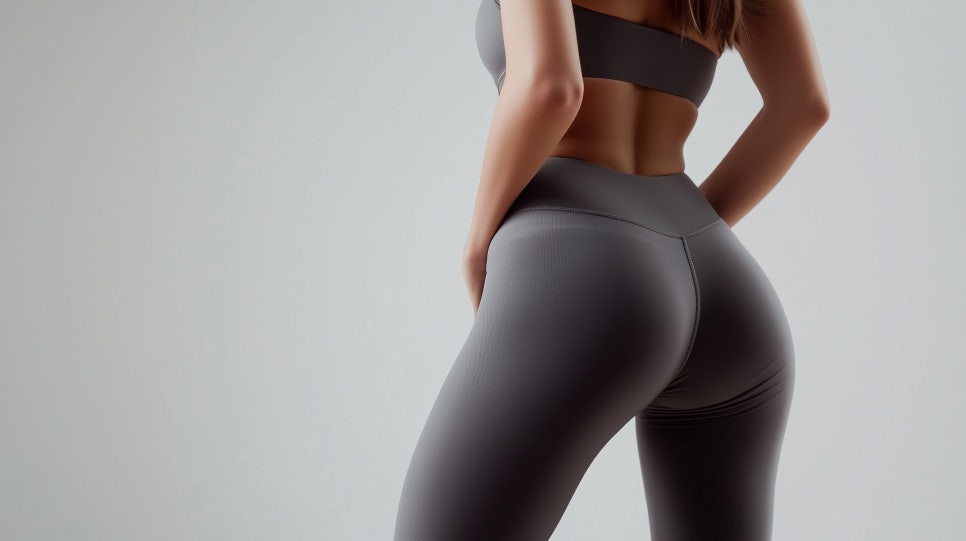
When looking at body shape, many people use the expression “the legs look long.” This impression is influenced not only by the actual skeletal length, but also by hip position.
If the hip is positioned higher, the point where the thighs begin appears higher as well, so the legs may look longer.
Conversely, if the hip is positioned lower,
-
The length below the buttocks may look shorter
-
The upper thighs may look wider
-
The legs may give a relatively shorter impression
This is why hip position is also connected to the visual proportion of leg length.
Why the Line Under the Hip Matters
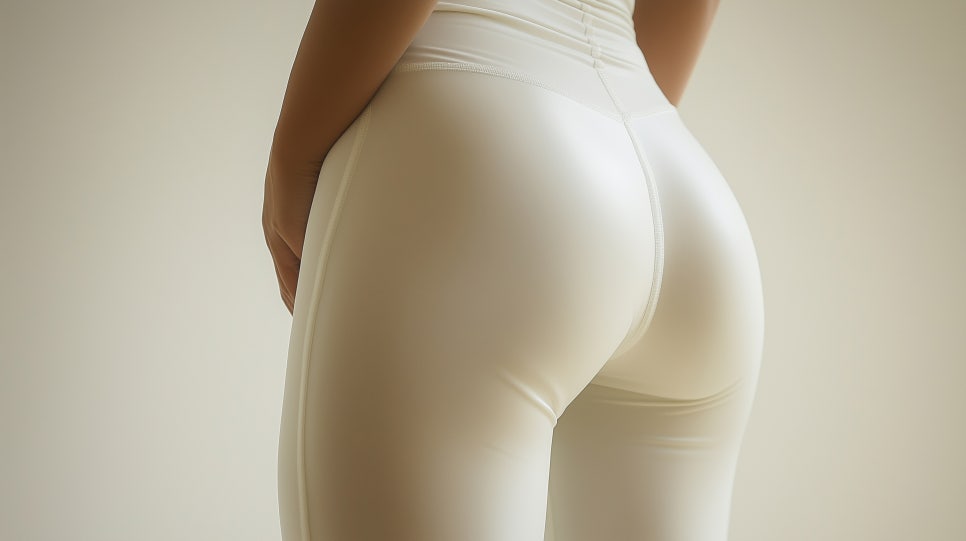
When talking about the buttock line, the expression “the line under the hip” is often used. This refers to the boundary where the buttocks and thighs meet.
When the line under the hip is cleanly formed,
-
The boundary between the buttocks and thighs looks clear
-
The curve of the back view appears more defined
-
It can give the impression that the hips are lifted higher
On the other hand, if this boundary is blurred, the buttocks may look like they spread downward or give a flatter impression.
That is why, when talking about a lifted hip line, the condition of the lower buttock line is also mentioned as an important factor, not just volume.
The Limitations That Can Appear When Only Hip Volume Increases
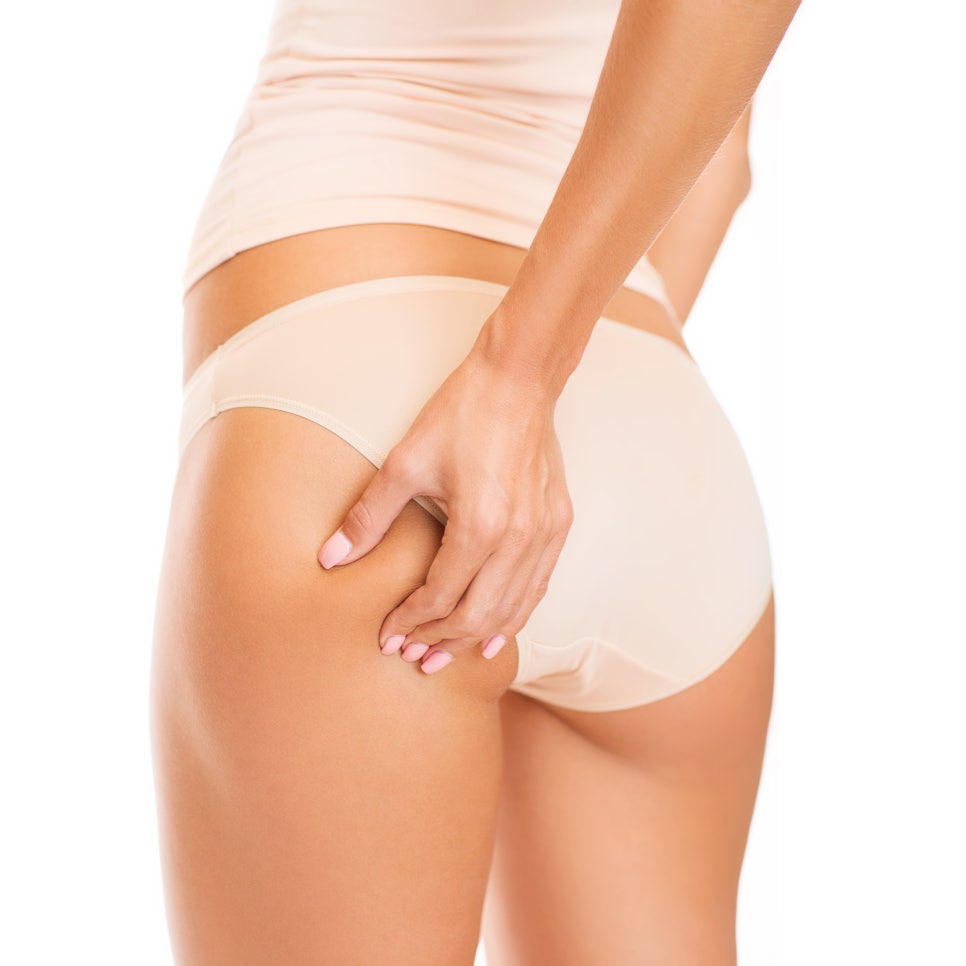
An increase in buttock volume does not always create an ideal line.
If the volume is concentrated in the lower area,
-
The buttocks may look heavy
-
The hips may give a drooping impression
-
The boundary with the thighs may become broader
This may occur.
In other words, it may be difficult to create a natural curve from the waist to the hips with a method that simply increases volume.
That is why, in recent years, when looking at hip lines, many people consider position, curve, and the lower line together.
Standards for Hip Lines That Differ by Body Type
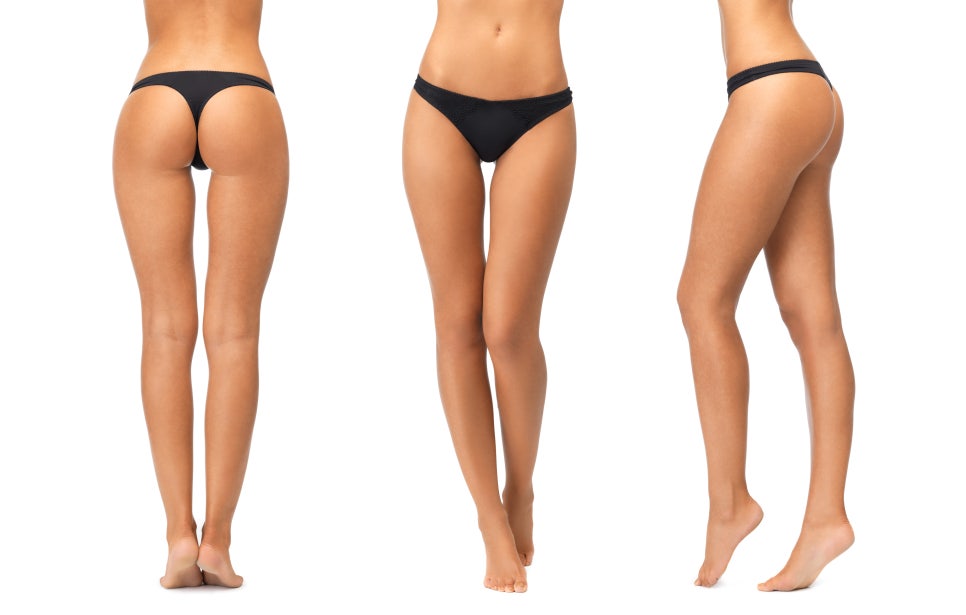
Hip position and lines differ depending on an individual’s skeletal structure and fat distribution.
For example,
-
Pelvic width
-
Waist curvature
-
Amount of thigh muscle
-
Fat distribution
These factors can affect the shape of the hip line.
Some people may have hips that sit high but lack volume, while others may have enough volume but appear to have a lower position.
Therefore, when examining the hip line, it is necessary to understand it within the balance of the whole body shape rather than judging only by size alone.
The buttock line is not completed simply because there is a lot of volume. When the position where the hips begin and the curve that drops downward come together,
the overall body proportion can look different.
So when talking about a lifted hip line, it is important to look at hip position and the flow of the line together rather than size alone. It can be helpful to check what kind of hip line suits your skeletal structure and body type.