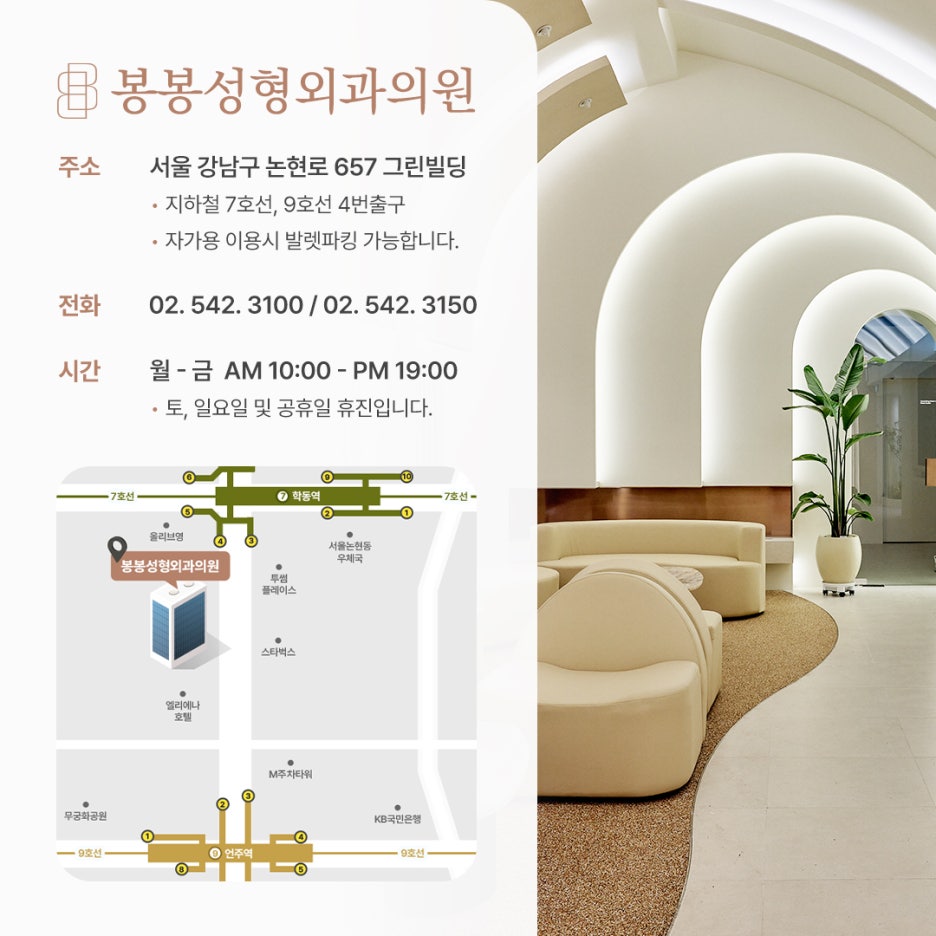
[Bongbong Plastic Surgery]
How Decreased Skin Elasticity During Seasonal Changes
Affects Facial Appearance
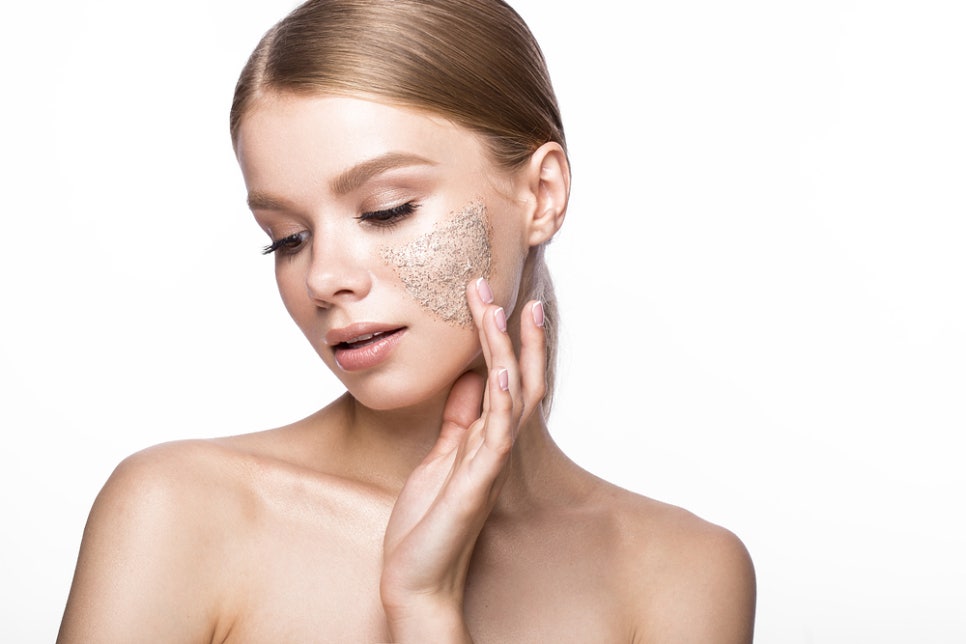
During seasonal transitions, the condition of the skin often feels different from usual. In particular, when moving from winter to spring, changes in temperature and humidity at the same time can affect the skin environment.
In the midst of these environmental changes, the skin’s moisture balance may shift or the skin barrier may temporarily weaken, and during this process, changes in skin elasticity may be noticeable. Skin elasticity is known to be a factor that can affect not only the surface condition of the skin but also facial appearance.
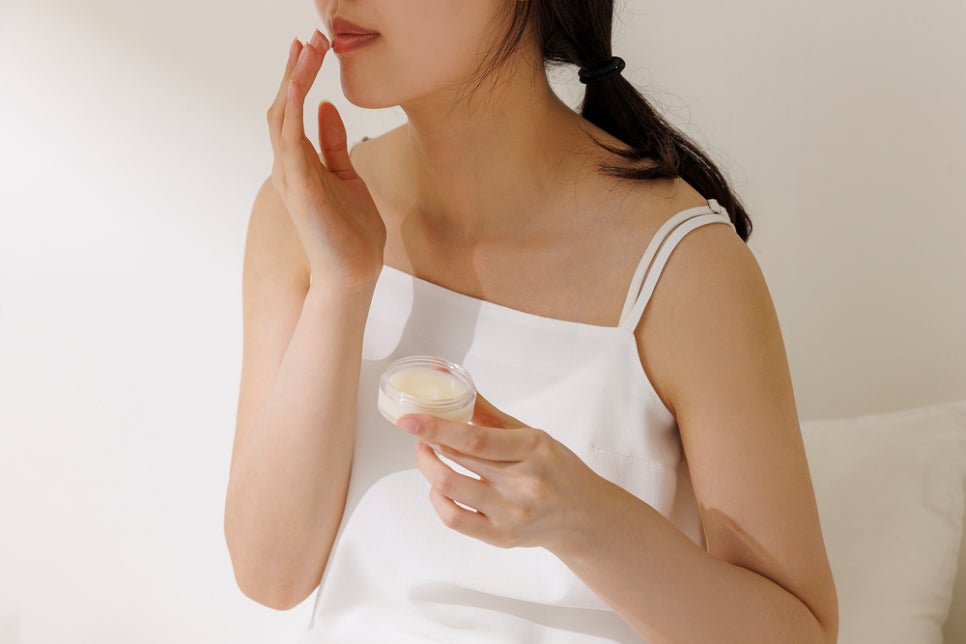
Skin elasticity is closely related to the structures within the skin. The skin is made up of several layers, and among them, the structures that support the skin are related to elasticity. When sufficient moisture is maintained within the skin and its structure remains stable, the skin surface can be kept relatively smooth.
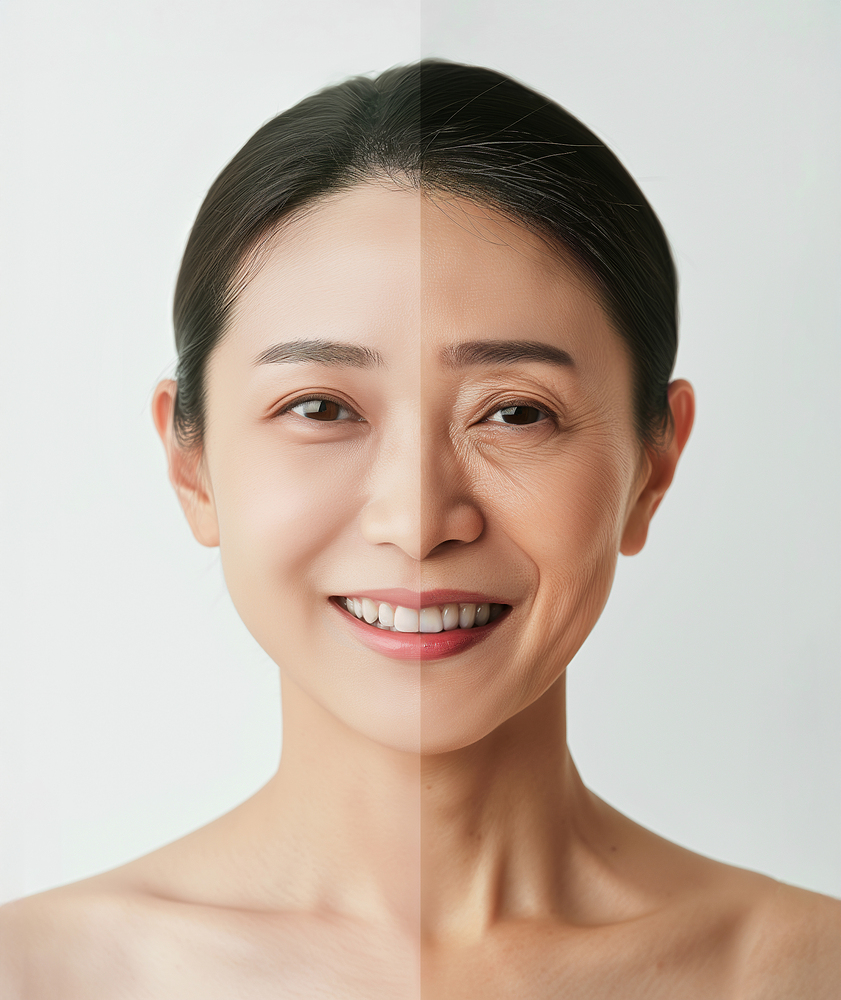
However, during periods of major environmental change such as seasonal transitions, the skin may be affected by the outside environment, and elasticity may feel different from before.
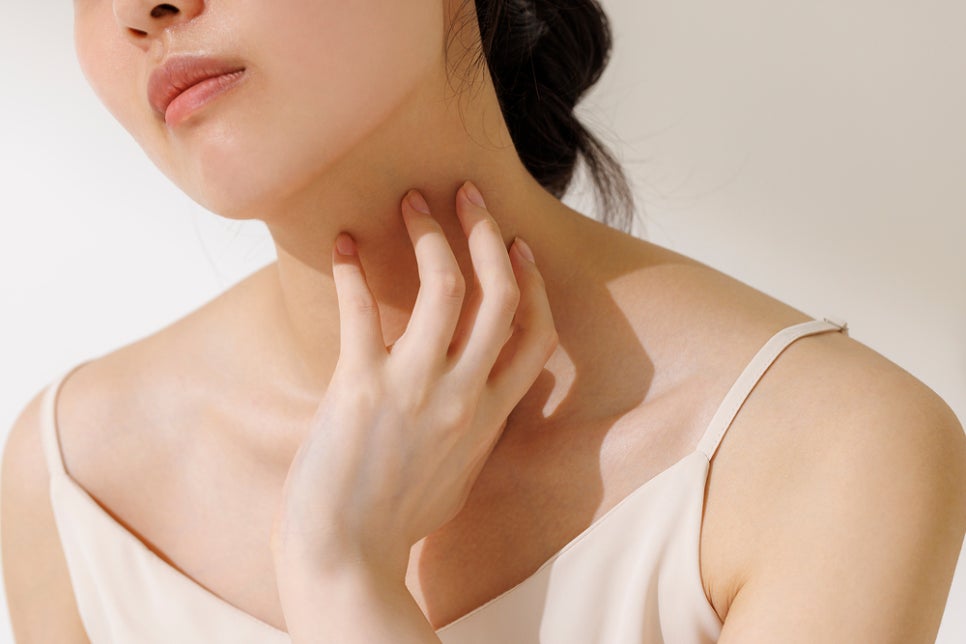
During seasonal transitions, humidity in the air is often unstable, and there can also be large differences between daytime and nighttime temperatures. Such conditions can affect the skin’s moisture balance as well. When the skin loses moisture, the surface may feel dry, and skin texture or elasticity may also feel different from before.

In particular, because the face is the area most exposed to the external environment, these changes may appear there first.

When skin elasticity changes, subtle differences may also appear in facial expression. Facial skin is not made up of the skin surface alone; fat, muscles, and skin structures work together to create the shape of the face.
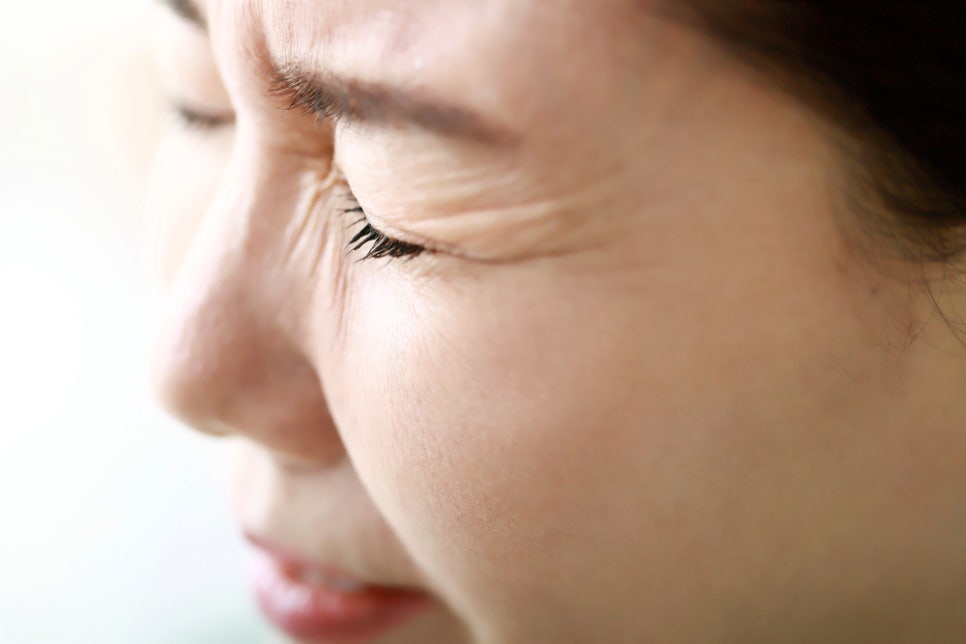
When skin elasticity is maintained, facial contours may appear relatively clear, but when elasticity decreases, the facial line may feel less defined than before. Such changes are often felt around the cheeks or jawline.
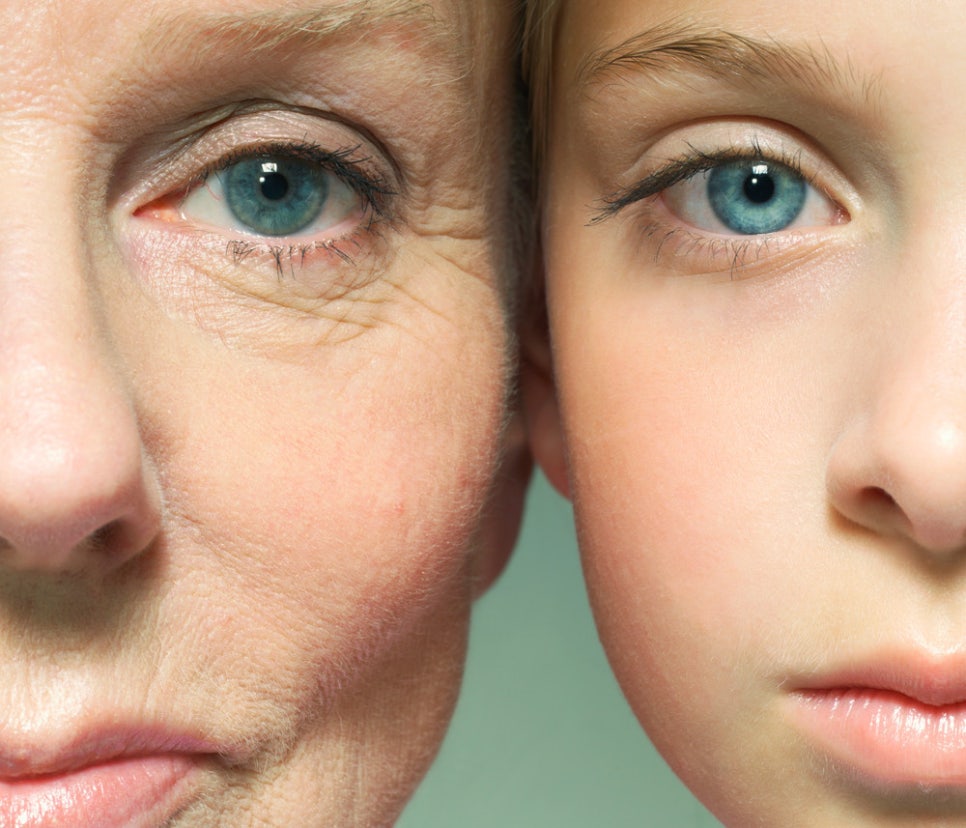
Skin elasticity can also be connected to facial dimension and depth. The face takes on a three-dimensional form through the combination of various structures, and when skin elasticity is maintained, that sense of depth can remain relatively natural.
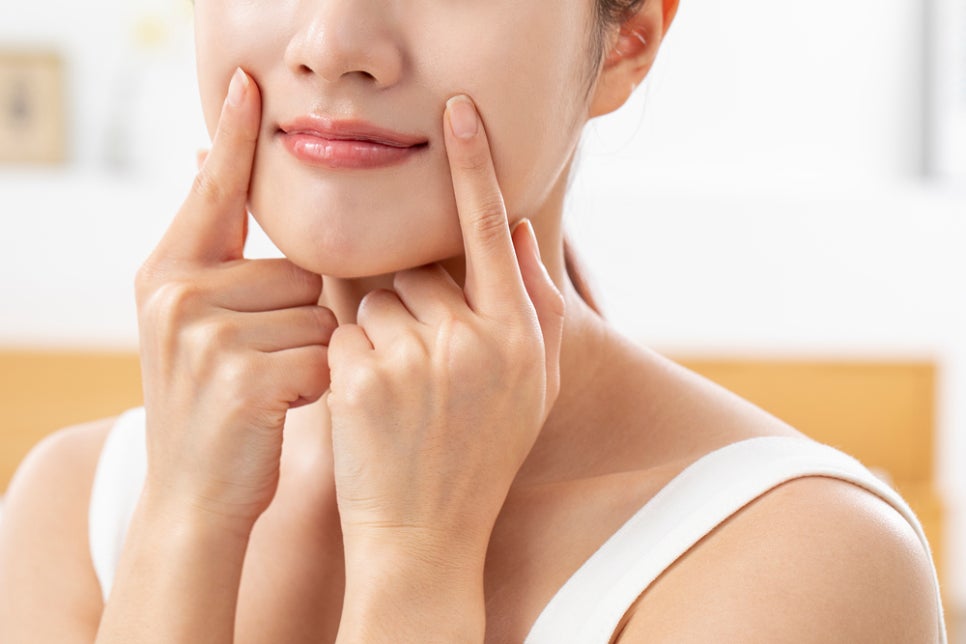
On the other hand, when skin elasticity decreases, the face’s volume or contours may appear different from before, and the facial impression may sometimes feel flatter. These changes can vary depending on an individual’s skin condition and facial structure.
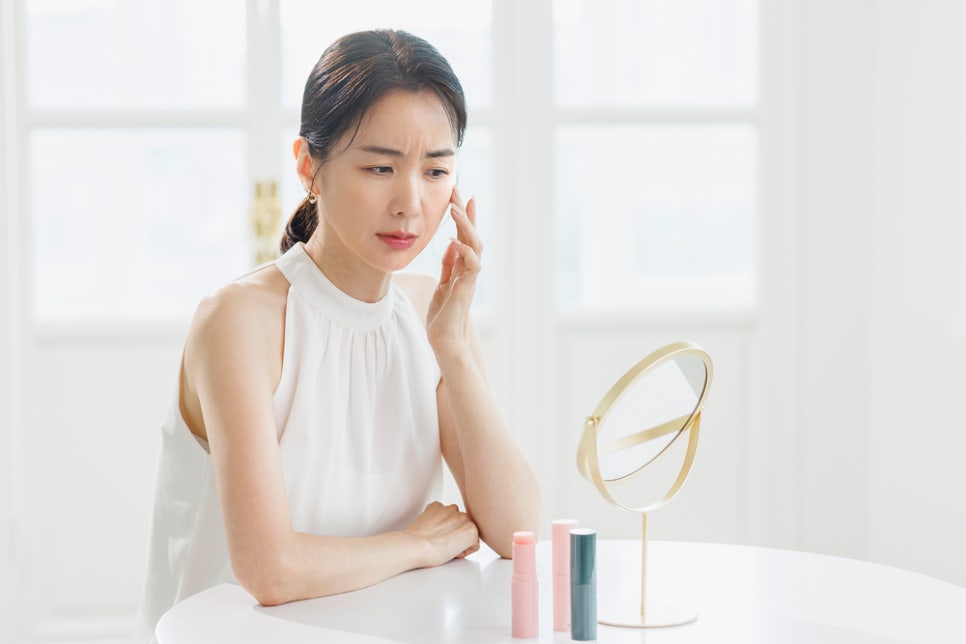
During seasonal transitions, the skin may also react sensitively. Repeated temperature changes and dry conditions can temporarily weaken the skin barrier, and the skin’s condition may feel different from usual.
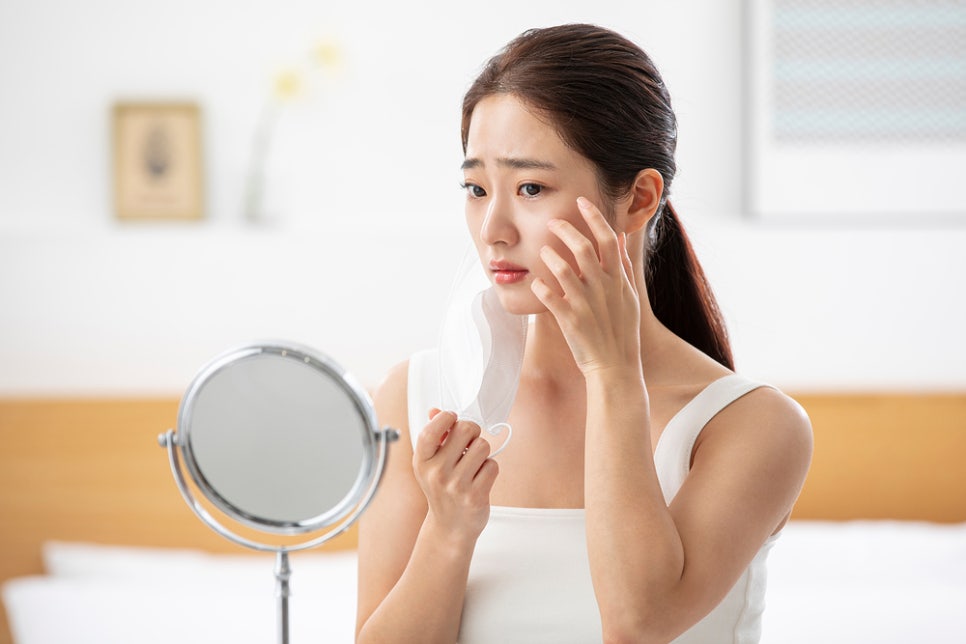
At times like this, it is important to observe the skin condition slowly. Even when skin elasticity or skin texture feels different, it may be related to temporary environmental changes.
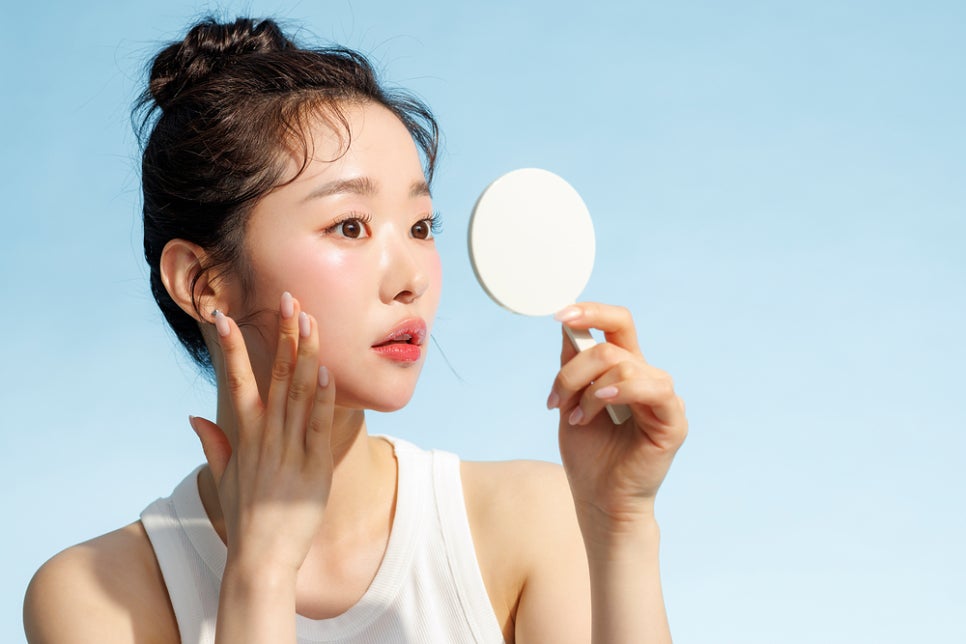
Facial impression is created by the combined effect of many factors. Not only facial structures such as the eyes, nose, and jaw, but also the condition of the skin can influence one’s impression.
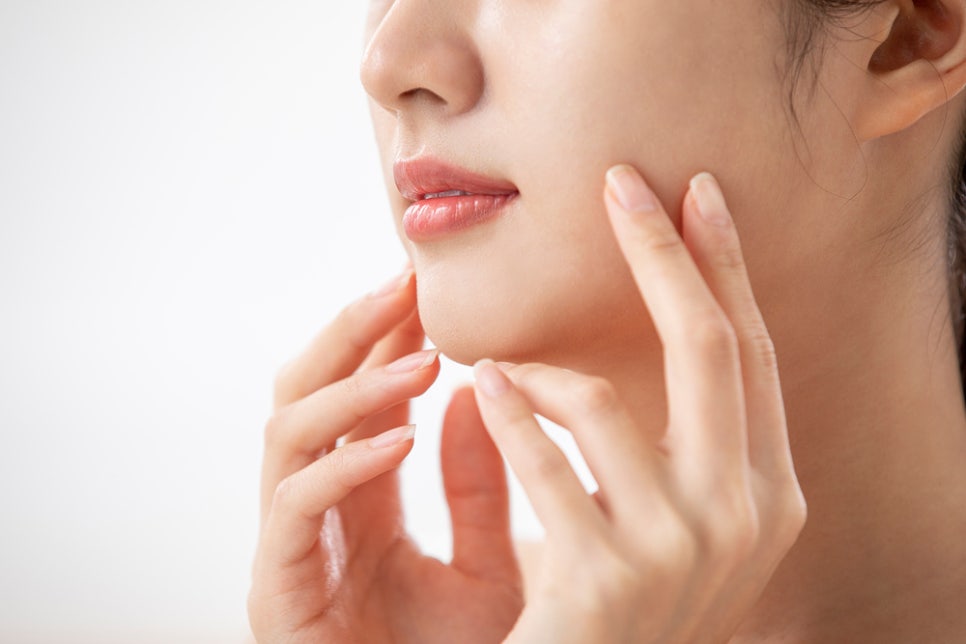
When skin elasticity is maintained, the overall balance of the face may appear relatively clear, and when the skin’s condition changes, the facial impression may also feel different from before. These changes can appear differently depending on an individual’s skin condition and lifestyle environment.
Skin changes during seasonal transitions are a natural phenomenon that many people can experience. Changes in skin condition according to the seasons are relatively common, and understanding these changes may help in observing skin condition.
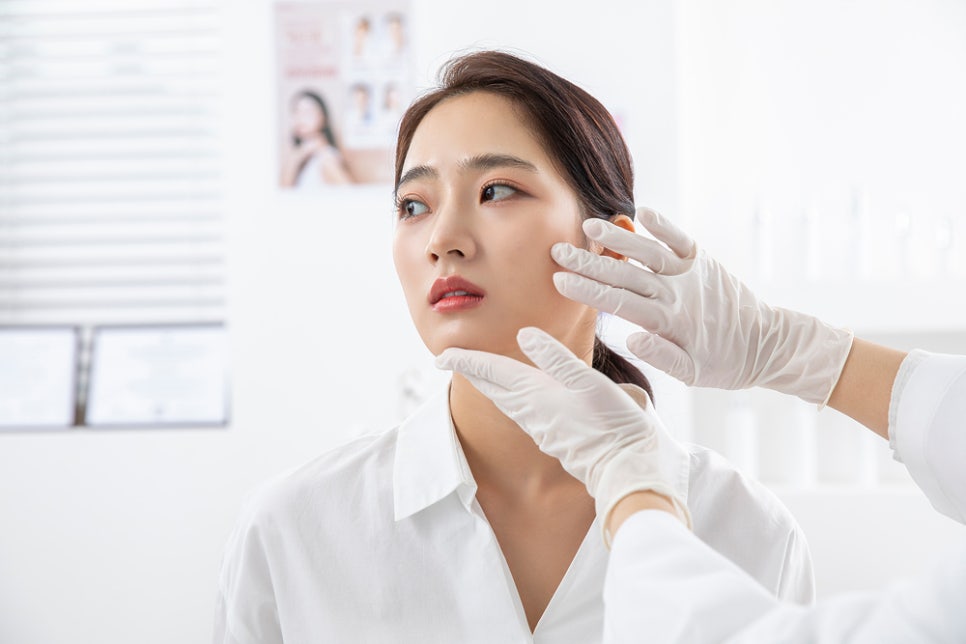
In particular, understanding the relationship between skin elasticity and facial impression may help broaden awareness of skin changes.

When the season changes, the skin environment changes as well. During seasonal transitions, it is important to observe changes in both skin moisture and skin elasticity, and the process of slowly monitoring skin condition may be helpful. The process of understanding the skin condition can also be meaningful in understanding changes in facial impression.

#SeasonalSkin #SkinElasticity #DecreasedSkinElasticity #SeasonalSkinCare #FacialImpression #FacialChanges #SkinAging #SkinCondition #SkinBarrier #SpringSkinCare #YouthfulSkin #AntiAging #SkinCareInfo #PlasticSurgeryBlog #ReasonForSkinElasticity