Skin aging and wrinkles are natural phenomena that appear as we get older, but many people want to delay and improve them. Wrinkles are not just a cosmetic issue; along with reduced skin elasticity, they have a major impact on the overall impression of the face, so an effective management method is needed.
Recently, as laser-based procedures have developed in various ways, pico toning, which can be expected to improve wrinkles and skin tone at the same time while reducing skin damage, has been attracting attention. In this post, we will take a closer look at the principles, effects, advantages, and precautions of pico toning.
What Is Pico Toning?
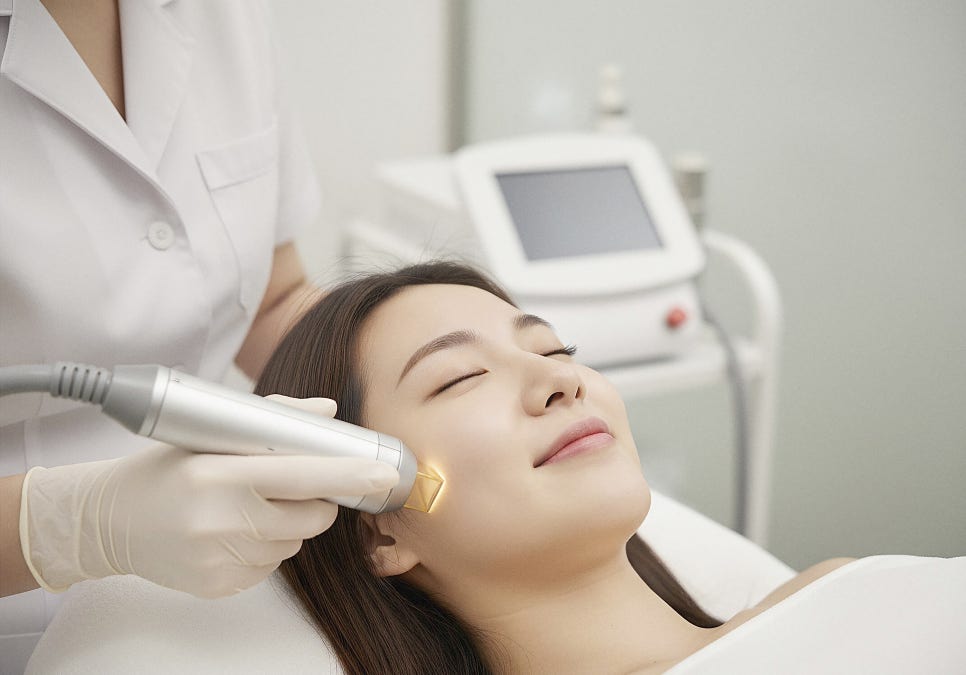
Pico toning refers to a skin procedure that uses ultra-short pulse lasers at the picosecond level. While general laser procedures stimulate the skin using thermal energy, pico toning briefly delivers powerful energy in an instant for an extremely short time per second to break down pigment and waste products in the skin and stimulate collagen production.
In this process, damage to surrounding normal tissue is reduced, and it is characterized by the expectation of both wrinkle improvement and improvements in skin tone and texture.
What Is the Wrinkle-Improvement Principle of Pico Toning?
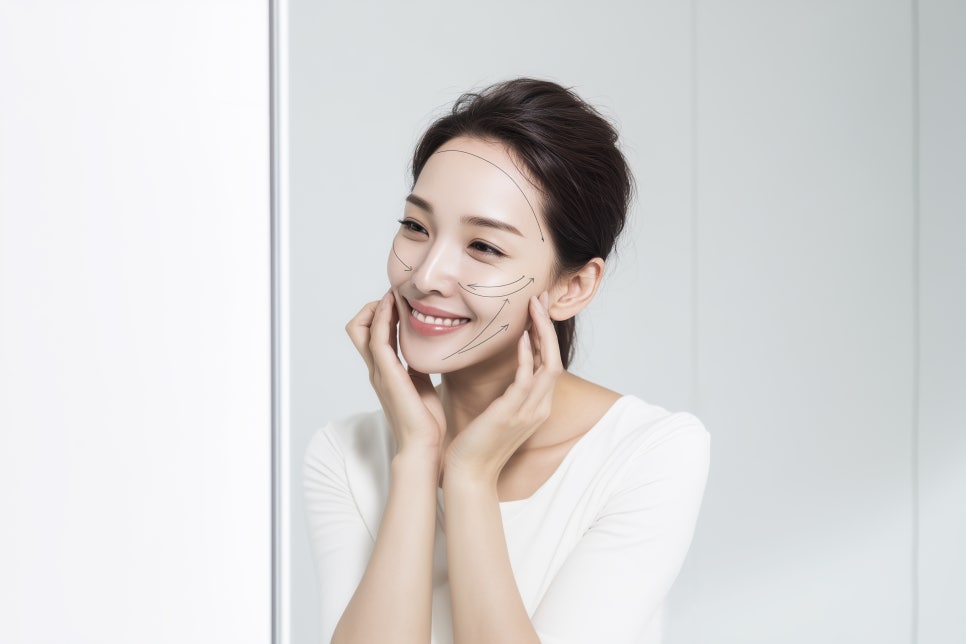
Pico toning works for wrinkle improvement by inducing microdamage in the deeper layers of the skin and stimulating the resulting regeneration process. As the laser breaks down melanin and pigment in the skin, it activates fibroblasts and promotes the synthesis of new collagen and elastin. As a result, the skin becomes more elastic and firmer, fine lines become less noticeable, and the overall contour of the face can look more defined.
What Is the Difference Between Conventional Lasers and Pico Toning?
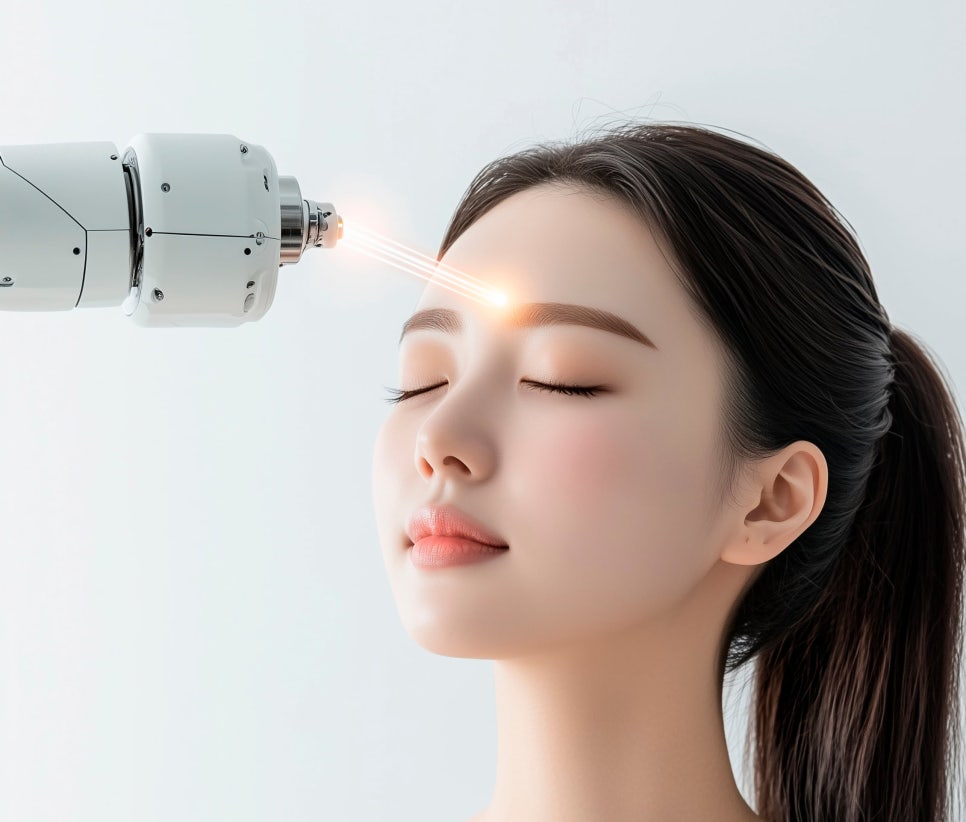
General laser wrinkle treatments stimulate the skin layers through thermal energy, so the recovery period is longer, and damage to the skin surface, redness, and swelling can appear relatively more severely. In contrast, pico toning uses ultra-short pulse energy, allowing side effects and recovery time to be minimized while maintaining wrinkle-improvement effects. In addition, because it has higher selectivity for melanin than conventional lasers, improvements in skin tone and removal of blemishes can also be expected at the same time.
What Are the Procedure Process and Precautions?
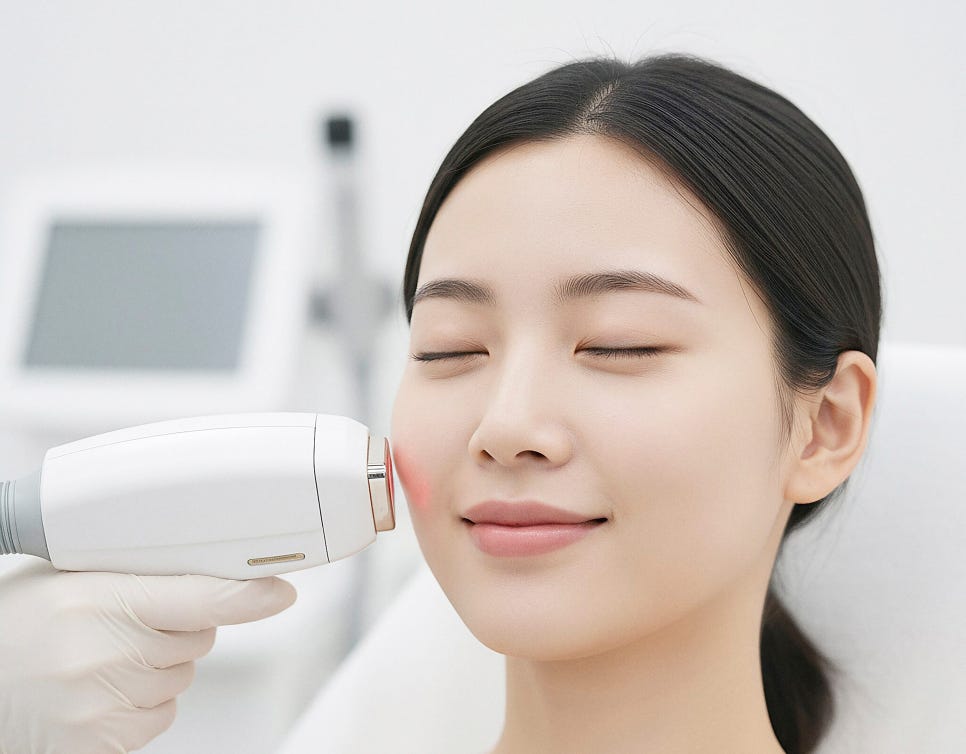
A pico toning procedure usually takes about 20 to 30 minutes, and anesthesia is often not necessary, or a topical anesthetic cream is sufficient. Slight redness or a feeling of warmth may appear immediately after the procedure, but in most cases it naturally disappears within a day or two.
After the procedure, sun protection and moisturizing care are important, and it is best to avoid strong stimulation or scrubs. In addition, setting an appropriate laser intensity and treatment schedule according to the individual's skin condition is a key point for increasing effectiveness and safety.
What Are the Advantages of Pico Toning?

The biggest advantages of pico toning are its short recovery time, low risk of side effects, and comprehensive skin-improvement effects. It can improve not only skin elasticity and fine wrinkles, but also melasma, blemishes, pores, and skin tone, helping improve the overall complexion. In addition, repeated treatments are possible, and it can also be used alongside other procedures for customized anti-aging care.
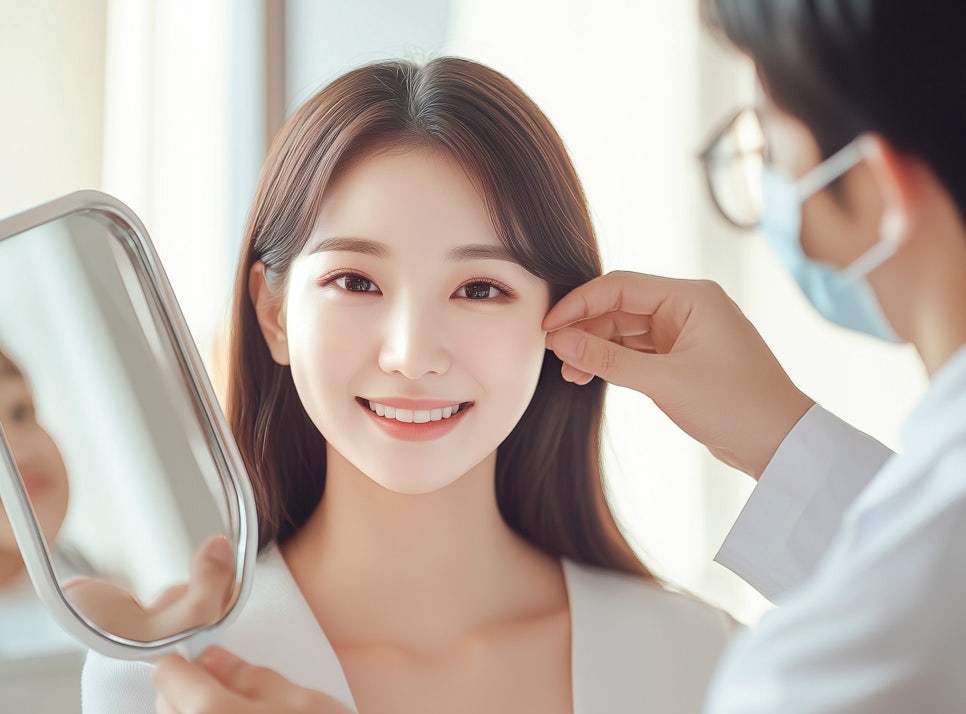
Pico toning is a laser anti-aging procedure that can be expected to improve wrinkles as well as skin tone and texture at the same time, and its major advantages are a shorter recovery period and fewer side effects than conventional lasers. However, a customized treatment plan that takes into account the individual's skin condition, wrinkle depth, and pigmentation issues is essential, and it is safe to receive the procedure after sufficient consultation at Wellness Clinic.
Pico toning goes beyond simple wrinkle improvement to effectively enhance overall skin vitality and elasticity, and when combined with consistent care, it can help maintain healthy skin that looks younger than your age.