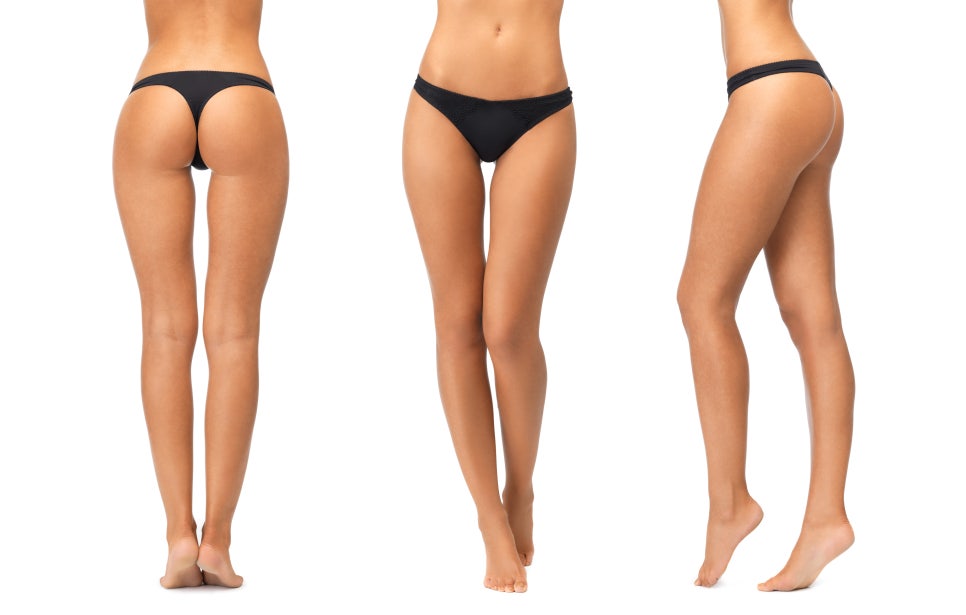
Even if you consistently do exercises like squats and lunges,
many people end up wondering, “Why doesn’t my butt feel lifted?”
People often think that exercise will naturally lift the butt, but in reality, simple exercise alone does not always create the butt line they want.
So why does this difference happen?
Let’s look at the reasons why lifting the butt is more difficult than expected, one by one.
Lifting the butt can be more about “position” than “muscle”
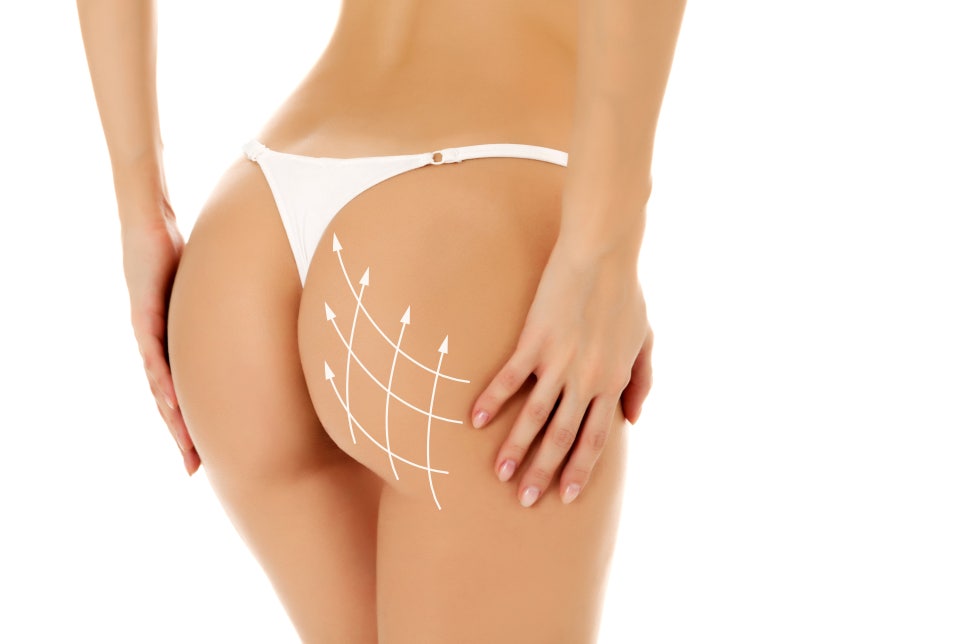
Many people think of butt-lifting as “building the glute muscles,” but what actually matters is the position and shape of the butt.
-
Lack of volume in the upper part of the butt
-
A shape where the butt spreads downward
-
A structure where the butt sits lower relative to the pelvis
In these cases, even if there is a certain amount of muscle, the visible lifted effect may still appear weak.
In other words, butt-lifting is not just about size, but about position and line.
When the stimulus is dispersed to areas other than the butt

No matter how hard you exercise, there are many cases where the butt does not receive proper stimulation.
Typical examples include:
-
When the front of the thighs (quadriceps) takes on most of the load
-
When the muscles around the lower back or pelvis engage first
-
When your posture breaks down and the butt stimulation decreases
In these situations, even with a lot of exercise, actual glute development may be limited.
- After exercising, your thighs feel more sore than your butt does
- It is hard to feel the exact area being stimulated
If this is the case, the way stimulation is delivered may need to be changed.
Limitations caused by differences in fat and muscle structure
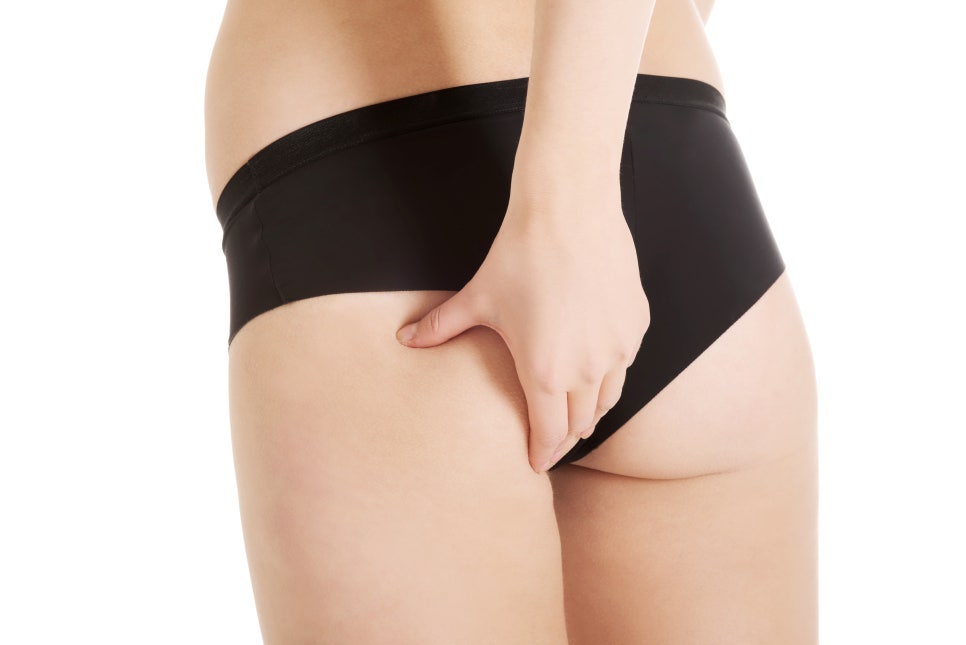
The shape of the butt is not determined by muscle alone. Fat distribution and skin tissue also have an effect.
For example:
-
A body type with little fat > limits in volume formation
-
Fat concentrated in the lower area > a sagging shape
-
Reduced skin elasticity > the line appears spread out
When structural factors act together like this, it can be difficult to create the desired volume and line through exercise alone. Another reason it may look like the butt has not been lifted is that the boundary between the glutes and the thighs becomes less defined.
In these cases, even if there is actual glute muscle, visually it may still look like the butt has not been lifted.
Butt-lifting procedures
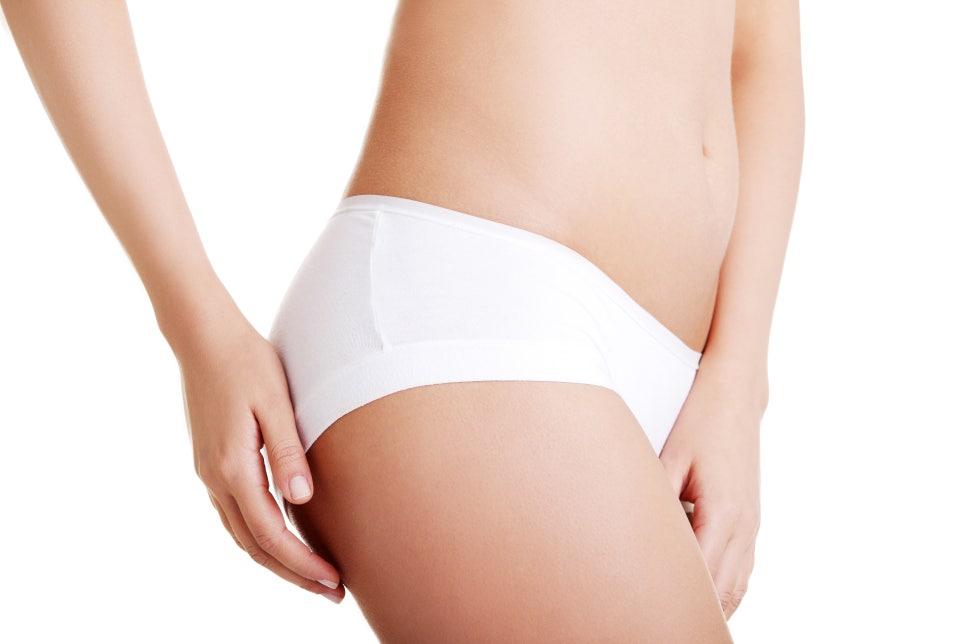
Improvement is possible through exercise, but when the structural factors above are also involved, other approaches are sometimes mentioned as well.
For example:
-
Supplementing areas that lack volume
-
A method that compensates for butt position
-
An approach that connects the lines between the butt and the thighs
In this way, rather than simply increasing size, it is important to consider line and proportion together. Exercise is an important factor for butt-lifting, but it may not always lead to sufficient results in every case.
The shape of the butt is created by the combined effect of various factors such as:
-
Muscle
-
Fat distribution
-
Pelvic structure
-
Skin elasticity
Therefore, if butt-lifting is not going well, it may be helpful to look not only at exercise volume, but also at structural causes.