What Is Fourth-Generation Byvol Breast Augmentation?
Why It Is Shifting from Implant-Centered to Tissue Design

When people consider breast augmentation, many first think of one standard: “size.”
However, recent trends have been shifting beyond simply increasing size, toward valuing natural lines and harmony with body proportions.
Amid these changes, the concept known as fourth-generation Byvol breast augmentation has emerged.
It is understood as an approach that considers both tissue and structure, moving away from a purely implant-centered method, and it continues to attract interest among those seeking more delicate results.
What Is Fourth-Generation Byvol Breast Augmentation?

Fourth-generation Byvol breast augmentation is a surgery that uses biocompatible Acellular Dermal Matrix (ADM) while also considering the tissue environment.
ADM is a biomaterial made by removing cells from human tissue and leaving only the structural framework. It has mainly been used in tissue reconstruction and breast reconstruction.
Because of these characteristics, it is used to help create an environment in which it gradually settles into a form similar to the body’s own tissue.
In other words, it can be understood not simply as inserting an implant, but as a method that designs the structural foundation needed for the implant to settle stably.
How Is It Different from Traditional Breast Augmentation?
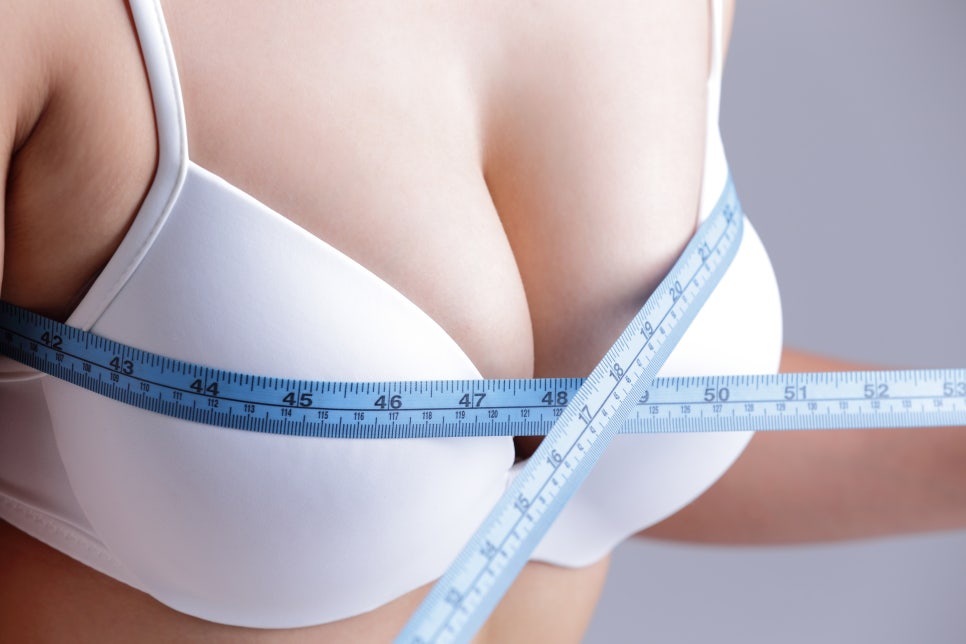
In traditional breast augmentation, the size and shape of the implant had a major impact on the outcome. Fourth-generation Byvol goes one step further by featuring a design approach that reflects an individual’s body type and tissue condition.
| Category | Traditional Breast Augmentation | Fourth-Generation Byvol Breast Augmentation |
|---|
| Approach | Implant-centered | Tissue + structural design |
| Outcome factors | Size, volume | Line, proportion, touch |
| Design criteria | Standardized shape | Personalized design |
| Key point | Change in size | Harmonious completion |
In this way, the focus is shifting away from simple volume changes and toward considering the overall silhouette and balance.
Why ADM Is Used
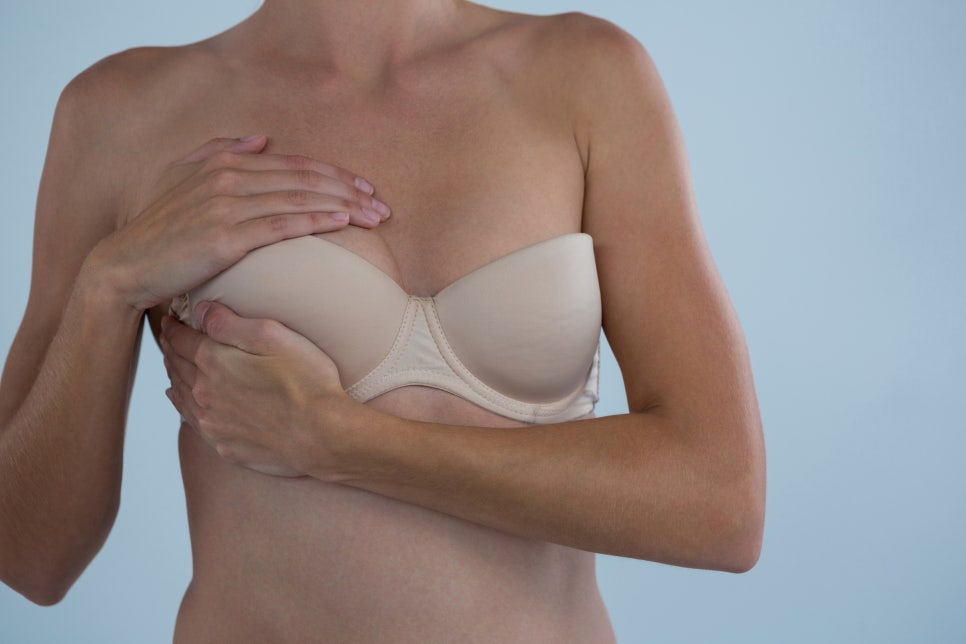
ADM is not merely an auxiliary material; it plays a role in forming the environment between the tissue and the implant.
In conventional methods, the space in which the implant is placed had a major effect on the result, but when ADM is used, an approach that also aims to create a more stable structure is considered.
It is also sometimes described as gradually changing over time through interaction with tissue, becoming more similar to the body’s own tissue.
This can be understood as a tissue-based design concept that differs from simply inserting an implant.
When Fourth-Generation Byvol Breast Augmentation Is Considered
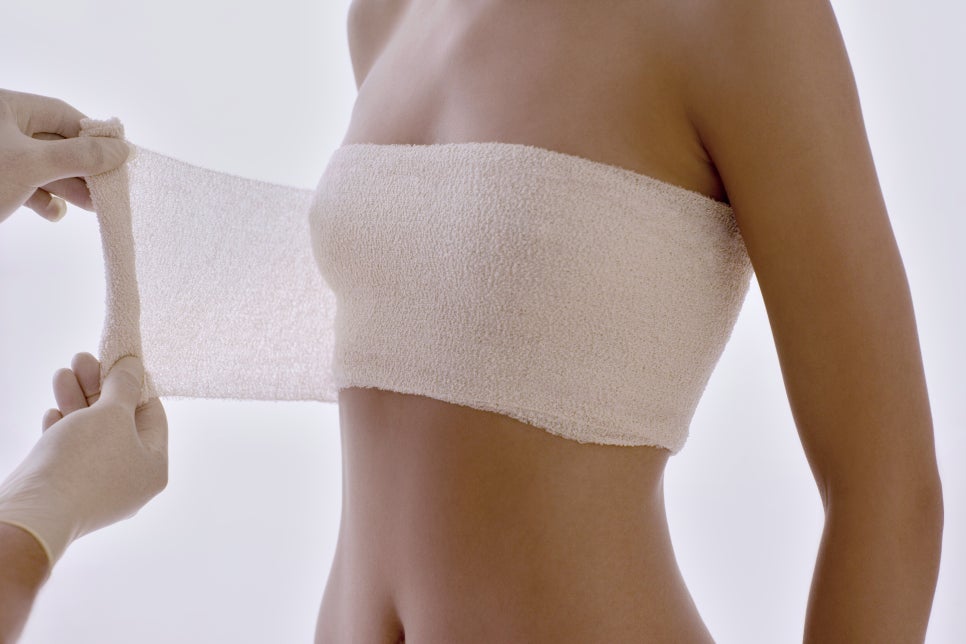
Fourth-generation Byvol breast augmentation is often mentioned in the following cases.
-
When natural breast lines are important
-
When you want to consider harmony with your body type
-
When you feel uncomfortable with an implant look that appears too obvious
-
When you want a more delicate design
It is especially of interest in cases where people value overall balance and completeness rather than simply increasing size.
Possible Direction of Change
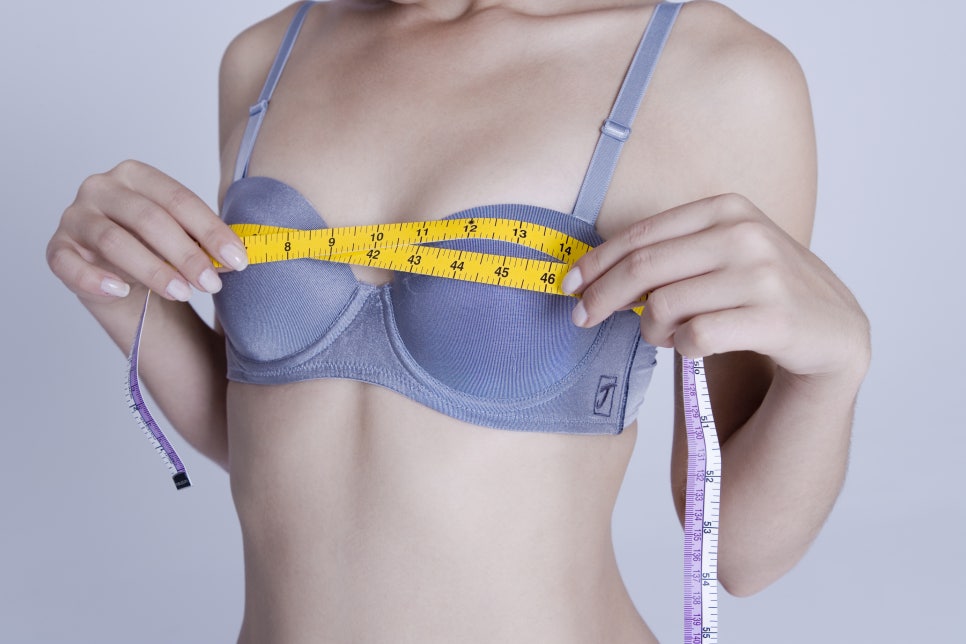
The changes expected in fourth-generation Byvol breast augmentation are not limited to a simple increase in volume; they focus on harmony in the overall line and proportions.
For example:
-
A breast line that blends naturally with body shape
-
A silhouette that looks soft in motion
-
Moderate volume
-
A balanced upper-body proportion
In this way, the results are often described not as “large,” but as “natural” and “harmonious.”
Fourth-generation Byvol breast augmentation can be understood as an approach that moves away from the traditional implant-centered method and considers tissue and structure together. Therefore, rather than choosing based only on size changes, it is important to consider your body type, the line you want, and your own standards for naturalness.
As breast augmentation approaches become more specialized, the process of fully understanding and choosing the method that suits your current condition may lead to more satisfying results.