The Difference Between Sagging Belly Fat and Firm Belly Fat,
and How to Lift It
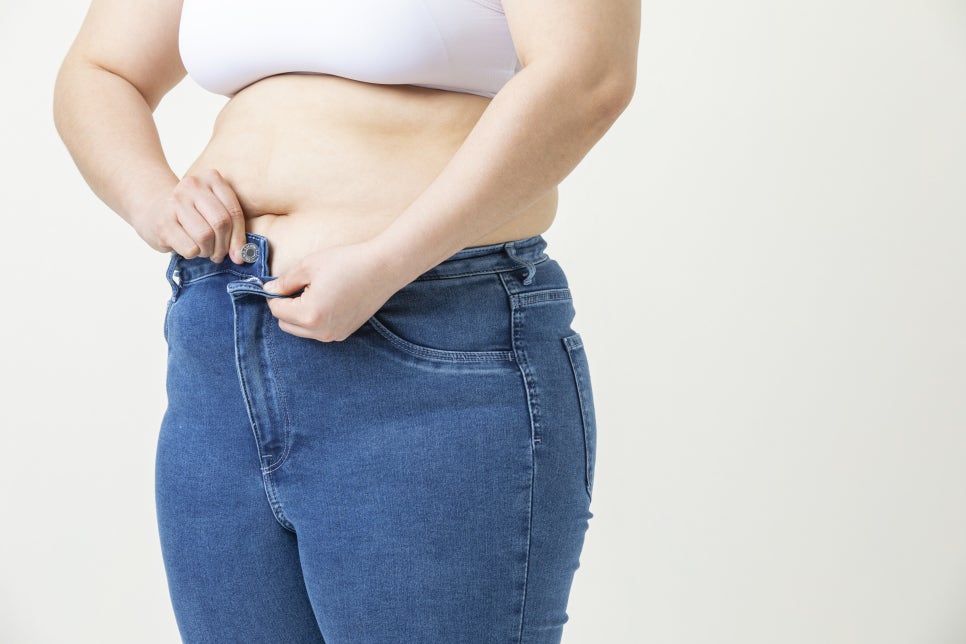
If your belly line looks especially uneven when you wear clothes, or if your abdomen still looks saggy even after losing weight, it is likely not just a simple matter of fat. In particular, because the abdomen is a area where the skin stretches more easily and recovers more slowly than other parts of the body, even the same “belly fat” can look completely different depending on its condition.
If you do not understand this difference accurately, it can be difficult to achieve the changes you expected no matter how consistently you exercise and manage your diet. Therefore, it is most important to distinguish between sagging belly fat and firm belly fat, and to find the right approach for each.
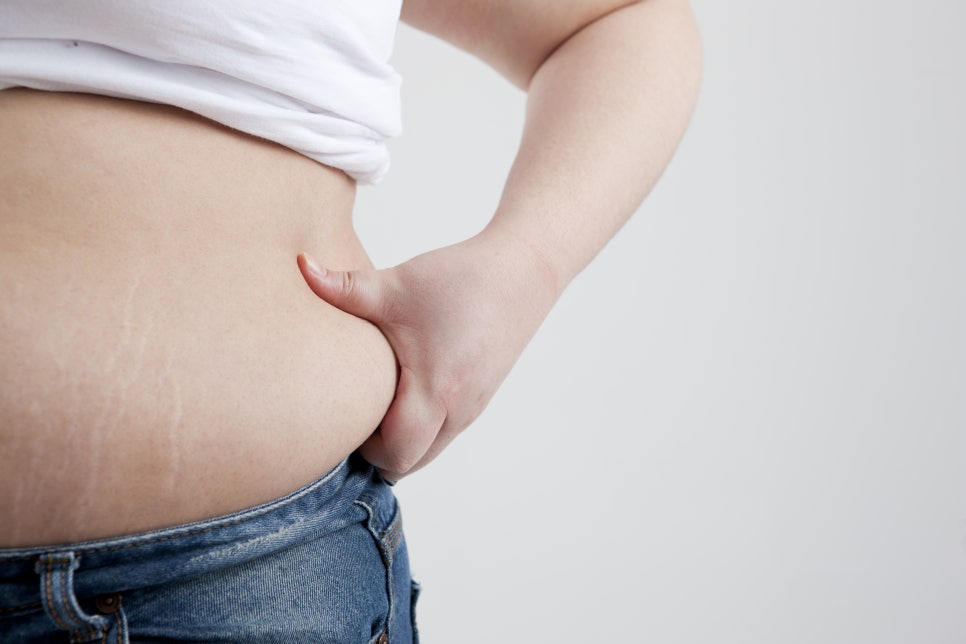
At first glance, both may look like there is fat in the abdomen, but in reality, there is a big difference in the condition of the skin and tissue. A firm abdomen means that the skin remains taut and steadily covers the fat and muscles.
On the other hand, sagging belly fat means the skin has stretched, dropped downward with gravity, and lost its elasticity. In this case, simply reducing fat alone may not improve the appearance. In other words, the key point is that a sagging abdomen is a problem of “loose skin and tissue,” not just “fat.”
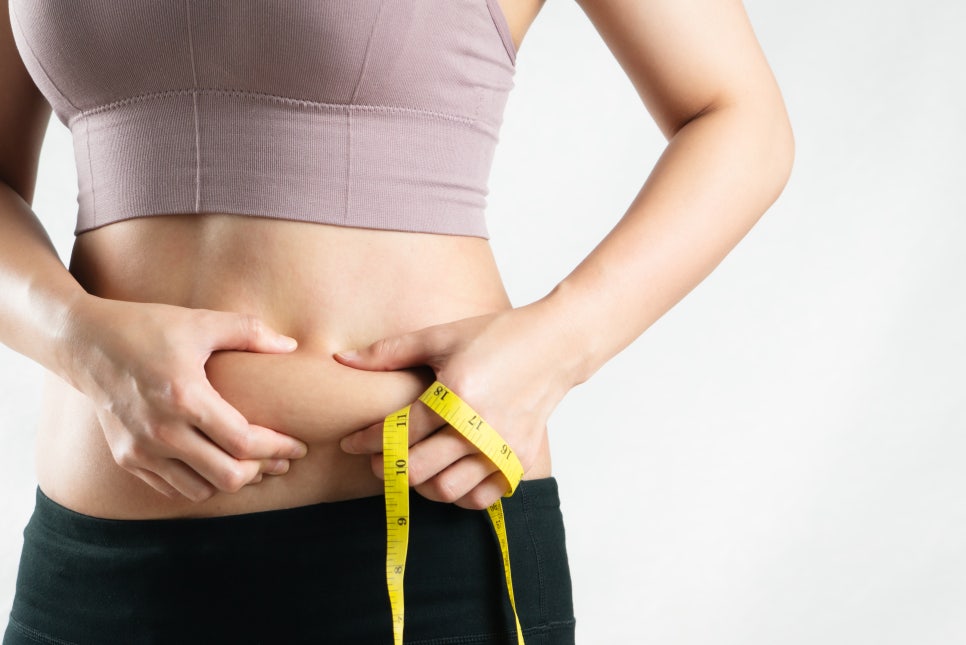
After losing weight, the abdomen can sometimes look even more saggy. This happens because as fat decreases, the volume that supported the skin disappears. Especially when weight is lost rapidly over a short period, the skin does not have enough time to contract and remains stretched. As we age, collagen and elastin also decrease, which further reduces the skin’s ability to bounce back. It is important to keep in mind that the faster the diet, the more severe the sagging can become.
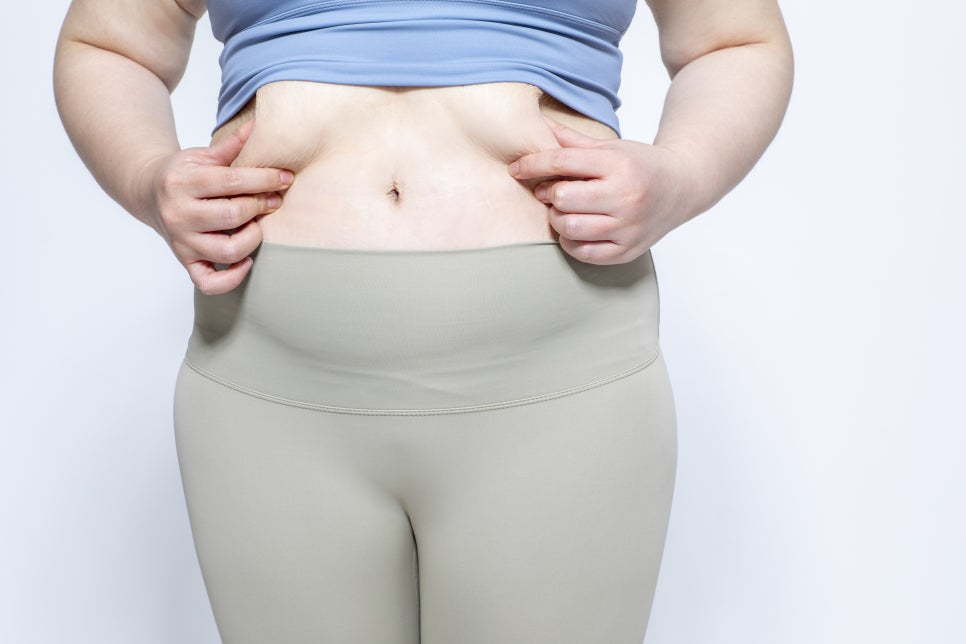
Many people think that if they continue exercising their abdomen regularly, sagging belly fat will naturally lift, but in many cases, that is not true. Exercises that strengthen the muscles can build abdominal strength, but there are limits to how much they can shrink already stretched skin.
In particular, if the rectus abdominis muscles have separated after childbirth, or if the skin itself is thin and has lost elasticity, improvement may be difficult with exercise alone. It is important to understand that muscle issues and skin sagging are separate matters.
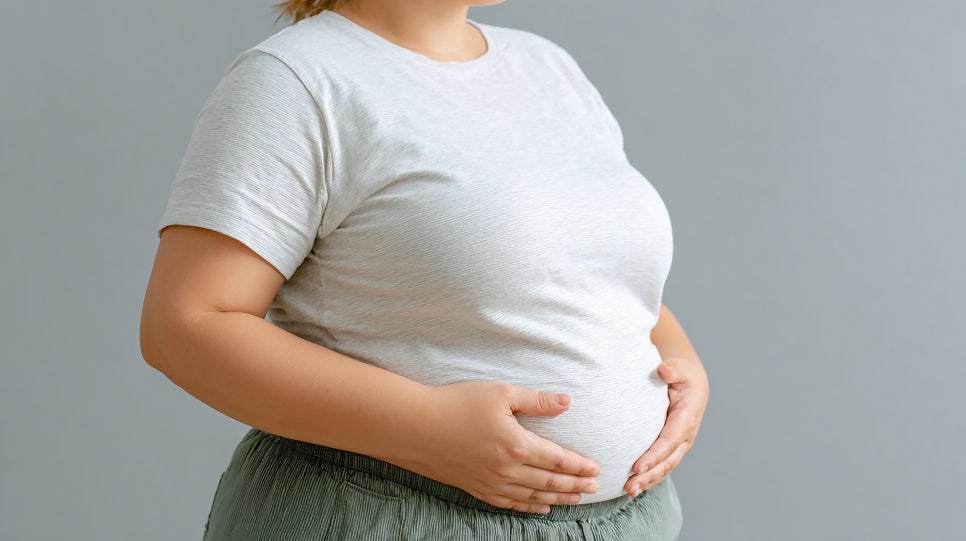
If the abdomen folds and wrinkles, or if the fat feels like it is sagging downward when sitting, it may be a sign that the sagging is progressing. Also, if clothing creates a silhouette where the fat seems to flow below the waistline, you may need to suspect reduced skin elasticity rather than simple fat accumulation. Because these changes become more noticeable over time, it is important to understand the early stage.
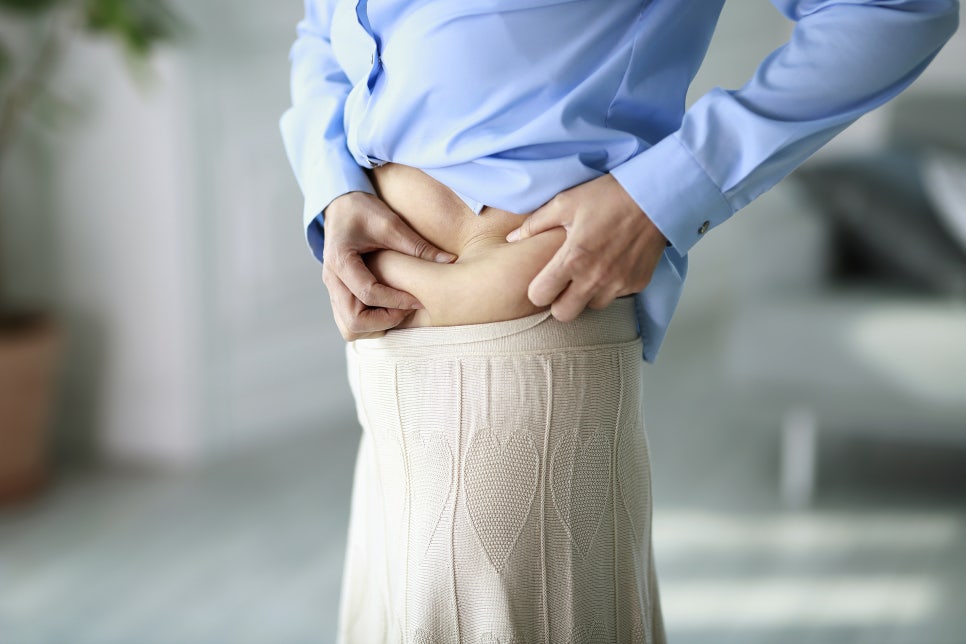
The approach should differ depending on the condition of the abdomen. If fat is the main cause, weight control and exercise may be effective, but if skin sagging is also present, a different direction of improvement is needed. Methods to restore skin elasticity or tidy up loose tissue should be considered, and the choice may vary depending on the individual’s condition. Accurately distinguishing your own abdominal condition is the very first step.
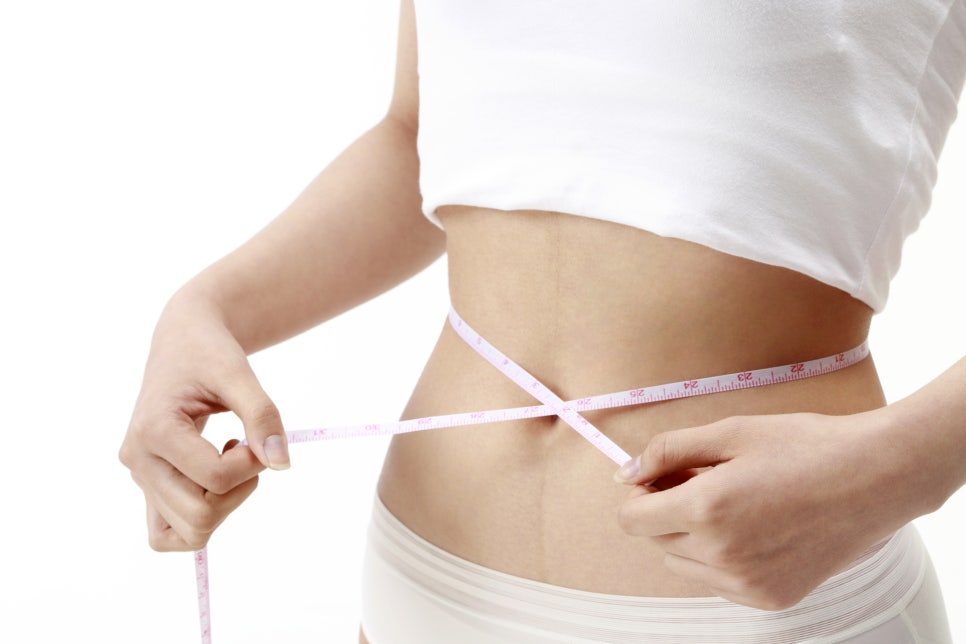
If the skin is severely stretched and folded, or if it is difficult to restore elasticity, abdominoplasty may be one option. Abdominoplasty does not simply reduce fat; it focuses on removing loose skin and rebuilding a firmer abdominal line. It can be especially effective for improving an abdomen changed after childbirth or the remaining skin sagging after significant weight loss. When both the skin and structure need improvement, that is why abdominoplasty becomes necessary.

When improving the abdominal line, what matters is not simply making it flat, but creating harmony with the overall body proportions. Because pelvic shape, waistline, and fat distribution differ from person to person, failing to consider these factors can lead to unnatural results.
Also, overly aggressive correction can create an awkward impression, so a balanced approach is necessary. A design that takes natural proportions and harmony into account determines the quality of the result.

Sagging belly fat should be understood as a change in the skin and tissue rather than approached as a simple weight issue. Because the solution differs depending on the condition of the abdomen, it is important to choose the approach that suits you. Above all, selecting personalized care and improvement methods based on an accurate diagnosis of the condition is the most effective way, and through this, you can expect a firmer and more balanced abdominal line.