Can the belly button return to its original shape after childbirth?
Are you worried because your belly button has changed into a melon-like or horizontal shape after giving birth?
From the reasons the belly button protrudes during pregnancy to postpartum care methods tailored to each stage,
and even surgical alternatives, we’ll look at everything in detail.
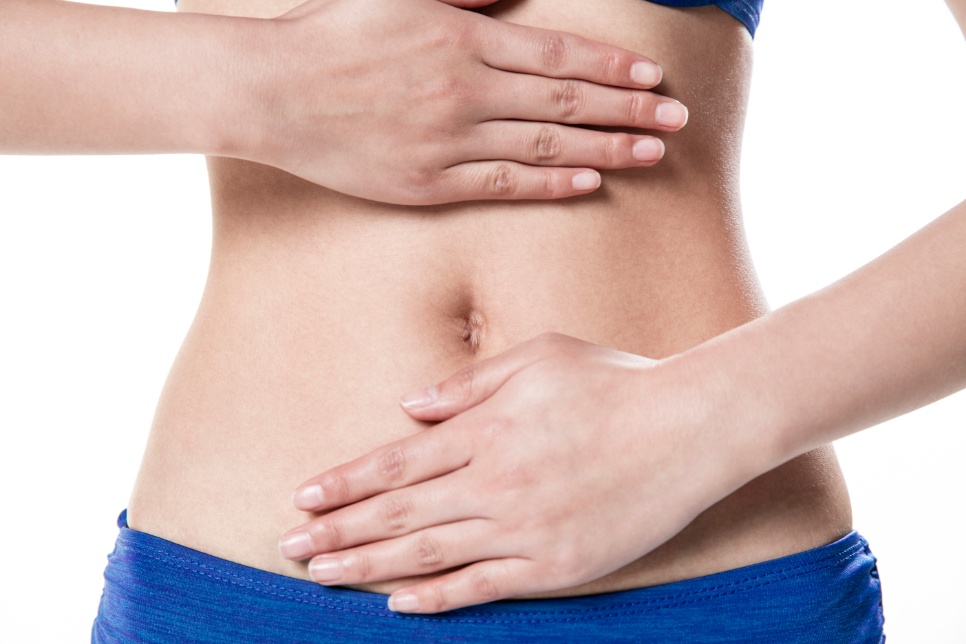
Have you ever stepped out of the shower, stood in front of the mirror, and sighed while looking at the belly button sitting sadly in the middle of loose belly fat that feels like a deflated balloon?
Feeling discouraged and losing confidence because your body shape has clearly changed from before is a natural emotion that many mothers commonly experience during postpartum recovery. Amid the rapid physical changes of pregnancy and childbirth, we want to examine the causes of changes in the belly button’s shape after childbirth and practical alternatives.
| 1. Why the belly button protrudes and becomes painful during pregnancy |

The main reasons the belly button protrudes and becomes painful during pregnancy are the rapid increase in intra-abdominal pressure as the uterus expands and the stretching of the surrounding skin tissue. By around the 5th to 6th month of pregnancy, as the fetus grows and abdominal pressure rises, the belly button that used to be inward gets pushed outward, taking on the so-called melon belly button shape.
During this period, the abdominal muscles and skin stretch to their limit, making the tissue thinner and more sensitive, so even rubbing against clothes can easily cause stinging or sharp pain. Fortunately, these protrusion symptoms and discomfort gradually improve after childbirth as abdominal pressure returns to normal. However, if more than 6 months have passed after delivery and you still feel a stabbing pain whenever it is touched, or if a lump can be felt, there is a possibility of an umbilical hernia, so prompt diagnosis is needed.
| 2. Features of different belly button shapes that appear after childbirth |

If enough time has passed and the belly button still has not returned to its former shape, the main causes can be diastasis recti and severe damage to the skin’s dermal layer. The vertical abdominal muscles that were widely separated left and right for ten months do not return to their original position even after childbirth, leaving the center area loose and causing the belly button after childbirth to spread horizontally or become elongated into a straight-line shape.
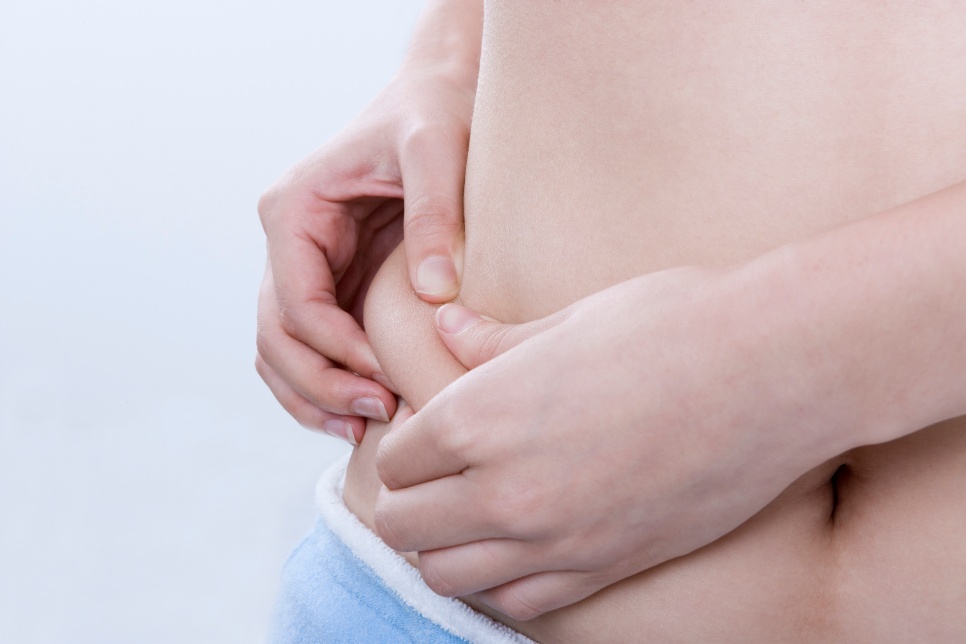
At the same time, skin that has once been severely stretched and lost elasticity remains saggy with fine wrinkles even if body weight returns to normal. In fact, even after successfully losing postpartum weight, many people feel great stress because the skin around the belly button is stretched and clothes do not fit well, and this is caused by histological changes that are difficult to resolve through simple fat loss alone.
| 3. Criteria for care and cosmetic surgery to restore a deformed belly button |
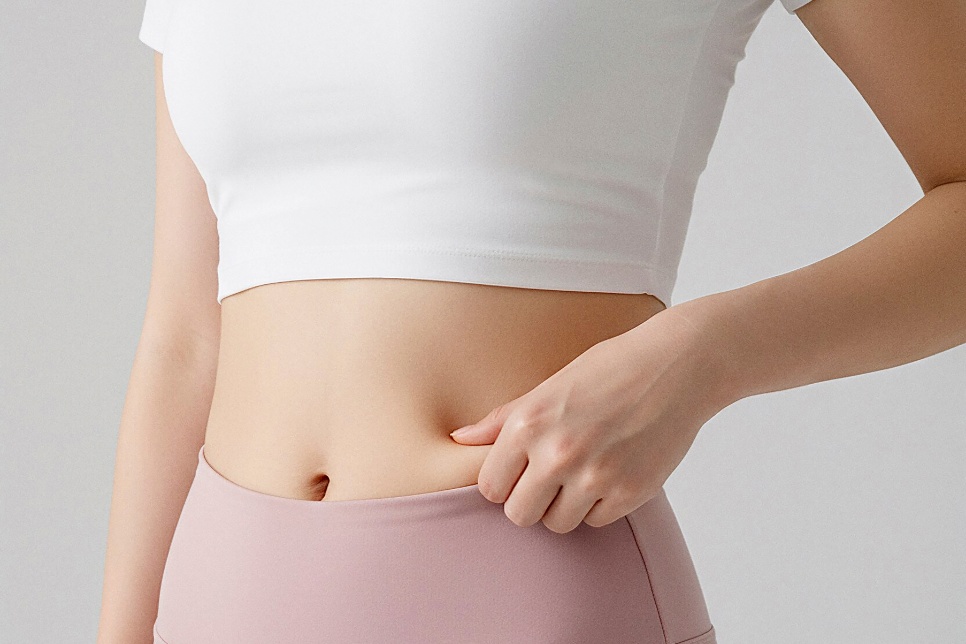
If exercise or dieting alone feels limited in restoring a deformed belly button and the resulting emotional distress is significant, you may consider medical correction procedures or abdominal cosmetic surgery as realistic alternatives. If skin sagging is not severe and only the shape around the belly button has been flattened horizontally, a localized belly button correction procedure can improve the design into a more attractive vertical line.
On the other hand, if diastasis recti is severe and stretch marks and skin sagging are present throughout the abdomen, abdominal surgery, which firmly tightens the separated fascia and removes the remaining excess skin, can offer far more effective results. Since recovery speed and final outcomes can vary depending on individual skin elasticity, the degree of muscle damage, and one’s natural body composition, a cautious approach is necessary. Rather than deciding on a procedure blindly, it is most important to have a thorough consultation with medical staff who can diagnose the current condition of the abdominal wall.
[General management directions according to abdominal and belly button condition]
| Symptoms and condition | Main cause | Recommended care and alternatives |
|---|
| Temporary protrusion and swelling | Increased abdominal pressure and tissue expansion during pregnancy | Adequate rest for around 6 months after childbirth and expectation of natural recovery |
| Horizontal/straight-line deformity | Diastasis recti and loosened fascia in the center of the abdomen | Core exercises or localized belly button correction |
| Severe wrinkling and overall sagging | Dermal layer collapse and deep loss of skin elasticity | Removal of excess skin and fascia correction through abdominal surgery |
I hope today’s content has offered comfort and a clear direction to those who have been quietly worrying about a changed body shape behind the joy of childbirth.
Rather than losing yourself because your figure is no longer the same as before, I hope you can reassure yourself by seeing it as part of the proud process of bringing new life into the world.
If, even after enough recovery time, psychological stress about the belly button’s shape after childbirth is disrupting your daily life, it may be a good idea to seek objective advice rather than carrying it alone. Starting step by step with light breathing exercises and stretching, I sincerely support your return to a healthy life in both body and mind as a mother.