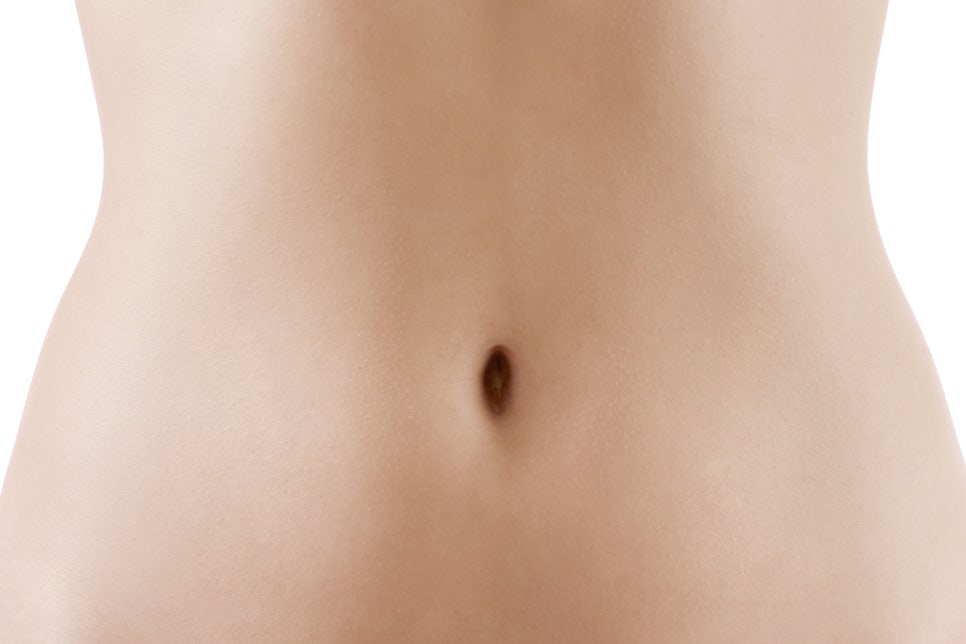
Recently, interest has been growing not just in simple weight loss or reducing waist circumference, but in creating a more detailed body line. Among these, the 'navel shape' is a surprisingly noticeable area and is one of the factors that affects the balance and overall look of the abdomen. In particular, a navel that is long vertically and naturally indented is often preferred because it makes the abdomen look slimmer and more refined.
In the past, it was seen as something determined only by birth, but recently there have been more cases of considering improvements through various methods. In this trend, it has become increasingly important to understand navel shapes and the right approach to them.
Why Navel Shape Matters

Because the navel is located at the center of the abdomen, it naturally draws attention. Even if you have little abdominal fat and a slim build, if the navel looks wide or spread out, the overall impression can seem less neat.
On the other hand, a navel that is vertically long and has an appropriate sense of depth can make the abdomen look longer and help emphasize a balanced body line. This difference becomes even more noticeable when wearing swimwear or cropped clothing. The navel shape is a factor that affects the overall completeness of the abdomen.
Characteristics of a Vertical Straight Navel

A vertical straight navel is not simply a long, stretched shape, but a structure that connects naturally from top to bottom while the center is appropriately indented. What matters here is not an overly deep or artificial look, but natural harmony with the overall abdominal line. The vertical length, depth, and sense of connection with the surrounding skin must be balanced for it to appear ideal.
In addition, the elasticity of the skin around the navel and the distribution of fat also affect the result, so it is necessary to consider multiple factors rather than simply correcting the shape. Natural proportions and harmony are the most important.
Why Navel Shape Changes

Navel shape is affected not only by congenital structure but also by acquired changes. Weight gain or loss, pregnancy and childbirth, and reduced skin elasticity due to aging are all factors that can change the shape of the navel. In particular, when the abdominal skin stretches or fat accumulates, the navel may look wider or spread out; conversely, after rapid weight loss, reduced elasticity can make the shape look less defined.
Therefore, accurately understanding the current condition and the cause becomes an important 기준 for setting the direction of improvement. Body shape and skin condition have a major influence.
How to Make a Vertical Straight Navel

To create a vertical straight navel, simply correcting the navel shape alone may have limitations. If there is a lot of abdominal fat, fat reduction should be done together to create a clearer line, and if skin elasticity is insufficient, elasticity improvement should also be addressed for natural results.
It is also important to adjust the navel while considering its existing position and structure, and a customized plan suited to the individual's body type is necessary. A tailored approach based on each person's condition is key.
Surgical Methods for Making a Vertical Straight Navel

Navel surgery is not simply about changing appearance; it is important to proceed while considering harmony with the surrounding tissue. An overly artificial shape can instead create an unnatural impression, so improving the navel while preserving the existing structure as much as possible is preferred. It should also be performed with the balance of the overall abdominal line in mind for more satisfying results. Natural results are the most important standard.
Cases to Consider Navel Surgery

If the navel shape is a source of concern or if you want to create a more refined abdominal line, improvement may be worth considering. In particular, if you still do not get the line you want even after weight loss, if the navel shape has changed after childbirth, or if the shape has become less defined due to reduced skin elasticity, a more active approach may be needed.
However, because the same method does not apply to everyone, it is important to fully evaluate the individual's condition. It can be a choice for improving a personal concern.
Things to Check Before Navel Surgery

When considering navel surgery, it is important not to focus only on the desired outcome image, but to check whether the method is appropriate for your body type and skin condition. It is also necessary to fully understand whether the expected results are realistically possible, and to check information about the procedure and recovery as well. Setting the direction through consultation with a board-certified plastic surgeon can help improve satisfaction. Sufficient consultation and understanding are essential.
Although the navel is a small area, it is an important element that determines the overall impression of the body line. It is important to pursue natural and harmonious changes through a method suited to you, and these small differences can contribute to improving the overall finish.