How to Improve the Look of Sleepy Eyes
How to Choose Eye Correction and What to Watch Out For
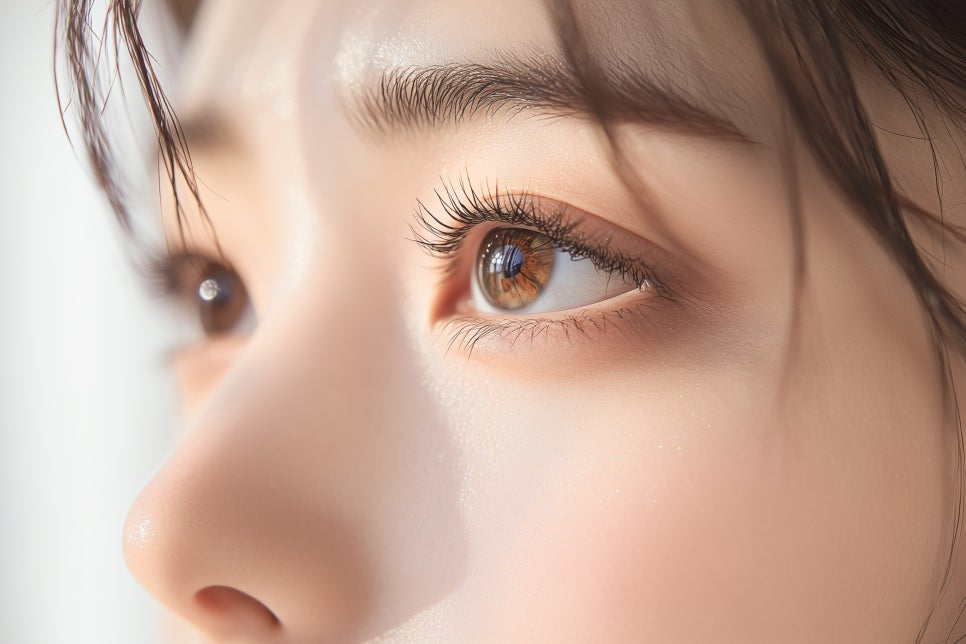
The eyes are a very important factor in determining first impressions, and even with the same face shape, the overall mood can look different depending on the shape of the eyes. In particular, when the eyes are small or the eyelids appear droopy, many people hear that they look tired or sleepy, regardless of how they actually feel.
This concern is linked not only to appearance but also to social image, so interest in ways to improve it is high. However, because issues with the eye shape are influenced by both a person's structural traits and functional factors, it is important to understand the cause accurately. Behind the appearance lies a structural reason.
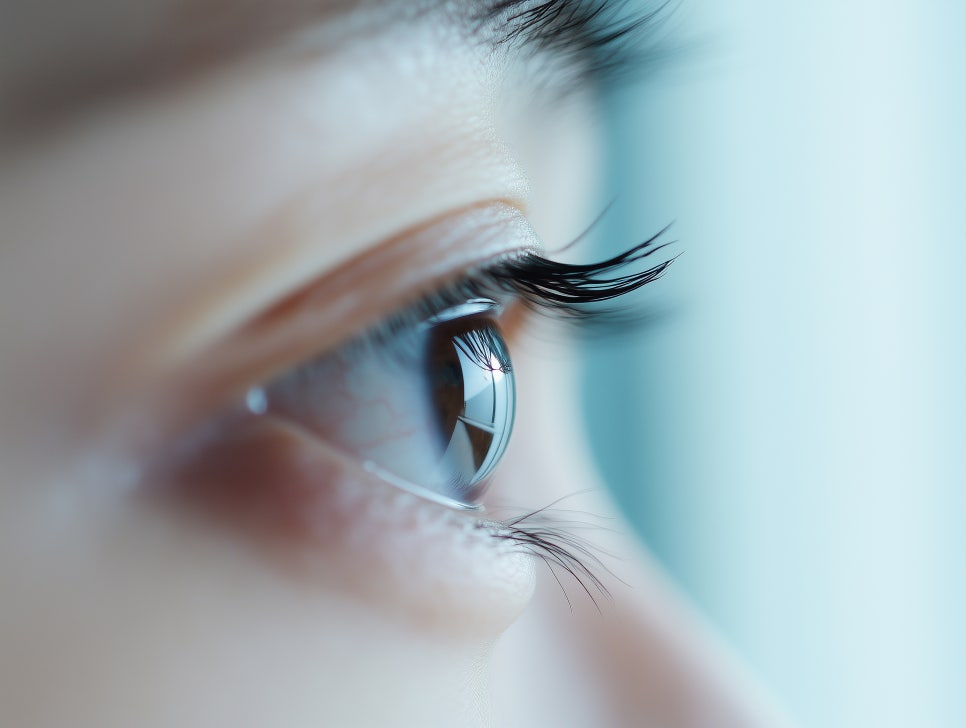
The biggest reason eyes look sleepy lies in the strength used to open the eyes and the position of the eyelids. If the eyelids cover too much of the eyeballs, or if the muscles that open the eyes are weak, the eyes naturally appear less open. In addition, factors such as fat, skin thickness, and drooping eyelids also work together to determine the overall impression.
Rather than judging only by the size of the eyes, both the function and structure of opening the eyes should be considered. The strength to open the eyes is the key factor.
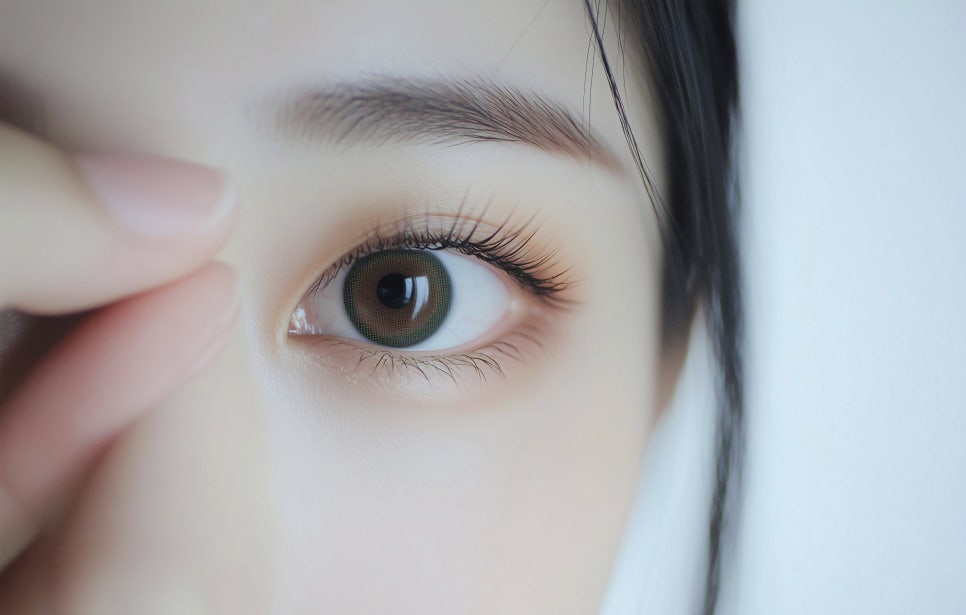
#Eye correction, one method for improving sleepy-looking eyes, is a procedure that adjusts the function of the muscles used to open the eyes so that the pupils are more clearly visible. It differs from a simple double-eyelid surgery.
Its purpose is to create a more defined impression by supplementing the strength used to open the eyes, and in some cases it may also help improve the field of vision.
Therefore, it is important to consider not only creating a line, but also the functional aspects of the eyes. Functional improvement is also achieved.
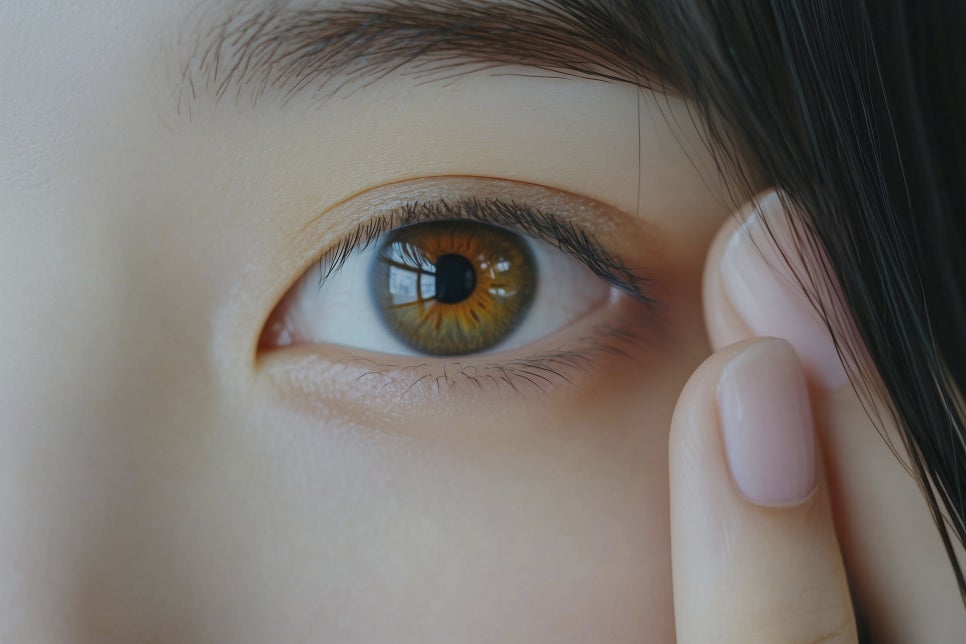
Eye correction is broadly divided into the 'incision method' and the 'non-incision method,' and because each has different characteristics, it is necessary to choose according to the condition of the individual’s eyes.
The incision method involves making an incision in the skin and directly adjusting the muscles and tissue, and may be suitable when eyelid drooping is severe or the skin is thick. On the other hand, the non-incision method uses sutures without an incision to correct the muscles, and may be considered when relatively simple structural improvement is needed.
Because each method differs in the recovery process and the candidates for treatment, it is important to decide through thorough consultation. The choice of method varies depending on the individual’s condition.
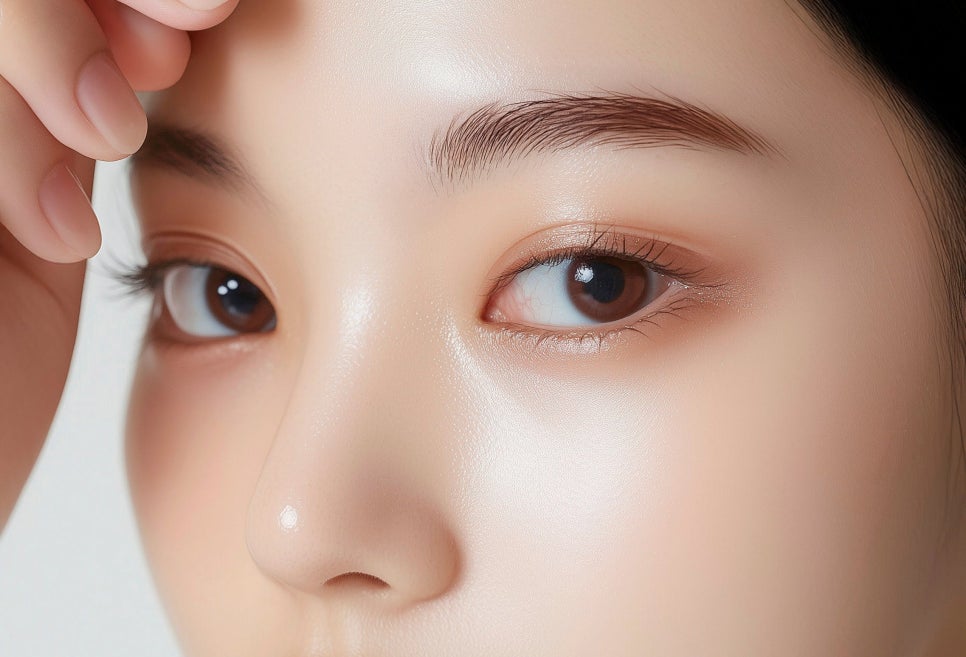
Eye correction may be performed on its own, but it is also often done together with double-eyelid surgery. The goal is to improve the strength used to open the eyes while also forming a crease, creating a more natural and defined eye shape. However, this does not mean it must always be done together in every case; it depends on the individual’s eye structure and desired results. If needed, it can be performed together.
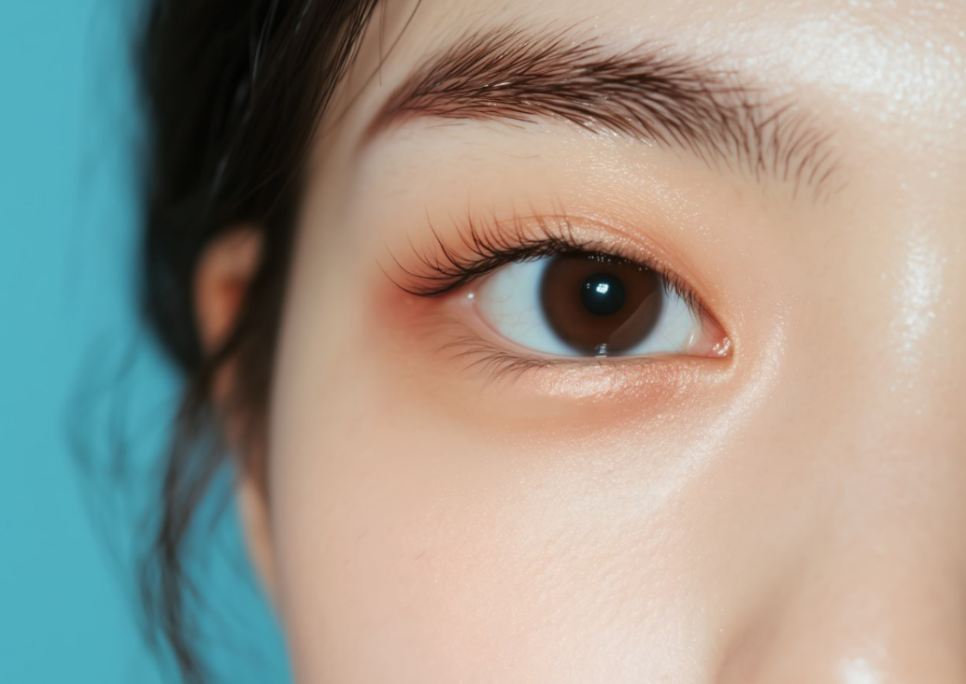
If you unconsciously use your forehead muscles when opening your eyes, make a lot of effort to open your eyes wide, or consistently look sleepy in photos, you may want to consider eye correction.
Also, if the eyelids cover much of the eyeballs and create a heavy or stuffy feeling, functional improvement may be helpful. If there is not only a cosmetic concern but also discomfort in daily life, a more active evaluation is needed. Discomfort in daily life is also an important criterion.
Because eye correction can significantly change the appearance of the eyes, it is important to aim for natural results rather than excessive correction. If the eyes are adjusted to open too widely, the result can look unnatural, and there is a possibility of discomfort when closing the eyes. Therefore, a balanced approach that considers the proportions of the face and the structure of the eyes is necessary. Natural results are important.
After surgery, swelling or discomfort may appear for a certain period, and care during recovery can affect the outcome. Sufficient rest and care according to the instructions are needed, and strenuous activities should be avoided. In addition, because the recovery period differs from person to person, it is important to be patient and observe the progress. The recovery process is also an important stage.
Sleepy-looking eyes are not simply a matter of appearance, but the result of the combined influence of the function and structure used to open the eyes. Therefore, to improve them, the process of accurately understanding the individual’s condition must come first.
Today, together with Bongbong Plastic Surgery, we took time to learn about ways to improve sleepy-looking eyes, how to choose 'eye correction,' and what to watch out for. We hope this was very helpful in getting the information you needed :)