�
If you often hear that your eyes look heavy and sleepy when you look in the mirror, or if you repeatedly feel tension in your forehead when opening your eyes, it may be more than just a matter of appearance and could be related to eyelid function. In particular, when the upper eyelid droops enough to cover the pupil, or when you repeatedly use your forehead muscles to open your eyes wider, a condition related to ptosis may also be discussed.
�
What Is Ptosis
�
Ptosis refers to a condition in which the eyelid droops downward because the muscle that lifts the upper eyelid has weakened. In particular, if the pupil is covered to a significant extent, part of your field of vision may feel blocked, and you may unconsciously develop the habit of using your forehead muscles to compensate.
�
It can be present from birth, but there are also acquired cases due to aging, changes in muscle function, or long-term contact lens use. Unlike simple sagging skin, it is often described as a state in which the actual ability to open the eyes has weakened. Ptosis may be related to muscle function rather than the eyelid skin itself.
�
What Are the Diagnostic Criteria for Ptosis
�
Ptosis is not judged simply by whether the eyes look small or whether there is no double eyelid crease; diagnosis may be made by checking how much the eyelid actually covers the pupil and how well the muscles that open the eyes are functioning.
�
In general, the condition is checked by seeing whether the upper eyelid excessively covers the pupil when looking straight ahead, and whether the forehead is used heavily when opening the eyes. Differences in eyelid height between the left and right eyes and the balance of opening strength may also be considered, and whether there is any functional discomfort is also an important factor. Checking eyelid position and the function of the muscles that open the eyes can be important.
�
What Symptoms May Suggest Ptosis
�
Beyond simple cosmetic changes, ptosis may be linked to various inconveniences in daily life.
�
-
People tell you that your eyes always look sleepy
-
In photos, your eyes appear different in size
-
You have to use your forehead muscles to open your eyes well
-
By the afternoon, your eyes feel heavier
-
Your field of vision feels cramped
-
You have the habit of lifting your chin or raising your eyebrows when opening your eyes
�
In particular, if you repeatedly use other facial muscles to open your eyes, it may be helpful to check your current condition. Repeated eye fatigue and the habit of using the forehead may need to be evaluated.
�
What Is the Difference Between Drooping Eyelids and Simple Skin Sagging
�
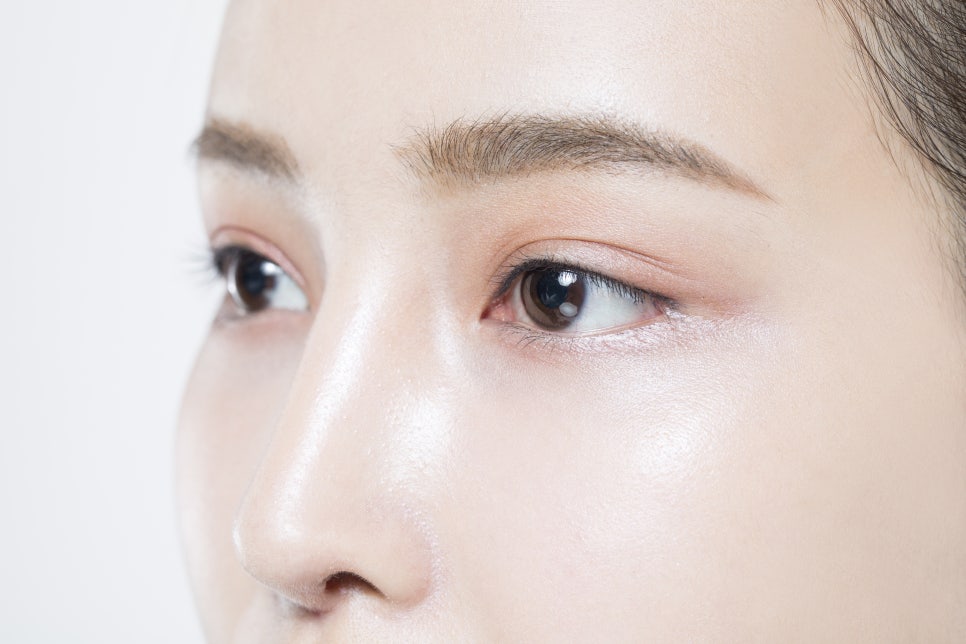
Many people think that all drooping eyelids are the same, but in fact there can be differences between skin sagging and ptosis. Simple skin sagging may be related to a decrease in skin elasticity with aging, causing the eyelid skin to descend, whereas ptosis is often connected to the function of the muscles that lift the eyes.
�
Therefore, even if they look similar on the outside, the correction approach may differ depending on the actual cause, and in some cases both issues may appear together. The correction method can also vary depending on the cause.
�
What Are the Correction Methods for Ptosis
�
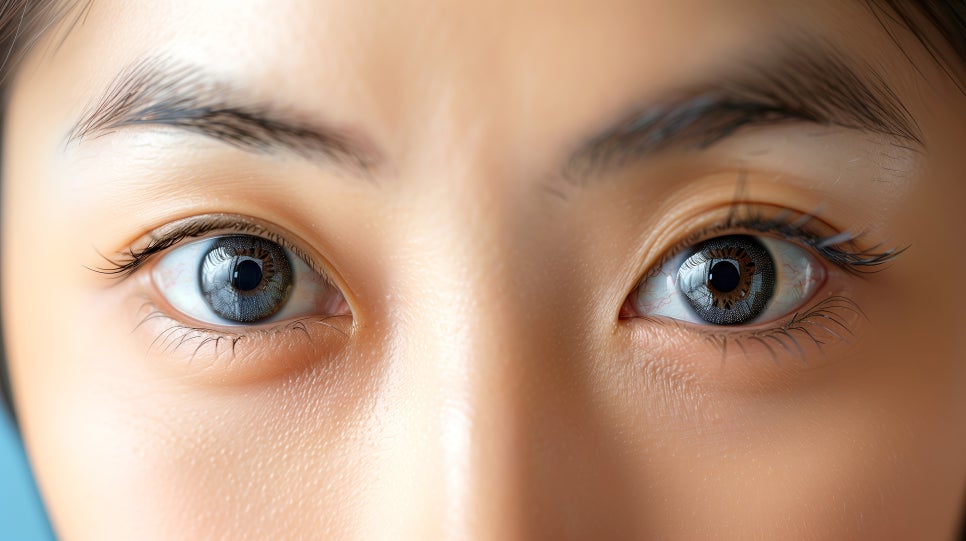
Ptosis correction may be approached differently depending on the current degree of eyelid drooping and the condition of the muscles that open the eyes. When the degree of drooping is relatively mild, a non-incisional method may be discussed, while in cases where skin sagging or muscle adjustment is needed, an incisional method may be considered.
�
Especially when done together with eyelid shaping correction, the important point is not simply to create a double eyelid line, but to consider both the strength of eye opening and the balance of the eye shape. In addition, rather than excessive correction, an approach that considers harmony with the overall facial impression can also be important. Eyelid shaping correction may differ from simple double eyelid surgery.
�
What Should Be Considered After Correction
�
Ptosis correction is not simply about making the eyes look bigger; it is important to consider both eye function and balance of appearance. If the eyes are corrected to open too widely, it may be associated with an unnatural impression or dryness of the eyes, so planning that takes the current eye condition and facial proportions into account can be important.
�
In addition, because there may be differences in results depending on differences in the opening strength of the left and right eyes or the existing eye structure, a sufficient consultation and evaluation process is emphasized. It can be important to consider both natural balance and functional stability.
�
When to Consider Both Eye Shape Improvement and Functional Correction
�
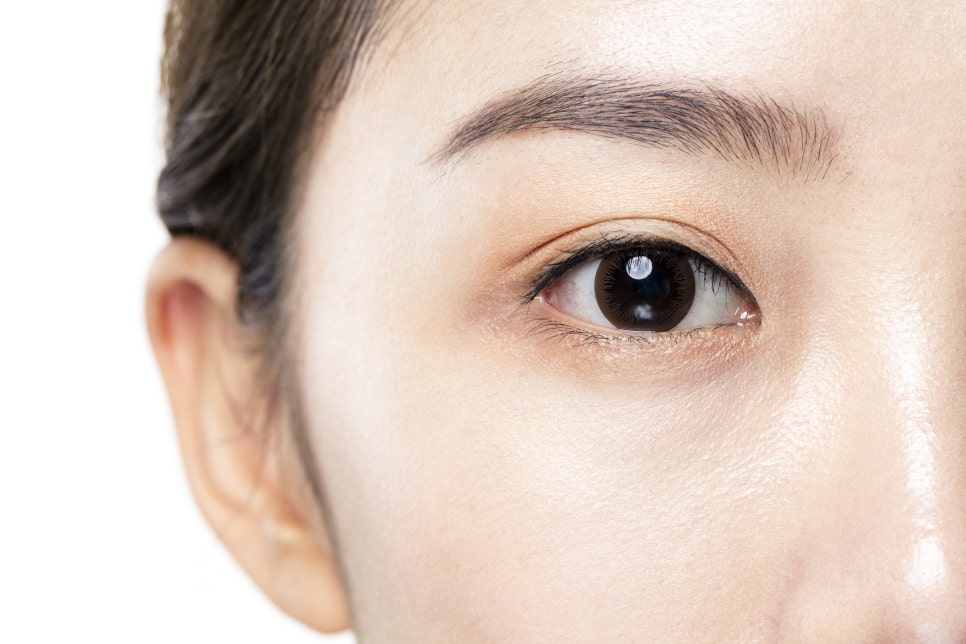
Recently, more people have been considering not only a clearer eye shape but also improvement of a tired-looking impression and relief from functional discomfort. In particular, when ptosis and skin sagging are present at the same time, various approaches may be considered together with eyelid shaping correction, and both improvement in the ability to open the eyes and a change in appearance may be discussed at once.
�
However, because each person has differences in eye structure, skin thickness, and muscle strength, the same method may not be suitable for everyone. An approach that matches the eye condition and facial proportions can be important.
�
�
Recently, more emphasis has been placed on considering a natural change in appearance and functional comfort rather than simply creating a sharper eye shape, and various correction methods such as incisional and non-incisional approaches may differ in application depending on the individual condition. Above all, the important thing is not to unconditionally follow a trendy eye shape, but to find the correction direction that suits you by considering your current eye structure and facial harmony together.
�
It is good to remember that ptosis correction is not simply a surgery to make the eyes bigger, but a process of creating a more comfortable and natural eye shape by considering both eye function and balance of appearance.
�

�