Does a facelift hurt? How should you care for yourself after the procedure?

As we get older, skin elasticity decreases and sagging along the face begins to stand out, so many people start considering various lifting procedures or surgeries. Among them, more people are also becoming interested in facelifts while hoping for a more definite direction of improvement. However, because the word “surgery” itself can feel burdensome, many people first worry, “Will it hurt a lot?” or “Will I be able to go about daily life during the recovery period?”
Especially since the face is an area with frequent movement and sensitive nerves, concerns about pain can feel even greater. In fact, after a facelift, there can be individual differences, but sensations such as pulling, swelling, and stiffness may occur, and temporary discomfort can accompany the early recovery period.
How is a facelift performed?
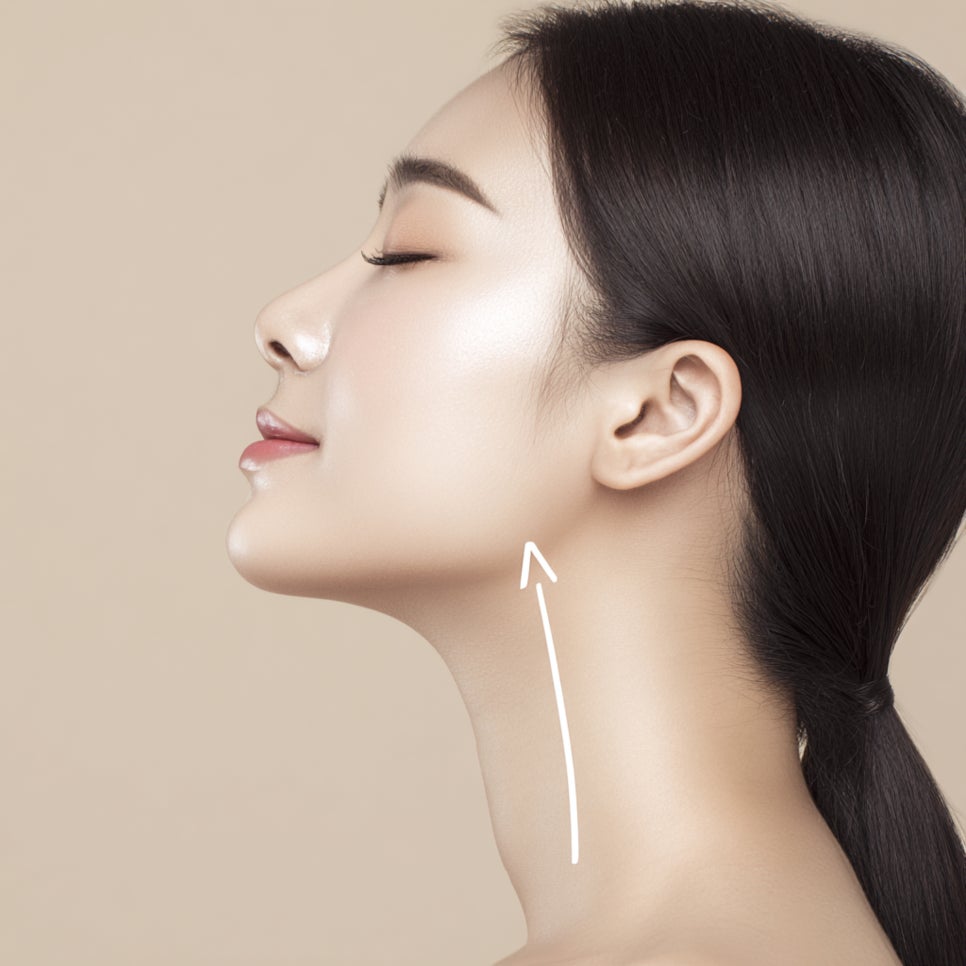
A facelift is sometimes explained not as simply pulling up loose skin, but as a process that also organizes the fascial layer and tissues beneath the skin. As we age, not only the skin but also the face’s internal support structures can sag downward, so for a more natural line, an approach that considers deeper layers is often emphasized. In general, incisions are often made around the ears or along the hairline, and the process is sometimes described as repositioning sagging tissue upward while trimming the excess skin.
Therefore, it may require a slightly longer recovery than a simple procedure, but it is also sometimes discussed as a way to improve the facial contour and jawline. A facelift is a surgical approach that considers both the skin and the tissue layers.
How much pain is there after a facelift?
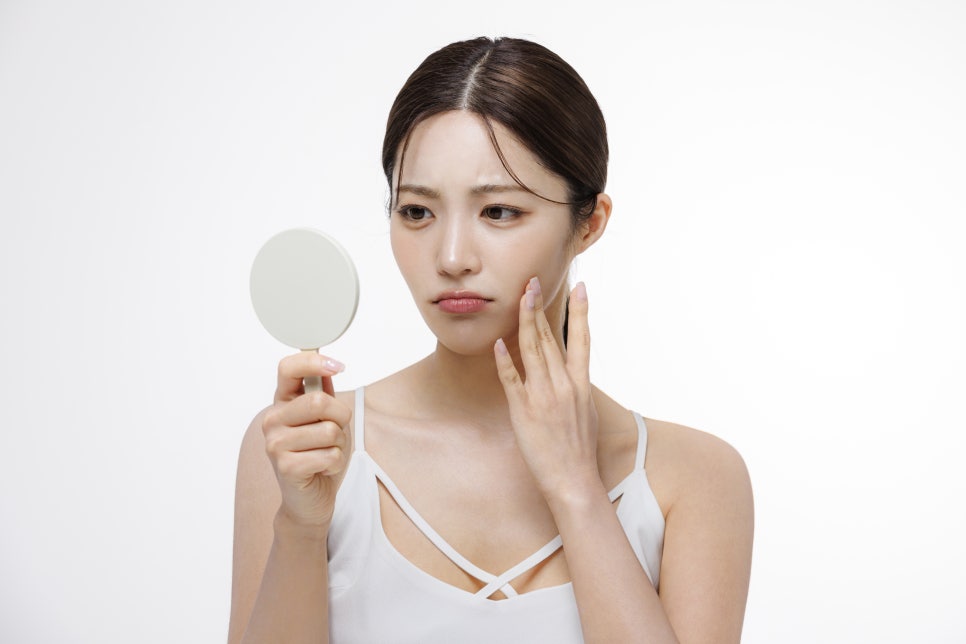
Many people worry about severe pain after a facelift, but in reality, it is sometimes described more as a feeling of pulling, stiffness, or pressure rather than sharp pain. Especially right after surgery, because tissue swelling and skin tension are present together, the entire face may feel heavy, and some people experience discomfort when opening the mouth wide or moving facial expressions.
In addition, the area around the incision may temporarily become less sensitive or feel tight. However, these symptoms are sometimes explained as part of the recovery process and may gradually ease over time. After a facelift, pulling and swelling may occur.
When can swelling and bruising be at their worst?

After a facelift, swelling and bruising can vary depending on the individual’s constitution and the extent of the surgery, but they are generally most noticeable during the first few days. In particular, for about 2 to 3 days after surgery, the face may feel firmly swollen, and bruising may spread around the ears or along the jawline. However, as time passes and tissue recovery progresses, swelling and bruising are also described as gradually decreasing.
Recovery speed can also vary depending on sleeping posture and daily habits, so early care may be important. Swelling and bruising may naturally appear in the early stages of recovery.
Why is daily care important early in recovery?

During recovery after a facelift, tissue stabilization and swelling management are emphasized. In particular, keeping the face slightly above heart level in the early stage may be helpful, and it may be better to avoid excessive facial movements or strong stimulation to the face. Also, hot saunas, drinking alcohol, and smoking may affect blood vessel expansion and increase swelling, so caution may be needed in the early recovery period.
Right after surgery, soft meals may be more comfortable than tough or hard foods, and 충분한 rest and sleep may also be connected to the recovery process. Early recovery habits may affect swelling and tissue stabilization.
How should you care for yourself after a facelift?

After a facelift, it is important not to simply wait for time to pass, but to manage yourself according to your current recovery condition. In the early stage, cold compresses may be explained as a way to help reduce swelling, and after a certain period of time, circulation management in the tissues may also be considered. Also, incision care and hygiene maintenance are important, and it may be better to avoid touching or pressing the wound area too much.
In some cases, checking progress at the clinic and reviewing the current recovery flow is also considered important. After a facelift, step-by-step recovery care may be important.
If you have these symptoms, you may need a follow-up check!

Some swelling and discomfort can occur during recovery, but certain symptoms may require a status check.
- Swelling continues to be severe on only one side
- Warmth and pain gradually worsen
- Fluid or bleeding repeatedly comes from the incision site
- Facial numbness lasts for a long time
- Jaw movement becomes excessively uncomfortable
- The feeling of asymmetry becomes progressively worse
If these changes continue, it may be important to recheck the current recovery status. Abnormal changes during recovery may need to be evaluated.

A facelift is not simply about pulling the skin upward strongly; it is important to consider the balance of the entire face and the condition of the tissues. Excessive pulling may make the change look greater in the early stage, but in some cases it may also lead to an unnatural appearance or increased skin tension.
Therefore, it may be important to take an approach that comprehensively considers the current skin elasticity, degree of facial sagging, and tissue thickness, and a plan that also takes natural facial movement into account may be necessary. An approach that considers natural facial balance may be important.
It is good to remember that for a facelift, not only the surgery itself, but also the recovery process and post-procedure care together can lead to a more satisfactory result.