How to Fade or Remove Old Stretch Marks
Smoothing Even the Residual Marks with Mirajet Care
Stretch marks that develop on the skin due to weight changes, growth spurts, or after pregnancy are often expected to fade naturally over time. In reality, however, there are cases where they remain on the skin like white lines even after several years, causing stress. In particular, old stretch marks on the thighs, abdomen, buttocks, and arms may make the skin texture appear uneven or lead to a feeling of reduced elasticity.
Many people consistently try moisturizers or home care, but may continue to worry when they see no noticeable change. Because old stretch marks may be associated not simply with dry skin but with damage to the dermal layer, a more systematic approach may be important.
Why do stretch marks develop and remain for a long time?
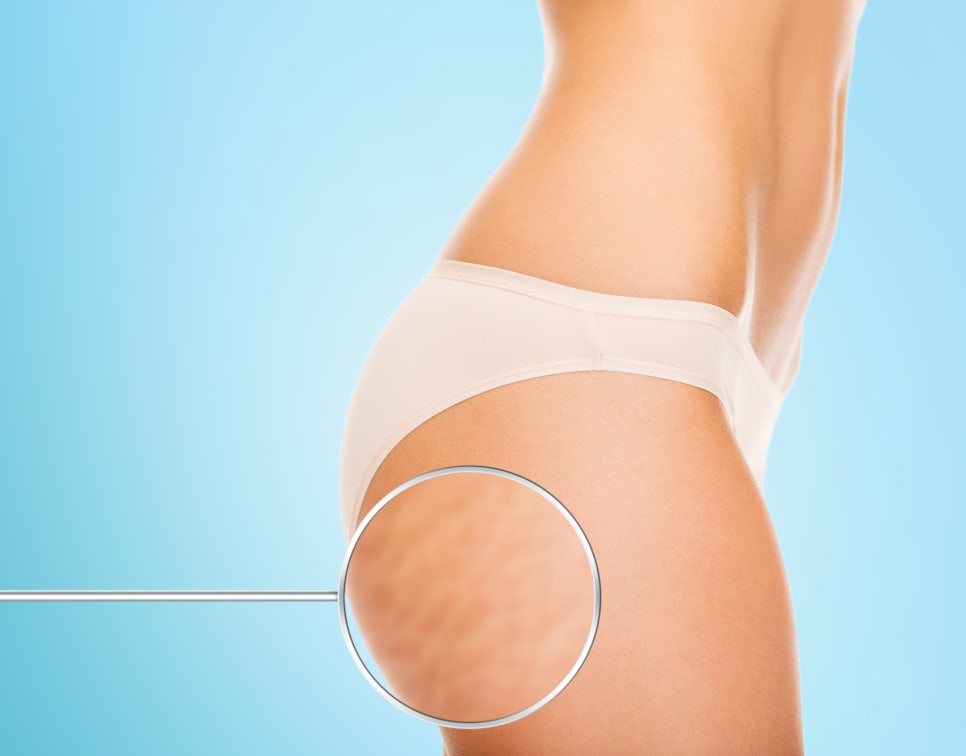
Stretch marks may be associated with the process in which collagen and elastic fibers in the dermal layer are damaged as the skin stretches rapidly. Pregnancy, sudden weight gain, changes during growth, and increased muscle mass are often discussed as representative causes. They commonly appear at first as reddish or purplish lines, but over time they may turn white and remain as depressed areas of skin.
In particular, old stretch marks may be associated with a state of reduced skin regeneration, so there may be cases where improvement is difficult with creams alone. Old stretch marks may be associated with structural changes in the deeper layers of the skin.
Why are old white stretch marks more difficult to improve?
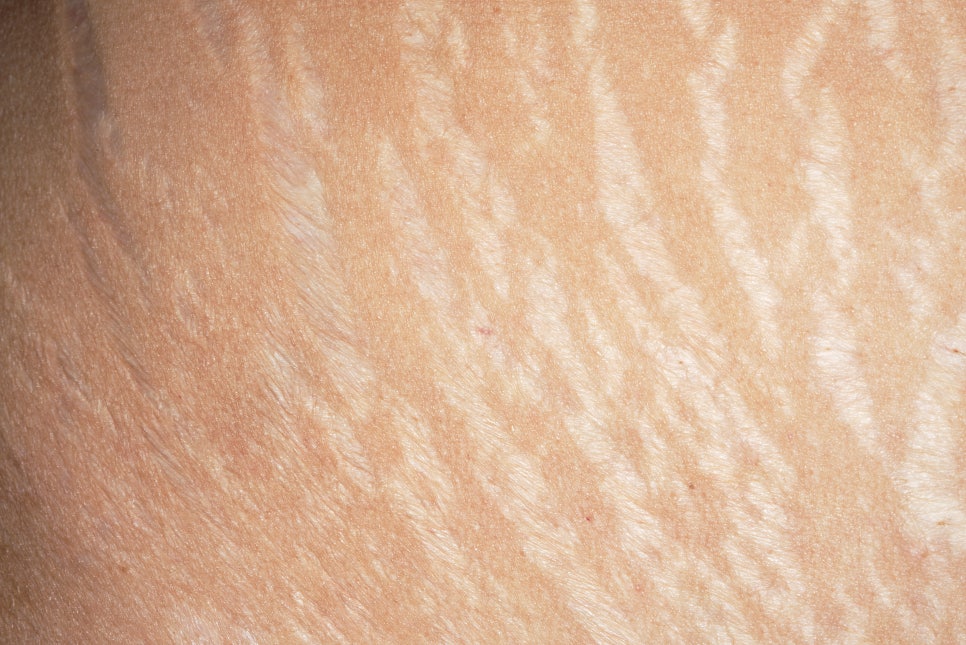
Red stretch marks are sometimes described as being at a stage where vascular response and the potential for skin regeneration remain. In contrast, old white stretch marks may be associated with established changes in the skin tissue. This is because the collagen arrangement within the skin may have broken down and elasticity may have decreased, leaving the surface depressed.
Therefore, with old stretch marks, it may be important to consider not only improving pigmentation but also skin regeneration and collagen activation. An approach centered on inducing skin regeneration may be important for old stretch marks.
Why is regenerative treatment discussed
as a way to fade stretch marks?

Recently, procedures aimed at inducing skin regeneration have also been discussed alongside simple moisturizing care. In particular, methods that use microstimulation within the skin to induce collagen regeneration may be associated with approaches for improving old stretch marks. Some focus on easing differences in skin texture and color, as well as the appearance of depressions, in the stretch-marked area. For stretch-mark care, the direction of recovery in the dermal layer may be more important than the skin's surface alone.
How may Mirajet Care be performed?

Mirajet is sometimes described as a device that uses a high-pressure injection method instead of needles to deliver substances into the skin. It may be associated with a process that uses fine pressure to deliver skin-regenerating ingredients to the dermal layer, and this is sometimes discussed as a way to induce skin regeneration and collagen activation.
Because stretch-marked areas may have deeper residual damage in the skin layers, the process of inducing skin regeneration may be important. Mirajet Care may be described as a care method focused on skin regeneration and the recovery of elasticity.
Which areas may be considered for Mirajet stretch-mark care?
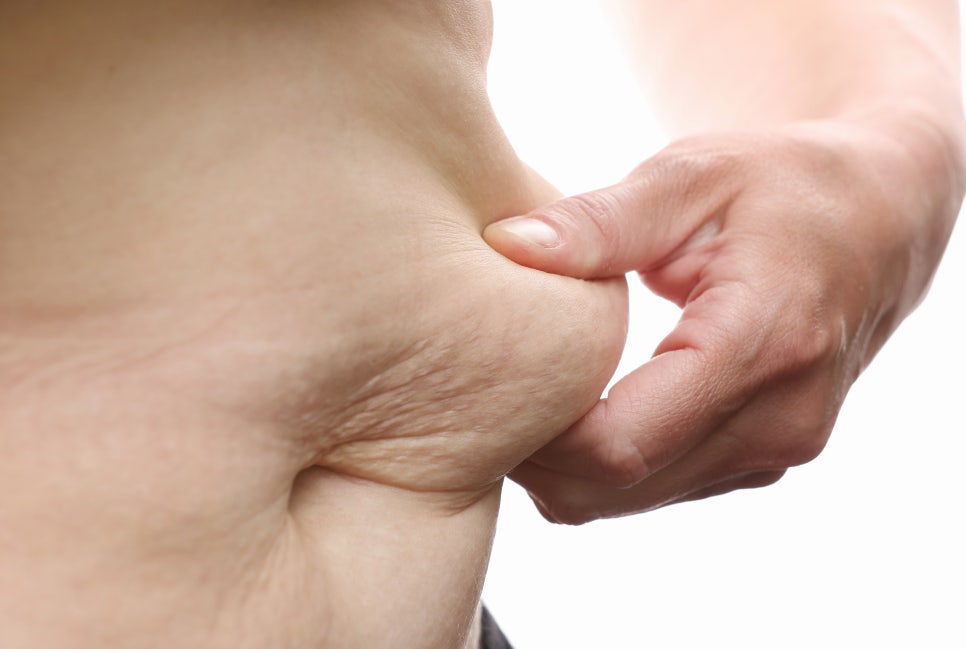
Stretch marks may often develop in areas where the skin has stretched considerably, such as the abdomen, thighs, buttocks, and inner arms. In particular, abdominal stretch marks after childbirth or thigh stretch marks left after rapid dieting may also be associated with reduced skin elasticity. Some people may even report that their skin texture appears rough or that makeup does not sit smoothly.
As such, stretch marks may be associated not simply with a linear appearance but also with changes in skin texture, so more detailed care may be important. With stretch marks, it may be important to consider not only color changes but also skin texture and reduced elasticity.
Why is lifestyle care important after stretch-mark treatment?

After a procedure, maintaining skin moisture and managing weight may also be important. This is because sudden weight changes may be associated with the development of new stretch marks. In addition, during the period when skin regeneration is taking place, avoiding irritating friction and excessive exposure to ultraviolet rays may be helpful.
It is also sometimes discussed that maintaining adequate fluid intake and a protein-focused diet may be associated with skin recovery. With stretch-mark care, post-procedure skin recovery management may also be important.
Why is checking each person's skin condition
more important when stretch marks are old?
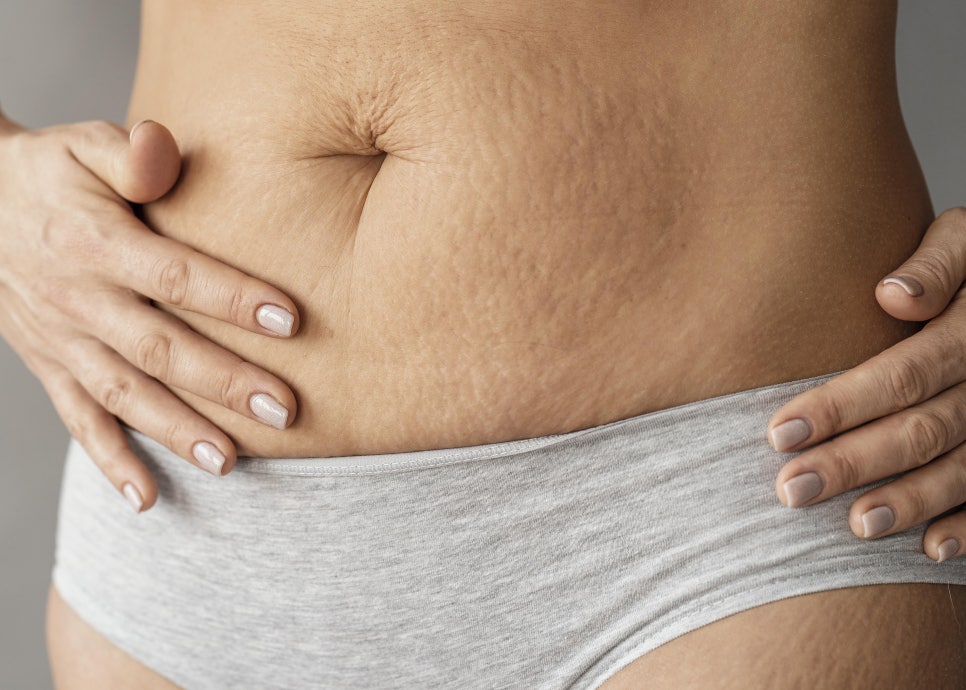
Even for stretch marks of the same type, the care approach may vary depending on their depth and extent, as well as the condition of the skin's elasticity. Some people may expect improvement mainly for relatively mild stretch marks, while repeated care may also be considered when they are deep and widespread.
Therefore, rather than viewing the process simply as a “treatment to remove them,” it may be important to accurately assess the current skin condition and proceed with a tailored approach. A plan suited to the skin's condition may be important for stretch-mark care.
Stretch marks are easy to think of as something that will disappear naturally over time, but old white stretch marks may remain because they are associated with damage to the dermal layer of the skin. In particular, when changes in skin texture and reduced elasticity appear together, there may be cases where people feel that simple moisturizing care has limitations.
Recently, care methods that take skin regeneration and collagen activation into account have also been discussed, and Mirajet Care is sometimes mentioned as one such approach. This is because an approach that encourages a regenerative environment within the skin may consider both the improvement of stretch-mark traces and skin texture.
Above all, with old stretch marks, tailored care that considers the current skin condition, as well as the depth and extent of the stretch marks, may be more important than a uniform method. It is worth remembering that the key to stretch-mark care is not simply covering them up, but considering the recovery and regeneration of the damaged skin environment together to create a more natural and smooth skin texture.