Many people worry that the areas on both sides of their mouth look noticeably bulged whenever they look in the mirror, that their jawline has become less defined, and that their face looks heavy overall. In particular, if your face looks saggy or you are told that you look older than your actual age even though you have not gained much weight, the effects of bulldog jowls may be a factor. Bulldog jowls are not caused simply by an excess of fat; they are one of the typical signs of aging resulting from the combined effects of aging in the skin, fat, muscles, and ligaments.
Therefore, they often cannot be resolved with dieting or massage alone. It is important to identify the cause accurately and then choose an appropriate management method.
Why Do Bulldog Jowls Develop?
Bulldog jowls develop as the tissues around the buccal fat area beside the mouth and the jawline sag downward. When you are young, skin elasticity and ligament support are sufficient to keep facial fat in its original position. However, as you age, collagen and elastin decrease, and the retaining ligaments loosen, causing the fat layer to move downward.
In particular, sagging buccal fat creates a bulging shape on both sides of the mouth. As the definition of the jawline is lost, the characteristic appearance of bulldog jowls develops. When reduced skin elasticity is added to this, the lower face looks even heavier and more sagging.
Why Do Bulldog Jowls Remain Even After Simply Losing Weight?
Many people consider bulldog jowls to be facial fat and try dieting, but often see less improvement than expected. In fact, excessive weight loss can reduce facial volume and make sagging skin more noticeable.
This is because bulldog jowls are often more a problem of where the fat has shifted downward than of the fat itself. Therefore, simply reducing fat has limitations, and it is necessary to consider how to improve the sagging tissues. In many cases, reduced skin elasticity and tissue sagging are the main causes, rather than simple fat accumulation.
Can the Treatment Method Vary Depending on Facial Structure?

Not all bulldog jowls develop for the same reason. In some people, the buccal fat is excessively developed, while in others, significantly reduced skin elasticity may make sagging more prominent.
In some cases, fat along the jawline is the cause. In others, the cheek fat beneath the cheekbones may descend and create an appearance similar to bulldog jowls. Therefore, it is important to establish a customized treatment plan after comprehensively analyzing facial structure, fat distribution, and skin condition.
Can Lifting Treatments Help When Skin Elasticity Has Declined?
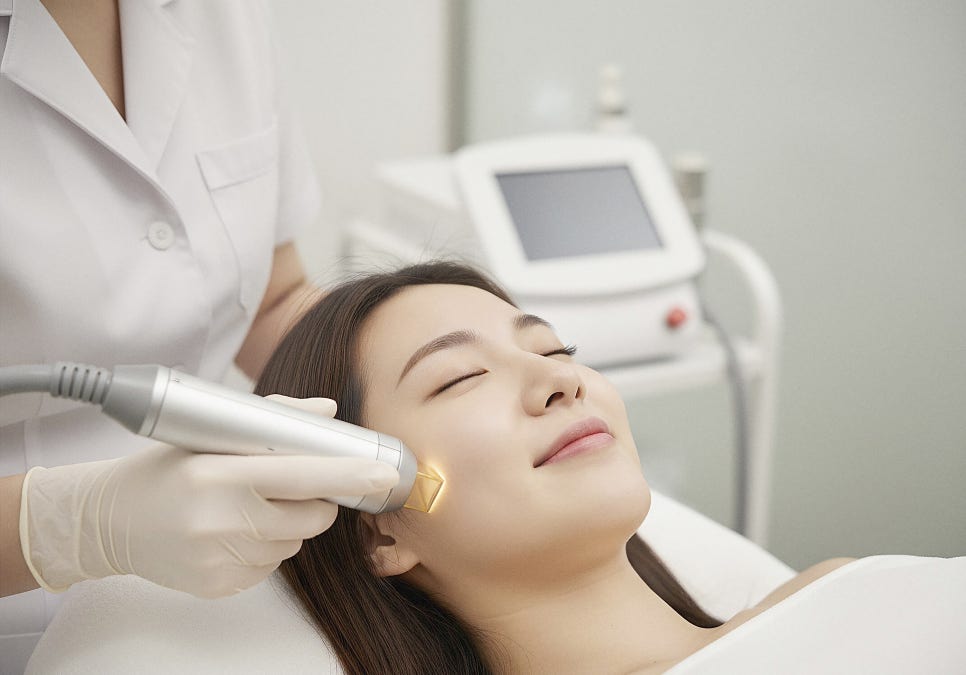
For early-stage bulldog jowls, nonsurgical methods such as radiofrequency lifting or ultrasound lifting may be considered. These treatments can help improve elasticity by stimulating collagen regeneration within the skin and may help lift sagging tissues.
Especially when sagging is just beginning, relatively natural improvements may be expected, and a quick return to daily activities is another advantage. However, when sagging is severe, it may be difficult to achieve satisfactory changes with lifting alone.
If Fat Is the Cause, May Fat Removal and Contouring Be Necessary?
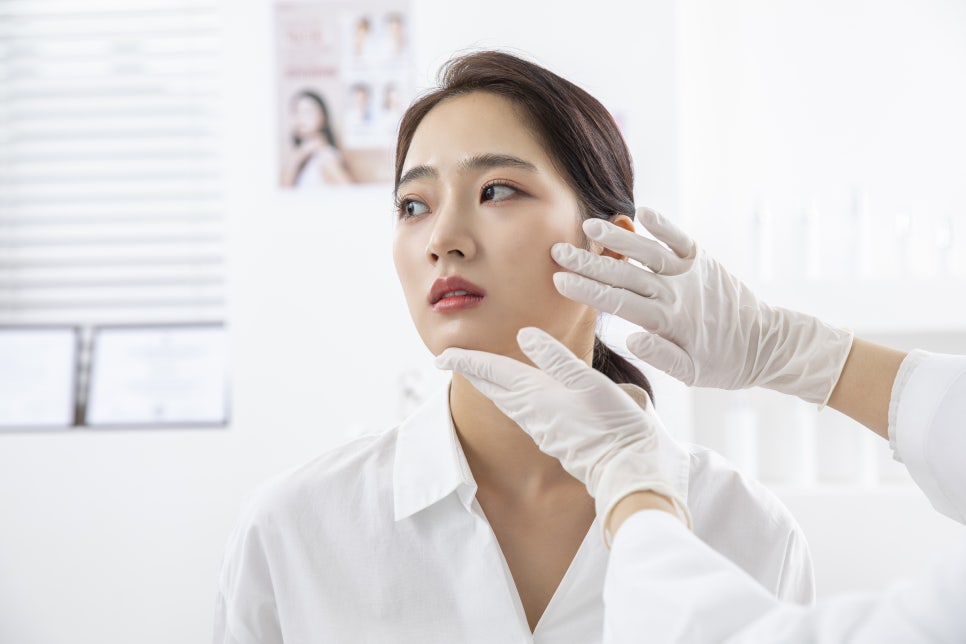
When excessive fat has accumulated in the bulldog jowl area or the buccal fat is substantially developed, fat removal may be considered. Buccal fat removal or facial liposuction may help reduce unnecessary fat and create smoother facial contours.
However, removing a large amount of fat does not necessarily lead to a good result. Excessive fat removal can instead create an aged appearance, so it is important to plan while considering facial balance and volume. Improving bulldog jowls requires a design that considers the proportions and contours of the entire face rather than simple removal alone.
Is a Facelift Sometimes Considered When Sagging Is Severe?
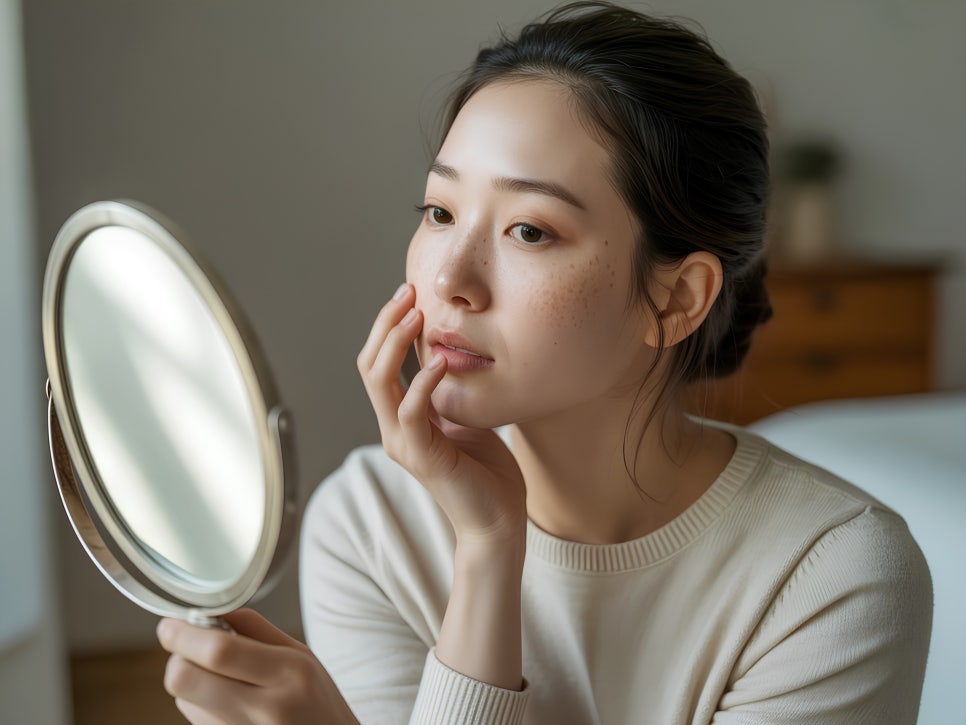
For moderate to severe bulldog jowls, pulling only the skin surface may have limited effectiveness. In such cases, a facelift that corrects both the sagging SMAS layer and the skin tissue may be helpful.
A facelift is not performed simply by tightening the skin; it involves repositioning tissues that have descended downward to their original location. Therefore, it may provide improvements in jawline definition, bulldog jowls, and lifting of the lower face at the same time.
Why Is Lifestyle Management Also Important for Slowing the Aging Process?
Because bulldog jowls are an aging-related change, lifestyle management is also important. Reducing exposure to ultraviolet rays, drinking enough water, and maintaining regular sleep can help maintain skin elasticity. In addition, sudden changes in weight can worsen skin sagging, so it is advisable to maintain a healthy weight consistently.
The habit of resting your chin on your hand or chewing only on one side can also affect facial balance, so correcting these habits may be helpful.
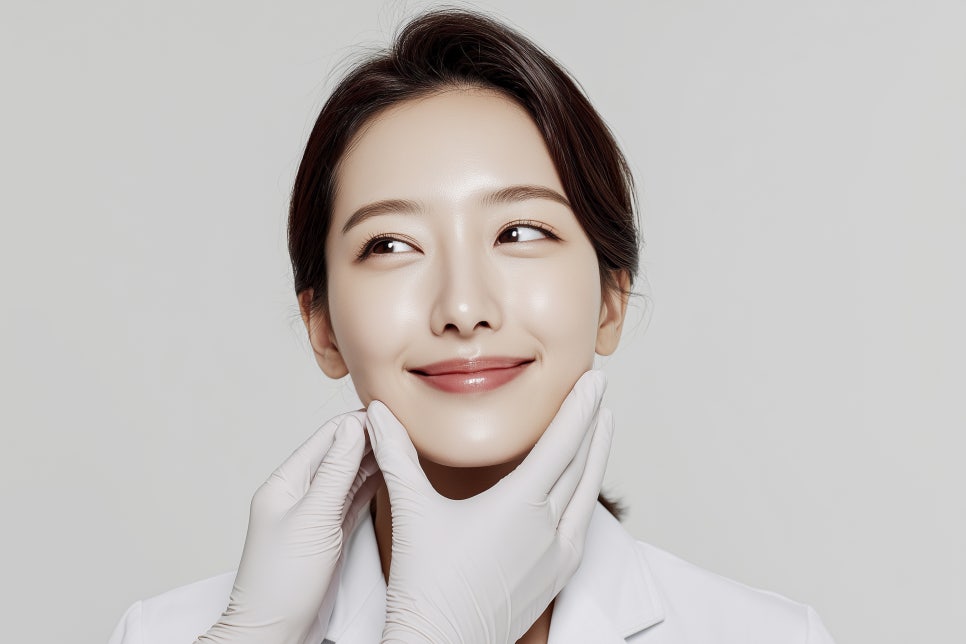
Bulldog jowls that bulge beside the mouth are not simply a problem caused by weight gain. They are an aging-related change caused by the combined effects of reduced skin elasticity, the downward movement of fat, and weakened retaining ligaments. Therefore, rather than removing fat unconditionally or choosing only one method, it is important to accurately analyze the current condition of the face and the degree of aging.
The appropriate method may vary depending on whether improved skin elasticity, fat control, or lifting is needed. A customized approach for each individual may be the key to achieving natural-looking results and greater satisfaction.