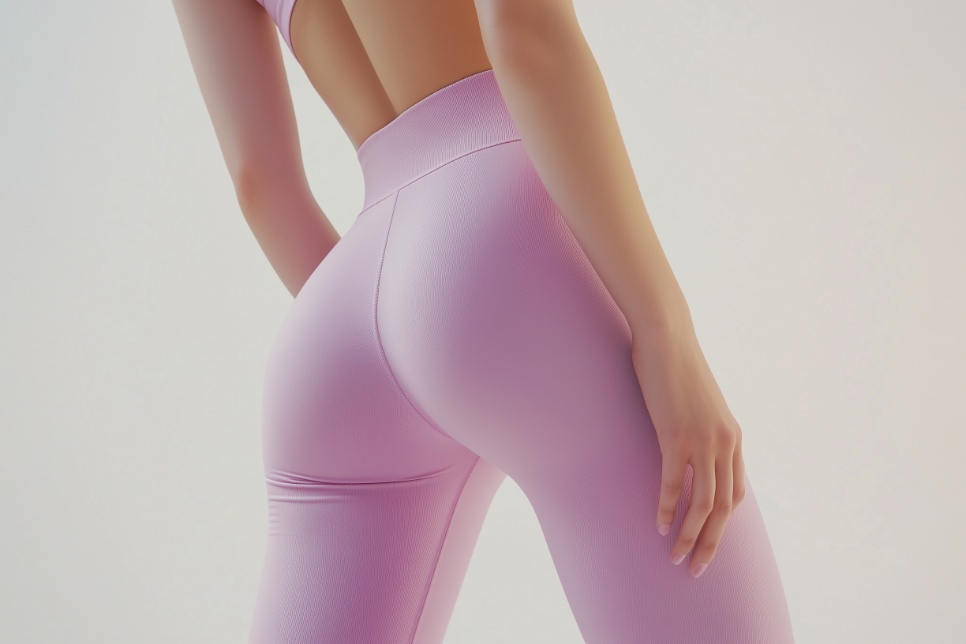
The uneven indentation along the sides of the pelvis that becomes noticeable whenever you wear leggings.
From the anatomical causes that are difficult to resolve through exercise alone,
we take an in-depth look at body-shape changes associated with aging and ways to correct the body line using fat grafting and dermal tissue.
| Contents |
|---|
| 1. A very natural phenomenon created by skeletal structure2. Caution: Lower-body firmness that declines rapidly after age 353. Medical volume enhancement as an alternative to excessive exercise |
Many people feel stressed because, although their gluteal muscles seem to become pumped up, the side line where the thighs begin just below the pelvic bones appears deeply indented when they put on tight leggings or thin slacks.
After following various glute exercise videos on YouTube in an attempt to fill this indented area without seeing a clear change, many search the internet, happen to learn what hip dips are, and only then realize the fundamental cause of their body shape.
- A very natural phenomenon created by skeletal structure
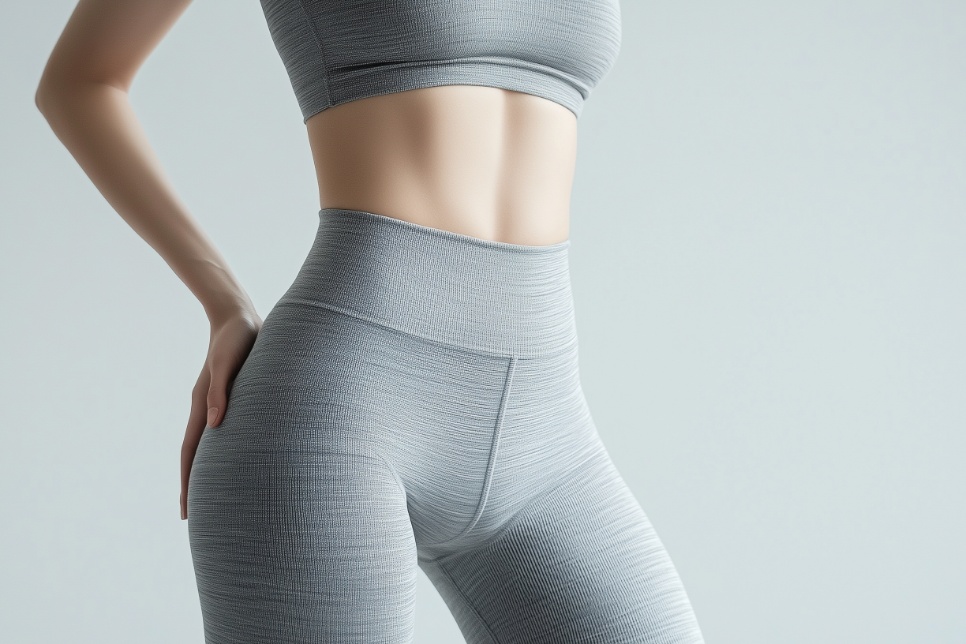
From a medical and anatomical perspective, hip dips refer to the appearance of the skin sinking inward due to the empty space between the prominent ilium—the pelvic bone below the waist—and the femur that forms the thigh.
They are also called violin hips because they resemble the narrow waist of a violin.
These side indentations can appear in anyone as an entirely normal aspect of human anatomy, depending on the spacing between the bones, the points where muscles attach, and the naturally determined distribution of subcutaneous fat.
In other words, they are not a defect caused by weight gain or a lack of exercise, but an individual line created by the skeletal structure. There is no need to blame yourself or try to resolve them through excessive dieting.
- Caution: Lower-body firmness that declines rapidly after age 35
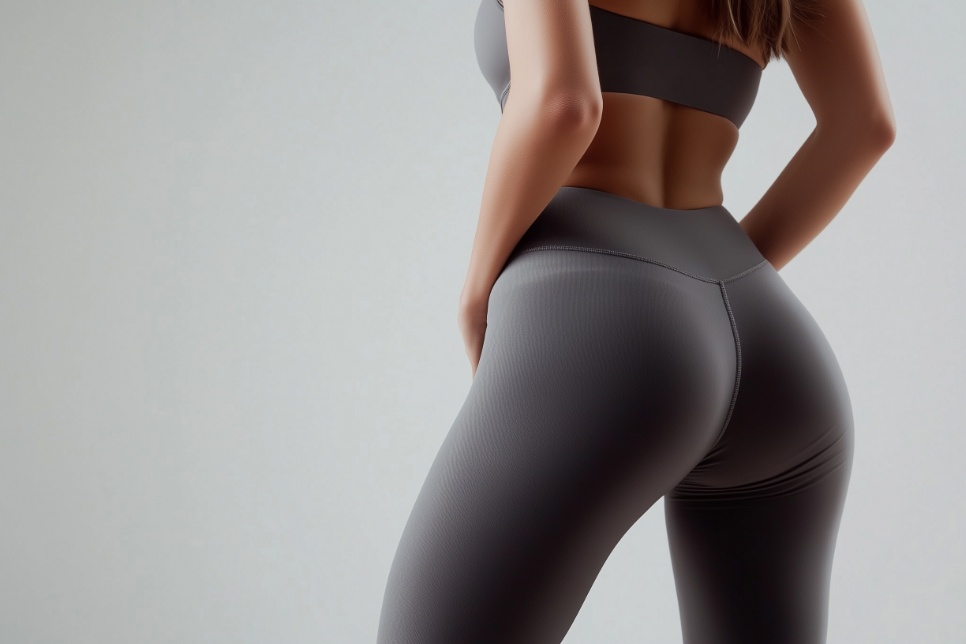
Even people who had an attractive body line in their 20s and 30s, with broad hips and a fuller lower body despite having a relatively slender upper body, may experience rapid changes in body shape beginning around age 35.
As people age, collagen in the body decreases and the amount of subcutaneous fat around the buttocks declines, causing skin firmness to noticeably decrease.
During this period, some people make the mistake of undergoing liposuction alone because they are self-conscious about protruding outer-thigh fat or the size of their buttocks, without understanding what hip dips are.
If volume is removed excessively while firmness has already declined, there is a significant risk that the skin will sag severely, taking on the appearance of a deflated balloon.
Therefore, as you enter middle age, you should consider not only reducing size but also restoring overall firmness and redistributing volume.

- Medical volume enhancement as an alternative to excessive exercise
Now that you understand that hip dips are not simply the result of obesity or a lack of exercise, you may consider a more efficient medical approach to addressing this concern.
This is because the structural space created by the bones cannot be filled completely, no matter how much muscle you build.
Recently, in the field of body contouring, autologous fat grafting—harvesting fat from unnecessary areas such as the abdomen or thighs and grafting it into the indented sides of the pelvis—has been receiving high satisfaction ratings.
If you have a slim body type and do not have enough fat to harvest, an approach using allogeneic dermis, which is similar to human tissue, or a hybrid method combining implants and fat grafting may be used to create a natural, fuller pelvic line without a foreign-body sensation.

Comparison of customized approaches for a smooth body line
It is important to choose an appropriate corrective method based on your skin firmness, the amount of remaining fat, and the pelvic shape you want.
| Corrective method | Core principle and mechanism | Main target and recommended candidates |
|---|
| Targeted strength training | Prevents sagging around the area by strengthening the gluteus medius | Those with mild indentations who want to maintain firmness |
| Autologous fat grafting | Harvests excess fat and fills the indented area | Those who want to address both excess fat, such as outer-thigh fat, and indentations |
| Allogeneic dermis / hybrid method | Supplements insufficient volume with biocompatible materials | Those with a slim body type or who want to enlarge the pelvic area |

So far, we have explored what are often vaguely viewed as a source of concern—hip dips—and various alternatives that may address them at their root.
If you have been concerned that the broken pelvic line makes clothes fit and look less flattering whenever you look in the mirror, we recommend consulting an experienced medical professional rather than simply increasing the number of squats and overburdening your joints.
Through an analysis of your body shape, you may be able to restore lost firmness and create a confident-looking back profile.