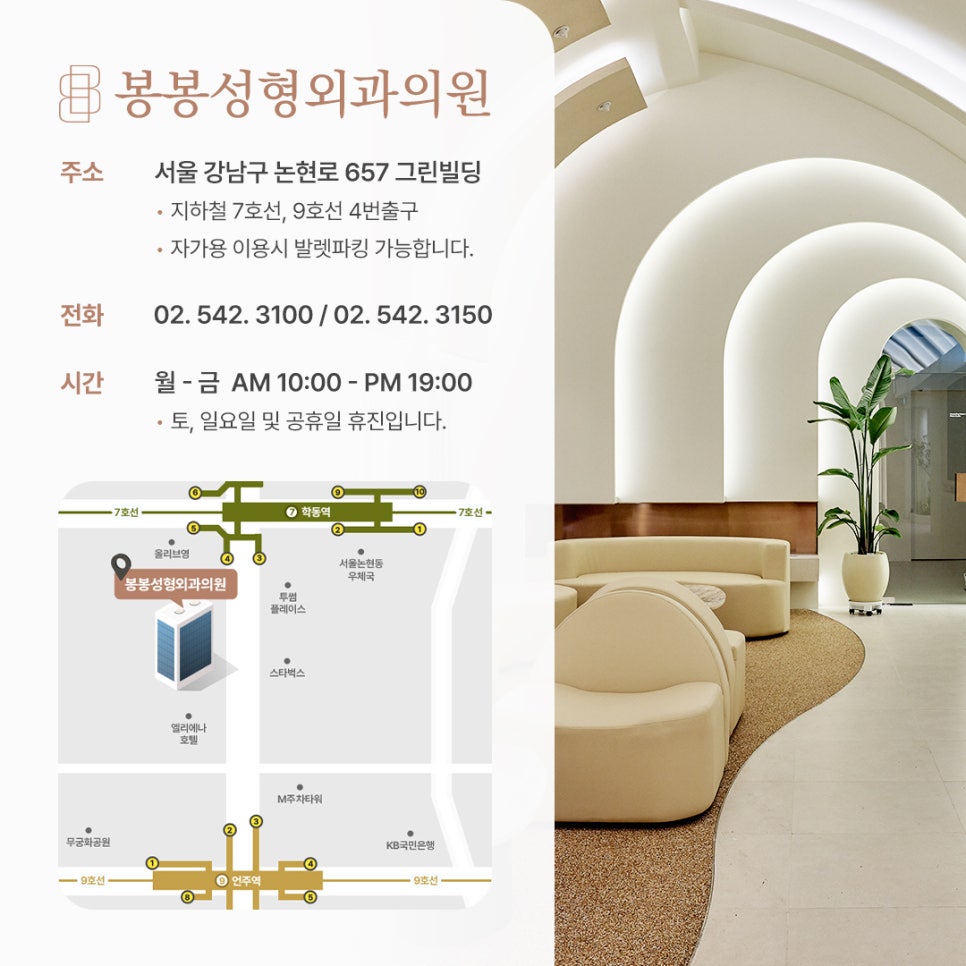
The eyes are one of the important areas that determine the overall impression of the face, and the appearance can change significantly depending on whether a double-eyelid crease is present and what form it takes. Many people consider double-eyelid surgery to achieve more defined, clear-looking eyes or improve a sleepy appearance. However, during a consultation, many find themselves wondering which method is more suitable: the non-incisional method or the incisional method. Both methods have the common purpose of creating a double-eyelid crease, but they differ in how the surgery is performed, who they are suitable for, and the recovery process.
Therefore, rather than simply choosing the method that is commonly used by people around you, it is important to consider the condition of your eyelids and the type of appearance you want. The key to double-eyelid surgery is not following a popular crease design, but choosing a method suited to your individual eye structure.
Double-Eyelid Surgery Method: Non-Incisional Method
A method that creates a natural crease through small incisions
The non-incisional method creates a double-eyelid crease by making small openings in the eyelid and using sutures to connect the skin with the inner eyelid tissue, without making a large incision in the skin. Because the area of skin incision is limited, recovery is relatively short and swelling tends to subside quickly. This method is also often considered by people who want a natural-looking double-eyelid crease, and it may be suitable when the eyelid skin is thin and there is little fat.
However, if the eyelids are significantly droopy or the skin is thick, it may be difficult for the desired crease to remain stable, so a thorough consultation is necessary. The non-incisional method is an option to consider when you want a natural change and a relatively quick recovery.
Double-Eyelid Surgery Method: Incisional Method
A method that creates a defined crease by directly adjusting the skin and tissue
The incisional method involves making an incision where the double-eyelid crease will be created, adjusting unnecessary skin, fat, muscle, and other tissues as needed, and then suturing the area. Since the surgery is performed while directly examining the eyelid structure, one advantage is that correction can be tailored to the condition of the eyes. In particular, the incisional method may be considered when the eyelid skin is thick, there is a significant amount of fat, or the eyelids are droopy, as well as when a more defined change in the appearance of the eyes is desired.
Recovery may take relatively longer than with the non-incisional method, but its range of use is broad because adjustments can be made according to the eye structure. The incisional method does not simply create a crease; it also allows the eyelid tissue to be adjusted.

What Is the Biggest Difference Between the Non-Incisional and Incisional Methods?
Both methods are surgeries that create a double-eyelid crease, but they differ in their approach.
| Category | Non-incisional method | Incisional method |
|---|
| Surgical method | Sutures are used for fixation through small openings | Tissue is adjusted and sutured after making an incision in the skin |
| Scarring | Relatively less noticeable because the incision area is small | An incision line may remain, but it may become less noticeable over time |
| Recovery period | Relatively short | Relatively longer than with the non-incisional method |
| Suitable candidates | Thin eyelids with little skin drooping | Skin drooping, excess fat, thick eyelids, and similar conditions |
| Scope of correction | Limited | A wider range of tissue adjustments is possible |
Ultimately, what matters is not that one method is universally better, but choosing the surgical method suited to the current condition of the eyes. Since the non-incisional and incisional methods each have different advantages, an individualized choice is necessary.
The Double-Eyelid Crease May Differ Depending on Eyelid Thickness and Fat Volume
The reason results can differ from person to person even with the same double-eyelid surgery is that everyone has a different eyelid structure. The appropriate height and shape of the crease may vary depending on the thickness of the eyelid skin, the amount of fat, the strength of the muscles that open the eyes, and the balance between the two eyes.
For example, when the skin is thin and there is little drooping, the non-incisional method may provide a natural change. When the eyelids feel heavy or are droopy, the incisional method may help create a more stable crease. An attractive double-eyelid crease is not necessarily a high crease, but one that harmonizes with the face.
The Consultation Process Is Important for a Natural-Looking Appearance

When deciding on double-eyelid surgery, many people refer to the eyes of celebrities or a particular design. However, even when the same crease is applied, the result may differ depending on the size of the eyes, the distance between them, facial proportions, and the characteristics of the eyelids. Therefore, before surgery, it is necessary to analyze the desired image together with the current condition of the eyes.
It is also important to determine whether additional improvements, such as correction of the eye shape or adjustment of fat, are needed beyond simply creating a double-eyelid crease. Finding a design and surgical method suited to the individual is the most important process for improving satisfaction.
Postoperative Care Is Also Important for a Natural-Looking Result
The results of double-eyelid surgery can be affected not only by the surgical method but also by the postoperative care process. Swelling and bruising may occur in the early stages after surgery, and the recovery process may vary depending on an individual’s skin condition and lifestyle. After surgery, it is advisable to care for the area around the eyes according to the medical team’s instructions and avoid activities that place strain on the eyes during the recovery period.
In particular, since the final result has not yet been established in the early stages, it is necessary to allow sufficient time for the swelling to subside. Rather than judging the result based only on how it looks immediately after surgery, the recovery process should also be taken into account.
Double-Eyelid Surgery Requires Consideration of Both Eye Function and Harmony
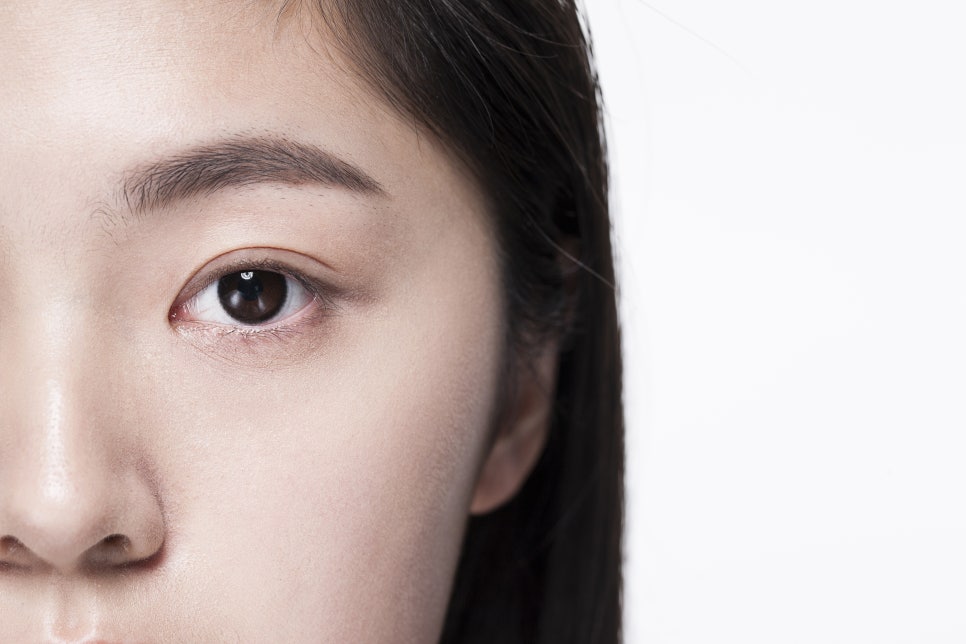
It is easy to think of double-eyelid surgery as a procedure intended simply to change one’s appearance, but it is a delicate process that also requires consideration of the eyelid structure and function. If the strength used to open the eyes is weak or the eyelids are droopy, it may be necessary to evaluate overall eye function rather than simply creating a double-eyelid crease.
Therefore, it is important to check the condition of your eyes through a thorough consultation before surgery and determine the appropriate method. Attractive-looking eyes are created through balance and natural harmony, not simply through size.

The non-incisional and incisional methods are different types of double-eyelid surgery with distinct characteristics, and neither one can be the right answer for everyone. To expect a natural and stable result, it is necessary to consider the thickness of the eyelids, the amount of fat, the degree of drooping, the desired image, and other factors as a whole.
What matters is not making a quick decision, but accurately understanding your eye structure and establishing an appropriate surgical plan. Because double-eyelid surgery can create a significant difference in one’s impression through a small change, sufficient consultation and individualized planning are necessary.