A square jaw is characterized by an angularly developed jawline that creates an overall strong and broad impression. However, in many cases, it is not simply a matter of bone structure. Muscles, fat, and lifestyle habits can also work together to make the jaw appear more prominent. In particular, when the jaw muscles are excessively developed or fat is concentrated in the lower face, the face may look wider than the actual bone structure suggests.
In addition, teeth grinding and habits such as clenching the teeth can promote the development of the jaw muscles. A square jaw is not caused by a single factor, but is a complex phenomenon in which multiple elements work together to alter the facial contours.
Common Causes of a Square Jaw

The causes of a square jaw can generally be divided into three categories.
The first is the structural development of the mandibular angle, or jawbone. When the jawbone is naturally well developed, the lower face may appear broad.
The second is excessive development of the masticatory muscle, or masseter muscle. Frequently chewing gum or clenching the teeth can develop the muscles and make the jaw appear more angular.
The third is fat accumulation. When there is a significant amount of fat in the lower face, the jawline may appear less defined and the face may look broader.
A square jaw is a structural issue that may be influenced by the bones, muscles, and fat individually or simultaneously.
Characteristics of a Square Jaw Caused by Bone Structure
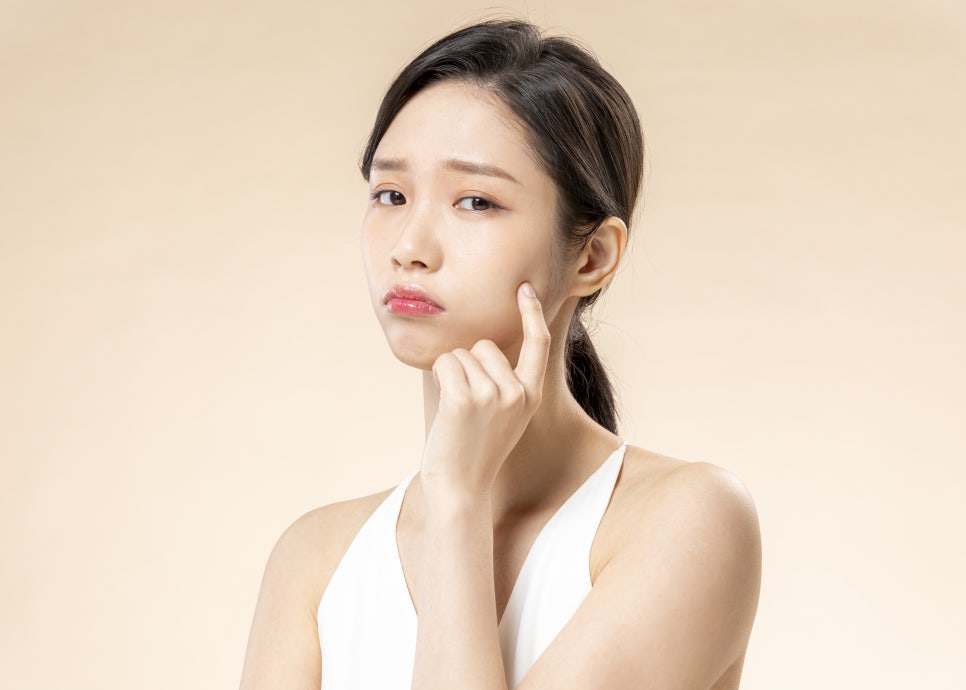
When the mandibular angle is well developed, the lower face takes on a generally broad and angular shape. In this case, the bone structure itself has a greater influence than the muscles or fat, so improvement through simple management alone may be limited. However, because the degree of bone development and the overall facial proportions vary from person to person, not everyone with a square jaw has the same shape. A square jaw caused by bone structure is an important factor that determines the basic form of the facial contours.
Characteristics of a Square Jaw Caused by Muscle Development
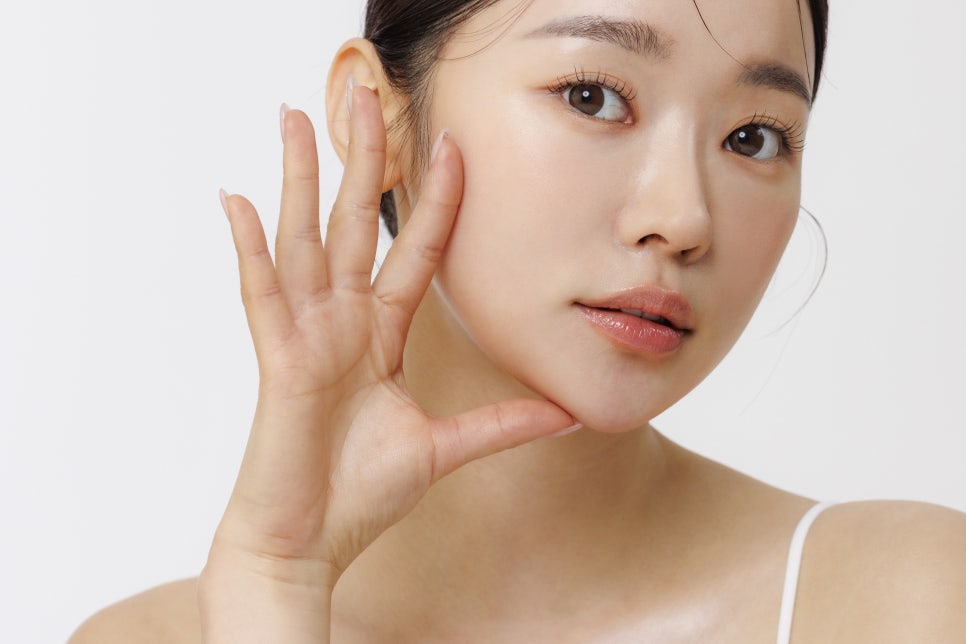
When the masseter muscles are well developed, the sides of the face may appear thicker and the jawline may look less defined. This is often associated with chewing habits, teeth grinding, and stress. In such cases, reducing muscle use or considering specific procedures to reduce muscle size may be options. Improving lifestyle habits also plays an important role. A muscle-related square jaw is a type that may respond to habit correction and nonsurgical methods.
When Fat Makes a Square Jaw Appear More Prominent

When fat accumulates in the lower face, the jawline may become less defined and the face may appear broader overall. In this case, changes in body weight and swelling management may have an effect, and in some cases, procedures to reduce fat may be considered. In particular, when the boundary between the jawline and neck appears unclear, fat is more likely to be a significant contributing factor. A fat-related square jaw is one of the major causes of blurred facial contours.
Ways to Improve a Square Jaw

The approach to improving a square jaw should vary depending on its cause. When bone structure is the cause, contouring surgery may be considered. When muscles are the cause, muscle-reducing procedures such as Botox may be used. When fat is the cause, fat-reduction procedures or lifestyle improvements may be helpful.
The key to improving a square jaw is to accurately distinguish the cause and choose a method appropriate for it.
Differences Between Nonsurgical and Surgical Methods
Nonsurgical methods have the advantage of improving the jawline relatively simply, but their effects may be limited. Surgical methods, on the other hand, can produce more noticeable contour improvements through structural changes, but may require a recovery period. Therefore, the choice may vary depending on an individual’s condition and the extent of the desired change. The important thing is to choose a safe and sustainable method suited to the individual rather than seeking rapid changes.

A square jaw should not be viewed simply as an appearance-related issue involving an angular face. It may result from a combination of structural, muscular, and fatty factors. Therefore, it is important to distinguish the cause through an accurate assessment and choose an appropriate method. Rather than pursuing excessive changes, considering the balance of the entire face is essential to achieving a natural result. The goal of facial contour improvement is not simply to reduce angularity, but to create overall harmony.