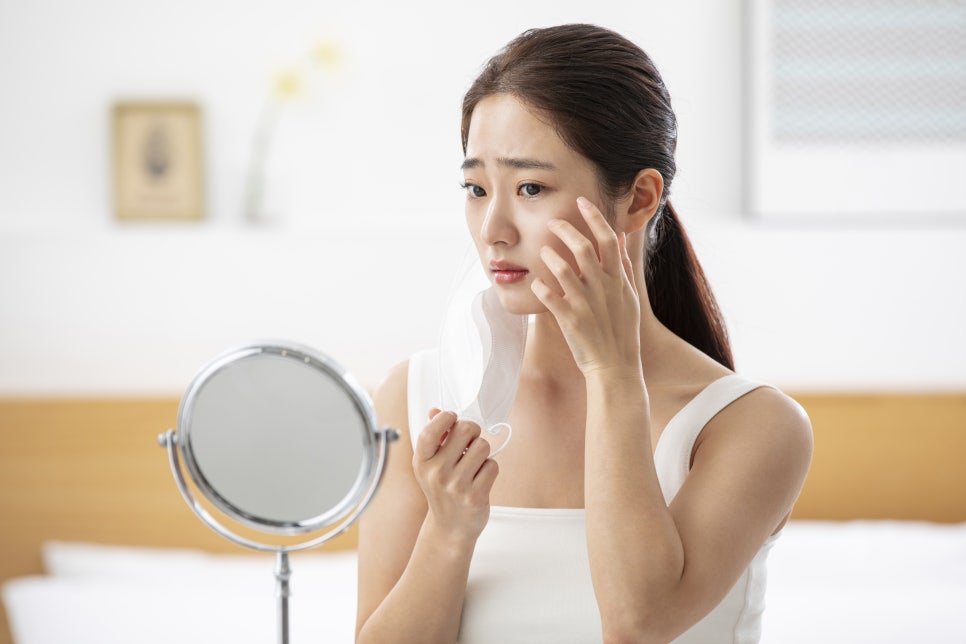
As time passes, decreased skin elasticity and loss of facial definition are natural parts of the aging process. In particular, after the age of 30, collagen and elastic fibers in the skin gradually decrease, which may cause the facial contours to look less defined or the jawline to become less distinct than before. Various factors, including weight changes, lifestyle habits, lack of sleep, and UV exposure, can also accelerate the loss of skin elasticity.
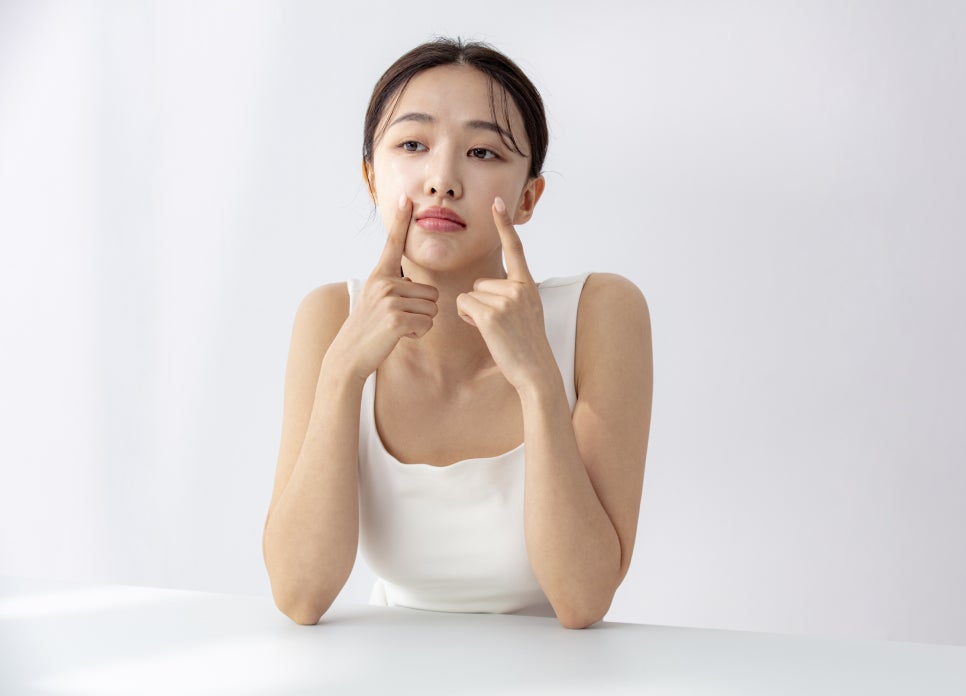
Because of these changes, lifting treatments that can improve skin elasticity and refine facial contours without incisions are receiving increased attention. Among them, #SerfLifting is known as a method that delivers energy from the skin’s surface to deeper layers to help improve elasticity, and it is one option considered by people who want natural-looking changes.
However, even with the same lifting treatment, the treatment area and the amount of skin stimulated may vary depending on the number of shots. Therefore, it is important to understand the difference between 300 shots and 600 shots accurately.
How does Serf Lifting improve elasticity?

Serf Lifting is a lifting treatment that uses radiofrequency energy to deliver thermal energy to the dermal layer and subcutaneous tissue. When heat stimulation is delivered inside the skin, existing collagen fibers may contract, creating a tightening sensation, and it may also help support the process of producing new collagen afterward.
One of the key causes of skin aging is a decrease in collagen. Collagen supports the structure of the skin and helps maintain its elasticity. As collagen production decreases with age, the skin may sag and wrinkles may become deeper.
Serf Lifting can be understood as a treatment that does more than care for the skin’s surface. It stimulates the elastic structures within the skin, with natural changes expected to develop over time.
When may Serf Lifting with 300 shots be suitable?
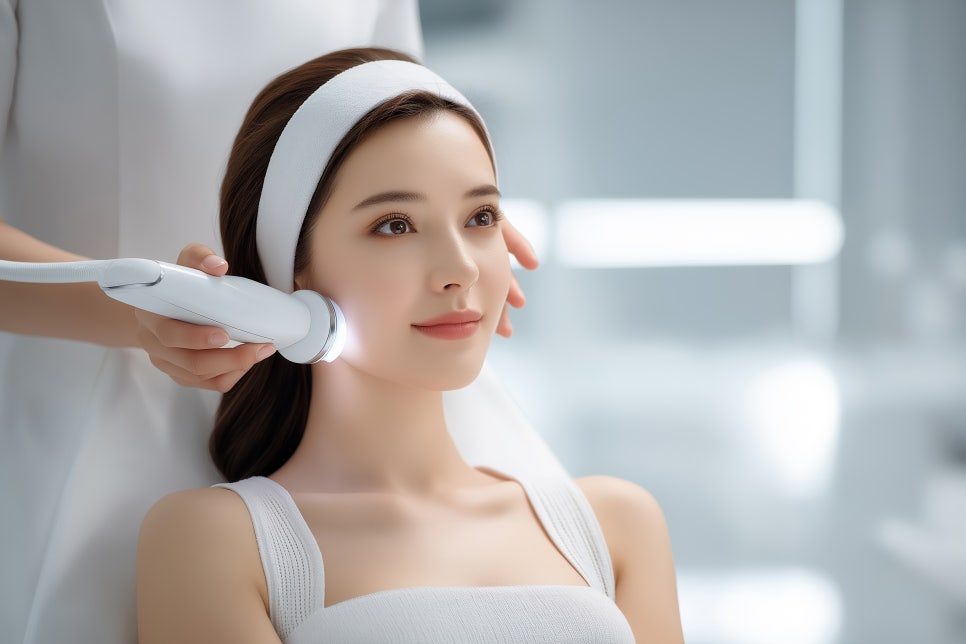
Serf Lifting with 300 shots is often considered for relatively small areas or when the loss of elasticity is not severe. It may be used when someone wants to improve specific areas, such as the jawline, cheeks, or double chin, rather than address sagging across the entire face.
For example, if your concerns include “My jawline has become less defined than before,” “The lower part of my face looks slightly heavy,” or “I am concerned about fine lines and reduced elasticity,” 300 shots may sometimes be enough to achieve noticeable changes.
However, the amount of energy needed may vary depending on skin thickness, fat volume, and the degree of sagging. Therefore, rather than deciding based solely on the number of shots, it is important to assess the current condition of the skin.
What is the difference with 600 shots of Serf Lifting?
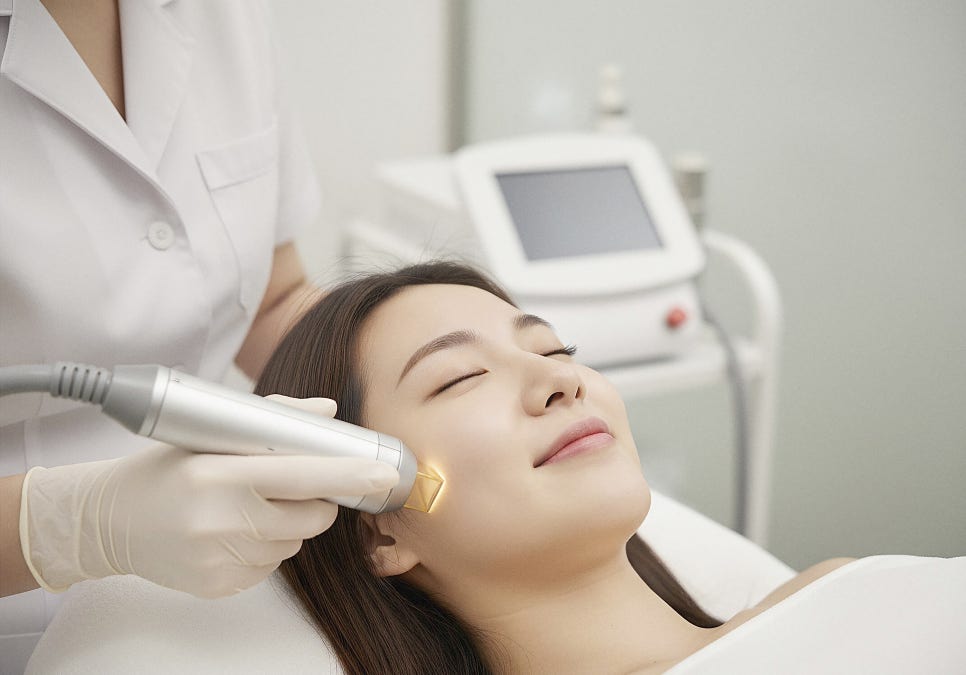
The main difference is that 600 shots can deliver energy across a wider area than 300 shots. It may be considered when there is reduced elasticity across the face, sagging cheeks, looseness beneath the chin, or a desire to improve the overall facial contours.
Especially when elasticity has decreased in several areas of the face at the same time, managing a wider area evenly may be helpful compared with focusing on only one specific area.
In other words, it is better to understand 600 shots not simply as twice the number, but as a different approach in terms of the treatment area and level of focus applied to the skin.
| Category | Serf 300 shots | Serf 600 shots |
|---|
| Treatment area | Partial elasticity care | Overall facial elasticity care |
| Recommended concerns | Jawline or sagging in a specific area | Sagging cheeks or overall facial aging |
| Treatment approach | Focused care | Wider-area care |
| Suitable for | Early loss of elasticity | Combined reduction in elasticity |
| Considerations | Additional treatment may be possible depending on skin condition | Skin thickness and degree of sagging need to be assessed |
Does a higher number of shots always mean better results?

Many people think, “If there are more shots, doesn’t that mean the effect will be stronger?” However, this is not necessarily the case. What matters in a lifting treatment is not simply the number of shots, but how the energy is delivered according to the condition of the skin.
When the skin is thin, the fat layer is small, or the concern is limited to a specific area, it is important to apply an appropriate treatment to the areas that need it rather than undergo excessive treatment.
Conversely, when there is an overall loss of facial elasticity or a wider area needs improvement, using a sufficient number of shots may be helpful.
Ultimately, what matters is not “doing more,” but “proceeding in a way that suits your skin.”
What changes and aftercare can be expected after Serf Lifting?
After Serf Lifting, you may notice a tightening sensation or improved elasticity. As the collagen regeneration process continues, gradual changes may appear over time.
After treatment, sufficient moisturizing care and sun protection are important to reduce skin irritation. During the skin recovery process, it is also advisable to avoid excessive heat stimulation or vigorous massage. The lifting effect may vary depending on an individual’s skin condition, lifestyle habits, and degree of aging.
Want a natural-looking lifting effect?

Serf Lifting is receiving considerable attention because it can help manage skin elasticity without incisions. However, it is not applied in the same way to everyone.
This is because the required number of shots and treatment approach may vary depending on facial shape, skin thickness, fat distribution, and the location of sagging. Even with the same 300 or 600 shots, the results may differ depending on which areas are treated and how the treatment is applied.
If you want naturally youthful-looking facial contours, accurately assessing your current skin condition should come before choosing the number of shots.
Serf Lifting with 300 shots and 600 shots can be understood as differing not simply in number, but in the treatment area and approach to skin care. If you are concerned about a minor loss of elasticity, a focused treatment approach may be suitable. If you are concerned about sagging across the entire face, care over a wider area may be needed.
Therefore, rather than automatically choosing a higher number of shots, it is important to make a plan based on your current skin condition and the type of improvement you want. The key to lifting is not creating an intense change, but achieving natural-looking improvements in elasticity that suit your face.