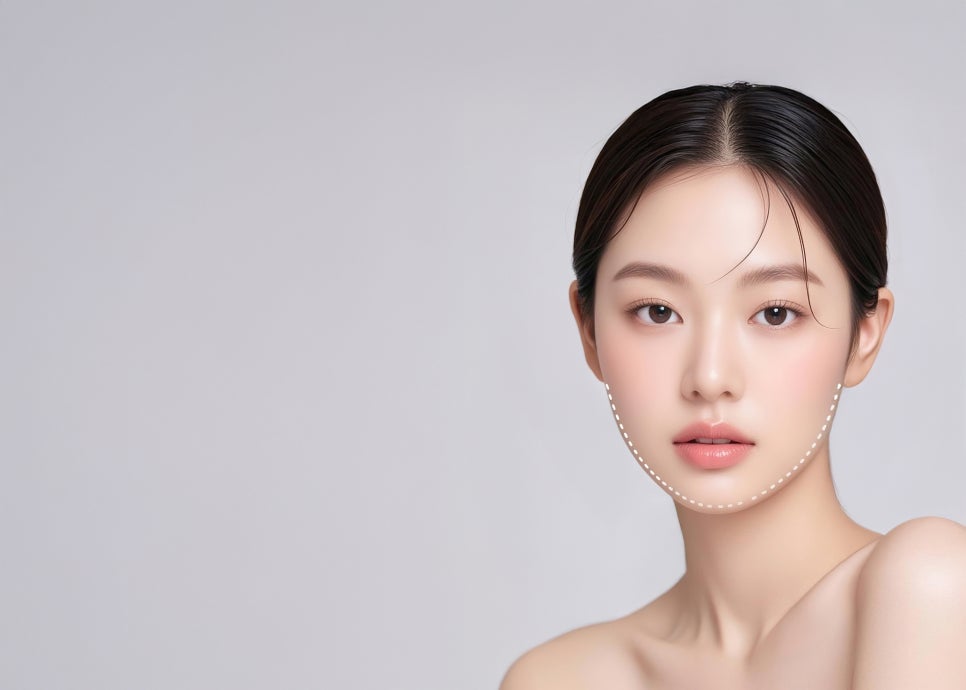
One of the factors that determines a person's first impression is the overall balance and contour of the face. Even with the same eyes, nose, and mouth, the overall impression can look different depending on the face shape. Some people give off a soft impression, while others convey a more defined and strong image.
Face shape does not simply refer to the size of the face. It is formed through the harmony of various elements, including the cheekbones, jawline, volume, facial length and width, and skin elasticity.
Recently, rather than pursuing an unconditionally smaller face, it has become more important to understand the characteristics of one's face shape, compensate for areas that need improvement, and enhance one's strengths through a natural approach. In particular, when the facial contour looks uneven or the jawline appears indistinct, improvement may be difficult through weight changes alone, making it important to accurately identify the cause.
Learning About the Main Types of Face Shapes and Their Characteristics

Face shapes can generally be divided into several types, each with its own visible characteristics.
✔ Oval face
Known as the most balanced shape, an oval face is characterized by natural proportions between its width and length and a soft jawline. The transitions between the forehead, cheekbones, and jaw are natural, often creating an overall soft impression.
✔ Round face
This shape has a similar facial width and length, along with volume in the cheeks. Although it can create a youthful appearance, the face may look wider if weight accumulates in the face or the jawline becomes less defined.
✔ Long face
This shape is relatively longer vertically. It may make the facial contours look slim, but in some cases it can also create a tired or older-looking impression.
✔ Angular face
This shape has prominent jawline or cheekbone contours. It can create a clear and strong image, but concerns about the face looking wider may arise due to developed jaw muscles or skeletal structure.
The important point is not that one particular face shape is good or bad, but whether the proportions and overall harmony of the face look natural.
Why Does the Face Shape Appear to Change?

Many people feel that their face shape has changed compared with when they were younger. This is not simply because of aging; it occurs because several changes appear together.
The main causes include:
In particular, as skin elasticity decreases with age, the tissues around the cheeks and jaw may shift downward, making the facial contours look less defined. In addition, repeatedly leaning the head forward while using a smartphone can disrupt the balance of the muscles around the neck and jaw, causing the area beneath the chin to appear looser.
Why Is Dieting Alone Not Enough to Improve Face Shape?
When people become concerned about their face shape, many try dieting first. While weight loss may help reduce the overall amount of facial fat, it is difficult to reduce fat selectively in only the desired areas. For example, if the concern is fat beneath the chin or sagging cheeks, that area may not change significantly even after losing weight.
In addition, the face is strongly influenced not only by fat but also by skin elasticity, muscles, and skeletal structure, so weight loss alone may have limitations. The key to creating smoother facial contours is not simply “losing weight,” but identifying the causes that shape the face.
5. What Factors Interfere with Smooth Facial Contours?

One of the main reasons the face may look larger or uneven is a change in the jawline. When fat accumulates beneath the chin or the skin sags, the boundary between the face and neck becomes less distinct, which can create an overall heavy impression.
In addition, when the cheek fat moves downward, nasolabial lines or wrinkles around the mouth may become more pronounced, making the face look older. These changes may be difficult to improve through simple massage or routine care alone, so both the condition of the skin and the distribution of fat should be considered.
How Can Face Shape Be Improved?

Methods for improving face shape vary depending on the area of concern and its cause. For example, the approach differs when excess facial fat is the cause from when sagging skin is the cause. Management methods may include improving lifestyle habits, caring for skin elasticity, and managing overall body shape. Medical methods may also be considered if necessary.
In facial contour management, the following areas are typically considered together:
Rather than applying just one method, analyzing the cause of the face shape and creating an individualized plan is key to achieving natural changes.
What Should Be Considered for a Natural Face Shape?

The most important point in improving face shape is not simply following the standard of having a “small face.” The facial proportions that suit each person are different, and a natural image is determined by the balance between the cheekbones, jaw, and volume.
Rather than unconditionally reducing a particular area, considering overall harmony may lead to greater satisfaction. In addition, because the face is an area with frequent changes in expression, it is important to consider natural movement and facial expressions as well.

Face shape is influenced not only by inherited skeletal structure but also by various factors such as fat, skin elasticity, and lifestyle habits. Therefore, if you want to improve your facial contours, you need to determine what has caused your face to change rather than simply trying to lose weight.
A beautiful face shape is not based on a fixed standard; it is achieved through a form that harmonizes with each person's facial proportions. If you are concerned about your face shape, accurately identifying your individual characteristics and naturally addressing the areas that need improvement may be a way to create smoother and more balanced facial contours.