How to Manage and Conceal Under-Eye Sagging
For Effective Improvement
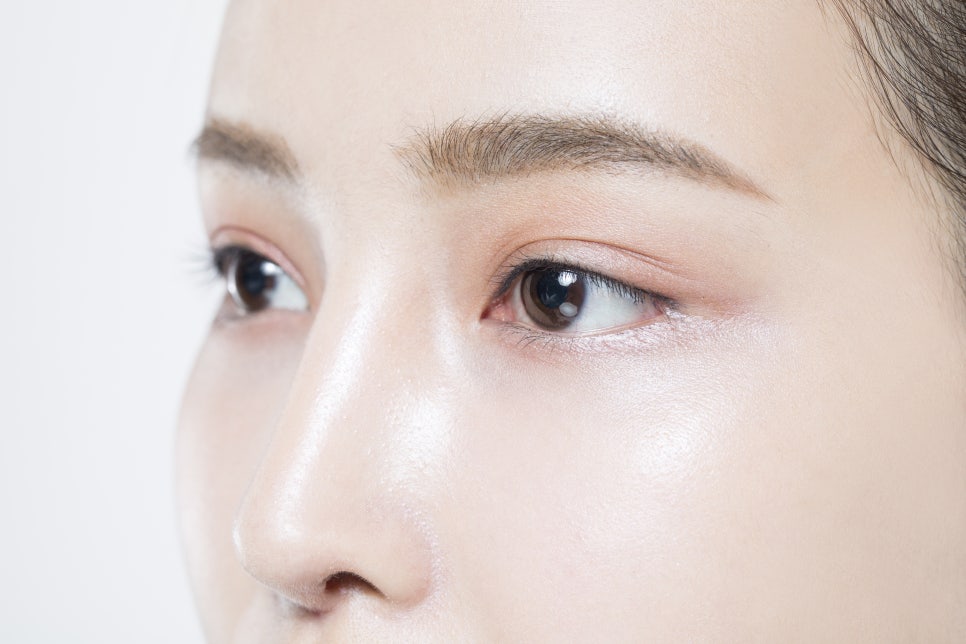
As we age, one of the first areas where we notice changes is the area around the eyes. In particular, because the skin beneath the eyes is thin and constantly moving, it may lose elasticity or begin to sag more quickly than other areas. If people tell you that you “look tired,” “look older,” or “seem to have a gloomy expression” even when you get enough sleep and are not feeling tired, under-eye sagging, protruding under-eye fat, or reduced skin elasticity may be possible causes.
Many people try to conceal under-eye sagging with cosmetics, massage, or makeup. However, when skin laxity or structural changes have already progressed, it may be difficult to expect satisfactory improvement through temporary concealment alone.
Under-eye sagging is often not simply a surface-level skin issue. Changes in the skin, fat, muscles, and supporting structures may occur together, making care tailored to the cause important.
What causes under-eye sagging?
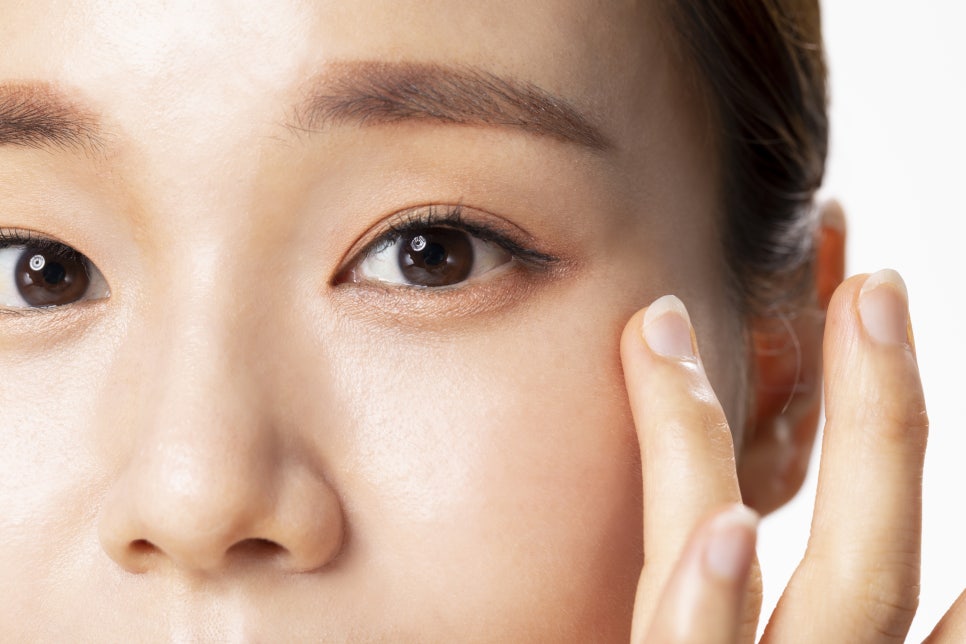
The most common cause of sagging beneath the eyes is reduced elasticity associated with the aging process. As the production of collagen and elastin in the skin decreases, the skin becomes thinner and loses resilience, which can cause the skin beneath the eyes to stretch downward. There is also fat beneath the eyes, and as the tissues supporting it weaken over time, the fat may protrude forward and appear more prominent. When protruding under-eye fat occurs together with simple skin laxity or hollowing beneath the eyes, dark circles may appear more pronounced or create a shadowed expression.
Lifestyle habits can also have an impact. Lack of sleep, repeatedly rubbing the eyes, exposure to ultraviolet rays, and dry environments may contribute to accelerated aging of the skin around the eyes.
Under-eye sagging does not occur only with age. Depending on skin thickness, lifestyle habits, and facial structure, it may also appear relatively early in life.
Can under-eye sagging be concealed with makeup or routine care?

If under-eye sagging is in its early stages and not severe, managing lifestyle habits and using home care may help slow its progression. Adequate sleep, a balanced diet, protection from ultraviolet rays, and moisturizing care around the eyes play important roles in maintaining skin health. Many people also use makeup to reduce the appearance of shadows or dark circles beneath the eyes. Using concealer to cover darker areas or adjusting dimension with lighter tones may temporarily improve the overall appearance.
However, when the skin is lax or fat is protruding, makeup may have limitations in concealing it completely. As sagging progresses over time, an imbalance in under-eye volume may instead become more noticeable and create a more tired appearance.
Concealment may help reduce the appearance of symptoms, but when structural changes are the cause, it is necessary to consider fundamental improvement methods as well.
What non-surgical methods can help improve under-eye sagging?
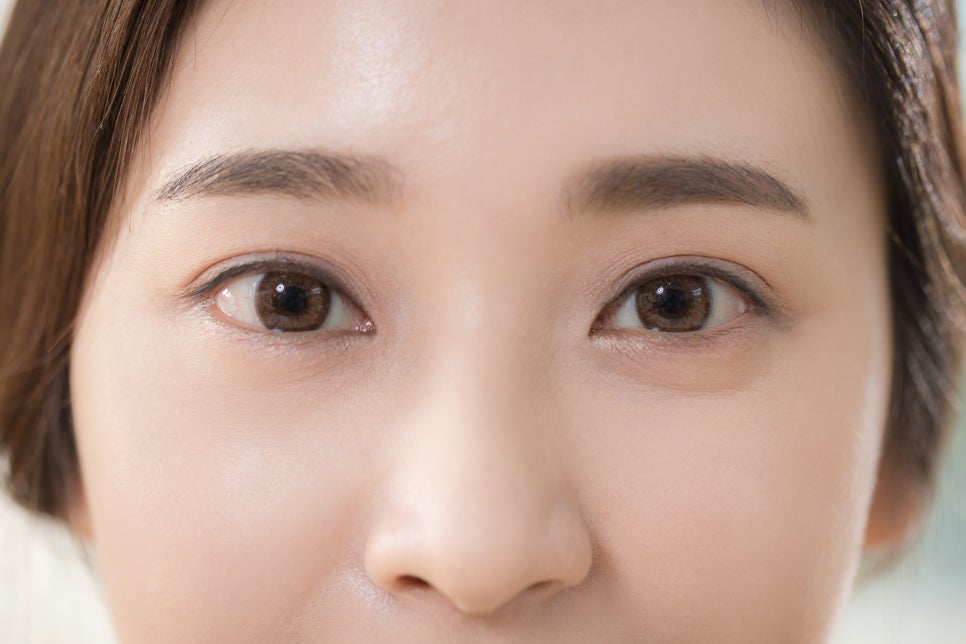
Various approaches may be considered for improving under-eye sagging, depending on the current condition of the skin and the degree of laxity. In the early stages of reduced elasticity, procedures intended to manage skin elasticity may help improve the skin’s condition. Methods that deliver energy to the deeper layers of the skin, such as lasers, radiofrequency, and ultrasound, may be used for skin rejuvenation and elasticity management, and the appropriate option may vary depending on the individual’s condition.
If hollowing beneath the eyes is a concern, an approach aimed at balancing volume may also be necessary. However, because the skin beneath the eyes is thin and sensitive, it is important to consider the overall facial balance and the structures around the eyes rather than simply choosing intensive treatment.
The key to improving under-eye sagging is to first determine “what caused the sagging,” rather than focusing on “how much to tighten.”
What surgical options may be considered if the sagging is severe?
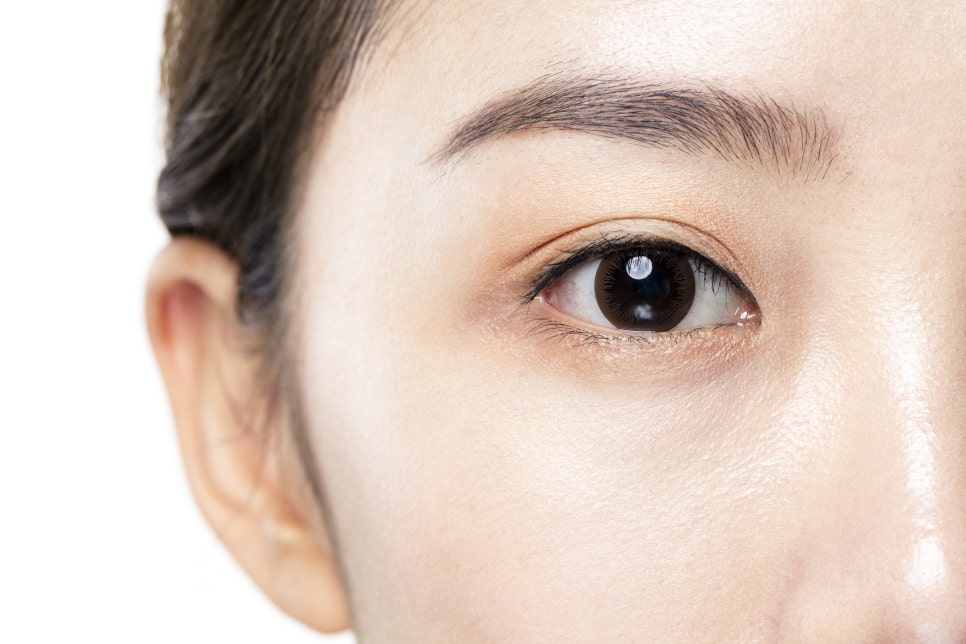
When the skin beneath the eyes is significantly lax or fat protrusion is pronounced, surgical methods such as lower eyelid surgery may be considered. A representative approach involves addressing the skin and fat beneath the eyes, and depending on the individual’s condition, correction of skin laxity and fat repositioning may be performed together. If the under-eye fat is concentrated on one side and appears protruded, rather than simply removing the fat, it may be repositioned to areas where it is needed to create a more natural under-eye contour.
In particular, natural improvement that harmonizes with the overall facial appearance is increasingly considered more important than simply pulling the skin tight. Lower eyelid surgery should be approached not merely as a way to eliminate wrinkles, but as a process of creating a brighter, more natural appearance.
What should be checked before improving under-eye sagging?
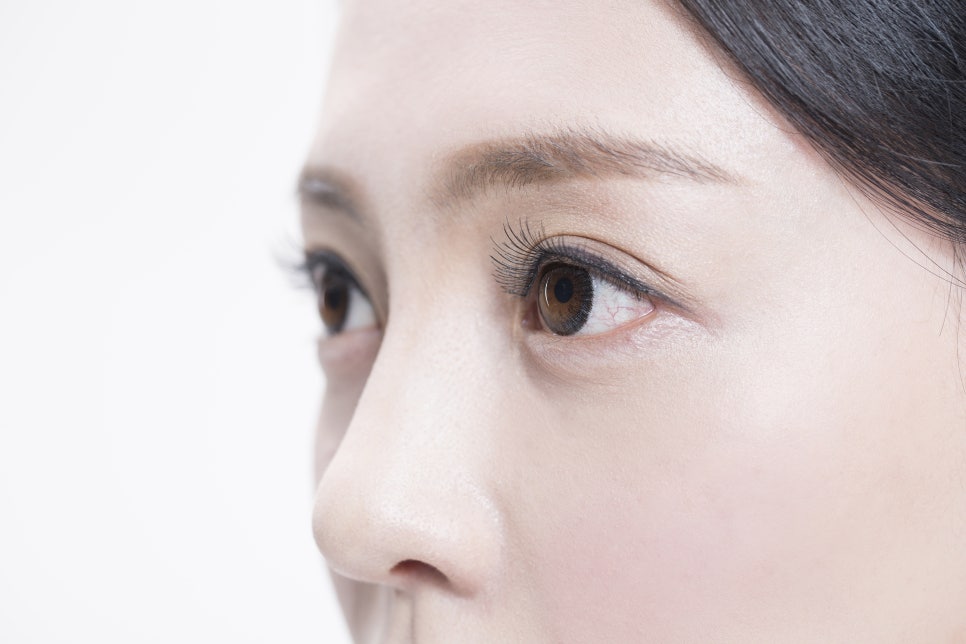
The causes of under-eye concerns vary from person to person. For some, reduced skin elasticity may be the main cause, while for others, protruding fat or hollowing beneath the eyes may have a greater impact. Therefore, even if a method worked well for someone else, it is difficult to expect the same results for yourself.
During a consultation, it is important to comprehensively assess the thickness of the skin beneath the eyes, the location of the fat, the degree of sagging, and the proportions of the entire face. Because even small changes around the eyes can have a significant effect on one’s appearance, a plan that takes natural-looking results into account is necessary.
A customized approach that considers an individual’s facial structure is an important factor in improving satisfaction with under-eye sagging treatment.
Why are everyday habits important for preventing and managing under-eye sagging?

Although under-eye sagging cannot be prevented completely, care can help slow its progression. Because the skin around the eyes is thin, it may be helpful to avoid strong irritation and apply sunscreen carefully. It is also advisable to be mindful of frequently rubbing the eyes, as this habit may increase skin irritation. Getting enough sleep and maintaining adequate hydration are also important for maintaining skin condition.
However, when under-eye sagging has already become noticeably advanced, it may be difficult to expect significant changes through lifestyle care alone. In such cases, it is necessary to accurately assess the current condition and choose an appropriate improvement method.
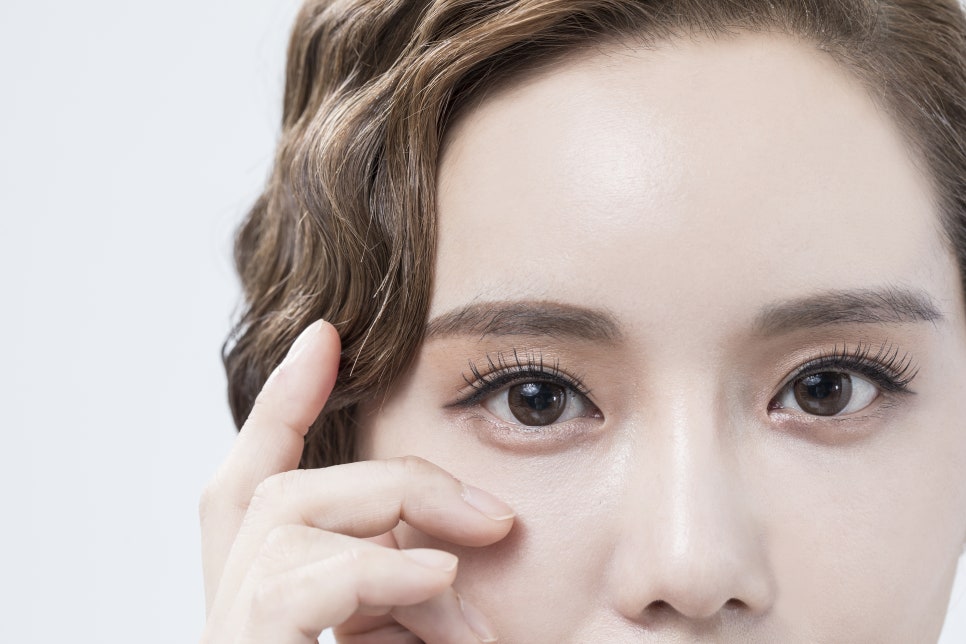
Under-eye sagging is not simply a problem of loose skin beneath the eyes. It may result from a combination of factors, including reduced skin elasticity, changes in fat, and weakening of the surrounding tissues. In the early stages, lifestyle management or makeup may provide some degree of correction, but when sagging becomes more pronounced and is accompanied by protruding or hollowing under-eye fat, more active improvement methods may need to be considered.
The important thing is not to create an eye area that looks artificially younger, but to achieve a natural change that harmonizes with your face. If you are considering improving under-eye sagging, the most important step is to accurately assess the current condition and cause before choosing a care method suited to you. Consulting with a plastic surgeon to examine the structures beneath the eyes and the condition of the skin may be helpful in determining an approach toward a healthy, natural appearance.