Effective Ways to Reduce Nasolabial Folds: “Facelift”

One of the wrinkles that tends to attract the most attention when looking in the mirror is the nasolabial fold. Extending from the sides of the nose to the corners of the mouth, nasolabial folds can make you look older than your actual age or give you a tired and gloomy appearance when they become even slightly deeper. Many people try various methods, such as functional cosmetics, massages, and fillers, but may find that the wrinkles become noticeable again over time.
This is because nasolabial folds are often caused not simply by wrinkles on the skin’s surface, but by the sagging of facial tissues and a simultaneous loss of elasticity. Therefore, when nasolabial folds are deep, it is important to consider treatment that addresses the underlying causes.
Why do nasolabial folds gradually become deeper?
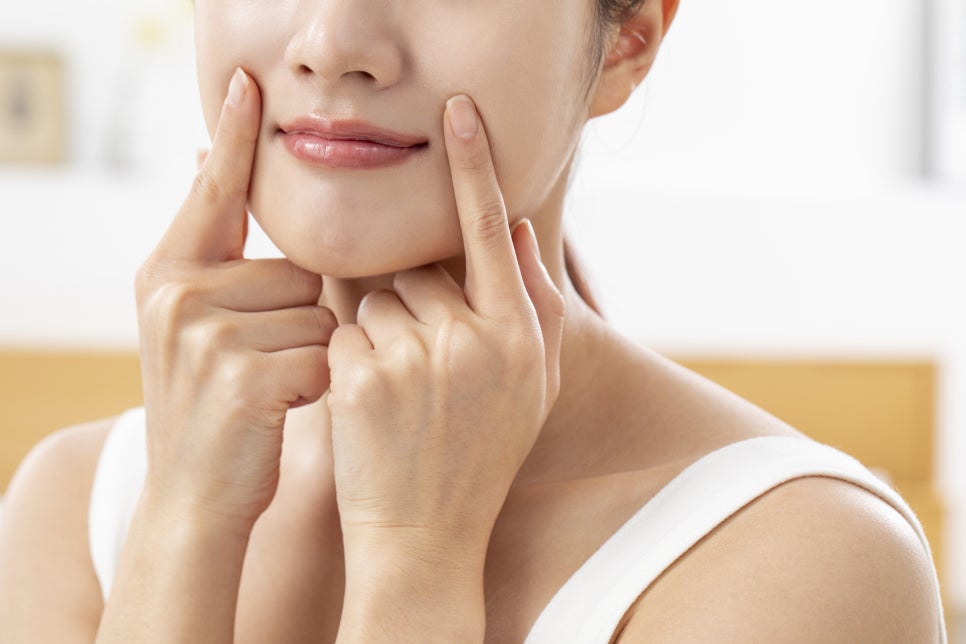
As we age, the collagen and elastin within the skin decrease, reducing skin elasticity and causing the tissues that support the face to gradually move downward. In particular, as the cheeks and midface fat sag, the skin beside the nose can fold, and this process may cause nasolabial folds to deepen over time.
Repeated facial expressions, exposure to ultraviolet rays, and sudden changes in weight can further accelerate the aging process. In other words, this is not simply the formation of wrinkles; structural changes throughout the face also occur at the same time.
There are cases that cannot be resolved with fillers alone

For early-stage nasolabial folds, methods that restore volume may sometimes be helpful. However, if the skin is already significantly sagging, repeatedly injecting fillers alone may instead make the face look heavy or unnatural.
Especially when the midface tissues have descended considerably, treatment that improves the sagging itself may be more appropriate than simply filling the wrinkles while leaving the sagging tissues unchanged. Accurately analyzing the current depth and cause of the wrinkles is of utmost importance.
What kind of procedure is a facelift?

A facelift is not simply a procedure that pulls the skin tight. It involves dissecting and lifting the SMAS layer (the fascial layer) beneath the skin, repositioning sagging facial tissues closer to their original locations. Because it improves the structures that support the face rather than merely tightening loose skin, it may help improve nasolabial folds, sagging cheeks, and a drooping jawline together.
Recently, customized facelifts that consider the balance of the entire face have been performed more frequently to achieve natural-looking results. A facelift corrects the SMAS layer along with the skin to address the underlying causes of nasolabial folds.
Why can a facelift be effective for improving nasolabial folds?

Nasolabial folds generally become deeper as sagging cheek fat and midface tissues move downward. Because a facelift repositions these sagging tissues upward, it may provide not only wrinkle reduction but also a natural lifting effect across the face.
When nasolabial folds have deepened together with sagging in the deep cheek area, many people seek an improvement that appears more natural and lasts longer. Improving the contours of the entire face at the same time may help create a younger and more energetic appearance.
When might you consider a facelift?

A facelift may be considered when deepening nasolabial folds are accompanied by sagging cheeks and a loss of definition along the jawline. It may also be suitable when skin elasticity has decreased considerably and it is difficult to expect sufficient improvement from nonsurgical lifting alone.
However, not every nasolabial fold necessarily requires a facelift, and the treatment plan may vary depending on age, skin condition, and the degree of sagging. It is important to choose the method appropriate for you through a thorough consultation.
How can you achieve natural-looking results?

Recent facelifts have evolved toward achieving natural-looking improvement by taking each person’s facial shape and degree of aging into account, rather than simply pulling the face tightly.
Because the left-right symmetry, facial proportions, and skin condition are analyzed together and only the necessary amount of tissue is corrected, a more natural appearance may be achieved. An important characteristic of recent facelifts is that they aim for a result that looks naturally younger, as though it were your original face, rather than an excessively tightened appearance.
Does postoperative care also affect the results?

After a facelift, it is important to manage the recovery process according to your medical team’s instructions. Strenuous exercise and strong stimulation should preferably be avoided for a certain period, and care to support skin recovery is needed along with sufficient rest.
In addition, protecting the skin from ultraviolet rays and maintaining healthy lifestyle habits may help promote a more stable recovery and maintain the results. Satisfaction can be improved when postoperative care is provided alongside the surgery itself.
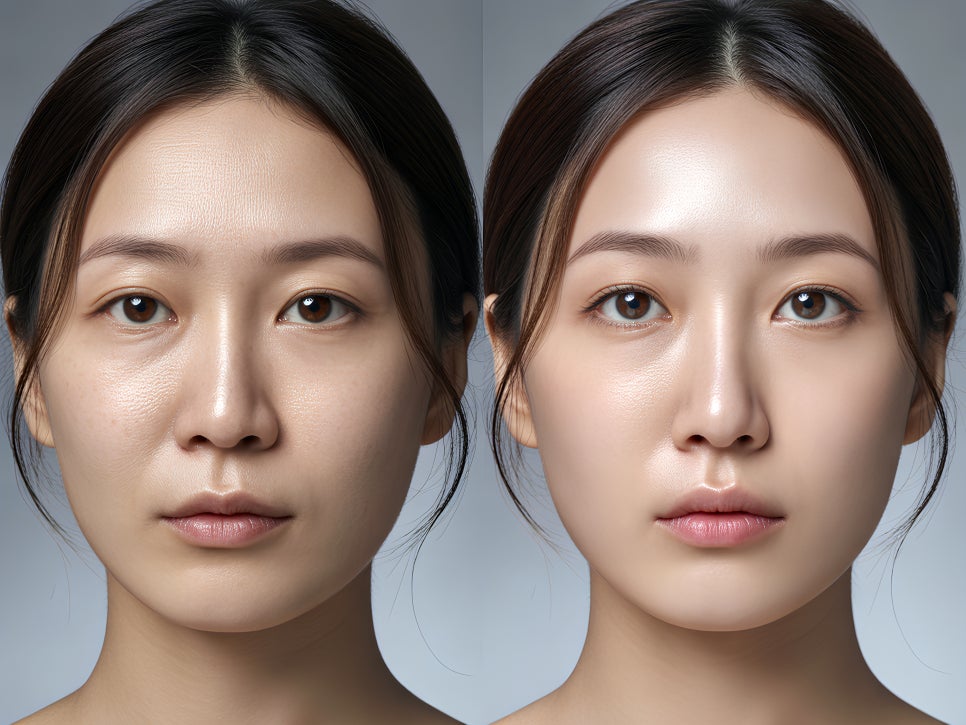
Nasolabial folds are not simply skin wrinkles; they are an aging change caused by a combination of sagging facial tissues and reduced skin elasticity. Therefore, for deepened nasolabial folds, an approach that improves sagging tissues may sometimes be more appropriate than simply restoring volume.
A facelift corrects the SMAS layer beneath the skin as well, improving sagging throughout the face and potentially helping to soften nasolabial folds naturally. Above all, the degree of aging and facial structure differs from person to person, so it is most important to establish a treatment plan suited to you through a thorough consultation with a board-certified plastic surgeon.