When Skin Aging Begins
What Are the Main Areas Where the First Signs of Skin Aging Appear?
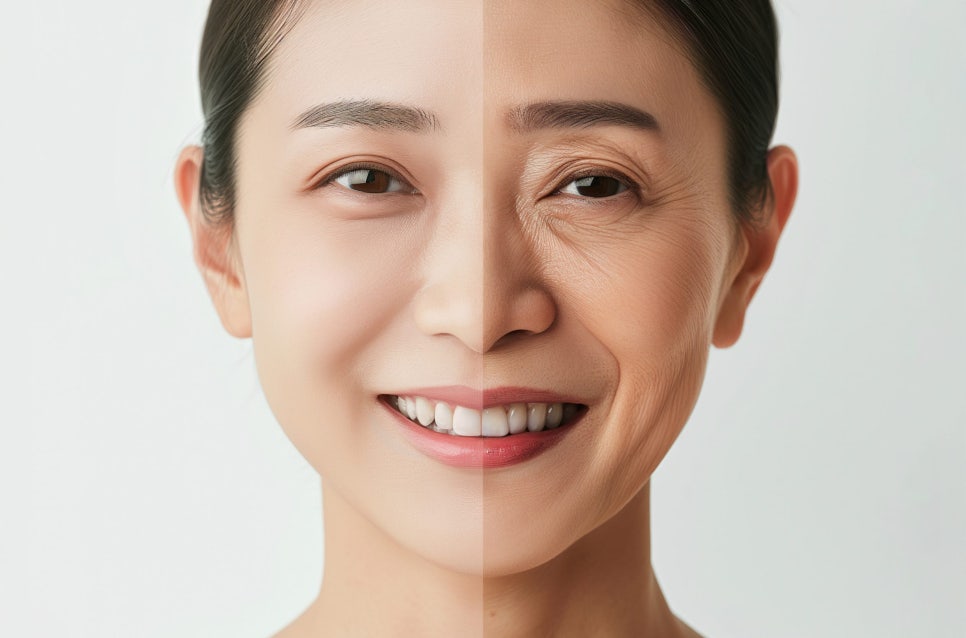
Many people think that skin aging suddenly appears one day, but in reality, it progresses gradually, beginning with very small changes. At first, it often starts with makeup no longer sitting as smoothly on the skin as it used to, or with others commenting that your face looks tired. Over time, fine lines, reduced elasticity, and facial sagging gradually become more noticeable. As these changes accumulate, they can make you appear older than your actual age.
Therefore, it is especially important to recognize the early signs of skin aging promptly and begin appropriate care and treatment. Skin aging starts with small changes, and the earlier it is managed, the more natural improvement may be expected.
The area around the eyes is where aging begins first
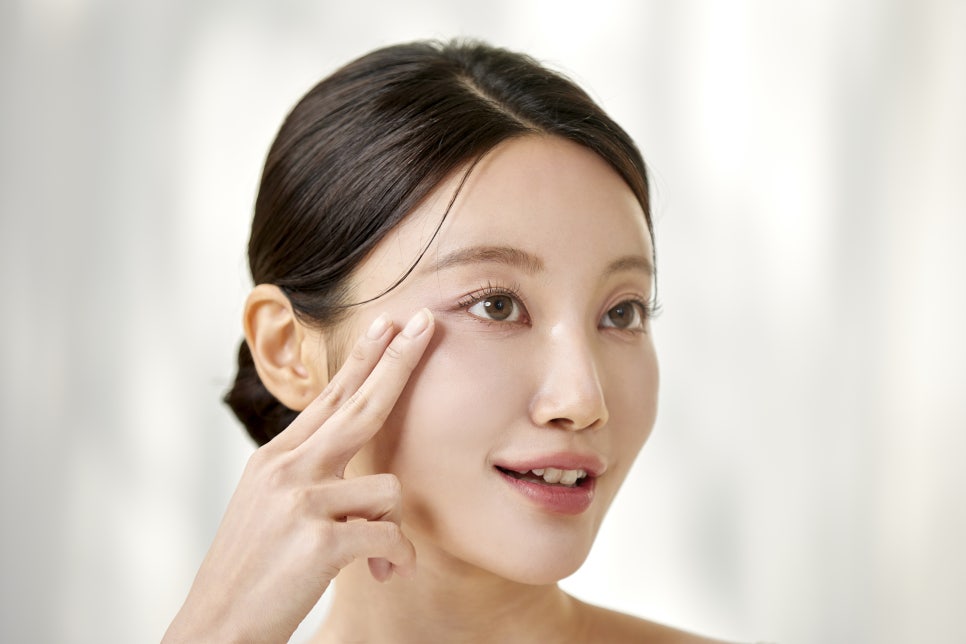
The skin around the eyes is one of the thinnest areas of facial skin and contains relatively few sebaceous glands, making it prone to dryness. It is also an area where fine lines can develop first due to repeated facial expressions such as smiling and blinking.
In particular, when skin elasticity decreases, drooping eyelids or hollowness under the eyes may appear along with wrinkles around the eyes, creating a tired appearance. They may begin as fine lines but can develop into deeper wrinkles over time.
Nasolabial folds make facial aging feel most noticeable
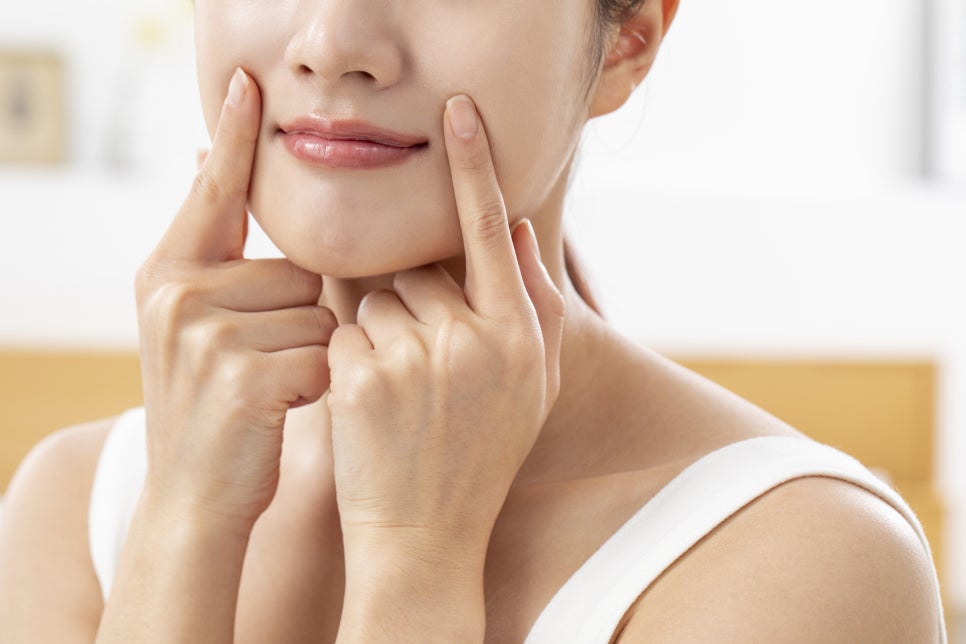
Nasolabial folds are not simply wrinkles that form in the skin. They tend to deepen gradually as the fat and cheek tissue in the midface sag downward. As skin elasticity decreases and the structures supporting the face weaken, nasolabial folds may become more pronounced.
Deepened nasolabial folds are a representative sign of aging that can make you look older than your actual age and make the entire face appear tired. They are one of the areas many people want to improve first.
The jawline becomes less defined and a double chin begins to appear

As skin aging progresses, the jawline also begins to lose definition. As the skin and fatty tissue sag downward, the jawline may become less distinct, a double chin may develop, and the boundary of the face may become less clear.
This is also why a face shape that was once slim may begin to look rounder and heavier. Changes in the jawline are a representative sign of aging that can significantly alter the overall impression of the face.
Cheek sagging and reduced midface elasticity also appear together
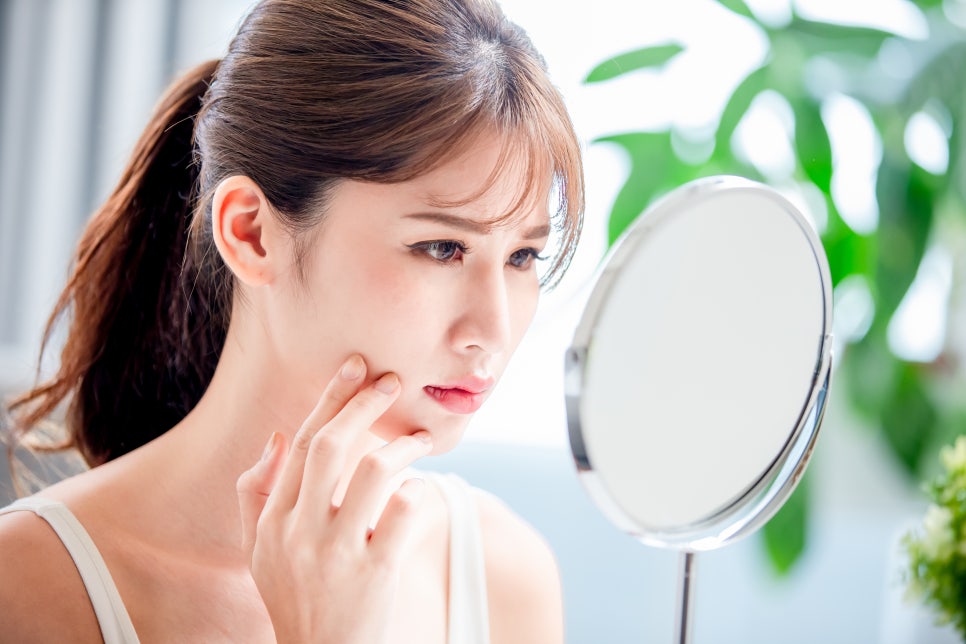
The cheeks are an important area that gives the center of the face dimensionality. However, when skin elasticity decreases, cheek fat may move downward, making the face look flatter and causing the lower cheek area to sag.
These changes can also deepen nasolabial folds and make the entire face appear saggy. Reduced midface elasticity may create the impression that the center of the face looks heavier.
Neck wrinkles and reduced skin elasticity are also important signs of aging

People often care for only their face and overlook their neck, but the neck is also an area where aging can progress quickly. The skin on the neck is thin and moves frequently, so horizontal and vertical wrinkles can develop easily as elasticity decreases.
Recently, as people spend more time using smartphones, more younger people have become concerned about neck wrinkles. Caring for the face and neck together may help achieve a more natural and balanced youthful appearance.
Lifestyle habits also have a major effect on skin aging

Aging is not simply a matter of age. Ultraviolet exposure, smoking, lack of sleep, stress, and poor eating habits can contribute to faster skin aging.
Making sun protection part of your daily routine, getting sufficient sleep, and maintaining a balanced diet can help maintain skin health. Along with basic lifestyle management, it is important to combine professional treatment when necessary.
Customized lifting treatments may be considered for skin aging
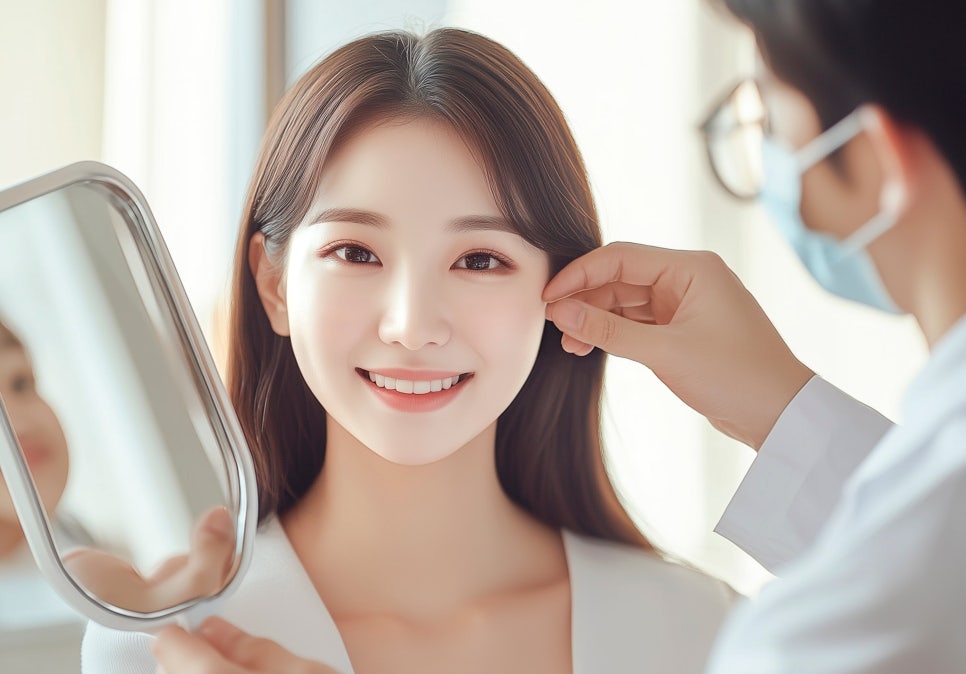
When skin sagging and reduced elasticity have already progressed, home care alone may not provide sufficient improvement in some cases. In such situations, lifting procedures or treatments such as a facelift may be considered depending on the condition of the skin and the degree of aging. Early aging may benefit from nonsurgical lifting, while a facelift that improves the facial tissues themselves may be appropriate in cases of severe sagging.
It is important to accurately assess the current condition of your skin and then choose a treatment method suited to the individual. A customized lifting plan tailored to the cause and extent of aging is key to achieving natural-looking results.

Skin aging progresses gradually in various areas, beginning with fine lines around the eyes and continuing with nasolabial folds, jawline sagging, cheek sagging, and neck wrinkles. These changes are not simply a skin problem; they are part of the natural aging process, in which changes to facial tissues and reduced elasticity also play a role.
However, because aging may become more difficult to improve the longer it is left untreated, it is important to notice changes early and begin appropriate care and treatment. Receiving an accurate assessment of your skin condition and degree of aging, then planning suitable lifting treatment or a facelift, may help you maintain a more natural and healthy youthful appearance.