How to Reduce Breast Size if You Have a Large-Breast Complex
'Breast Reduction Surgery'

Many people assume that a fuller bust is desirable, but quite a few people actually experience physical and psychological discomfort because their breasts are excessively large. They may have recurring neck and shoulder pain, deep marks left by bra straps, or discomfort during exercise and everyday activities. Some may also find it difficult to wear the clothes they want or lose confidence due to the stress of unwanted attention.
If large breasts are reducing your quality of life, it is important to identify the cause accurately and consider an improvement method suitable for you, rather than trying to address the issue through weight loss alone.
Why do breasts become larger?
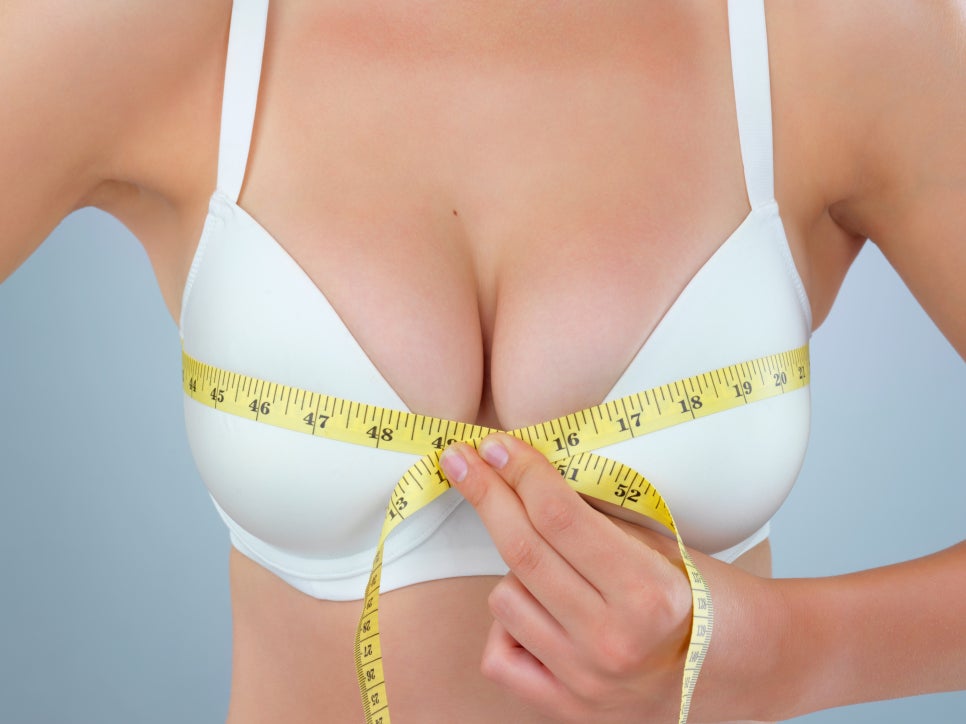
Breast size is determined by various factors, including not only genetics but also female hormones, weight gain, pregnancy and childbirth, and breastfeeding. In particular, the size and shape may vary depending on the ratio of fatty tissue to glandular tissue. Even people with the same cup size may experience very different levels of discomfort depending on their body shape.
Therefore, not everyone with large breasts necessarily requires treatment, and it is important to consider the degree of inconvenience in everyday life as well.
How to reduce breast size,
Is it possible through exercise or dieting alone?
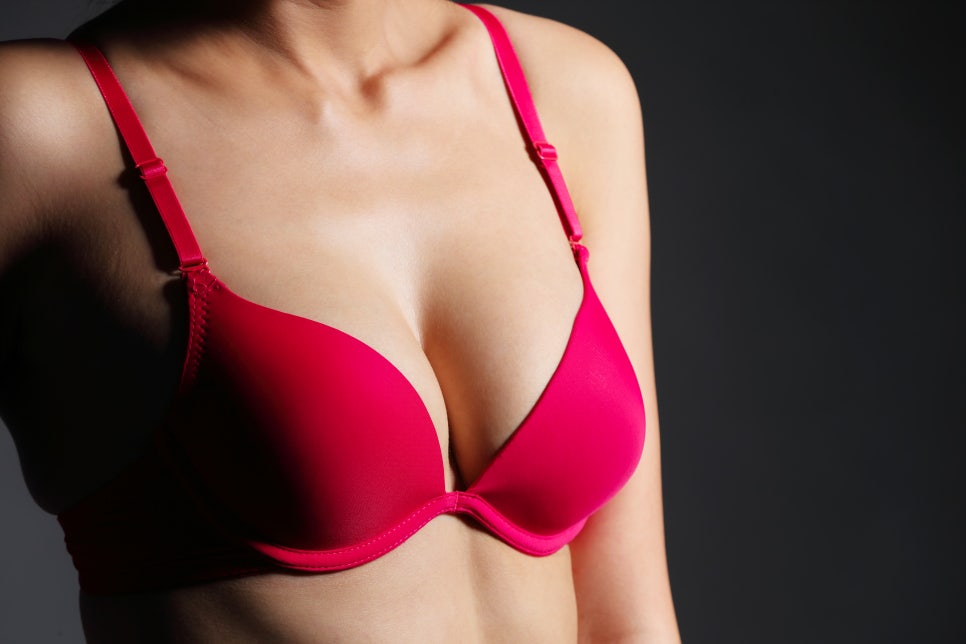
Many people try exercise or dieting to reduce their breast size. If weight gain has increased the proportion of fatty tissue, some reduction in size may be possible through weight loss.
However, when the proportion of glandular tissue is high or the breasts are naturally large, it is often difficult to achieve the desired change in size through exercise and dietary control alone. In addition, excessive dieting may cause the breasts to sag or lose elasticity.
How do large breasts affect everyday life?
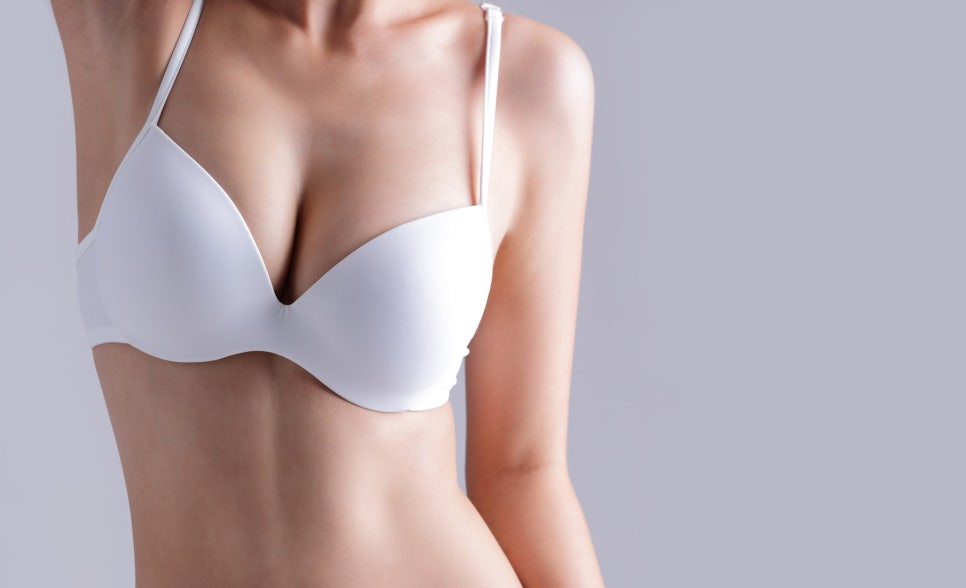
Large breasts are not merely an appearance-related concern and may cause various physical symptoms. Common issues include neck and shoulder pain, chronic lower back pain, postural imbalance, and discomfort during exercise. Pain may also occur when bra straps continuously press on the shoulders.
In addition, the skin beneath the breasts may fold, leading to recurring heat rash or dermatitis. If this functional discomfort continues, it may be worth considering more active treatment.
What matters more than appearance is the physical discomfort experienced by the patient and their quality of life.
What is breast reduction surgery?
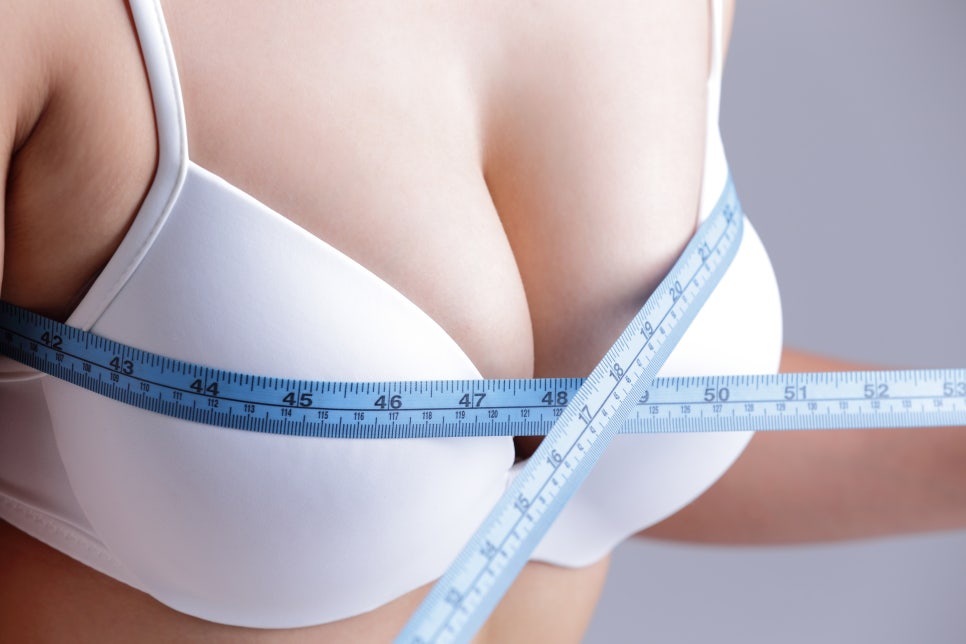
Breast reduction surgery is a procedure that reduces the overall size of the breasts by removing excess glandular tissue, fatty tissue, and skin. It is important not merely to reduce the size, but to design the breasts with natural proportions and balance suited to the patient’s body shape.
The position of the nipples and areolas is also often adjusted to create a more stable and natural shape. The surgical plan is developed by considering the patient’s body shape, desired size, and degree of skin sagging together.
When should you consider breast reduction surgery?

If breast size makes everyday life uncomfortable, causes recurring chronic pain, makes exercise difficult, or creates ongoing difficulties when choosing clothes, a consultation may be helpful.
Surgery may also be considered when there is a significant difference in breast size between the left and right sides or when excessively sagging, large breasts after childbirth and breastfeeding cause discomfort. The goal is not simply to make the breasts as small as possible, but to find a size that suits your body shape and overall balance.
What should you check before surgery?

Because the amount of tissue to be removed and the design differ from person to person in breast reduction surgery, a thorough consultation is important. The surgical method is determined by considering skin elasticity, the proportion of glandular tissue, the desired size, and whether you have plans for future pregnancy.
It is also important to receive a thorough explanation of the location of scars and the recovery process and to maintain realistic expectations. Consulting sufficiently with an experienced medical team and developing a plan suited to you can help improve satisfaction.
Not simply reducing size,
a procedure that creates balance: breast reduction surgery
In recent years, rather than simply making the breasts as small as possible, it has become important to consider the overall body shape and the proportions of the shoulders and waist when creating the design. Instead of choosing an excessively small size, planning a size that suits your body proportions is more likely to lead to a natural result and greater satisfaction. Appropriate weight management and consistent lifestyle management after surgery may also help maintain more stable results.
Not everyone is satisfied with having large breasts. If recurring neck and shoulder pain, strain on the lower back, difficulty exercising, and psychological stress occur together, the issue may go beyond a simple cosmetic concern and may also be connected to quality of life.
If large breasts cannot be addressed through exercise or dieting alone, breast reduction surgery suited to your body shape and symptoms may help you look forward to a more comfortable daily life and a more balanced body shape. The important thing is not simply to make the breasts smaller, but to consider body proportions and functional comfort together. It is advisable to choose the method most suitable for you through a thorough consultation.