Rhinoplasty: What Defines a Natural Nose Line?
Gangnam Bon Bon Plastic Surgery Clinic
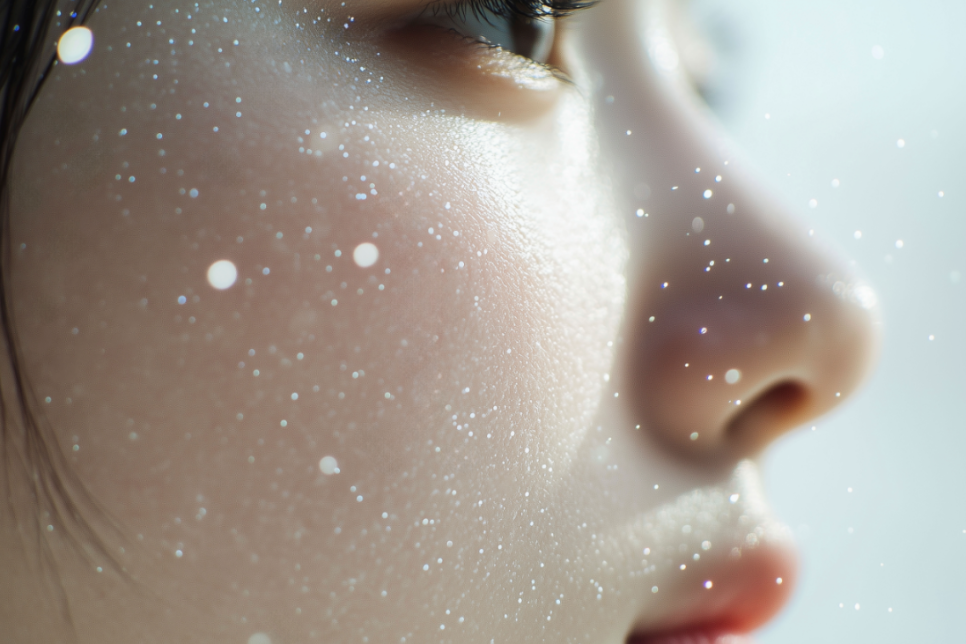
The nose is located at the center of the face, making it an area that has a significant influence on the overall impression. For this reason, some people considering rhinoplasty want an unconditionally high and prominent nose. Recently, however, more people have been placing importance on a nose line that naturally harmonizes with the face rather than simply increasing its height.
Even a very high nose can create an unnatural impression if it does not match the proportions of the forehead, mouth, and chin. Satisfying rhinoplasty does not begin with following trends, but with creating a harmonious line that takes an individual’s facial shape and proportions into account.
What does a natural nose line look like?
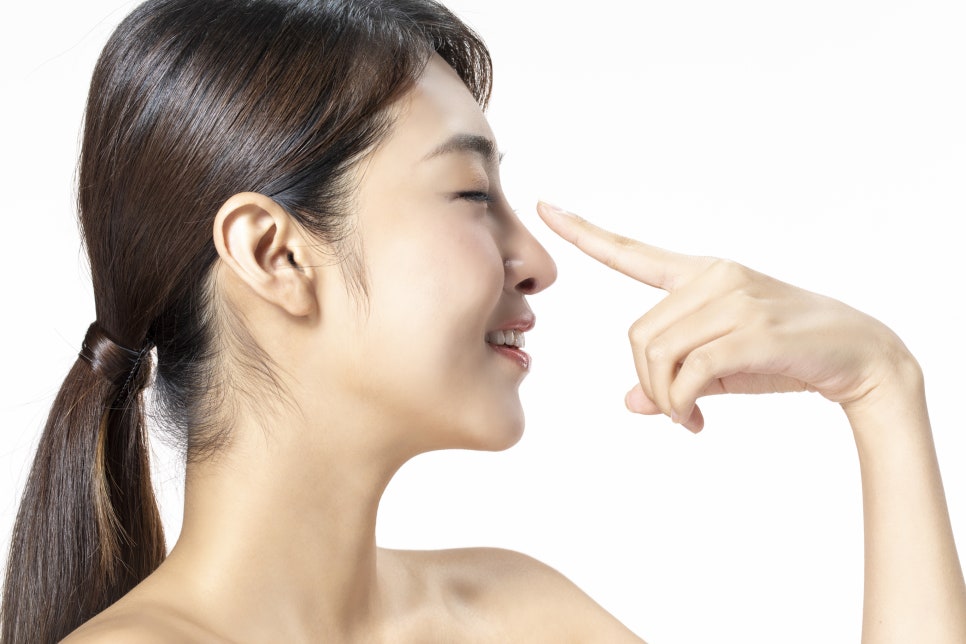
A natural nose line does not simply mean raising the bridge of the nose; it means creating proportions that suit the entire face. The line extending from the forehead to the nose, the height of the tip, the length of the nose, and the width of the nostrils must all harmonize overall to create a natural impression.
It is also important for a smooth curve to continue not only from the front, but also from the side and at a 45-degree angle. Since everyone has a different facial shape, the ideal nose shape can also vary from person to person.
Is a higher nose always better?
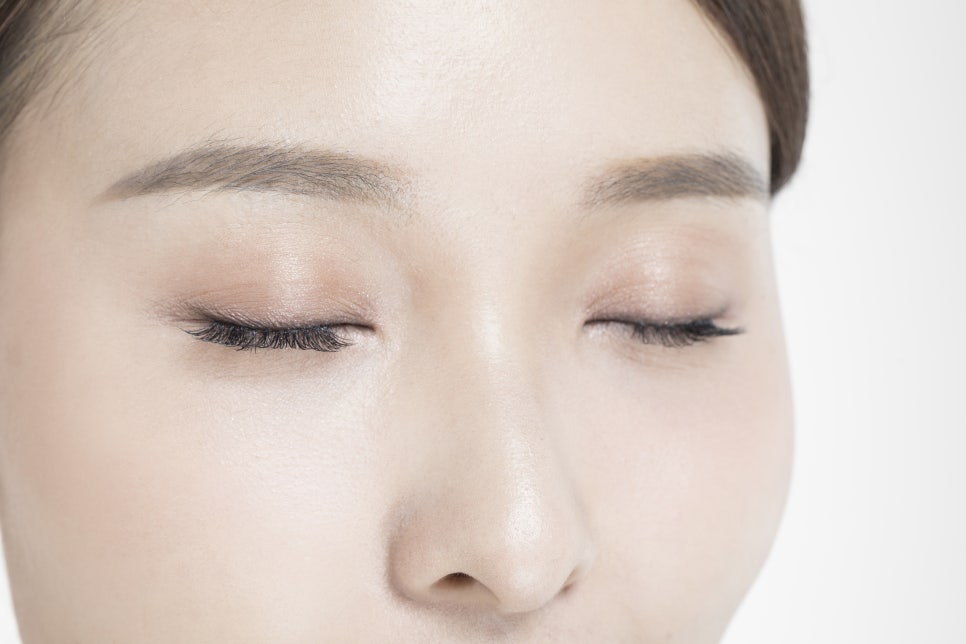
In the past, many people aimed specifically for a high nasal bridge. Recently, however, more people have come to prefer a natural and refined line over a nose that is excessively high or artificial. A nasal bridge that is disproportionately high compared with the face can instead disrupt the balance of the facial features and may look unnatural over time. Rhinoplasty is not simply a competition to achieve greater height; design that considers facial proportions is important.
Why should facial proportion analysis come first in rhinoplasty?
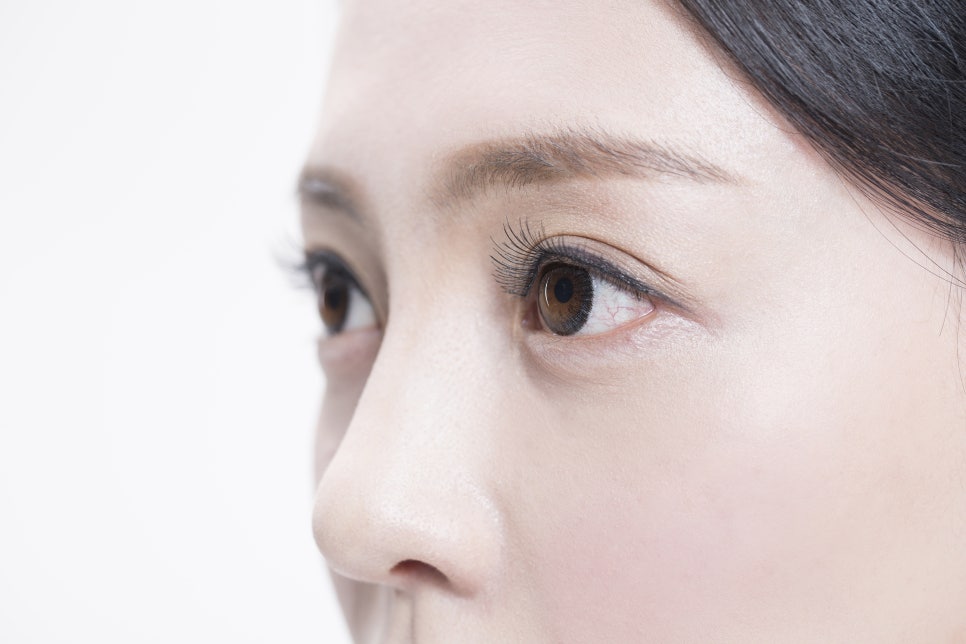
When planning rhinoplasty, the nose is not considered separately; the proportions of the entire face are analyzed together. The design is determined by comprehensively considering the positional relationship between the forehead, nose, lips, and chin, as well as the width and length of the face, skin thickness, and the existing nasal structure.
In particular, even the same nasal bridge height can create a completely different impression depending on the shape of the face, which is why personalized design is important. For a natural result, an individualized plan should take priority over a uniform design.
Why is the shape of the nasal tip also important?
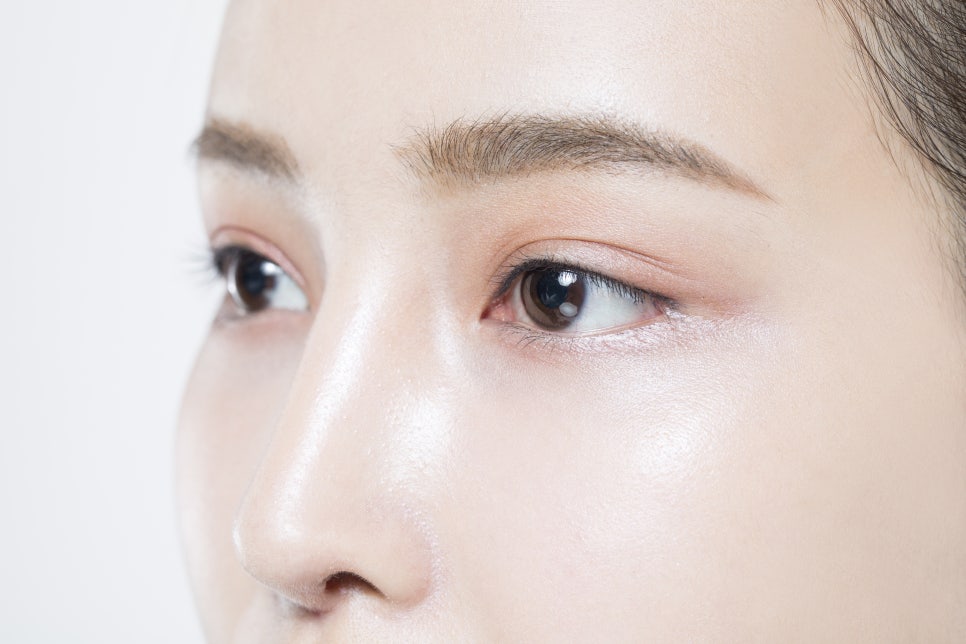
Many people focus only on the height of the nasal bridge, but the nasal tip also plays a very important role in creating a natural impression. If the tip is too pointed or excessively turned upward, it can create a strongly artificial appearance.
Conversely, creating an appropriate tip height and angle that match the facial proportions can make the overall impression look softer and more refined. A natural nose line is completed only when the nasal bridge and tip harmonize together.
Why should functional aspects also be considered?

The nose is not only an external feature but also an important organ responsible for breathing. Therefore, when planning rhinoplasty, it is important to consider not only improving its appearance but also the nasal septum, internal nasal structures, and breathing function.
If you have nasal congestion caused by conditions such as rhinitis or a deviated nasal septum, checking the functional aspects together may be helpful. An approach that considers both aesthetics and function is important for increasing long-term satisfaction.
What is needed for a natural result?
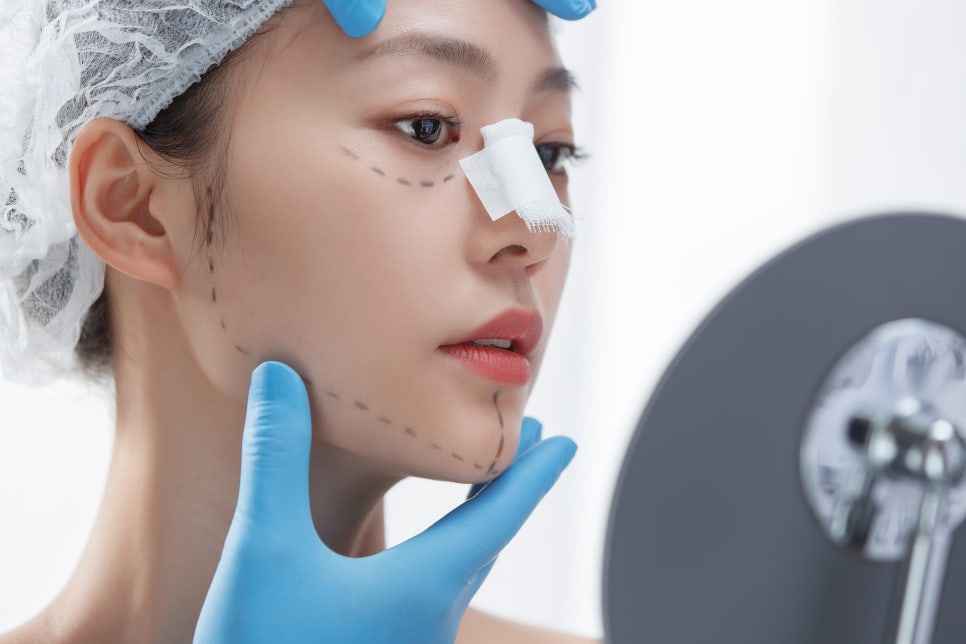
Even if you have a desired nose shape, not every design will suit everyone. Rather than copying an internet photo or a celebrity’s nose exactly, it is important to find a design suited to your facial proportions, skin characteristics, and nasal structure. Through sufficient consultation, confirming both the desired image and the realistically achievable range can help increase satisfaction.
Does recovery after surgery also contribute to a natural result?

With rhinoplasty, the final line is often completed gradually over time as swelling subsides and the tissues stabilize, rather than immediately after surgery. There may be swelling and bruising initially, and recovery speed can vary from person to person.
During the recovery period, managing your lifestyle according to the medical team’s instructions and avoiding excessive irritation can help maintain a stable result. Consistent care is also an important part of creating a natural nose line.
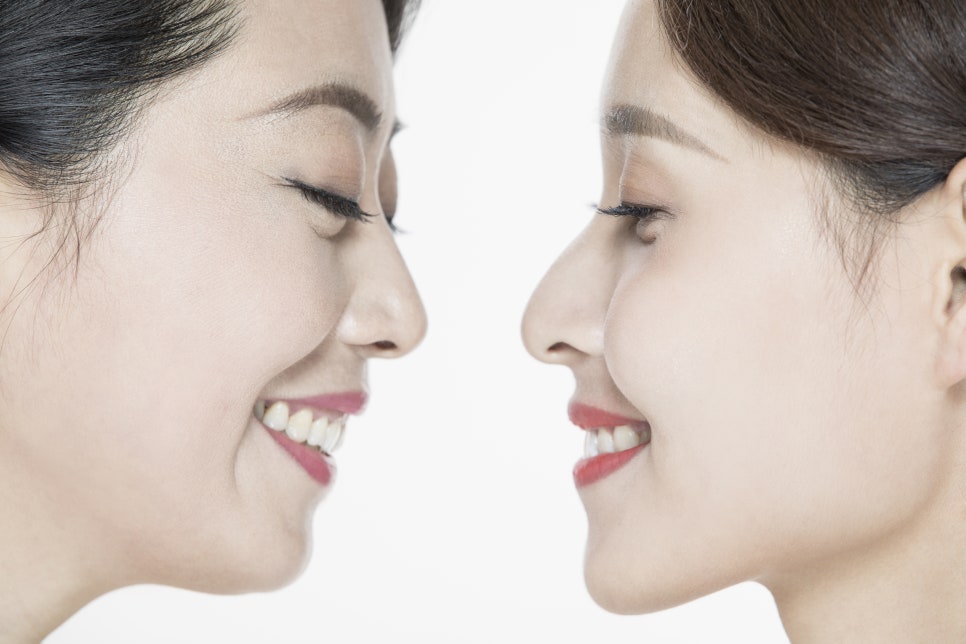
Rhinoplasty is not simply a procedure to raise the nasal bridge; it is a process of creating balance and harmony throughout the face. A natural nose line can be completed when the smooth line from the forehead to the tip, a design suited to the facial proportions, and functional aspects are all considered together.
Successful rhinoplasty is not about creating a “high nose,” but about creating “the nose that suits me best.” Planning your own natural nose line through sufficient consultation and accurate facial analysis can lead to greater satisfaction.