Can Facial Asymmetry Be Improved with Exercises?
Why Corrective Procedures May Be Needed?

It is not uncommon for people to feel that one eye looks larger, one corner of the mouth appears tilted, or the jawline seems shifted to one side when looking in the mirror or taking photos. In reality, very few people have a face that is perfectly identical on both sides, and a certain degree of asymmetry is natural.
However, if the difference between the two sides gradually becomes more pronounced or the facial balance becomes disrupted, accompanied by stress about one’s appearance, difficulty chewing, or symptoms involving the temporomandibular joint, it is important to accurately identify the cause. In particular, many people have recently tried to address facial asymmetry through exercises or self-massage alone, but because not all asymmetry has the same cause, an accurate diagnosis should come first.
Why Does Facial Asymmetry Occur?
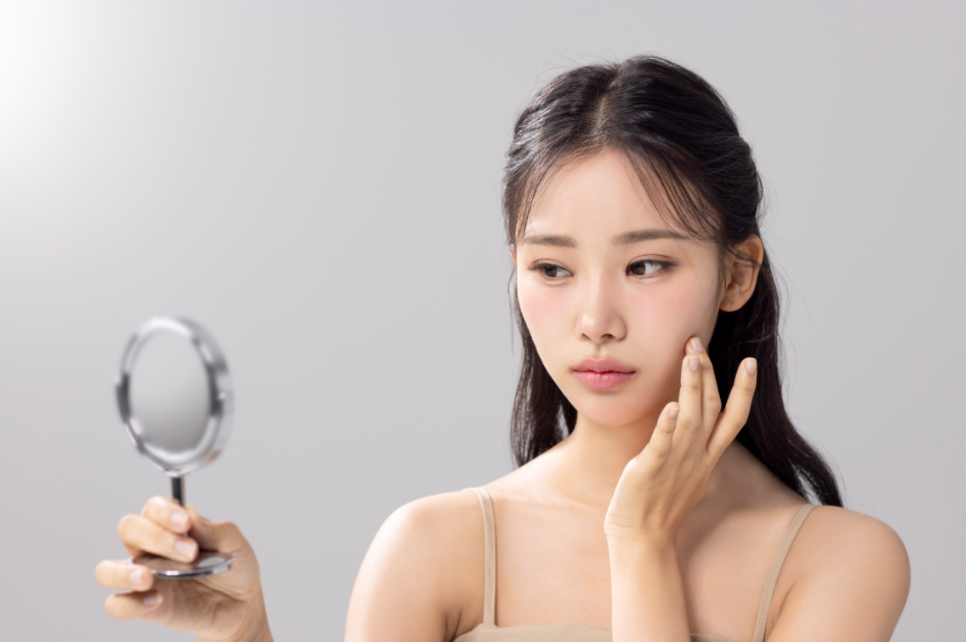
Facial asymmetry may result not only from congenital skeletal differences but also from acquired lifestyle habits. Chewing food on only one side, resting the chin on one hand, sleeping on the stomach, and repeatedly using the jaw can all contribute to changes in muscle balance.
In addition, temporomandibular joint problems, differences in the development of the facial muscles, and skin sagging associated with aging can make asymmetry more noticeable. In many cases, multiple factors work together rather than there being a single cause.
Can Facial Exercises Really Improve Asymmetry?
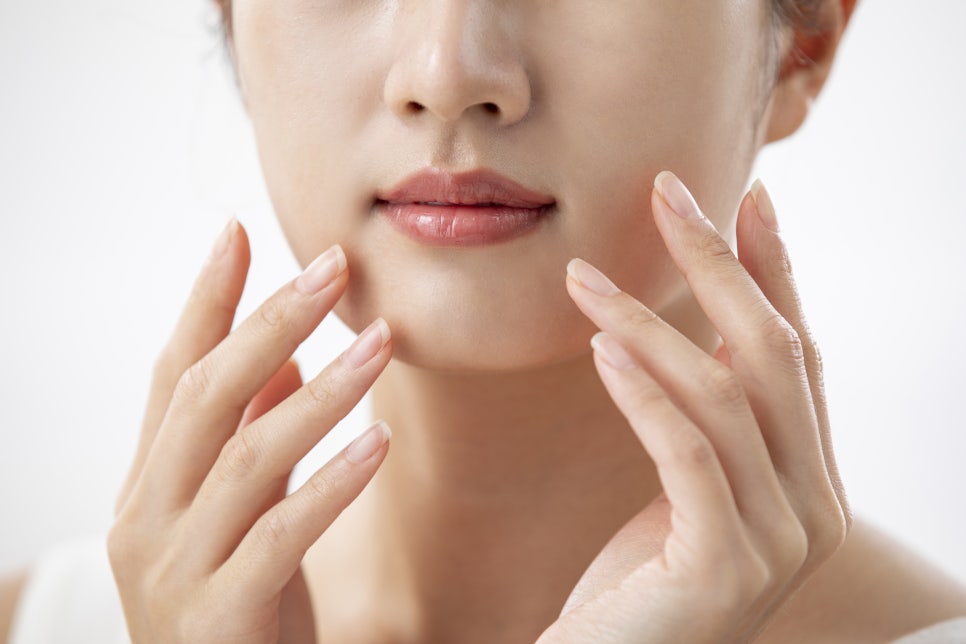
Information suggesting that facial exercises or massage can help improve asymmetry is easy to find online. However, if facial asymmetry is caused simply by muscle tension, these methods may help provide some relief. They are unlikely to resolve asymmetry caused by skeletal structure, skin sagging, or differences in fat distribution.
Excessive facial exercises or overly vigorous massage may instead worsen imbalances in muscle use or irritate the skin. Exercising unconditionally without accurately understanding the cause may make it difficult to achieve the desired results.
When Might a Corrective Procedure Be Needed?

If the asymmetry is difficult to improve through lifestyle changes alone, medical correction may be needed depending on the cause. When there is a significant difference in muscle development, when skin sagging is the cause, or when differences in fat volume make the two sides appear unbalanced, treatment appropriate to each cause may be considered. Rather than relying on a single method, it is important to take a comprehensive approach based on an analysis of the facial structure.
Can the Treatment Method Vary Depending on the Cause of Facial Asymmetry?

Because facial asymmetry can have various causes, the treatment method may also vary. If muscle asymmetry is the cause, treatment that takes muscle balance into account may be helpful. If a difference in volume is responsible, the approach may involve supplementing areas that lack volume.
When skin sagging is the cause, lifting procedures or a facelift may be considered. Depending on differences in fat distribution, fat grafting or liposuction may also be performed together in some cases.
A customized plan suited to the patient’s condition is of utmost importance.
When Can a Facelift Be Helpful?

When one side of the skin has sagged more due to aging, making facial asymmetry appear more pronounced, a facelift may be helpful. The purpose of a facelift is to improve sagging skin and soft tissue, helping restore the overall balance and contours of the face.
The procedure is planned not only to improve wrinkles but also to take the degree of sagging on both sides into account, with the aim of creating a more natural facial line. Because it is not suitable for every type of asymmetry, a thorough diagnosis is necessary.
When Are Fillers or Fat Grafting Used?
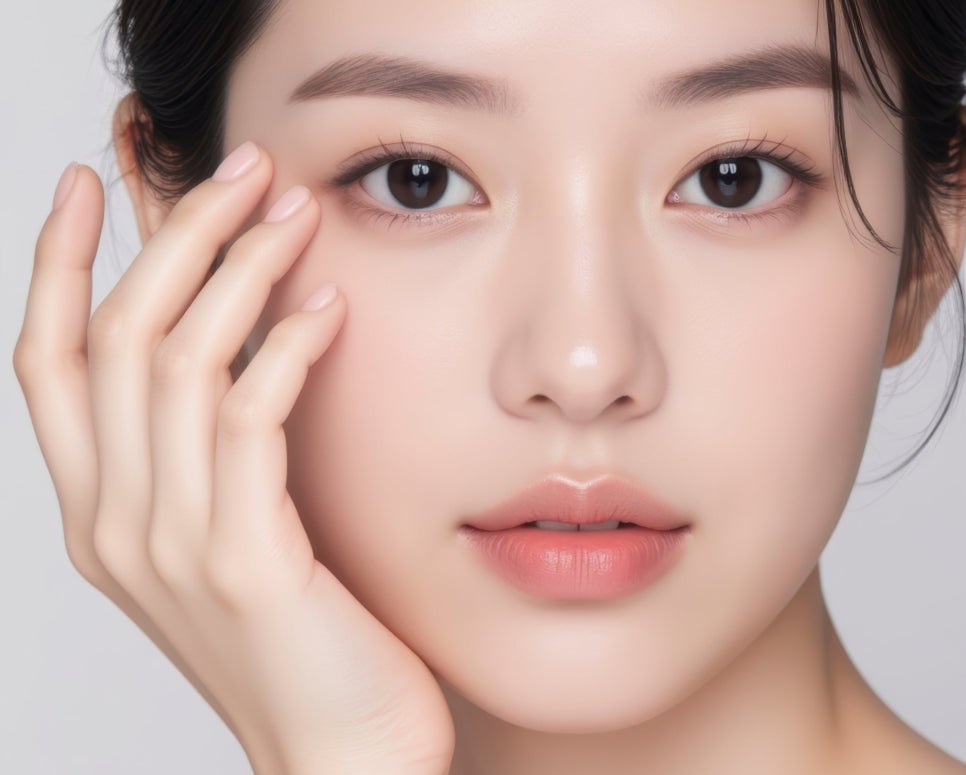
If one cheek is hollow or asymmetry appears more pronounced because of a difference in volume, fillers or fat grafting may be considered to supplement areas that lack volume. These methods may help balance the two sides, and it is important to create a natural design suited to the shape of the face.
Conversely, if a particular area has excessive fat development, fat reduction may also be considered when necessary. Looking at the proportions of the entire face together can lead to a more natural result.
Correcting asymmetry is not about changing only one side; it is a process of balancing the face as a whole.
Why Is Accurate Analysis of the Cause Most Important?

Even when facial asymmetry appears similar, it may be caused by muscles in one person and by fat, skin sagging, or skeletal structure in another. Therefore, rather than judging the situation based only on information found online, it is important to accurately analyze the cause through a consultation with a medical professional.
After comprehensively examining the proportions of the face from the front and side, the balance between the two sides, and the condition of the skin, determining the treatment approach suited to the individual can help improve satisfaction.

Facial asymmetry may exist to some degree in everyone, but if it is pronounced or continues to worsen, it is necessary to identify the exact cause. In some cases, exercise or massage alone may be sufficient, but if the cause is structural—such as the skeleton, skin sagging, or fat distribution—medical correction may be more appropriate.
Natural facial balance does not mean making both sides exactly identical. It means creating harmony in accordance with the proportions of your own face. Based on a thorough consultation and accurate analysis, choosing the corrective method suited to you can be the most important first step toward achieving a satisfactory result.