Lifting Treatments for Managing Sagging
Understanding the Effects and Types

One of the first noticeable changes as we age is a decrease in skin elasticity and changes in facial contours. Many people begin to worry when their nasolabial folds appear deeper than before, their jawline becomes less defined, or their cheeks seem to sag downward.
These changes are a natural part of the aging process, but exposure to ultraviolet rays, repeated facial expressions, lifestyle habits, and fluctuations in weight can cause them to progress more quickly than expected. As a result, there has recently been growing interest in lifting treatments that consider the balance and contours of the entire face rather than simply improving wrinkles.
However, not all lifting treatments are performed in the same way. Since the appropriate method may vary depending on the degree and cause of skin sagging, it is important to fully understand the characteristics of each option.
- Why Lifting Treatments May Be Needed

As time passes, collagen and elastin in the skin decrease, and elasticity gradually declines. In addition, facial fat can shift downward, while the SMAS layer that supports the skin may also stretch. As a result, sagging cheeks, lower cheek fullness, nasolabial folds, and changes in the jawline may gradually become more noticeable.
At first, the change may feel like only a slight loss of skin elasticity, but over time it can become significant enough to alter the overall impression of the face. For this reason, more people are seeking to manage sagging with lifting treatments before it becomes more pronounced.
However, the same method is not suitable for everyone. It is important to plan an appropriate lifting treatment by considering the degree of sagging, the condition of the skin, and the extent of improvement desired.
Facial sagging is also not just a skin-related issue; the layers of fat and fascia beneath the skin, as well as the ligament structures, are all involved. When we are young, these tissues firmly support the face, but over time their supporting strength weakens and they become affected by gravity. This can make the jawline less defined and cause the corners of the mouth to droop, creating a tired appearance or making someone look older than their actual age.
The pattern of aging also varies from person to person. For some, nasolabial folds become deeper first, while for others, lower cheek fullness or jawline sagging may become noticeable earlier. Therefore, even among people of the same age, it is important to thoroughly assess the condition of the skin and the degree of sagging before planning a suitable lifting treatment.
- Characteristics of Thread Lifting Among Lifting Treatments

Thread lifting is a lifting treatment in which medical threads are inserted beneath the skin to support sagging tissue upward. The inserted threads pull the skin tissue, allowing for an immediate improvement in facial contours, and may also help promote collagen production over time.
It is considered in cases where sagging is relatively mild or when someone wants to define and refine the facial contours. It is often performed when nasolabial folds, jawline laxity, or cheek sagging are beginning to appear. Since no incision is required, the burden associated with the time needed to return to daily activities is relatively low.
On the other hand, when skin sagging has progressed significantly, it may be difficult to achieve sufficient change with threads alone. Since results can vary depending on the type of thread used, the direction of insertion, and the structure of the face, it is important to fully assess the individual's condition before planning a lifting treatment.
As the types of threads used have become more diverse, treatment plans are often tailored to the individual's skin thickness and degree of sagging. This is because the overall facial contours can be affected not simply by the number of threads used, but also by which areas are lifted and in which direction.
In addition, although the inserted threads are gradually absorbed over time, the collagen produced around the threads may help support the skin. Of course, the duration of maintenance can vary depending on age, skin elasticity, lifestyle habits, and other factors. Developing a plan suited to each individual's condition can help improve satisfaction.
- Characteristics of Facelift Surgery Among Lifting Treatments
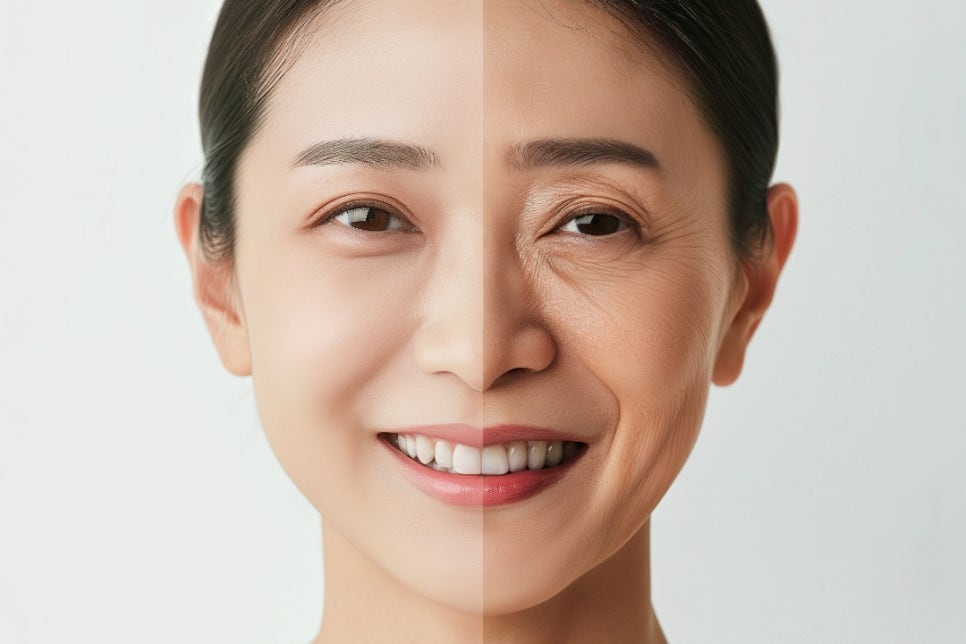
A facelift is a lifting treatment that does not simply pull the sagging skin, but also lifts and secures the deeper SMAS layer beneath the skin. Because the tissues contributing to sagging are repositioned together, it is a representative option considered for moderate to severe facial sagging.
A facelift may be suitable when the cheeks have dropped significantly, the jawline has lost definition, or improvement of neck wrinkles is also desired. Since excess skin is also addressed, it is often performed for people seeking changes that take the balance of the entire face into account.
However, because this method requires incisions, the recovery period and current health status must be carefully considered. After discussing the degree of skin sagging and the desired direction of improvement, it is important to confirm whether this lifting treatment is appropriate for you.
A facelift is not simply a surgery that pulls the skin tight; its key aspect is moving the deeper tissues that contribute to sagging. Therefore, treatment plans often consider sagging in multiple areas, including not only the facial contours but also the nasolabial folds, corners of the mouth, and lower cheek fullness.
As more people have come to prioritize natural-looking changes, customized facelifts that take facial shape and skin condition into account are also being performed more frequently. Rather than creating an excessively tightened appearance, it is important to plan the procedure in a way that improves sagging tissue while maintaining the natural balance of the face.
- How to Choose the Right Lifting Treatment for You

It is difficult to say definitively that either thread lifting or a facelift is better. What matters is taking the current degree of skin sagging, facial structure, age, lifestyle, and other factors into account as a whole.
If an early loss of elasticity is the main concern, thread lifting alone may provide a satisfactory change in some cases. Conversely, if skin sagging has progressed significantly, a facelift may be a more suitable option.
Rather than choosing a popular treatment, finding a lifting treatment suited to your own face can help you achieve a more satisfactory result.
| Category | Thread Lifting | Facelift |
|---|
| Suitable for | Early sagging and reduced elasticity | Moderate to severe sagging |
| Treatment characteristics | Pulls the skin tissue with medical threads to improve facial contours | Lifts the sagging skin and SMAS layer together |
| Expected effects | Refined facial contours and improvement of nasolabial folds and jawline | Improvement of overall facial sagging and neck wrinkles |
| Recovery characteristics | Relatively quick return to daily activities may be possible | The recovery period must be carefully considered |
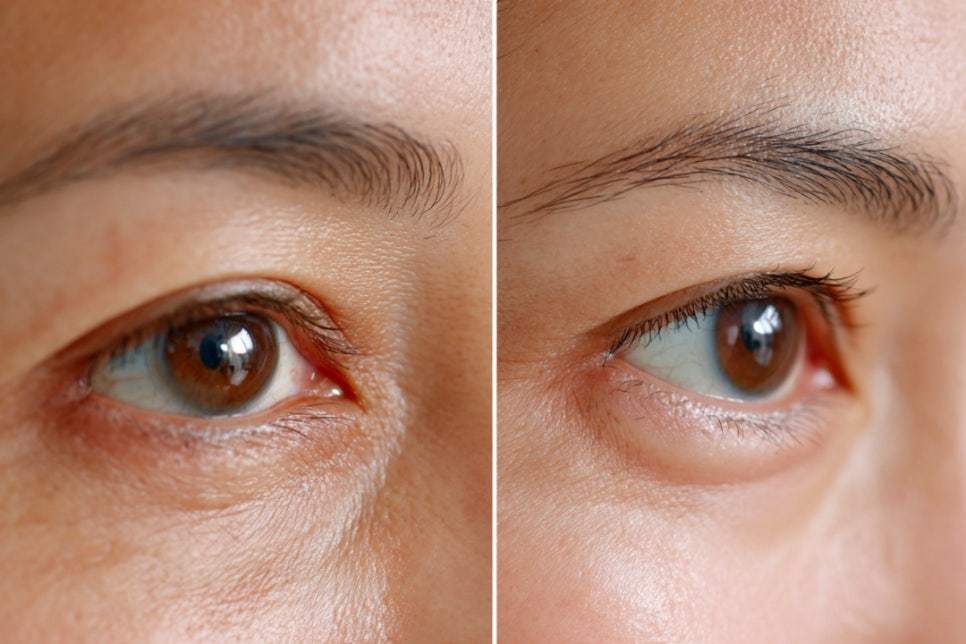
Facial sagging is a natural change that occurs in everyone, but the appropriate method may vary depending on how far it has progressed. It is important to choose a lifting treatment suited to your current condition—for example, considering thread lifting for an early loss of elasticity and a facelift when sagging has progressed significantly.
Rather than automatically choosing one method, thoroughly discussing your skin condition and desired direction of improvement before planning an appropriate lifting treatment may help you achieve more natural-looking changes.
When choosing a lifting treatment, it is better not to base the decision solely on age. Instead, consider current skin elasticity, the location of facial fat, skin thickness, and the causes of sagging together. Even among people in their 40s, the appropriate method may differ between someone with good skin elasticity and someone whose sagging has progressed significantly.
In addition, lifting treatments do not necessarily resolve every concern in a single procedure. Depending on the individual's condition, an appropriate method may be selected and combined with other treatments when necessary. Accurately assessing the current condition of the face through a thorough consultation and creating a plan suited to you may help you achieve a more satisfactory result.