
When people notice a scar that becomes raised as a wound heals, many assume that the symptoms are similar and try to manage them only with the same ointment or bandage.
However, if the redness does not subside over time and the scar spreads to the surrounding skin, it is worth checking whether the appropriate approach for that area has been overlooked.
To give the conclusion first, chest keloids and marks that develop around the ears require completely different priorities between surgical removal and conservative treatment because the skin tension and tissue characteristics differ by location.
This is an easy point to find confusing.
We often see situations in which people approach scars in the same way based only on their appearance, inadvertently increasing irritation and becoming even more concerned.
Let us divide the criteria and examine why the treatment process differs depending on location, as well as what stable management approach may suit your skin condition.
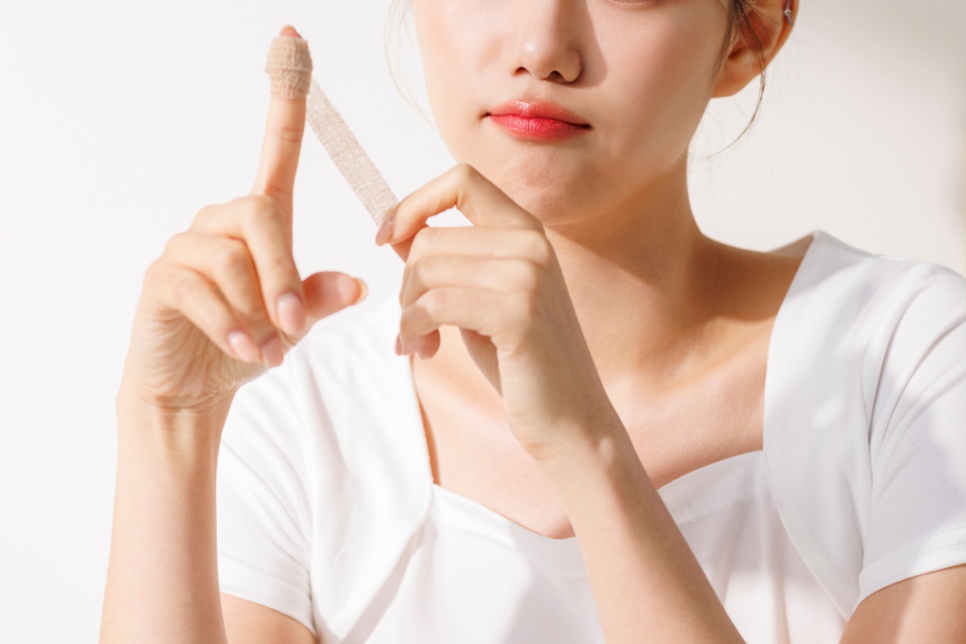
- How do management criteria differ depending on where the scar develops?
The first point to examine is the difference in the physical forces our skin experiences depending on its location.
A keloid is a condition in which fibrous tissue grows excessively during wound healing and enlarges beyond the original boundaries.
Here, environmental factors at the site where it develops play an important role.
The areas around the ear cartilage or earlobe, located on either side of the face, are exposed to relatively little continuous pulling force—or tension—on the skin during daily life.
In contrast, the sternum and front chest are exposed to an environment in which the skin is constantly pulled and expands whenever we breathe or move our arms, which can cause a chest keloid to continue growing.
This is an aspect that is easy to overlook.
Even scars that appear similarly raised on the surface are subject to different levels of underlying physical irritation. Therefore, the methods used to calm and remove them must also be clearly differentiated to help reduce further scar expansion.
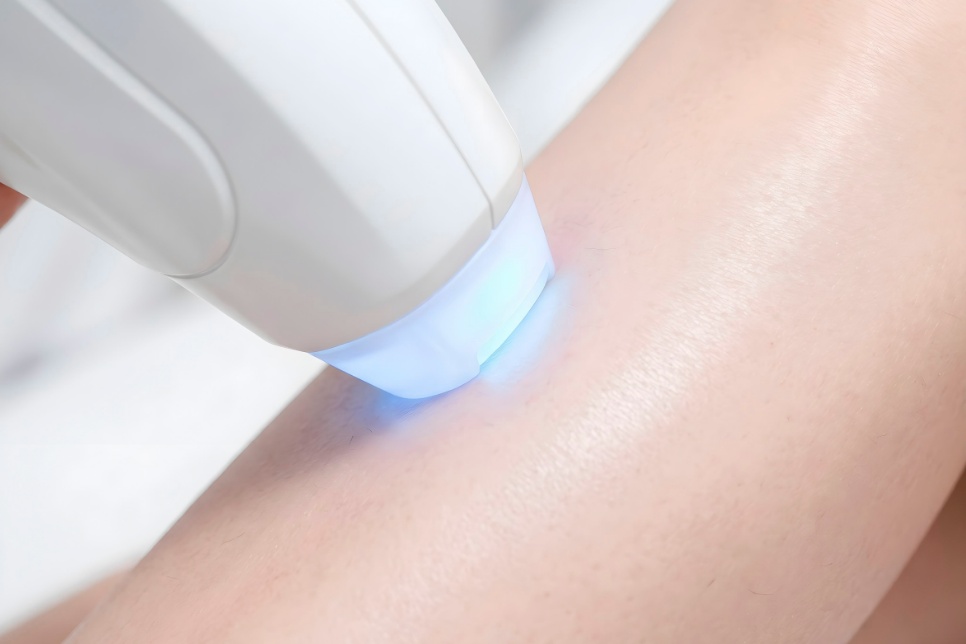
- Areas where excision is prioritized and situations where conservative treatment is recommended
Another point to note is the basis for choosing a specific treatment method.
For marks that develop in the low-tension ear area, precise surgical removal of the scar tissue itself is often considered first.
To reduce recurrence, the wound may be closed together with a procedure that releases the underlying tissue sufficiently, and radiation therapy may also be used when symptoms are severe.
However, chest keloids are different. As mentioned above, this area is normally subject to considerable skin tension. If an incision is made and sutured repeatedly without sufficient consideration, the tension around the wound may increase further, raising the possibility that the scar will grow again.
Therefore, for the sternal area, conservative treatment that stabilizes the dermal layer through laser treatment, radiofrequency, or medication injections is recommended rather than premature excision.
In other words, for areas with low skin tension, physically removing the cause through surgery may be advantageous. For areas with considerable movement and tension, such as the front chest, conservative management that reduces irritation to the dermal layer and gently settles the scar is more appropriate.
Knowing this standard alone can greatly reduce vague anxiety before a consultation.

- Two processes to check to reduce scar expansion after surgery
The treatment approaches by location can be compared at a glance as follows.
| Category | Treatment approach | Main recommended treatments | Characteristics of the environment |
|---|
| Around the ear | Surgical removal considered first | Surgical excision, tissue-relaxing closure, radiation therapy | Relatively little skin pulling (tension) |
| Front chest/sternum | Conservative management considered first | Laser, radiofrequency, medication injections, ointment care | Tension caused by breathing and movement |
Another approach is to protect early scars in daily life.
After undergoing a surgical procedure or plastic surgery consultation, it is advisable to consistently cover the area with a silicone gel sheet or specialized ointment starting immediately after the stitches are removed, in order to help prevent chest keloids from developing.
The area behind the ear and around the sternum is often overlooked during early care because it is not easily visible, so particular attention is needed.
This may help maintain skin moisture and reduce friction from clothing collars, thereby helping to inhibit scar tissue growth around the ears or chest.
This is where judgment becomes important. Rather than simply applying ointment and leaving it at that, you should regularly observe whether the scar is spreading to the surrounding area.
However, treatment responses and the timing of improvement can vary markedly depending on an individual's skin thickness, recovery rate, and constitution.
Therefore, if you notice even subtle changes, it is important not to manage them arbitrarily on your own, but to contact a medical institution and coordinate the management plan according to the medical professional's instructions.

Today, take a moment to check in the mirror the location of any red, raised scar and the degree of pulling in the surrounding skin.
A growing scar does not necessarily mean that excisional surgery is required, nor does it mean that it can never be removed.
If you notice signs that it are spreading beyond the initial wound area, you can start by wearing soft clothing that avoids friction and maintaining moisture with ointment.
I hope the information shared today provides a small clue for those who have been experiencing the same concern because their wound marks have not healed completely.
If you understand the characteristics of the location and continue conservative care suited to your skin environment step by step, you can reasonably expect positive improvement in a chest keloid.
For those who have experienced a similar situation, which aspect—excision or conservative treatment—was the most confusing when you began caring for your scar?