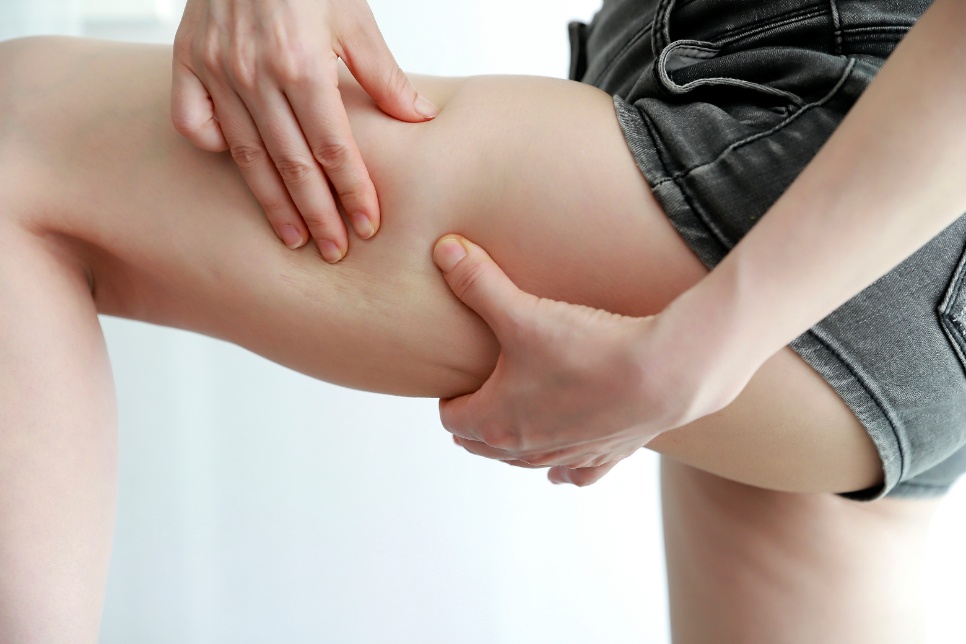
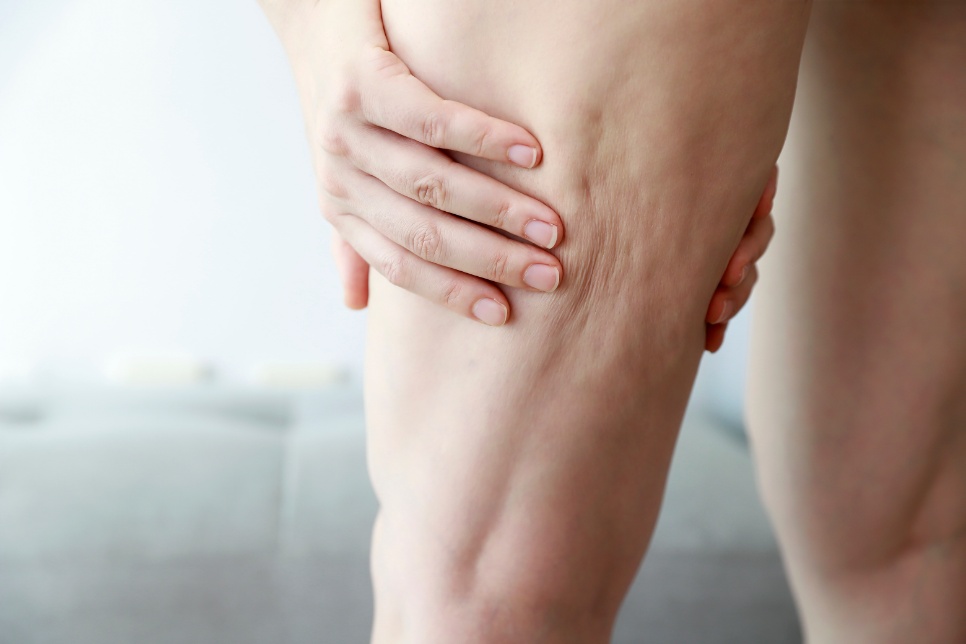
Back-thigh cellulite refers not simply to an accumulation of fat, but to a condition in which fat cells, bodily fluids, and fibrous tissue become entangled and harden.
The appropriate treatment method varies depending on whether the uneven skin surface is caused by enlarged fat cells, swelling due to poor circulation, or reduced skin elasticity.
Because it is difficult to break apart entangled fibrous tissue through exercise or dietary changes alone, many people consider medical treatments.
However, it may be difficult to achieve the desired changes without accurately identifying the current stage of the cellulite and its main contributing factors.
Let us look at how the treatment plan may vary depending on an individual’s skin condition, muscle mass, and tissue thickness.

- Characteristics of Cellulite That Differ from Simple Fat
Cellulite occurs when tissue changes as fluids and waste products become stagnant around enlarged fat cells.
This is why uneven nodules can develop on the back of the thighs even in people with a slender build.
Changes in female hormones and spending long periods sitting can reduce microcirculation in the lower body.
As a result, the connective tissue surrounding the fat cells hardens and pulls the skin inward.
This creates the characteristic cellulite appearance, in which the skin surface looks dimpled like an orange peel.
Identifying the Three Main Causes According to the Current Condition
To choose an effective treatment, it is necessary to determine which of the following causes has the greatest influence on the current condition of the back thighs.
Cellulite can generally be divided into three types according to its main cause:
-
Fat-dominant type: Cellulite becomes more noticeable along with overall higher body fat and weight gain in the thighs
-
Edema-dominant type: Cellulite develops as waste products accumulate due to frequent leg swelling and poor circulation
-
Reduced-elasticity type: Cellulite becomes visible as the tissue sags after weight loss or with aging due to reduced skin elasticity
Although the appearance may seem similar, the actual condition of the subcutaneous fat layer and fascia may differ.
Therefore, diagnosis through ultrasound or palpation is important for determining the extent of the entanglement.
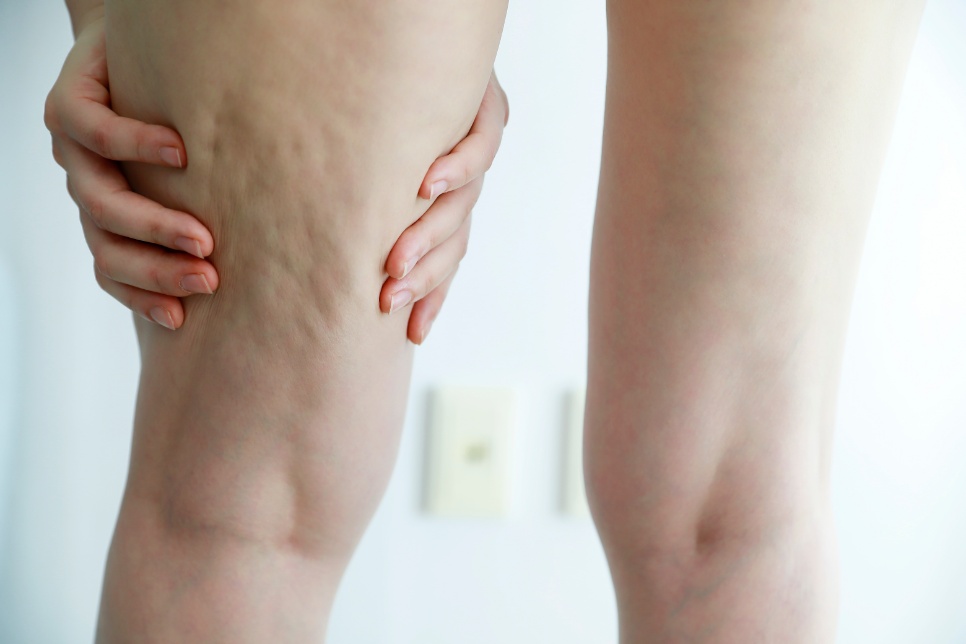
- Treatments for Significant Fat Enlargement and Fibrosis
If fat accumulation is the primary cause, treatments that reduce the size of fat cells and break down hardened fibrous membranes are generally considered.
Common options may include fat-dissolving injections or body ultrasound (HIFU) devices.
These treatments work either by injecting a specific solution to soften clumped fat or by delivering strong ultrasound energy to the subcutaneous fat layer to reduce unnecessary fat cells.
However, because the energy must reach layers deep within the skin, its intensity and depth should be adjusted according to the practitioner’s assessment.
- Treatments When Poor Circulation and Swelling Are Present
If swelling is severe and lymphatic circulation is not smooth, extracorporeal shock wave or radiofrequency treatments may be used to loosen the tissue with physical energy.
Extracorporeal shock wave treatment delivers powerful waves from outside the skin to make entangled fibrous tissue more flexible.
Body radiofrequency treatment generates deep heat inside the skin to promote circulation and assist with the removal of waste products.
Reducing swelling first can make hardened nodules noticeably softer and may also provide a foundation for improving the effectiveness of other treatments.
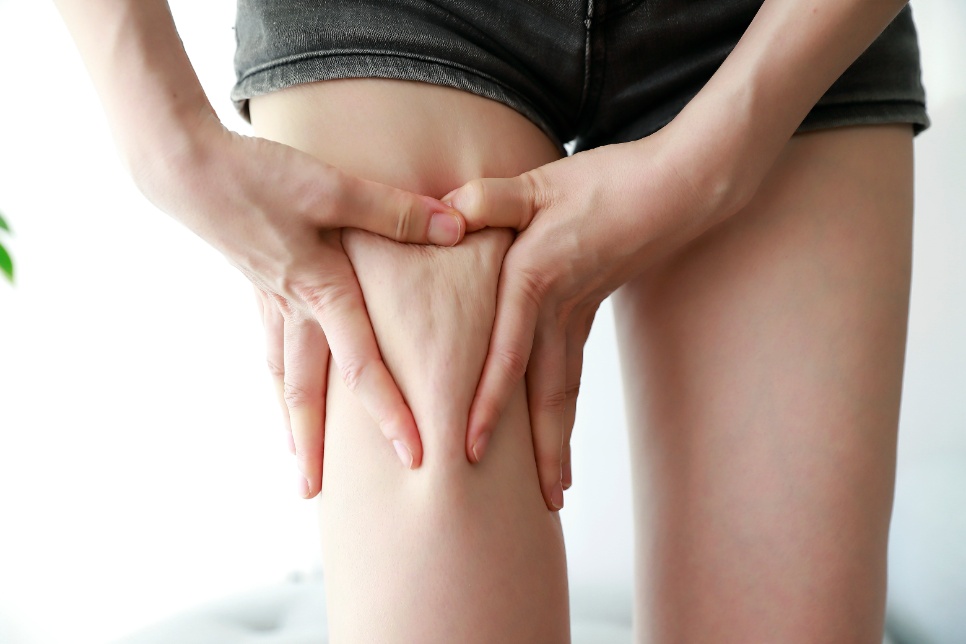
- When Skin Sagging and Reduced Elasticity Are Noticeable
If cellulite becomes more prominent as the skin surface loses firmness and sags, a tightening treatment designed to stimulate collagen regeneration in the dermal layer may be prioritized over fat reduction.
Options may include using a radiofrequency device designed specifically for the body or injecting medical threads to support the skin tissue.
The main goal is to strengthen the skin barrier by firming the thinned dermal layer so that the underlying nodules are less visible through the skin.
Comparison of Main Treatment Methods by Cause
The following table summarizes the general differences between treatment methods commonly considered according to the primary cause.
| Primary cause | Main treatment goal | Commonly applied treatment methods |
|---|
| Fat-dominant type | Reduction of fat cells and breakdown of fibrous membranes | Fat-dissolving injections, body ultrasound (HIFU) |
| Edema-dominant type | Improvement of microcirculation and removal of waste products | Extracorporeal shock waves, body radiofrequency |
| Reduced-elasticity type | Collagen regeneration and tightening of the dermal layer | Body radiofrequency, body-lifting devices, thread lifting |
The information above summarizes general differences, and whether a treatment is appropriate and how the treatment plan is designed may vary depending on examination results and the individual’s condition.
In particular, when multiple causes are involved, several treatments may be performed in combination.
- Frequently Asked Questions
When can I return to my daily activities after treatment?
Most nonsurgical treatments allow you to return to your daily activities on the same day without a separate recovery period. However, injection treatments may cause temporary swelling or mild bruising at the injection site, which usually subsides within a few days.
Will the results be maintained with treatment alone, even without exercise or dietary changes?
Although treatment can loosen entangled tissue, cellulite can recur at any time if weight is regained or unhealthy lifestyle habits continue. Therefore, it is important to combine treatment with regular stretching, adequate fluid intake, and weight management.
How many treatments are needed before I notice a change?
The number of treatments required can vary considerably depending on the current stage of back-thigh cellulite and the degree of fibrosis. If the nodules are large and hard and the condition is moderate or more advanced, repeated treatments at weekly intervals may be necessary. The specific interval is determined according to the medical professional’s plan.
- Conclusion
Unlike simple fat, back-thigh cellulite involves entangled fibrotic tissue, so it may be difficult to improve with a single method alone.
The approach should differ completely depending on whether the main cause of the uneven skin surface is fat, a circulation problem, or reduced elasticity.
Rather than indiscriminately following a treatment that others have found effective, the priority is to objectively assess the current condition of your skin and subcutaneous fat layer.
To establish an appropriate treatment direction, consult thoroughly with your medical professional based on the examination results before deciding on a treatment plan.