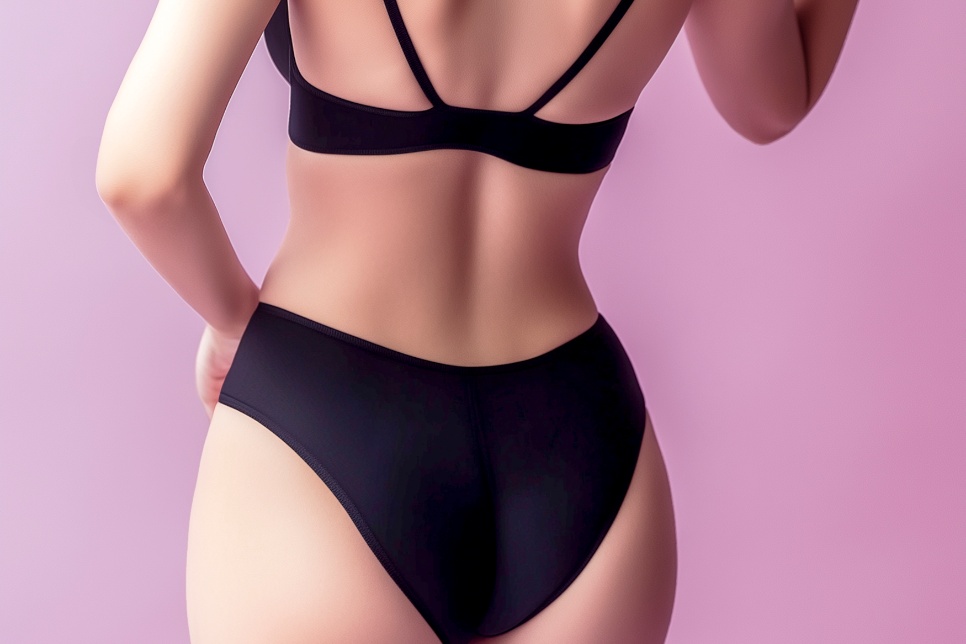
Many people today put considerable effort into managing their body shape to achieve beautiful curves, with particular interest in improving the volume of the upper buttocks.
In daily life, they consistently try to create the desired volume through dietary adjustments and various physical activities.
In particular, it is common to first practice exercise routines aimed at strengthening the lower-body muscles, hoping for positive changes in body shape.
However, due to differences in innate body shape and fat distribution, it can sometimes be difficult to achieve the desired rounded contours through personal efforts alone.
In such cases, autologous fat grafting may be considered as a medical alternative, but its characteristics and precautions should be reviewed beforehand.
| Information to Check for Body-Shape Improvement |
|---|
| 1. Assess situations in which the body appears to lack volume 2. Understand the limitations of improvement through self-care 3. Learn about the characteristics of fat grafting as an alternative 4. Identify the factors to discuss with a medical professional before deciding to proceed 5. Frequently asked questions about body-shape improvement methods |
- Assess situations in which the body appears to lack volume
Body balance is an important factor in determining the overall contours.
When the line from the waist to the lower body looks flat, many people worry that their clothes do not fit the way they want.
This can be especially noticeable when there is naturally insufficient volume above the pelvis or around the upper buttocks.
This body-shape characteristic differs from simply having a low body weight.
Because skeletal structure and the distribution of subcutaneous fat vary from person to person, a specific area may appear particularly sunken or flat.
Therefore, the first step should be to objectively identify your own body-shape characteristics.

- Understand the limitations of improvement through self-care
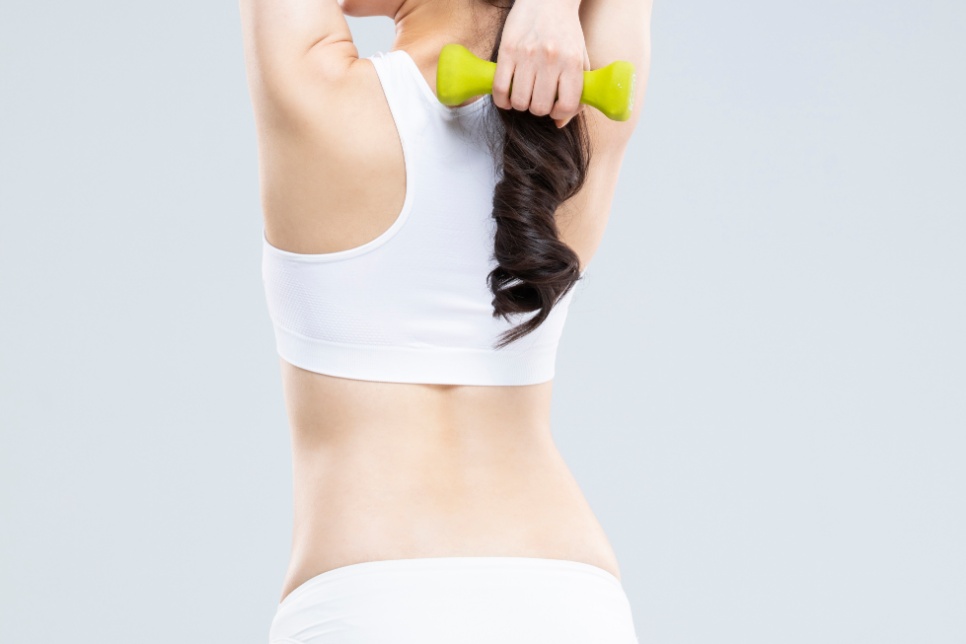
In general, the first method people try to improve hip lift or the lower-body line is strength training.
They work to improve firmness by stimulating the gluteus maximus and gluteus medius through exercises such as squats and lunges.
However, muscle growth takes a long time, and there are significant individual differences in muscle shape and natural development.
In areas with an absolute lack of subcutaneous fat cells, it may be difficult to create the desired soft curves even by building muscle.
This is because it is realistically difficult to selectively increase the volume of subcutaneous fat in a specific area through ordinary physical activity alone.
- Learn about the characteristics of fat grafting as an alternative
To supplement areas that are difficult to fill through personal efforts, medical institutions may suggest autologous fat grafting as an alternative.
Fat is harvested from areas with sufficient subcutaneous fat, such as the abdomen or thighs, and carefully grafted into the upper buttocks.
A key characteristic of this method is that it uses the patient’s own tissue rather than artificial implants.
As the grafted fat undergoes the engraftment process, it can help maintain a soft feel and natural shape similar to the body’s original tissue.
In addition, because the procedure includes liposuction from areas with excess fat, it may help improve the proportions of the body as a whole.
The following are points for self-assessment and considerations before proceeding.
-
Identify where you feel there is insufficient volume in your current lower-body line
-
Determine whether there is enough excess fat available for harvesting from areas such as the abdomen or thighs
-
Check whether you have experienced frequent recent weight changes or are planning an overly restrictive diet in the future
-
Assess whether you can allow sufficient recovery time before returning to daily life
The items above are for reference only. Whether the procedure is actually possible should be confirmed through an examination by a medical professional, such as an ultrasound evaluation.

- Identify the factors to discuss with a medical professional before deciding to proceed
For a successful outcome, an appropriate design suited to the individual’s body shape is more important than simply injecting a large amount of fat.
Excessive injection may instead reduce the fat-engraftment rate or cause side effects such as inflammation and calcification, so particular caution is necessary.
Therefore, it is recommended to seek a medical professional with a strong understanding of anatomy and extensive clinical experience with fat grafting.
Before surgery, the thickness of the subcutaneous fat and the location of the muscles should be carefully assessed using detailed analysis equipment.
In addition, safety can be improved through thorough consultation that considers individual lifestyle habits, such as whether an overly strenuous anaerobic exercise plan during recovery could adversely affect the engraftment process.
- Frequently asked questions about body-shape improvement methods
Are the grafted fat cells maintained permanently?
Fat cells that survive after the engraftment period have semi-permanent characteristics.
However, if your weight changes rapidly or you attempt excessive dietary restriction, the volume in the grafted area may also decrease along with changes in your body. Maintaining a consistent weight is therefore necessary.
Will scars remain in the areas where fat was harvested? Because a fine cannula is used, the incision is small and generally gradually fades over time.
However, the time and extent of scar recovery may vary depending on an individual’s skin characteristics and constitution.
When can I return to daily activities after the procedure?
Light walking and ordinary activities that do not cause strain are possible within a few days.
However, to improve the engraftment rate, it is recommended to sleep on your stomach for approximately 3–4 weeks so that the grafted area—the upper buttocks—is not directly compressed. Tight pants and compression underwear should also be avoided.
How should I manage physical activity during the recovery period?
Until the fat cells have fully stabilized, it is advisable to limit activities that place strong pressure on the grafted area or involve intense exercise that excessively raises the heart rate.
As the wound heals and the tissue settles, you should gradually expand the range of activities according to the timing and guidance provided by your medical professional.
If you are stressed by a flat, unrounded body shape, you should carefully compare the various methods available for improving volume in the upper buttocks.
The first step is to clearly understand your current body balance, fat distribution, and skeletal characteristics.
Rather than insisting solely on exercise-based muscle building, you should remain open to considering whether a medical alternative is appropriate when the limitations of self-care are clear.
Fat grafting can be a positive alternative for enhancing the curves of the body, but it also carries medical risks such as bleeding and infection, so indiscriminate choices should be avoided.
After receiving sufficient consultation and diagnostic evaluation in advance, we hope you will determine the body-management approach that is most appropriate for you.