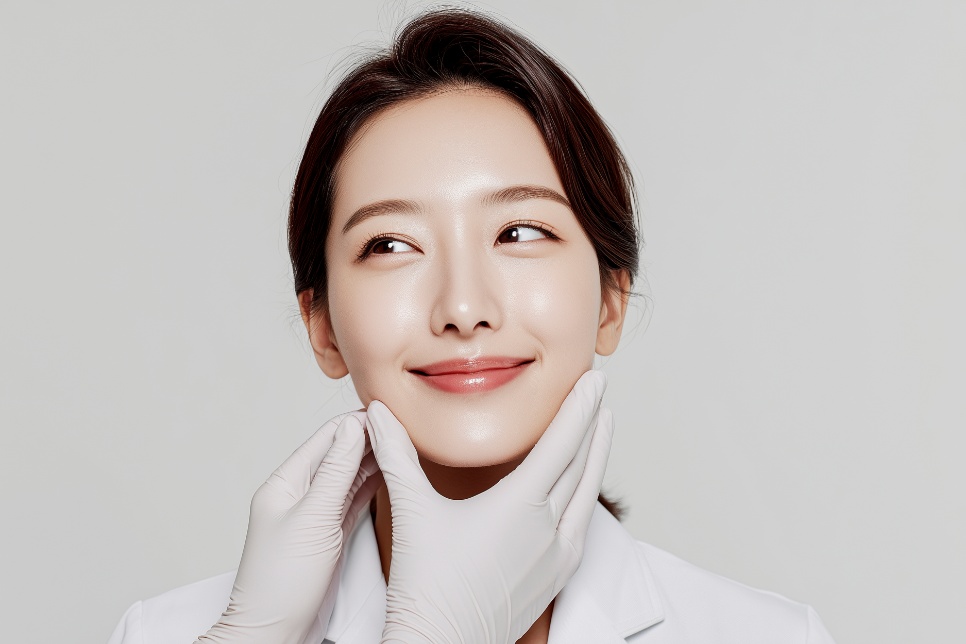
Botox can be administered in a relatively short time, and most people can quickly return to their daily activities. For this reason, many people consider it for improving wrinkles in areas such as the glabella, forehead, and around the eyes.
Because the procedure itself may seem simple, it can be easy to assume that you can go about your day as usual, even on the day of treatment. If you have a work dinner or social gathering coming up, in particular, you may wonder whether it is okay to drink alcohol after Botox.
It cannot be definitively said that having a drink after Botox will necessarily reduce the treatment's effects. However, alcohol can dilate blood vessels and affect inflammation, swelling, and bruising, so it is generally recommended to avoid it as much as possible immediately after the procedure.
So how long should you avoid alcohol after receiving Botox, and what other lifestyle habits should you be careful about?
- Why Is It Better to Avoid Alcohol After Botox?
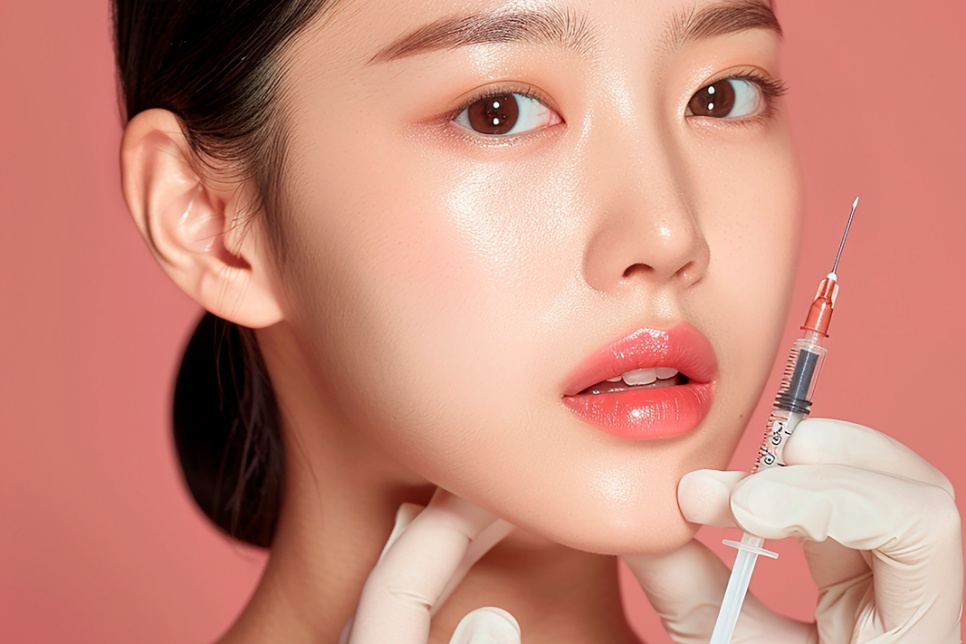
Botox works by injecting botulinum toxin into the muscles of the targeted area to temporarily inhibit the signals transmitted from the nerves to the muscles. As muscle movement is reduced, it can be used to soften wrinkles that repeatedly form due to facial expressions.
Although a very fine needle is used during the procedure, it can still cause minor irritation to the skin and tissues. As a result, the injection site may be slightly red or swollen, and small bruises may appear immediately after treatment.
If you drink alcohol at this time, the resulting blood vessel dilation may cause facial redness or make swelling and bruising more noticeable. Excessive drinking can also leave you feeling unwell, which may negatively affect recovery at the treatment site. Therefore, it is best to refrain from drinking alcohol for a certain period after Botox.
People whose faces tend to become red or swollen easily after drinking should be especially careful.
- When Can You Drink Alcohol After Botox?
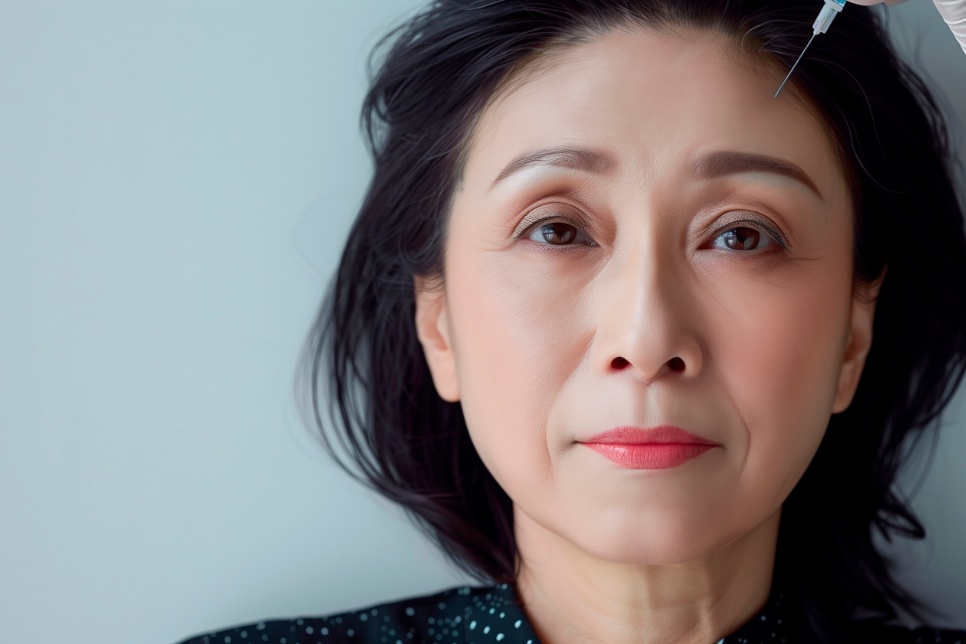
There is no single absolute standard that applies to everyone regarding how long to avoid alcohol after Botox. Instructions from medical professionals may vary depending on the treatment area, dosage, and individual skin condition.
In general, you should avoid alcohol at least on the day of treatment, and some medical institutions may advise abstaining for several days to about a week. Therefore, it is best to follow the precautions provided by the medical institution where you received treatment as a priority.
If swelling, bruising, or a feeling of heat remains around the injection site, it is better to postpone drinking until the area has recovered.
You may think that “one beer should be fine,” but people differ in their reactions to alcohol and their recovery times. If you have an important appointment or drinking occasion planned, one option is to schedule your Botox treatment with enough time before the event.
- Be Careful About Saunas and Exercise as Well
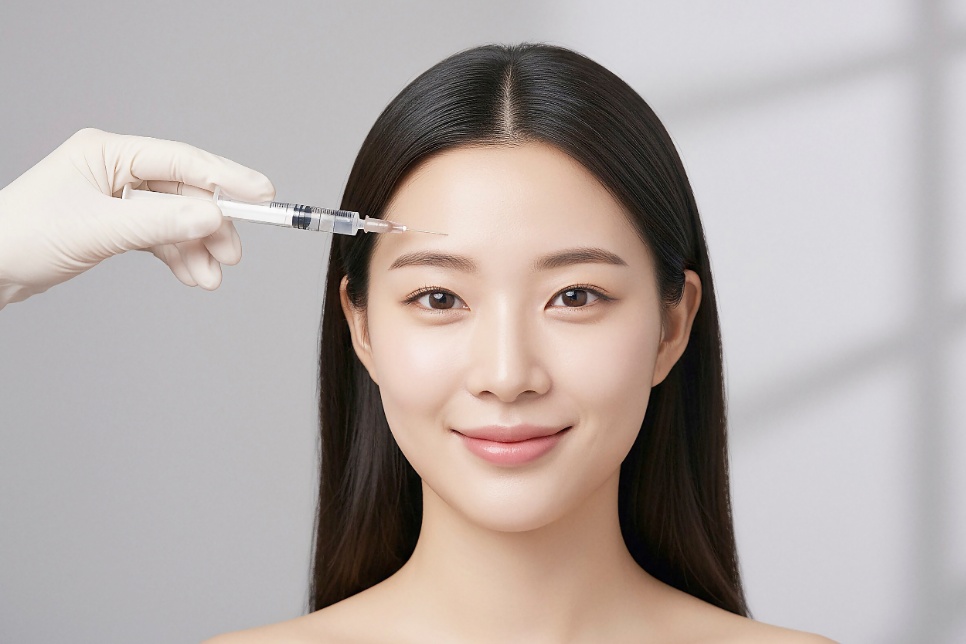
Avoiding alcohol is not the only aftercare required following Botox. Immediately after the procedure, it is also best to avoid activities that significantly raise your body temperature or rapidly increase blood circulation.
Typical examples include saunas, Korean-style bathhouses, hot baths, and strenuous exercise. Engaging in these activities immediately after treatment may cause your face to become red more easily or increase swelling.
You should also avoid pressing or rubbing the treated area forcefully. Treatments that apply strong pressure to the face, such as massages or facial acupressure treatments, should also be postponed for the period recommended by your medical professional.
When washing your face or applying makeup, it is best to care for the treated area gently without rubbing it too vigorously.
However, the necessary precautions and duration may vary depending on the area treated and the method used. Following the instructions provided after your procedure is therefore most important.
- When Do the Effects of Botox Appear?
Botox does not make wrinkles disappear immediately after treatment. The effects gradually appear as botulinum toxin acts on the transmission of signals between the nerves and muscles.
In general, you may begin to notice reduced muscle movement after several days, with the effects becoming established over a subsequent period of time. The timing of the effects and how long they last may vary depending on the treatment area, the amount used, the individual's degree of muscle development, and lifestyle habits.
Botox also does not have the same effect on every type of wrinkle. It may be used for expression lines that become prominent when you frown or open your eyes wide, for example. However, deeply established wrinkles that remain visible even when your face is at rest or sagging skin may require other anti-aging treatments.
Therefore, rather than simply injecting a large amount, it is important to create an appropriate treatment plan that takes into account your facial muscle movements and the causes of your wrinkles.
- In Addition to Drinking Alcohol After Botox, Monitor Changes After Treatment

Because Botox is an injectable procedure, small bruises, swelling, or pain at the injection site may occur immediately afterward. In most cases, these symptoms improve over time.
However, if uncomfortable symptoms are severe or last longer than expected, it is best to contact the medical institution where you received treatment rather than massaging the area yourself or receiving other treatments.
Results can also vary depending on the injection location and dosage. Because the muscles of the face influence one another, it is important to plan treatment based not simply on where wrinkles are present, but also on the individual's facial expressions and muscle movements.
If you have an important event or gathering coming up, it is best to allow enough time rather than scheduling it immediately after treatment, taking into account the possibility of swelling or bruising.
If you are planning to drink alcohol after Botox, avoid it on the day of treatment and continue to follow the alcohol-free period recommended by your medical professional so that the treated area has enough time to stabilize. For both the effects of Botox and a safe recovery, it is important to follow all post-treatment precautions, including avoiding alcohol, strenuous exercise, and saunas.