Moles, Warts, Milia, and Skin Tags: CO2 Laser Management



Moles, warts, milia, and skin tags that appear on the face can be bothersome even when they do not cause any particular symptoms.
Many people put off treatment because they are unsure which method would be safe, even when they want to have them removed.
MI.K CLINIC provides detailed guidance on managing skin lesions, including mole removal with a CO2 laser.
Today, we will summarize how this laser works and how to care for the treated area afterward.
Key Points
✔ A CO2 laser is a carbon dioxide laser that reacts with moisture in the skin to precisely vaporize lesion tissue.
✔ It can be used to remove various lesions, including moles, age spots, milia, and flat warts, and may also be used for scar resurfacing.
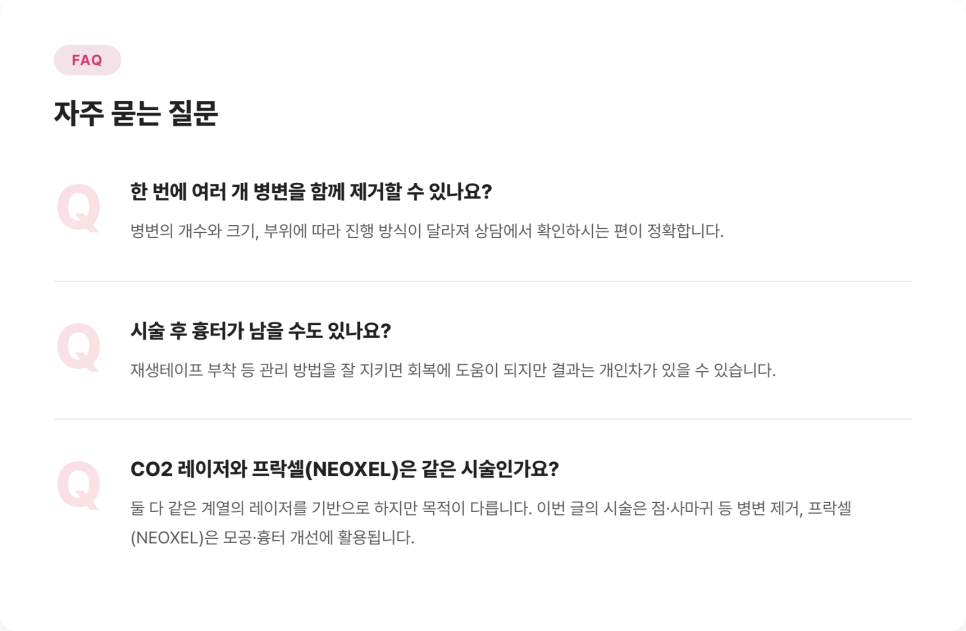
✔ Scabs may form after treatment, so applying a healing tape for about one week is recommended. The recovery process varies from person to person.
MI.K CLINIC · Seocho-gu, Seoul
Q1. How does a CO2 laser remove lesions?
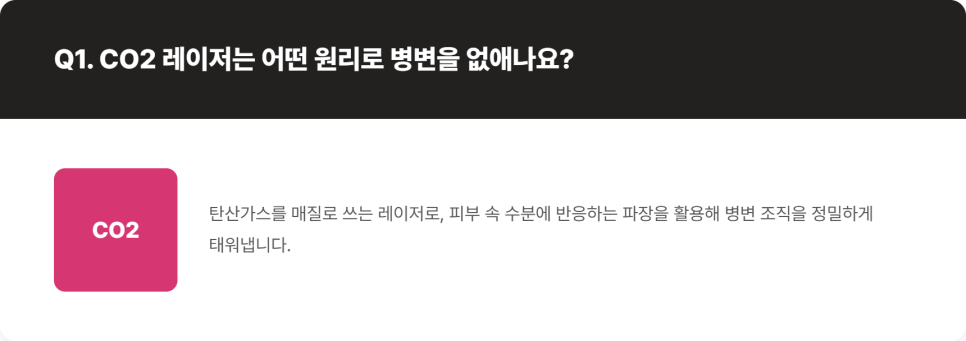
This laser uses carbon dioxide as its medium.
It uses a wavelength that reacts with moisture in the skin to precisely vaporize lesion tissue.
With this approach, raised lesions on the skin’s surface, such as moles and age spots, can be treated by area, as explained by the clinic.
It may also be used for scar resurfacing. However, the specific range of applications varies depending on the condition of the lesion.
Please confirm the exact treatment method during your consultation.
Q2. Can moles, warts, milia, and skin tags be managed together?
Moles, warts, and milia commonly found on the face vary in shape and location.
For this reason, many people find it difficult to choose the right method even when they want to have them removed.
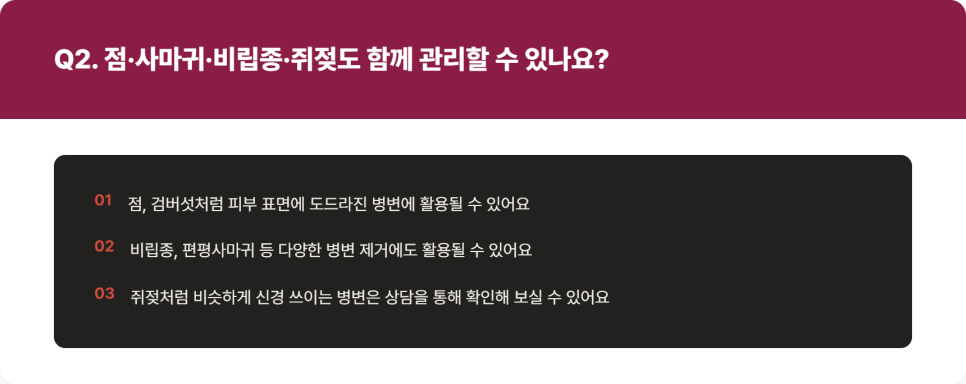
A CO2 laser may be used to remove various lesions, including moles, age spots, milia, and flat warts, as explained by the clinic.
You can also ask during your consultation whether lesions that cause similar concerns, such as skin tags, can be treated with this procedure.
The treatment method varies depending on the size, location, and number of lesions, so please receive precise guidance during your consultation.
Q3. How is it different from Fraxel (NEOXEL)?
MI.K CLINIC also offers a procedure called Fraxel (NEOXEL), which is based on a CO2 laser.
The names may be confusing because they are similar, but their purposes are different.
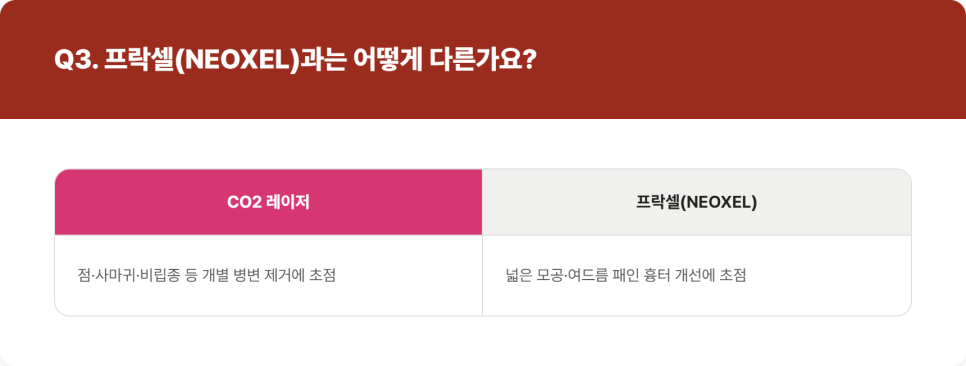
The procedure discussed in this article focuses on removing individual lesions such as moles, warts, milia, and skin tags.
In contrast, Fraxel (NEOXEL) uses fine laser beams to induce collagen regeneration and improve enlarged pores or depressed acne scars.
Both procedures use lasers in the same wavelength range, but their treatment purposes differ. Please confirm which procedure is appropriate for your concerns during your consultation.
Q4. How should I care for the treated area afterward?
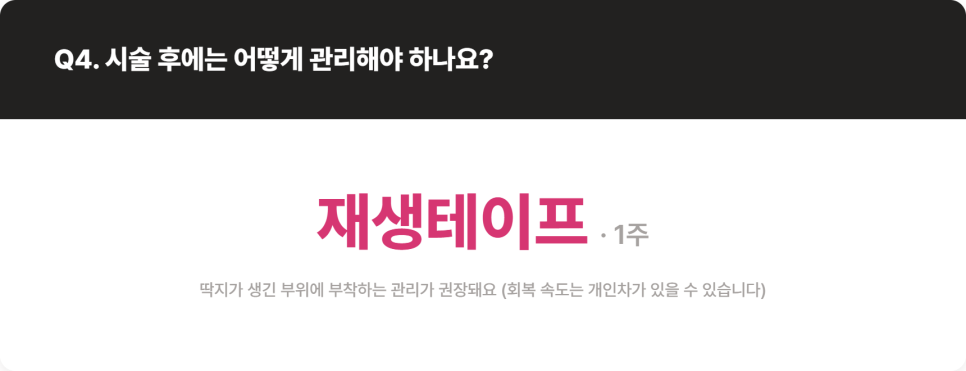
A scab may form on the area where the lesion was removed after treatment.
Applying a healing tape to this area for about one week is recommended.
Take care not to remove the scab yourself before it falls off naturally.
The recovery time and results may vary from person to person. Detailed aftercare instructions will be provided during your consultation.

If you are concerned about moles, warts, milia, or skin tags on your face, please contact MI.K CLINIC.
Detailed guidance on the treatment method and aftercare will be provided during your consultation.


👉 Inquire about booking a consultation via KakaoTalk
📞 Telephone inquiries: 1600-9083
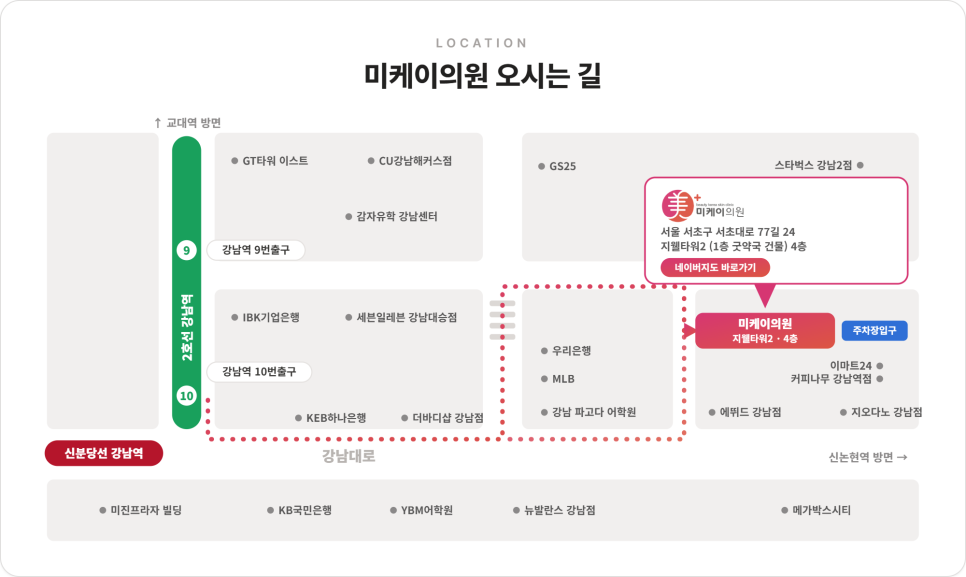
MI.K CLINIC | MI.K CLINIC / 4th Floor, 24 Seocho-daero 77-gil, Seocho-gu, Seoul / Inquiries: 1600-9083
* This post is for informational purposes only, and treatment effects and side effects may vary from person to person.

#MI.KCLINIC #CO2Laser #MoleRemoval #Milia #DermatologyClinic