Mangwon-dong Dental Clinic Orthodontics
For Restoring Function
As interest in appearance has recently increased, more people have been considering orthodontic treatment, and at Mangwon-dong Dental Clinic, orthodontics was recommended not only for cosmetic reasons but also to restore tooth function.
If you had malocclusion, it was often the case that orthodontic treatment was received to align crooked teeth, and malocclusion referred to all cases that were not normal occlusion.
This included cases where the alignment of the teeth was visibly crooked, and even if it was not easily visible to others, there were cases where the molars did not fit together properly, and protruding teeth also fell under malocclusion.
There were various types of malocclusion. Malocclusion could be classified by vertical criteria and anteroposterior criteria, and the treatment method could also differ depending on the type.
When malocclusion was classified according to vertical criteria, it could be divided into deep bite and open bite. A deep bite was a case in which the front teeth overlapped deeply when the mouth was closed.
In many cases, this occurred because the lower front teeth protruded upward toward the palate, and in severe cases, the lower front teeth could become worn down or touch the palate, causing the gums to swell.
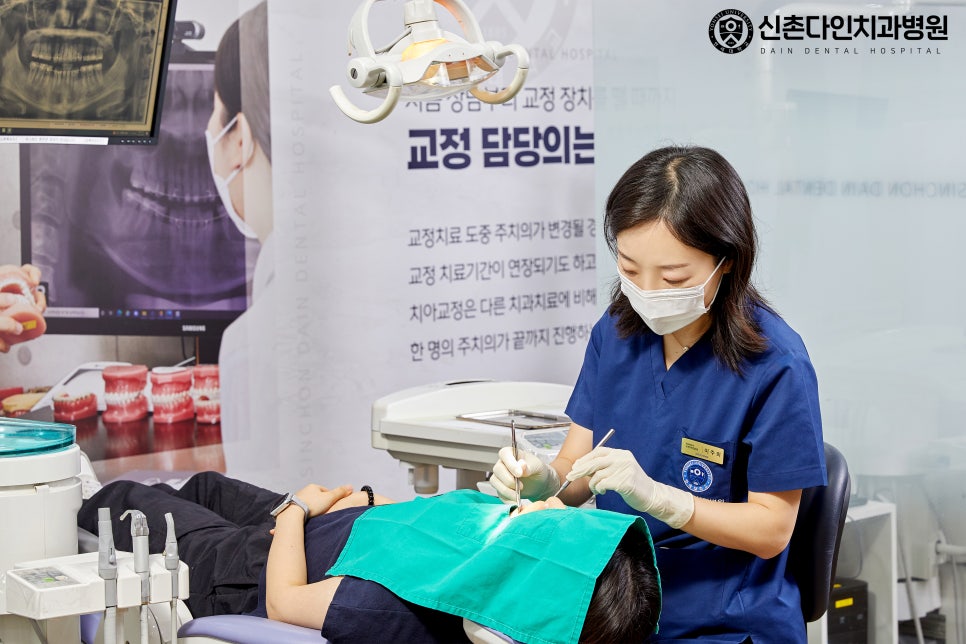
An open bite referred to a case in which the upper and lower teeth could not interlock with each other. Because the front teeth did not fit together well, chewing function could decline or speech could become slurred.
Malocclusion could also be classified according to anteroposterior criteria. If there was no skeletal problem but the alignment of the teeth was uneven, it was called Class I malocclusion.
Class II malocclusion referred to a case in which the lower jaw was smaller than the upper jaw, causing the teeth to be positioned posteriorly. Protruding teeth or a recessed chin fell into this category.
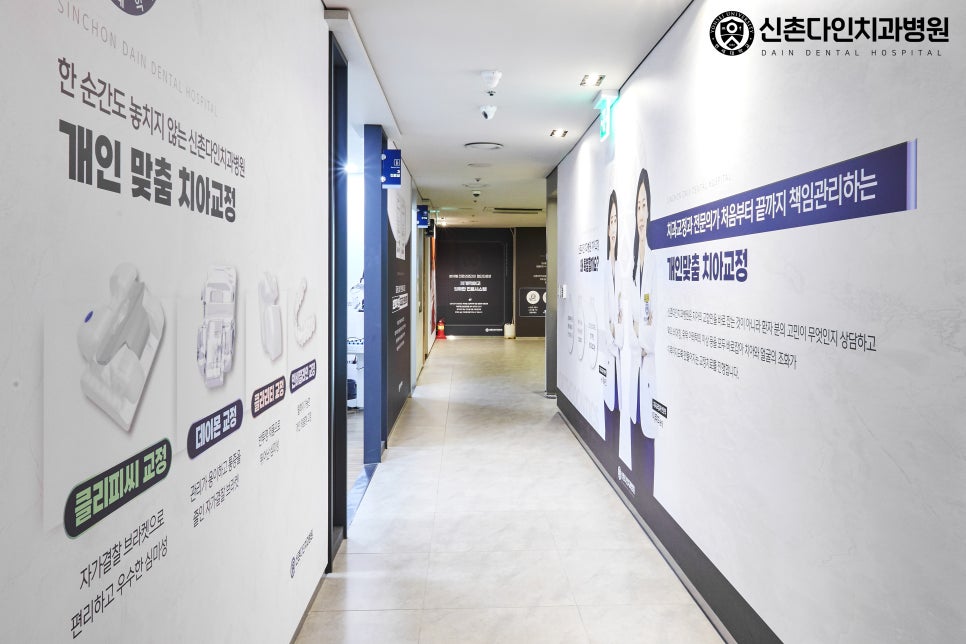
Class III malocclusion referred to a case in which the lower jaw was excessively large compared to the upper jaw, or a case in which there was no problem with jaw size but the front teeth were biting in reverse.
If malocclusion was left untreated, other problems could arise. If the molars did not fit together completely, it could place strain on the temporomandibular joint or jawbone.
In addition, because the teeth did not occlude properly, chewing force, which is the force used to chew food, could decrease, and as a result, digestive function could weaken.
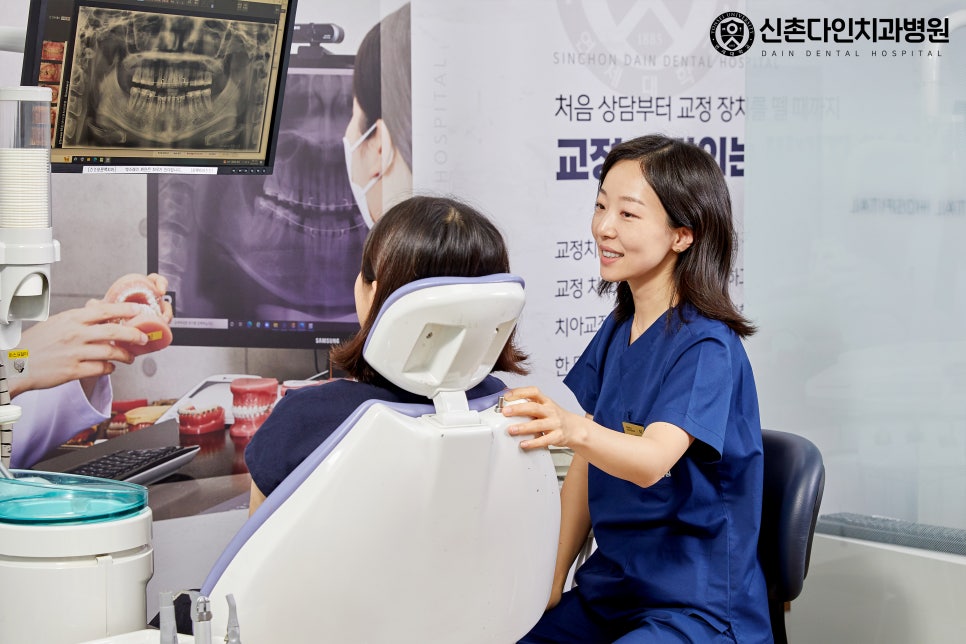
Therefore, to restore tooth function, orthodontic treatment could be helpful. Orthodontics was a treatment that moved teeth by applying physical force.
Orthodontic treatment periods differed depending on the shape of the patient's teeth and the type of problem, and the treatment method could also vary, so several factors had to be considered.
First, before orthodontic treatment, it was necessary to check whether a detailed diagnosis was made to establish a treatment plan suited to the patient, and whether medical staff with extensive clinical experience were present.
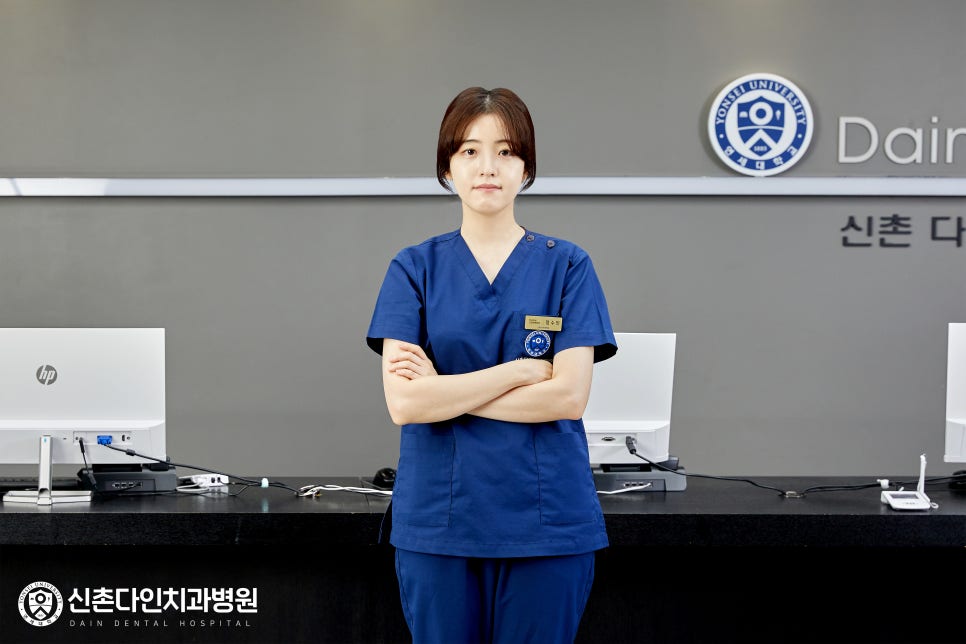
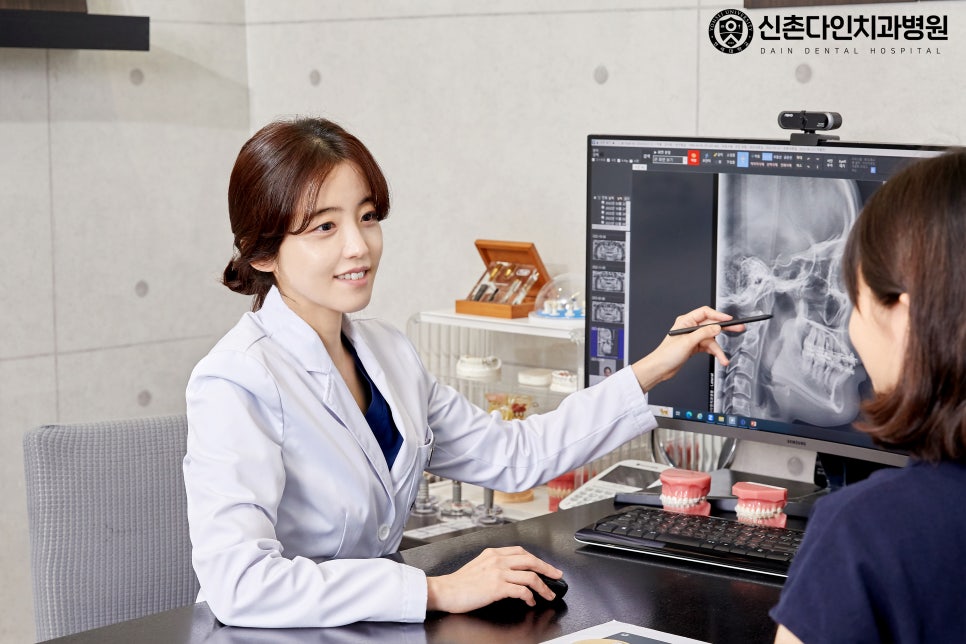
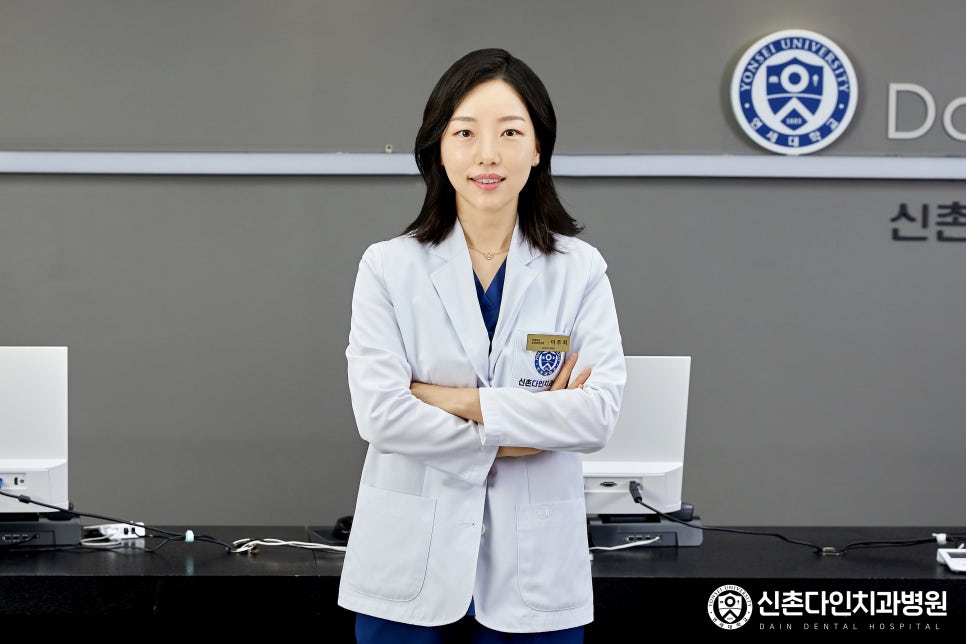
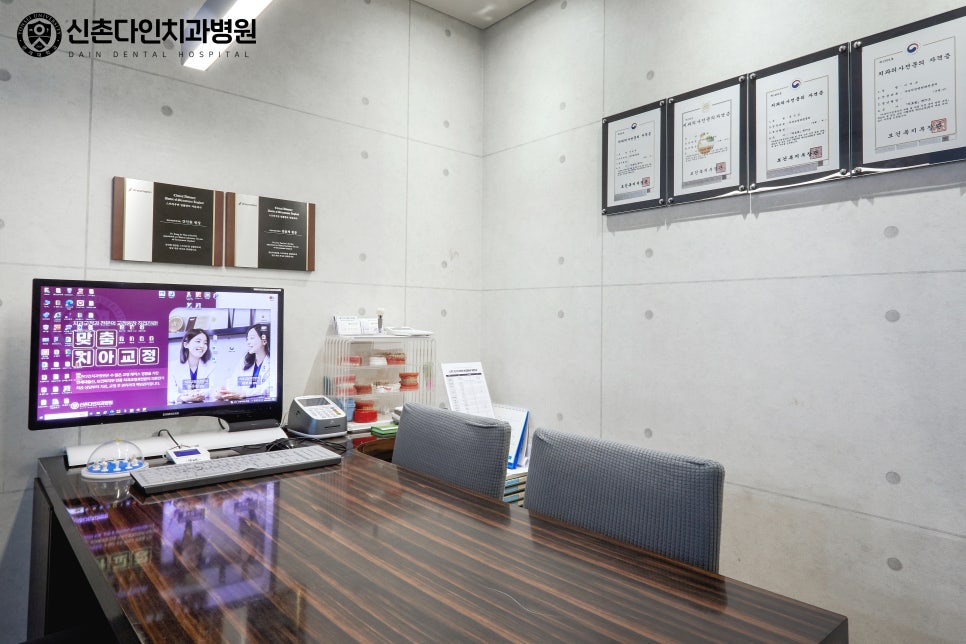
At the nearby Mangwon-dong Dental Clinic, treatment was handled by medical staff who graduated from Yonsei University College of Dentistry and held specialist certification in orthodontics accredited by the Ministry of Health and Welfare.
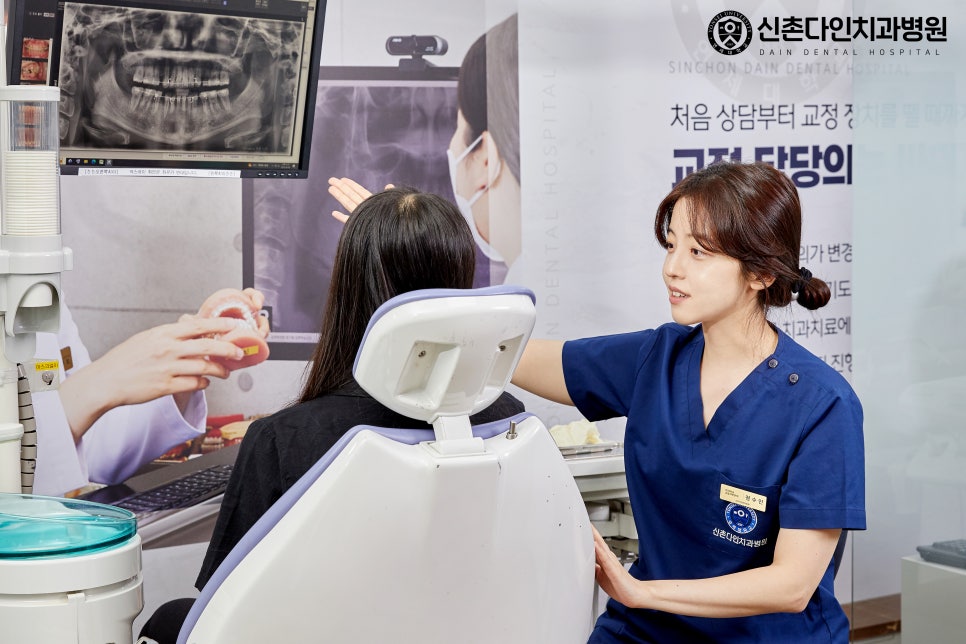
Because they were orthodontic specialists who had seen many orthodontic cases, they carefully assessed the patient's oral condition and carried out orthodontic treatment so that the teeth and face would be in harmony.
They also precisely diagnosed the patient's oral condition using 3D-CT equipment and, based on this, selected an orthodontic appliance suited to the patient for treatment.
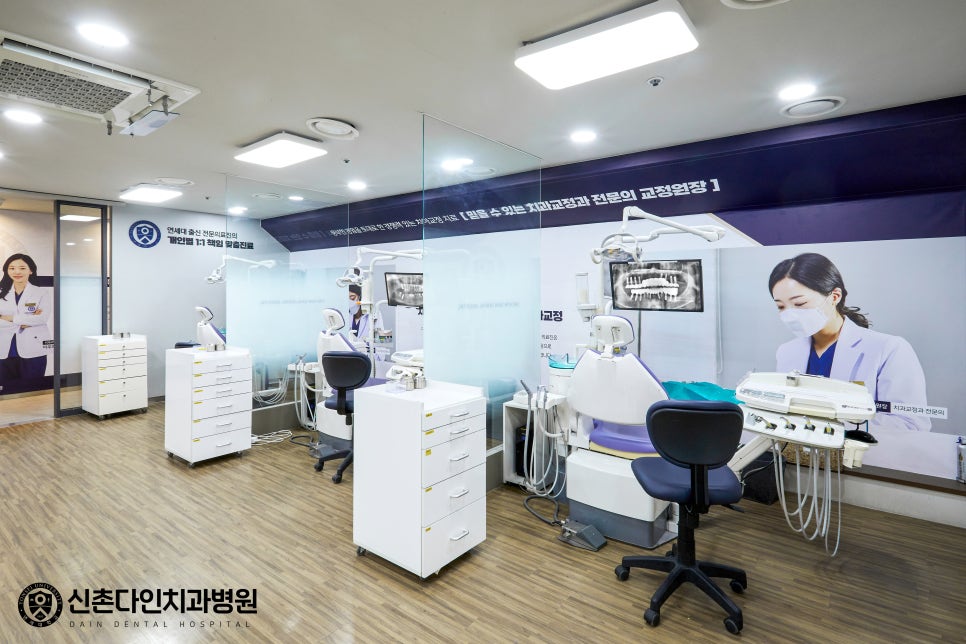
In the past, metal braces were often used for orthodontic treatment, but recently the types of appliances have diversified, making it possible to receive orthodontic treatment while also satisfying esthetics.
Since the advantages of orthodontic appliances differed by type, it was best to choose an appliance that matched your dental condition through consultation with the medical staff.
In the case of Clippy C orthodontics, instead of the rubber bands or thin wires traditionally used when tying orthodontic wires to the appliance, a sliding-door bracket system was used.
Because wire connection was possible without tools such as thin wires or rubber bands, friction between the thin wires and the teeth could be reduced.
Since friction was reduced, pain that could occur during orthodontic treatment was lessened, and because there were no wires, there were fewer instances of the inside of the mouth being poked by wires.
In addition, because the Clippy C appliance was smaller than conventional braces, food was less likely to get stuck, and oral hygiene management was relatively easier than before.
People who worked in service industries that dealt with many people or who were sensitive to changes in appearance sometimes considered Invisalign orthodontics.
Invisalign is orthodontic treatment using clear plastic aligners. Because they are custom-made for each individual, the path of tooth movement could be predicted.
Because the appliance could be removed and reattached, you could remove it to eat, and oral hygiene could be managed more easily than with conventional appliances.
At Mangwon-dong Dental Clinic, from the first visit until the braces were removed, treatment was handled by an orthodontic specialist, so orthodontic treatment could be continued according to the treatment plan.
Even after orthodontic treatment ended, the clinic helped prevent recurrence after treatment through a regular checkup program.
For patients who had difficulty visiting during the day, treatment was available every Monday and Wednesday from 9:30 a.m. to 9:00 p.m., so evening appointments were possible.
If you found it difficult to check the details related to dental insurance, you can check through the link above.
To view before-and-after treatment photos or handwritten treatment reviews, you can check after logging in in accordance with the Medical Service Act.
We also operate a KakaoTalk channel, so please contact us anytime if you would like to make a visit reservation or receive a treatment consultation!