Yeonnam-dong Dental Clinic Sleep Implant
Through Conscious Sedation
Due to aging, periodontal disease, cavities, or trauma caused by sudden accidents,
teeth could be lost, and when teeth are lost, various inconveniences could occur.
In some cases, people lost 1 or 2 teeth and did not feel much inconvenience,
so they left them untreated. However, if treatment was not received and the
condition was left unattended, various problems could arise, so appropriate
treatment had to be received at Yeonnam-dong Dental Clinic.
When a tooth falls out, adjacent teeth move into the empty space,
changing the angle and position of the teeth and causing discomfort.
When teeth move and the alignment changes, chewing force may decrease,
which can also limit food intake.
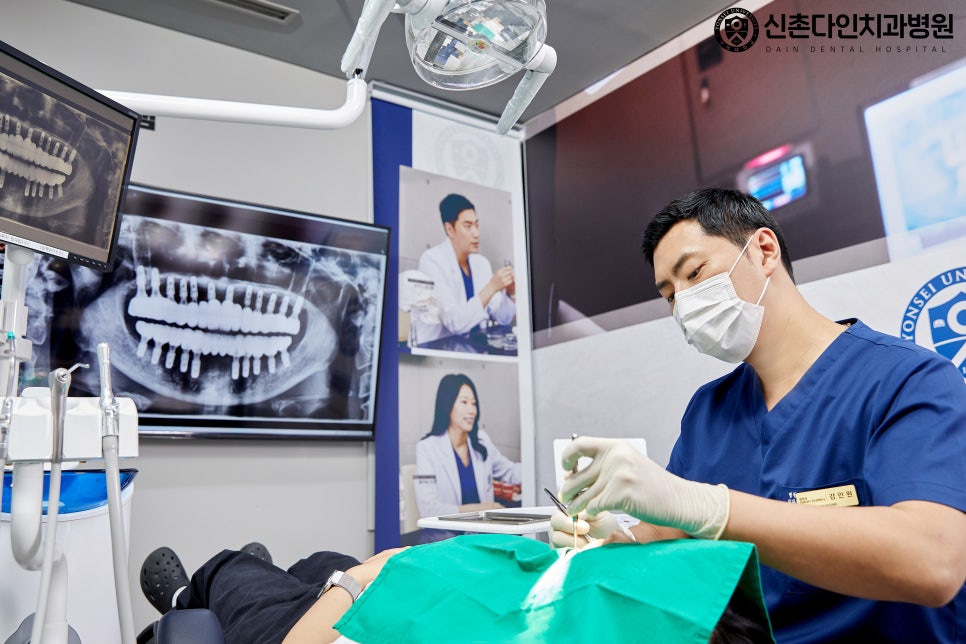
In addition, if tooth loss is left untreated, the alveolar bone can be lost.
The alveolar bone was maintained by receiving continuous stimulation from the
tooth roots.
When a tooth is lost, that stimulation disappears, so the alveolar bone can
be lost quickly, and it can also affect the surrounding alveolar bone.
For this reason, when a tooth falls out, appropriate restorative treatment
had to be performed. In the past, treatment was often done using dentures
and bridges.
Dentures, which are used by attaching them to adjacent teeth, had weak
retention, so they could easily move, and restoration of chewing force also
could not be greatly expected.
In the case of bridges, because the treatment involved shaving adjacent teeth
and attaching a prosthesis, more people have recently been choosing implant
treatment, which has better retention and does not damage surrounding teeth.
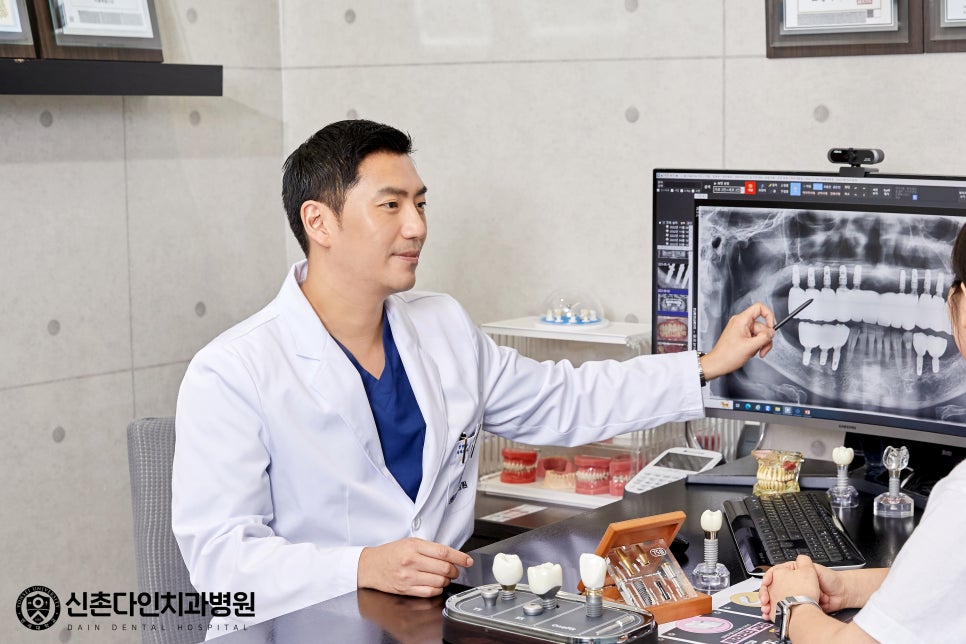
Implant treatment was performed by placing an artificial root into the alveolar
bone, then connecting an abutment and placing a prosthesis.
Because it was a procedure directly placed into the alveolar bone, it had strong
retention, allowing chewing force to be restored to a level similar to that of
natural teeth.
Also, because the prosthesis was made to closely resemble natural teeth in color,
shape, translucency, and other aspects, it looked quite natural.
In order to use implants for a longer period of time, several factors had to be
considered. First, it was necessary to check whether medical staff with diverse
implant clinical experience were present.
It was also necessary to check whether the clinic carefully diagnosed the amount
of alveolar bone and the patient's oral condition, and whether aftercare was
provided in detail.
If post-placement care was not handled thoroughly, the implant could become
loose or inflammation could occur around it, so it was important to check whether
aftercare was carried out carefully.
If you had lost teeth, you may have wondered how to reduce the pain and
discomfort caused by implant treatment.
If the fear felt during the procedure or the anxiety about dental treatment was
severe, there were cases where treatment was not received on time and was delayed.
Because delaying treatment could cause other problems, Yeonnam-dong Dental Clinic
was performing sleep implant treatment through conscious sedation for such patients.
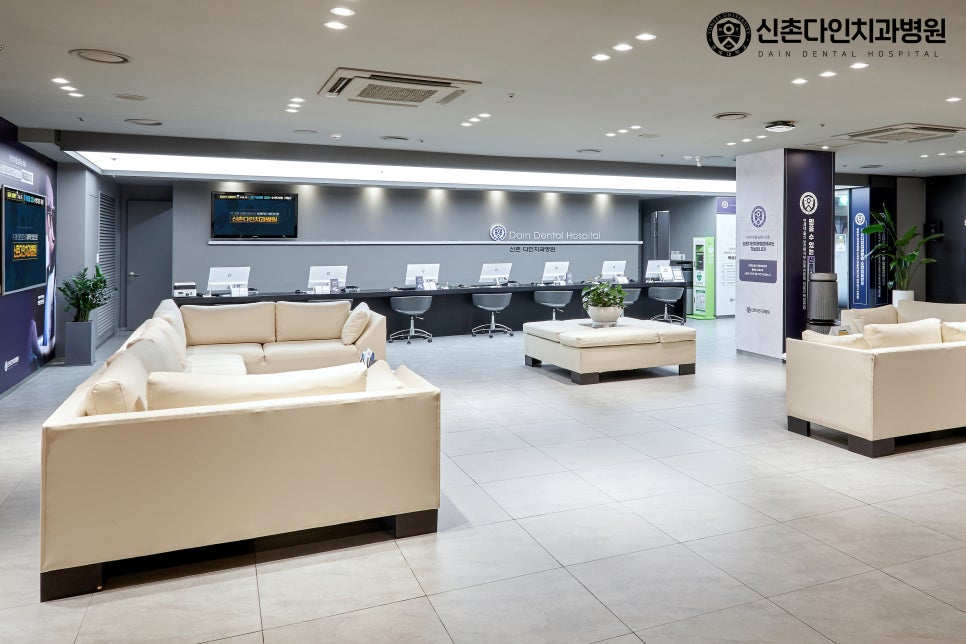
Conscious sedation is a method of receiving treatment in a light-sleep state,
a state that allows spontaneous breathing, unlike general anesthesia.
Because treatment is carried out in a light-sleep state and the patient does not
remember the treatment process after regaining consciousness, treatment could be
received more comfortably.
In the case of sleep implant treatment through conscious sedation, it was also
applied to high-difficulty procedures such as multiple implant placements and
bone grafting, helping reduce the burden on patients.
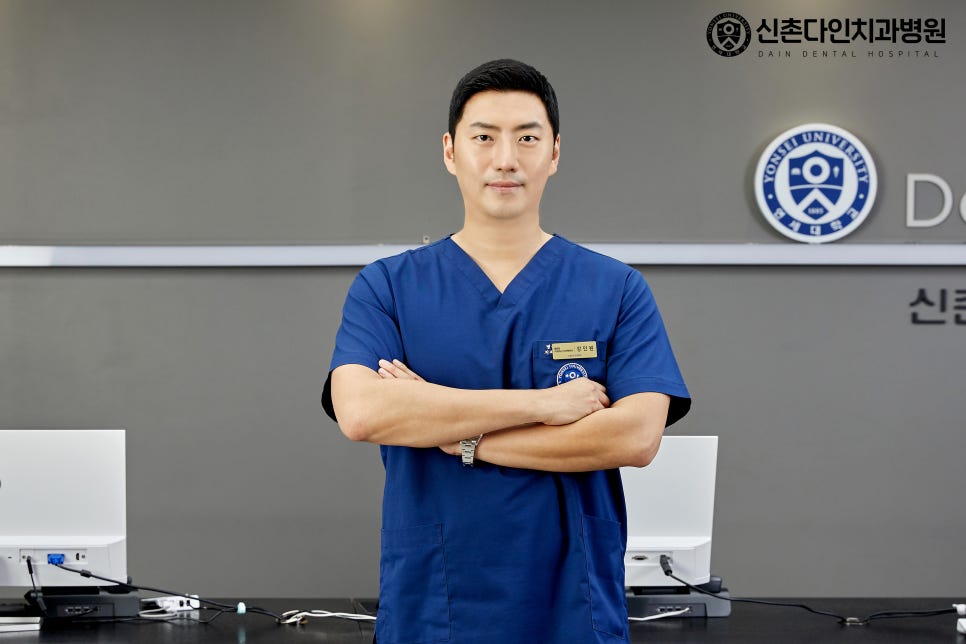
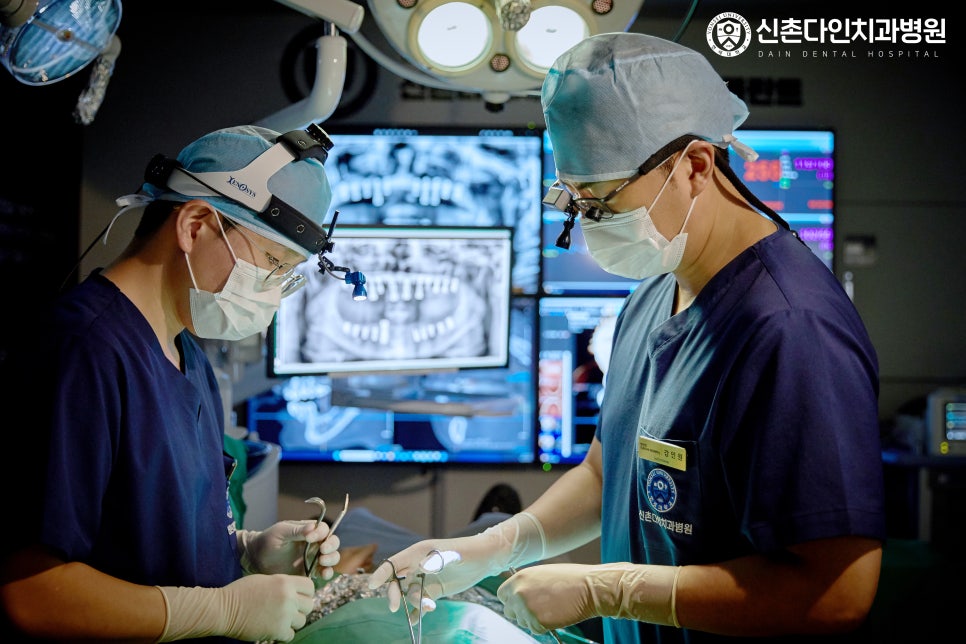
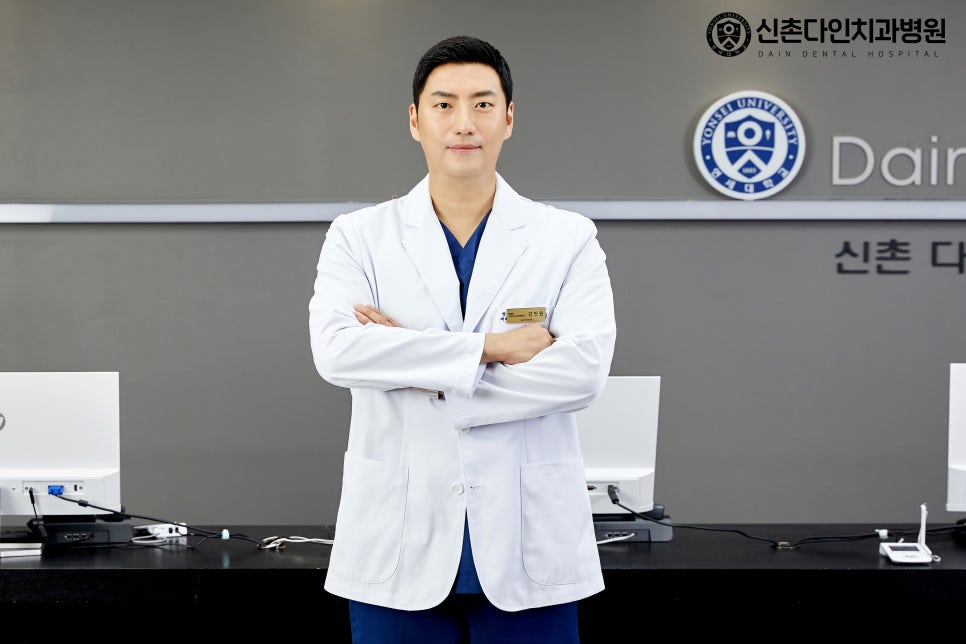
In addition, since the medical staff from Yonsei University College of Dentistry
directly performed sleep implant treatment using conscious sedation, patients
could receive treatment with peace of mind.
Based on extensive implant clinical experience, they were performing implant
treatment by establishing a plan tailored to the patient through precise diagnosis.
To closely understand the different oral conditions of each patient, they were
carefully diagnosing patients using 3D-CT equipment.
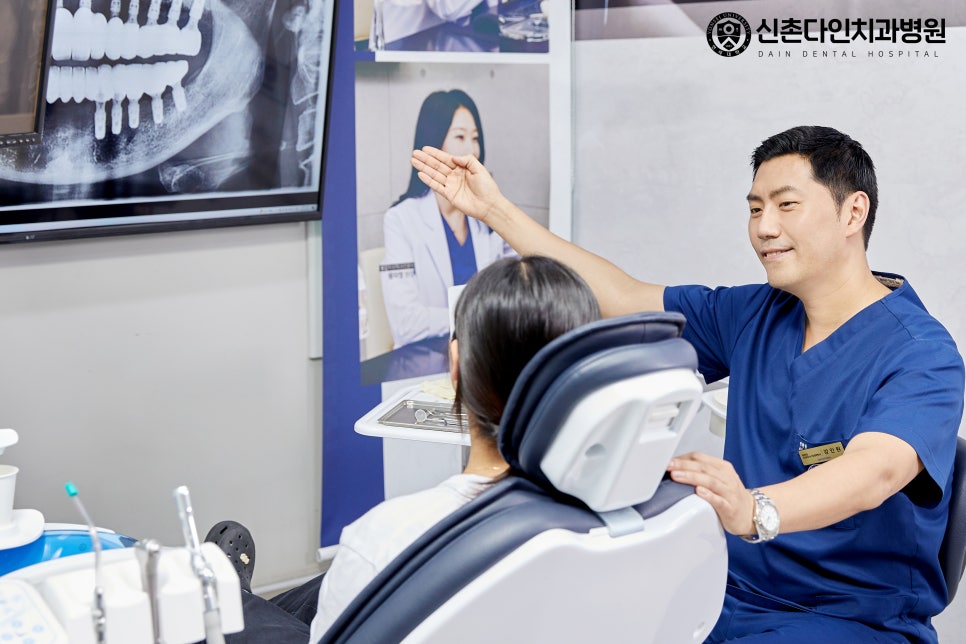
They also had patient monitoring equipment, so they were carrying out sleep
implant treatment while checking the light-sleep state and the patient's vital
signs in real time.
They were also equipped with emergency equipment in preparation for any possible
emergency situation, so they could respond quickly if an emergency occurred.
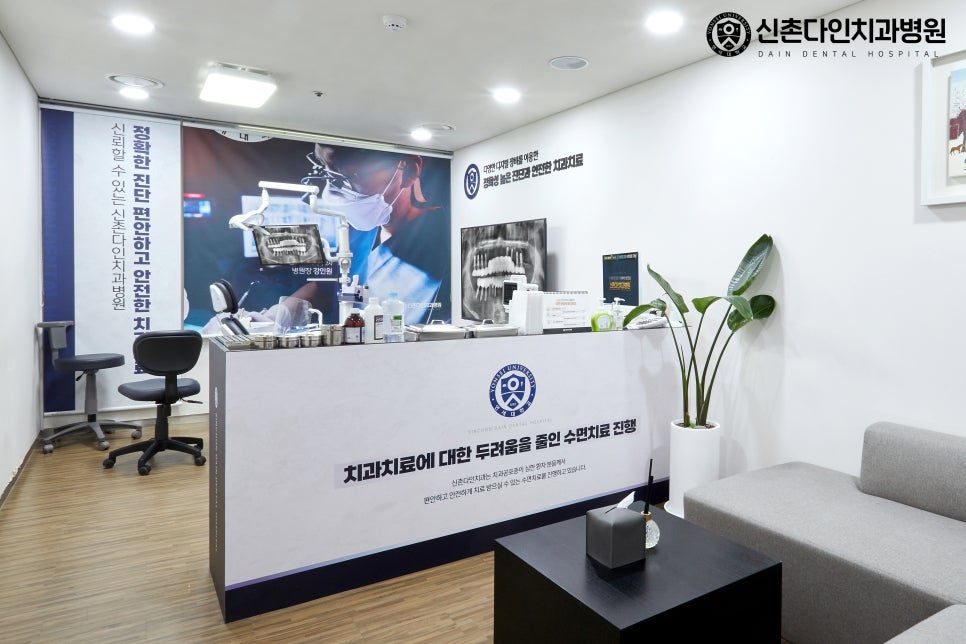
Because the nearby Yeonnam-dong Dental Clinic had a recovery room, patients could
rest sufficiently after sleep implant treatment through conscious sedation.
Sleep dental treatment using conscious sedation included root canal treatment,
cavity treatment, and wisdom tooth extraction, so multiple treatments could be
received comfortably.
Therefore, if fear of treatment was severe or if receiving many treatments at
once felt burdensome, sleep treatment through conscious sedation could be helpful.
On Mondays and Wednesdays every week, treatment was provided from 9:30 a.m.
until 9:00 p.m., so patients could visit and receive care at a convenient time.

If you have dental insurance but do not know the details, you can check through
the link above.

To view before-and-after treatment photos and handwritten reviews written by
patients, you can check after logging in in accordance with the Medical Service
Act.
A KakaoTalk channel is available, so if you would like to make an appointment or
inquire about treatment, please feel free to contact us!