Hypoglycemic Shock Symptoms
Can Even Lead to Death
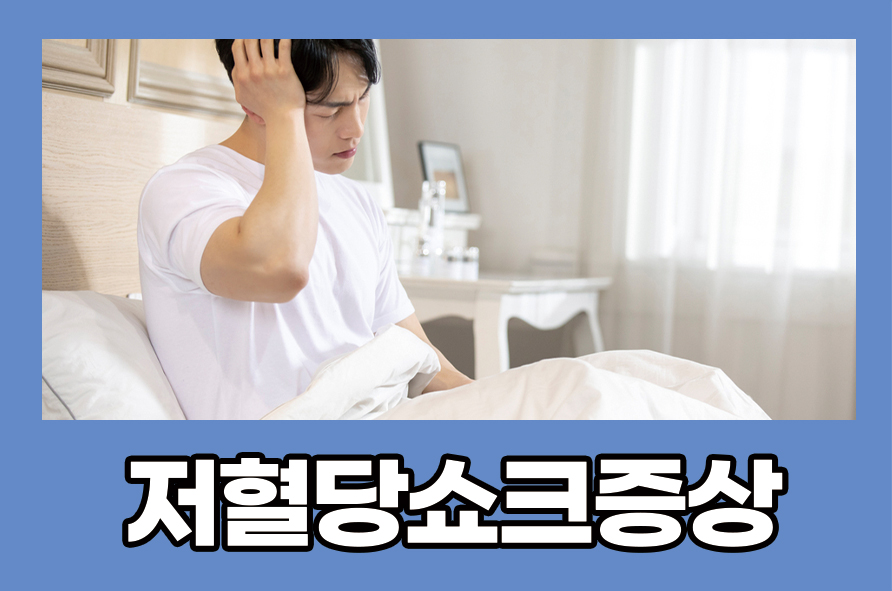
Hypoglycemia refers to a state in which blood glucose levels drop below 50 mg/dL, and in healthy people, they are maintained between 70 and 140 mg/dL.
In people with hypoglycemia, skipping meals or exercising excessively can cause blood glucose to drop sharply and trigger shock symptoms.
Today, let’s look at hypoglycemic shock symptoms, along with their causes and how to prevent them.
 Causes
Hypoglycemia usually occurs when a patient who is taking medication to lower blood glucose levels or receiving insulin eats less than usual or exercises excessively.
Causes
Hypoglycemia usually occurs when a patient who is taking medication to lower blood glucose levels or receiving insulin eats less than usual or exercises excessively.
Also, if too much of the prescribed medication is administered, hypoglycemic symptoms can occur, so caution is needed.
In addition, it can be caused by factors such as taking medication that lowers blood glucose levels, drinking alcohol, and hormone deficiencies.
 Symptoms
When blood glucose levels drop rapidly, you may feel overall weakness, lack energy, tremble, and turn pale.
Symptoms
When blood glucose levels drop rapidly, you may feel overall weakness, lack energy, tremble, and turn pale.
You may also break out in a cold sweat, suddenly feel dizzy or lightheaded, experience excitement, anxiety, or palpitations, and develop hunger and fatigue.
If these symptoms continue for a long time, cramps or seizures may occur and lead to a state of shock, causing loss of consciousness. Therefore, it is best to quickly eat foods that can raise blood glucose.
 Prevention
If you usually suffer from hypoglycemia and major symptoms such as cold sweats, dizziness, or fatigue appear, it is good to eat a snack so that it does not progress to hypoglycemic shock symptoms.
Prevention
If you usually suffer from hypoglycemia and major symptoms such as cold sweats, dizziness, or fatigue appear, it is good to eat a snack so that it does not progress to hypoglycemic shock symptoms.
It is good to keep snacks such as candy or chocolate on hand and eat them whenever symptoms appear, and you should always make sure not to skip meals.
In addition, foods such as fruit juice, soft drinks, and sugar contain large amounts of sugar and help raise blood glucose levels quickly.

If hypoglycemic shock symptoms occur and you lose consciousness, do not feed the person food; instead, take them to the emergency room immediately and provide glucose through an IV.
If a person has become comatose due to shock or is in a confused state, forcing them to eat can cause food to enter the airway, creating a more dangerous situation.
Therefore, the best approach is to consume carbohydrates as early as possible when symptoms first appear to raise blood glucose, and it is better to focus on simple carbohydrates that are quickly digested and absorbed.
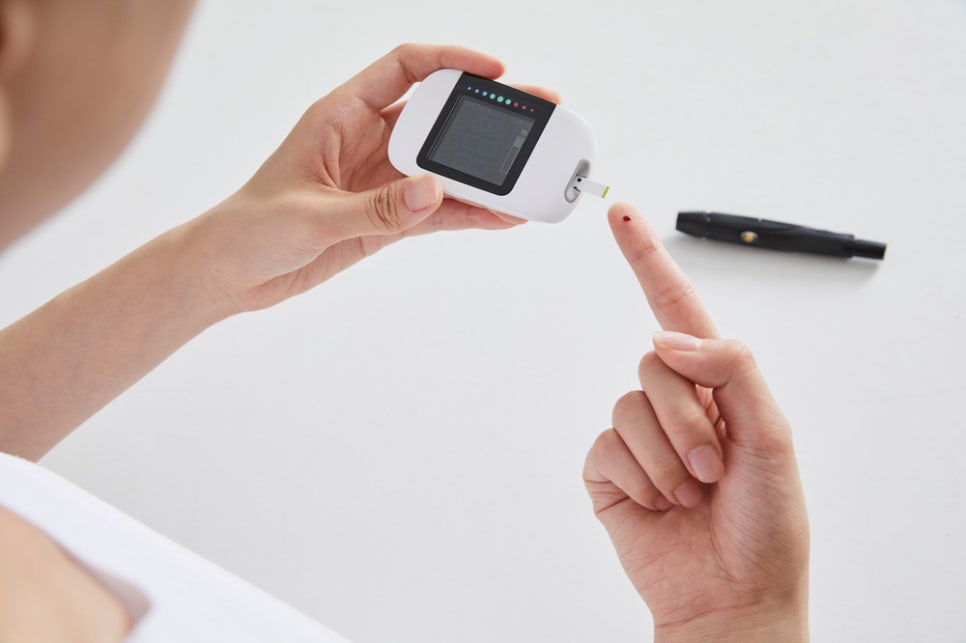
Hypoglycemia is a dangerous diabetic complication that can suddenly cloud consciousness, reduce cognitive function, and in the worst case, lead to death, so you should always be careful.
In particular, if you usually suffer from hypoglycemia and need to drive long distances, it is important to keep emergency snacks in the vehicle and not skip any meals.
Today, we looked at the symptoms, causes, and prevention of hypoglycemic shock. Please refer to the information above and use it to help manage your health.