Preeclampsia in Pregnancy
Let’s look at the symptoms and causes
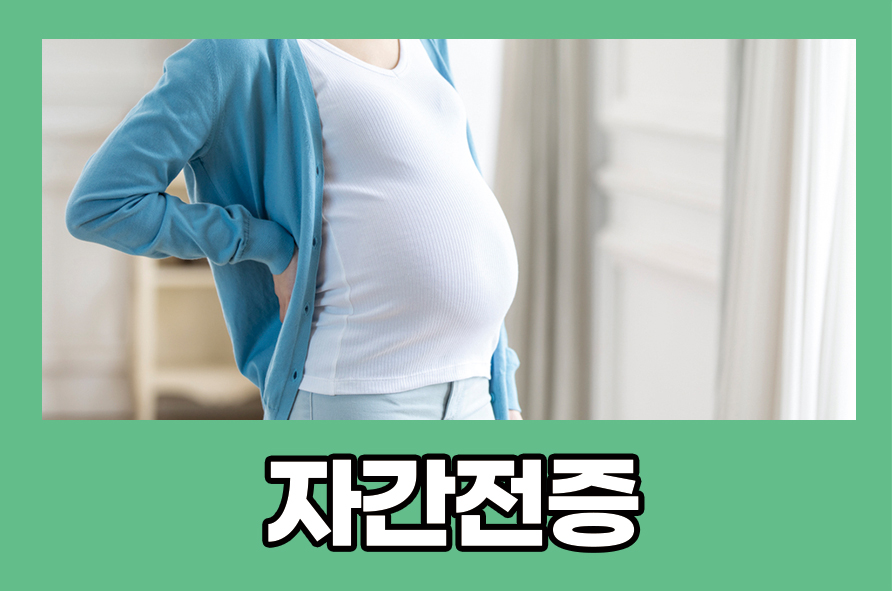
One of the most common complications that can occur during pregnancy is preeclampsia, which is also called pregnancy toxemia.
It is a condition that usually appears after 20 weeks of pregnancy, and it causes blood pressure to rise, leading to hypertension symptoms and proteinuria.
If left untreated, it can threaten not only the mother’s health but also the fetus’s health. Today, let’s look at the symptoms and causes of preeclampsia.
 Symptoms
Because blood pressure rises, swelling in the body can suddenly increase, and edema is mainly characterized by swelling in the face, hands, or feet.
Symptoms
Because blood pressure rises, swelling in the body can suddenly increase, and edema is mainly characterized by swelling in the face, hands, or feet.
In addition, body weight may increase rapidly, and red dots similar to a rash may appear on the skin. As the condition worsens, swelling increases and the amount of urine also decreases.
Protein is excreted into the urine during urination, causing proteinuria, and symptoms such as headache, abdominal pain, blurred vision, shortness of breath, and nausea occur together.
 Causes
The exact cause of pregnancy toxemia has not yet been clearly identified, but it is known to occur when blood flow to the placenta is disrupted.
Causes
The exact cause of pregnancy toxemia has not yet been clearly identified, but it is known to occur when blood flow to the placenta is disrupted.
Other possible factors include obesity beyond a normal body weight, diabetes, hypertension and cardiovascular disease, carrying twins or more, and genetic factors.
Since these various factors can have an effect, it is important for pregnant women to improve their eating and lifestyle habits so they do not develop high blood pressure or diabetes.
 HELLP Syndrome
HELLP syndrome is a condition that occurs in women with severe preeclampsia. It refers to a state in which red blood cells in the blood vessels are destroyed and liver damage occurs, reducing liver function.
HELLP Syndrome
HELLP syndrome is a condition that occurs in women with severe preeclampsia. It refers to a state in which red blood cells in the blood vessels are destroyed and liver damage occurs, reducing liver function.
In addition, the number of platelets decreases, making blood clotting difficult and increasing the risk of bleeding during delivery.
Therefore, for pregnant women with preeclampsia, antihypertensive medication is administered to lower blood pressure, and early delivery is considered depending on the condition of the mother and fetus.
 Complications
If pregnancy toxemia is not treated at the proper time and is left unattended, it can be a serious disease that may even lead to death, and it is said to account for about 15% of maternal deaths.
Complications
If pregnancy toxemia is not treated at the proper time and is left unattended, it can be a serious disease that may even lead to death, and it is said to account for about 15% of maternal deaths.
It also affects the fetus, and the baby in the womb may suddenly die. Premature birth may result in a premature infant being born, which can expose the baby to various neonatal diseases.
The mother may also suddenly experience seizures, liver damage and rupture, brain hemorrhage, loss of vision, and other complications, so it is important to visit a hospital early and receive treatment.

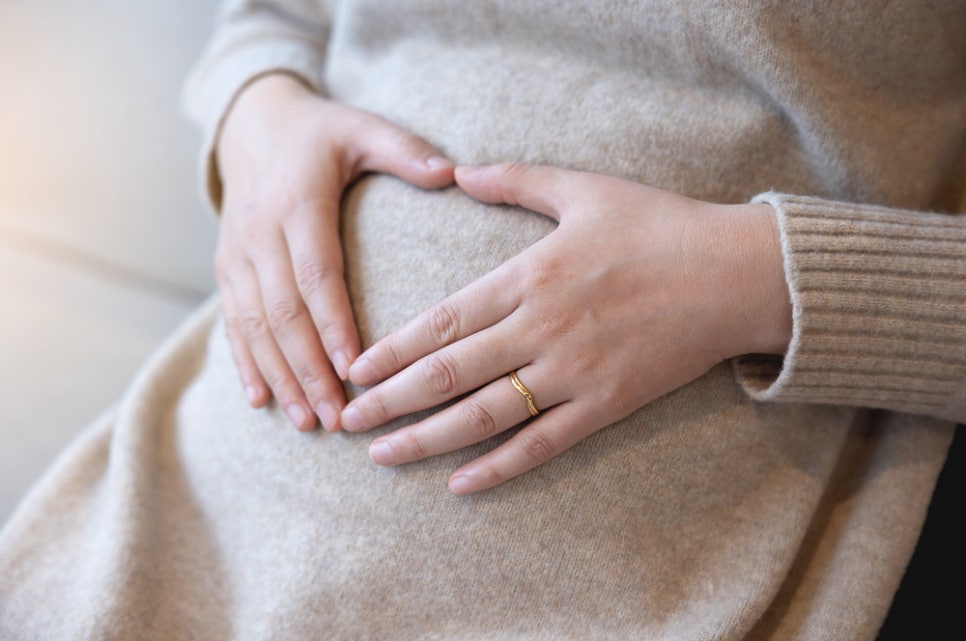
The most common symptom is swelling, so if a ring that used to fit well no longer goes on easily, it is a good idea to consult a doctor and get examined.
Also, if you have conditions such as poor diet during pregnancy, obesity, diabetes, or high blood pressure, the disease may develop more easily than in others, so it is important to manage your health through diet control and exercise.
Today, we looked at the symptoms and causes of pregnancy toxemia, which threatens both the fetus and the mother. Please use this as a reference and have a healthy delivery.