
If a healthy person does not have kidney or bladder disease,
the color of urine may vary depending on the body’s water concentration,
but it is usually a light yellow color.
Urine is an indicator that can help us check our health condition
by looking at whether normal metabolic processes are taking place in the body
through the elimination of waste products.
If cloudy urine is passed, many people worry that there may be something wrong with their health.
Today, let’s take a closer look at the causes of cloudy urine.

First, for women, urine may appear cloudy because it mixes with
discharge from the vagina or uterus, or with blood during menstruation.
In this case, it is a natural phenomenon and there is no need to worry too much.
However, if discharge is frequent even when it is not the menstrual period,
or if irregular bleeding occurs, it is advisable to get examined.
Also, depending on your usual diet, urine may appear cloudy or murky.
This applies when the diet is excessively high in fat
or when you consume a protein-centered diet.

If you consume excessive amounts of oxalic acid, a component found in foods,
the color of urine becomes cloudier than usual.
Oxalic acid is mainly found in foods such as spinach, chocolate, black tea, bamboo shoots, and bananas.
If consumed excessively, it can increase the risk of urinary stones,
so it is best to consume only an appropriate amount.
Cloudy urine can also occur due to an underlying disease.
This mainly applies when there is a disease related to the genitals, bladder, or kidneys.

Urethritis is caused by infection from gonococci and chlamydia.
When inflammation develops in the urethra, pus mixes with the urine along with pain,
causing cloudy urine to be passed.
Urethritis is commonly seen in men, and if it is left untreated
and symptoms are neglected, the urethra can become narrowed,
so caution is needed.
Also, gonorrhea, a sexually transmitted disease caused by gonococcal infection,
produces yellow pus, which mixes with urine during urination
and makes it look cloudy.

As men get older, they are more likely to develop prostate-related diseases.
Among them, when inflammation occurs in the prostate,
cloudy urine may occur along with pain during urination.
Because pus is mixed in, it looks more murky or cloudy than normal urine,
and symptoms such as chills or a high fever may also appear.
Cloudy urine can also occur when there are kidney stones or ureteral stones,
because salts are excreted and mixed with the urine during urination.
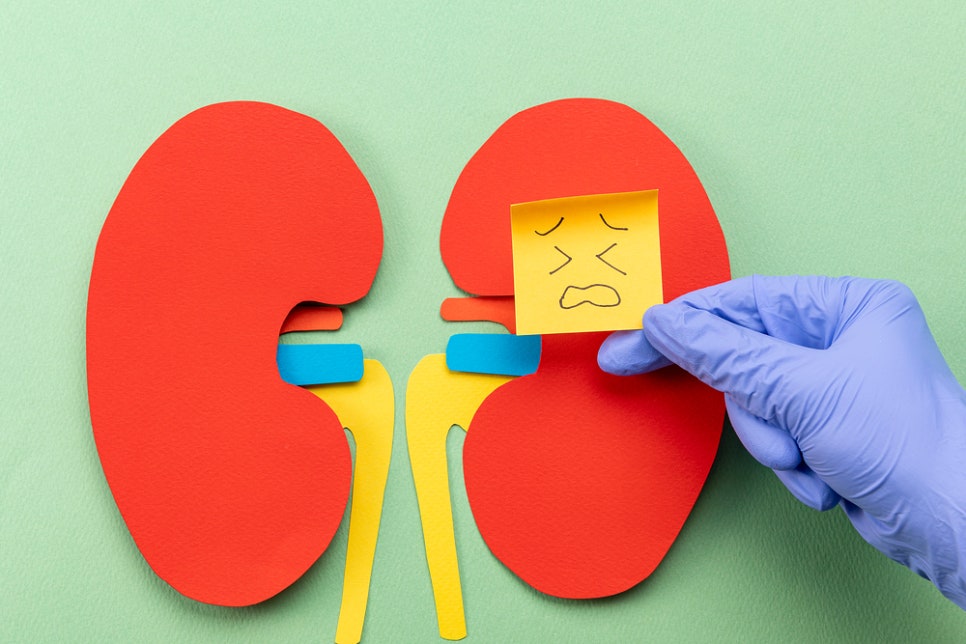
In the case of pyelonephritis caused by bacterial infection,
the urine also becomes cloudy and murky, and hematuria occurs.
Along with that, symptoms such as pain, fever, and lower back pain appear.
Acute cystitis is a bacterial infection of the bladder.
Its main symptoms include cloudy urine, frequent urination, and hematuria,
and severe pain occurs during urination. It is one of the recurrent diseases
that mainly appears in women.
Today, we looked at the causes of cloudy urine.
If other symptoms appear along with it, or if the symptoms persist for a long time,
please visit a hospital and get examined.