Symptoms of Pyelonephritis When Urinating
If You Feel Pain
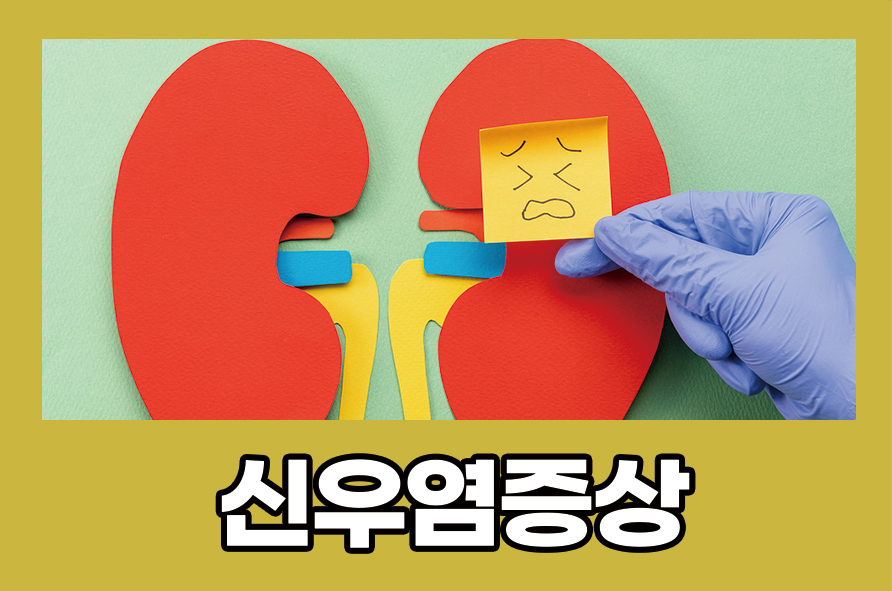
Pyelonephritis is a condition that occurs when the body's immune system weakens,
or when bacteria infect the kidneys due to causes such as surgery.
The urinary system is divided into the upper and lower tracts depending on location,
and when an infection occurs in the upper urinary tract, such as the kidneys or renal pelvis,
it is called acute pyelonephritis.
Today, let’s take a look at the symptoms of pyelonephritis, as well as its causes and
prevention methods.
 Cause
Cause
The cause of pyelonephritis is mostly bacterial infection, and the bacteria move upward
from the bladder to the kidneys, causing infection.
There are also many cases where cystitis and urethritis are caused by bacteria, and then
urine flows backward, allowing the bacteria to infect the kidneys.
It is often caused by E. coli, and recently, as antibiotic use has become more frequent,
infections caused by antibiotic-resistant bacteria have often become a problem.
 Symptoms
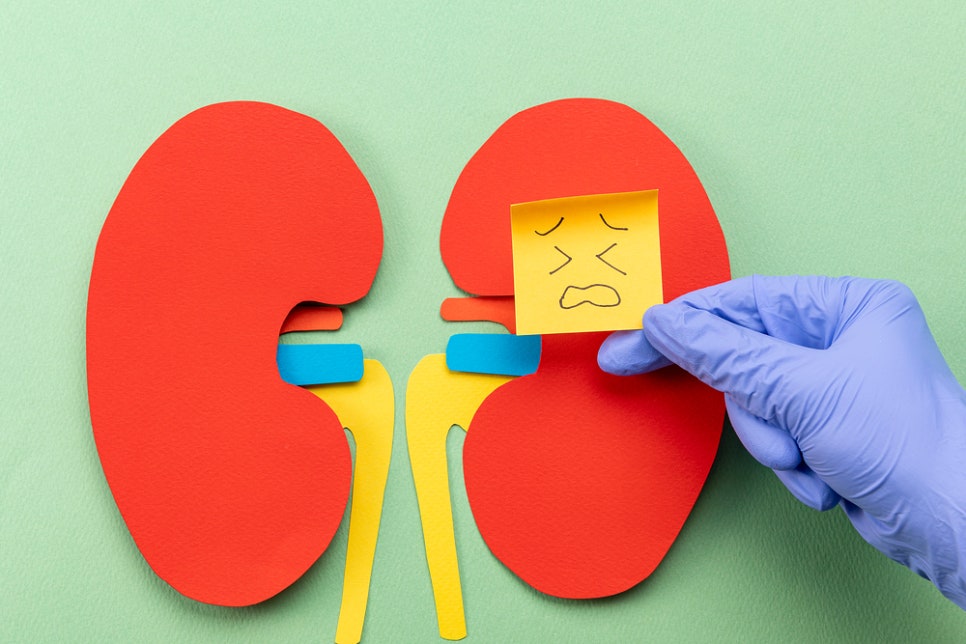
Typical symptoms of pyelonephritis include high fever, nausea, and vomiting caused by a
bacterial infection, along with lower abdominal pain.
In addition, painful urination may occur when urinating, and a feeling of incomplete
emptying after urination may develop.
Other cystitis-like symptoms, such as frequent urination and cloudy urine, may also appear,
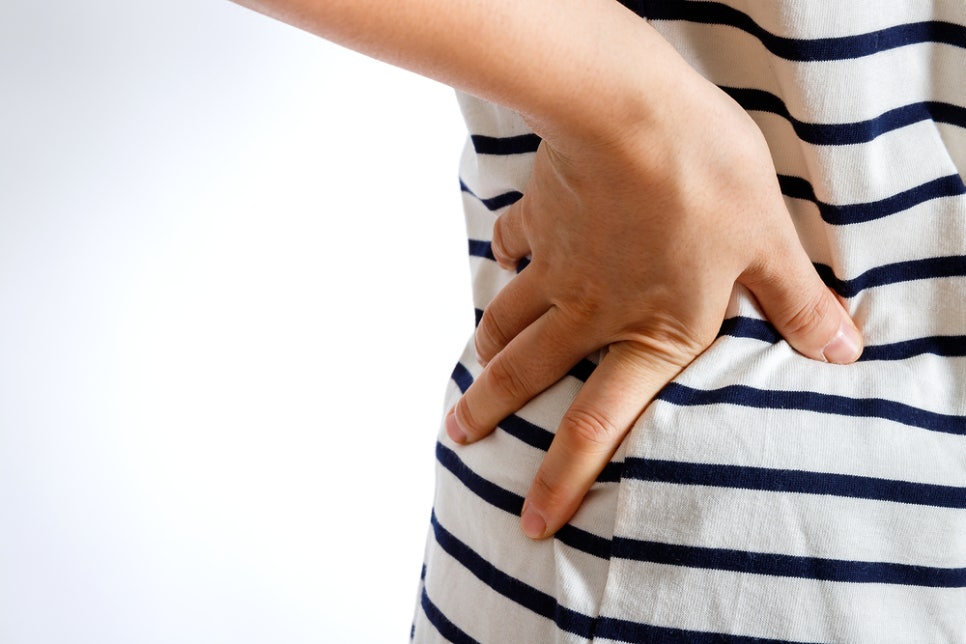
and severe pain may be felt in the flank area, where the ribs and spine meet.
 Complications
If appropriate treatment is not received in the early stages of pyelonephritis and it is left
untreated, it can lead to a kidney abscess and sepsis, so caution is advised.
Also, if pyelonephritis recurs repeatedly, it can lead to decreased and damaged kidney
function and progress to chronic pyelonephritis.
If it leads to chronic kidney failure, problems such as high blood pressure, anemia,
dizziness, growth retardation, and metabolic disorders may occur, so it is important to
receive treatment as early as possible.
 Prevention
To prevent pyelonephritis, it is important to maintain good hygiene in daily life and take care
of your health so that your immune system does not weaken.
In particular, for women, due to the structure of the body, infections in the reproductive
organs can occur easily, so it is recommended to urinate immediately after sexual intercourse
to help expel bacteria.
Also, when wiping after a bowel movement, it is better to wipe from the vaginal area toward the
anus, and you should also drink plenty of water in daily life.
Also, it is better to avoid wearing tight clothing or underwear on a daily basis, and you should
wear loose, comfortable clothing and underwear that allow good ventilation.
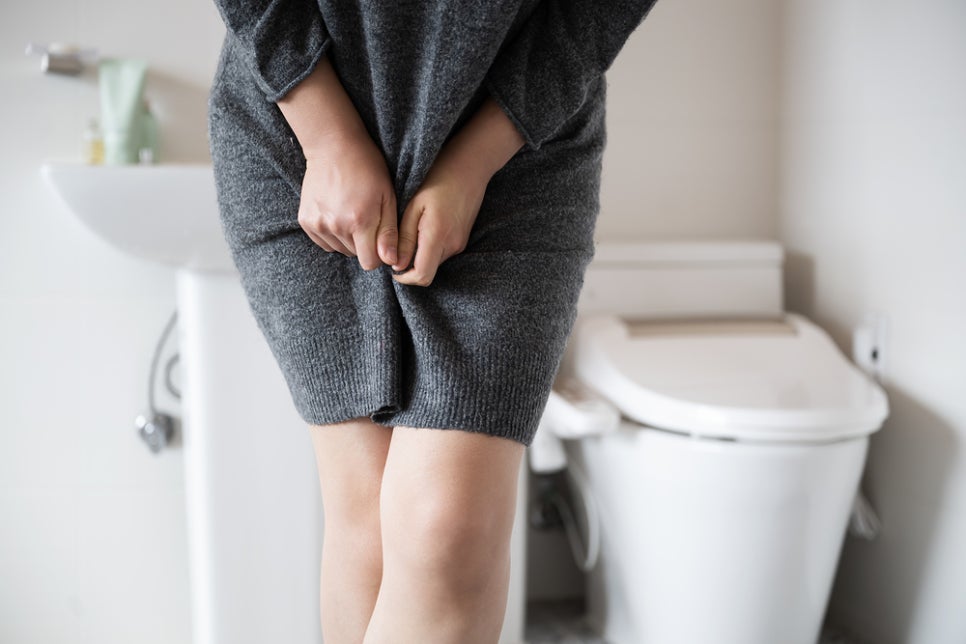
The habit of holding in urine for too long can negatively affect the bladder and kidneys, so it
is better to urinate right away whenever possible rather than holding it in.
Today, we looked at the symptoms and causes of pyelonephritis and also reviewed prevention
methods. Please refer to the information above and take care of your health.