Yeongdeungpo Dental Clinic Artificial Tooth
Implantation at Sinchon Dyne Dental Hospital

When a tooth falls out, it can bring various inconveniences.
Teeth are organs that perform the important function of chewing in our body.
If you lose a tooth, you may not be able to chew food properly, and swallowing food without thoroughly chewing it can also cause problems with digestion.
In addition, you may start looking only for soft foods, which can lead to nutritional imbalance, and if front teeth are lost, your pronunciation may become unclear, making communication difficult.
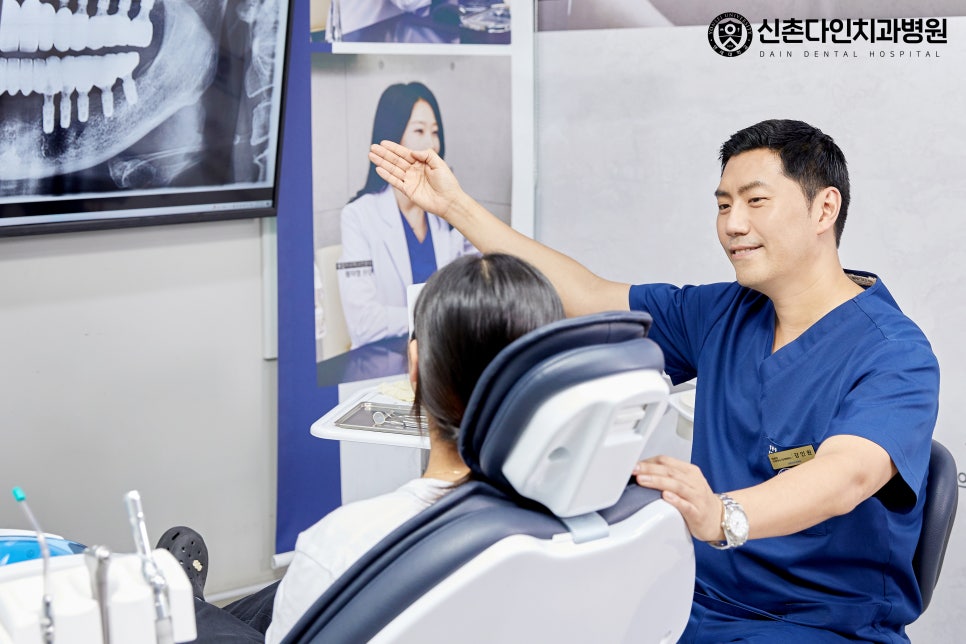
As such, losing a tooth can cause various inconveniences, and tooth loss can occur for several reasons.
First, if you do not receive treatment right away when cavities or periodontal disease occur, the condition may worsen to the point where extraction and subsequent treatment are needed.
Also, if unexpected accidents cause trauma to the teeth, tooth loss can occur, and teeth can also be lost due to aging.
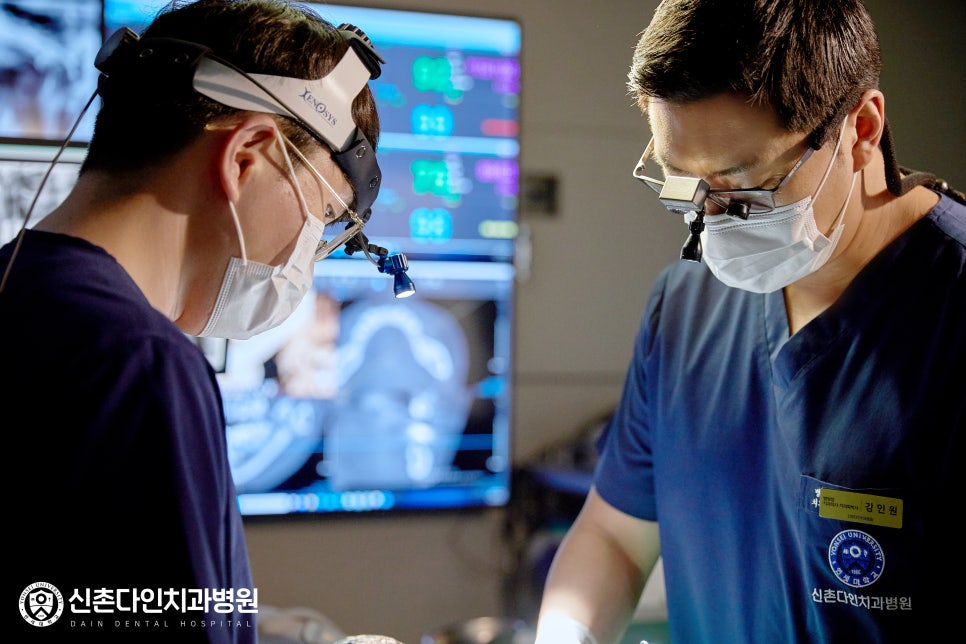
When teeth are lost for various reasons, it is advisable to receive treatment at a dental clinic located near Yeongdeungpo in order to restore the function of natural teeth.
Restorative treatments that can be considered when a tooth is lost include dentures, implants, and bridges, but recently many people have been seeking implant procedures with structures similar to natural teeth.
In the past, dentures were used frequently. Dentures that are used by attaching a device to adjacent teeth could reduce the financial burden, but their fixation tended to be weak.
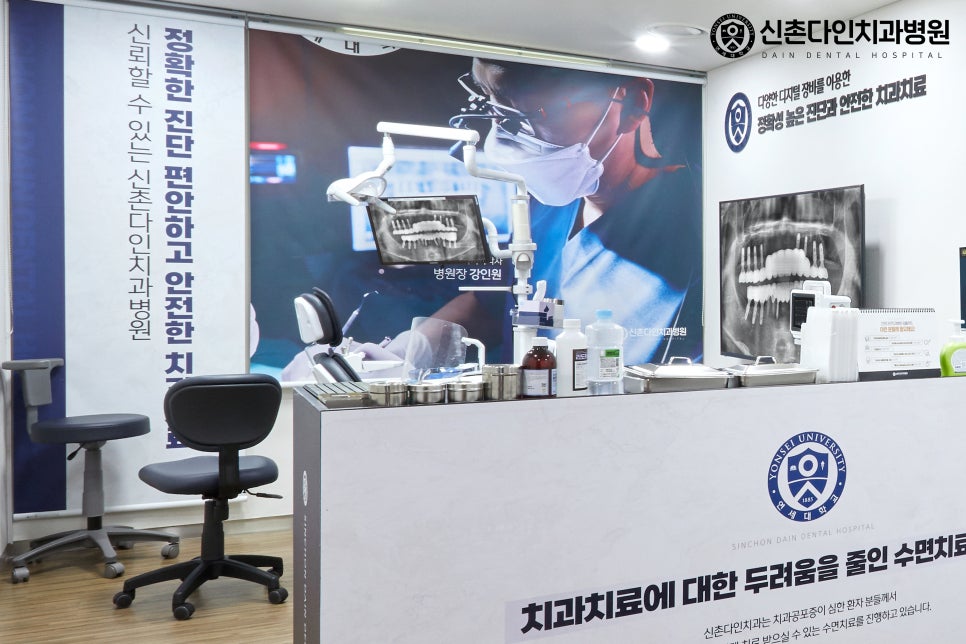
In the case of bridges, the procedure involved shaving down natural teeth and attaching a prosthesis, but implant procedures could be performed without affecting surrounding teeth.
Implants are made in a form similar to natural teeth, and because they are composed of an artificial root, an abutment, and a prosthesis, both function and esthetics can be restored.
In the case of artificial tooth implantation, the procedure is carried out by directly placing the artificial root, which serves as the tooth root, into the jawbone and then connecting the prosthesis through the abutment.
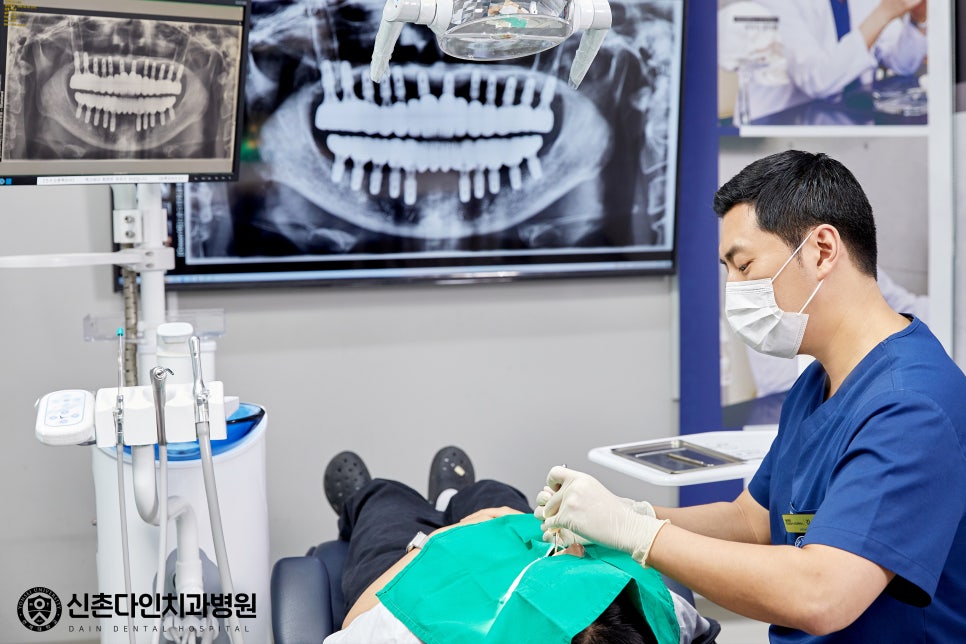
By directly placing the artificial root into the jawbone, it is firmly fixed and chewing force is restored, and the prosthesis made in a shape similar to natural teeth can also improve esthetics.
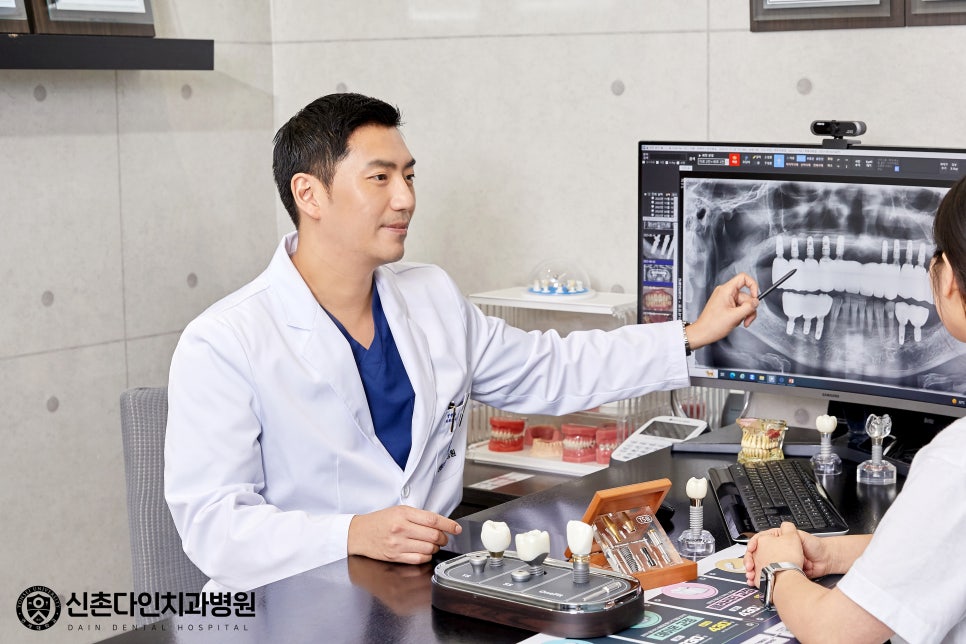
Artificial tooth implantation is not simply a matter of placing an artificial root into the gums; it requires careful checking of the amount and density of the jawbone, the condition of surrounding teeth, and more, so many factors need to be thoroughly considered before choosing the procedure.
It is necessary to check whether the treatment plan is being established through a careful diagnosis of the patient's oral structure and jawbone condition, and whether the procedure is being performed by medical staff with extensive experience.
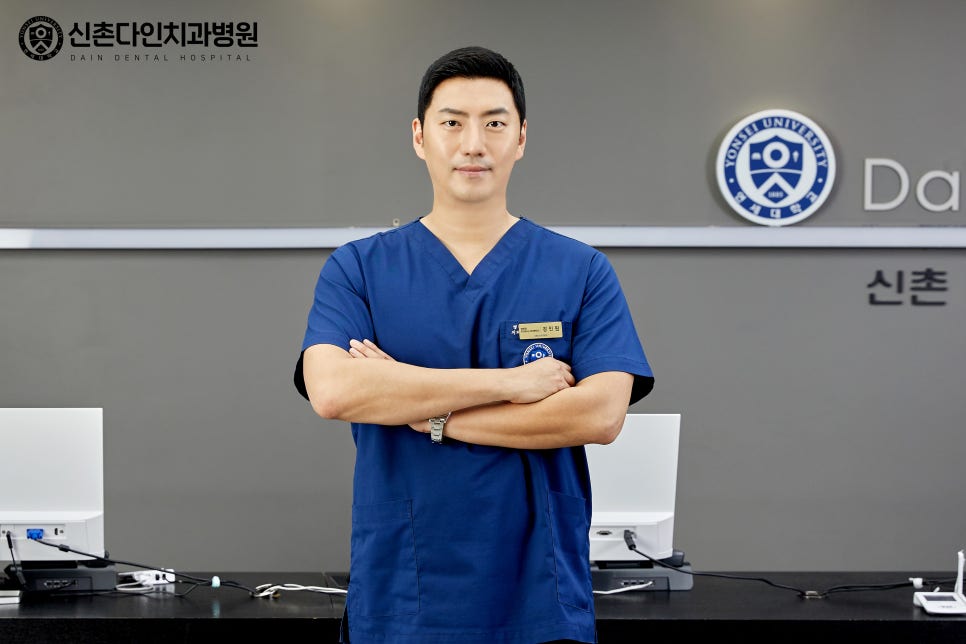
Aftercare is just as important as implant placement. If aftercare is not handled carefully, inflammation may develop or the prosthesis may fracture, so it is advisable to check whether the clinic pays close attention to aftercare as well.
At Sinchon Dyne Dental Hospital, medical staff from Yonsei University College of Dentistry were performing implant procedures based on a wide range of clinical experience.
Because the medical staff had years of clinical experience and had seen patients with many different cases, they were continuing treatment with appropriate plans according to each patient's oral condition.
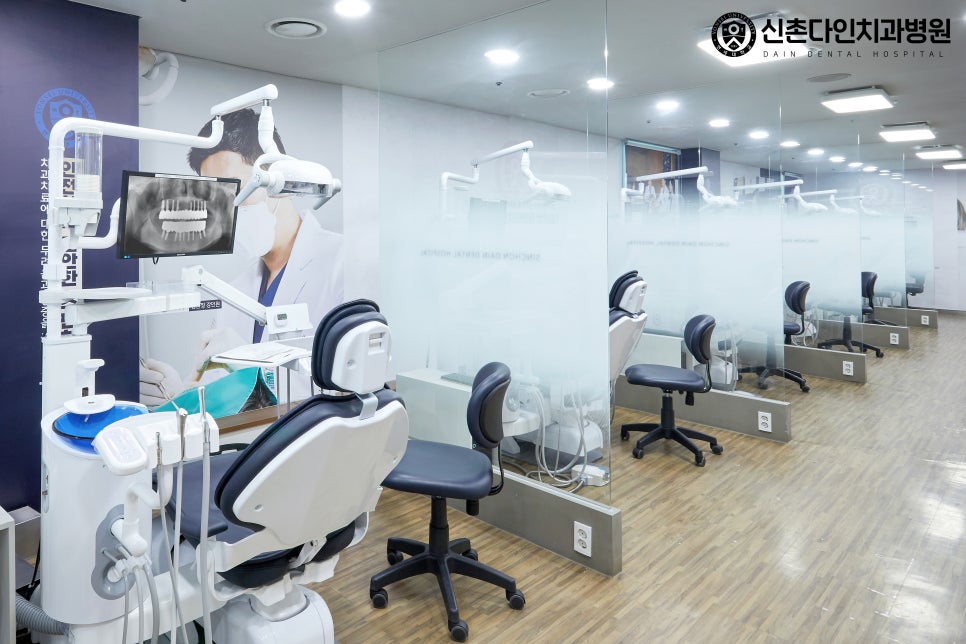
At the Yeongdeungpo dental clinic, only genuine implant materials that have been clinically validated were used for implant procedures, adding to safety.
In addition, after implant surgery, an implant warranty certificate was issued and thorough, systematic aftercare was provided, allowing patients to use their implants comfortably for a long time.
However, even if implant treatment is needed, some people hesitate and keep postponing it because of fear of dental treatment and pain.
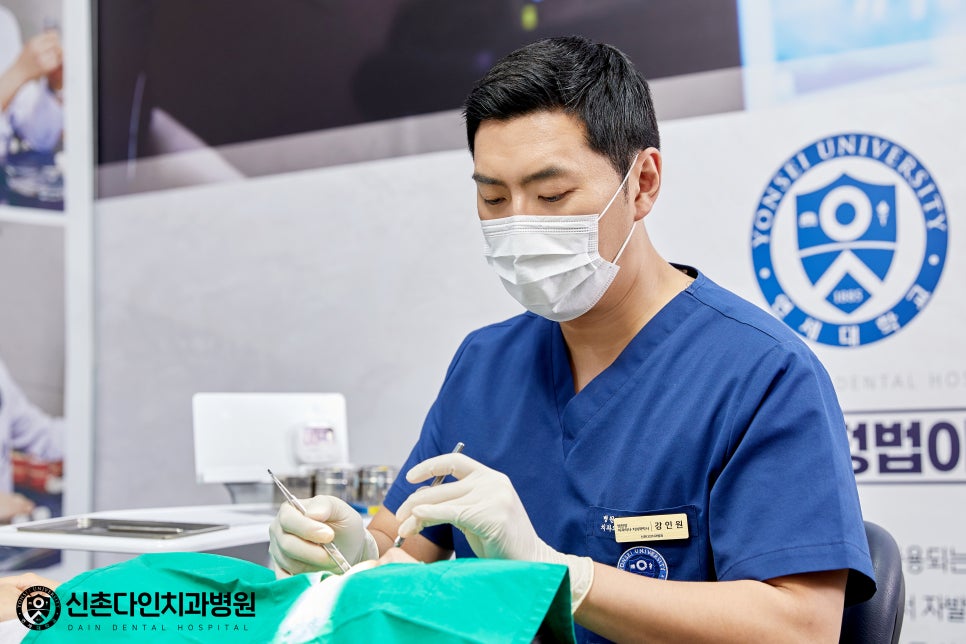
For such patients, Sinchon Dyne Dental Hospital was providing sleep implant treatment using conscious sedation.
Conscious sedation is different from the general anesthesia we commonly know; it is a method in which the patient is induced into a semi-sleep state before treatment is carried out.
Because treatment was performed while the patient was in a semi-sleep state, the patient could breathe on their own and could also perform actions such as turning their head.
At the Yeongdeungpo dental clinic, before implant surgery, digital equipment such as 3D-CT was used to closely diagnose the patient's oral condition and establish a placement plan.
In addition, monitoring equipment was prepared to check the patient's semi-sleep state, pulse, blood pressure, and other conditions in real time so that the procedure could be carried out more safely.
A separate recovery room had been prepared so that patients receiving sleep implant treatment using conscious sedation could rest comfortably before going home.
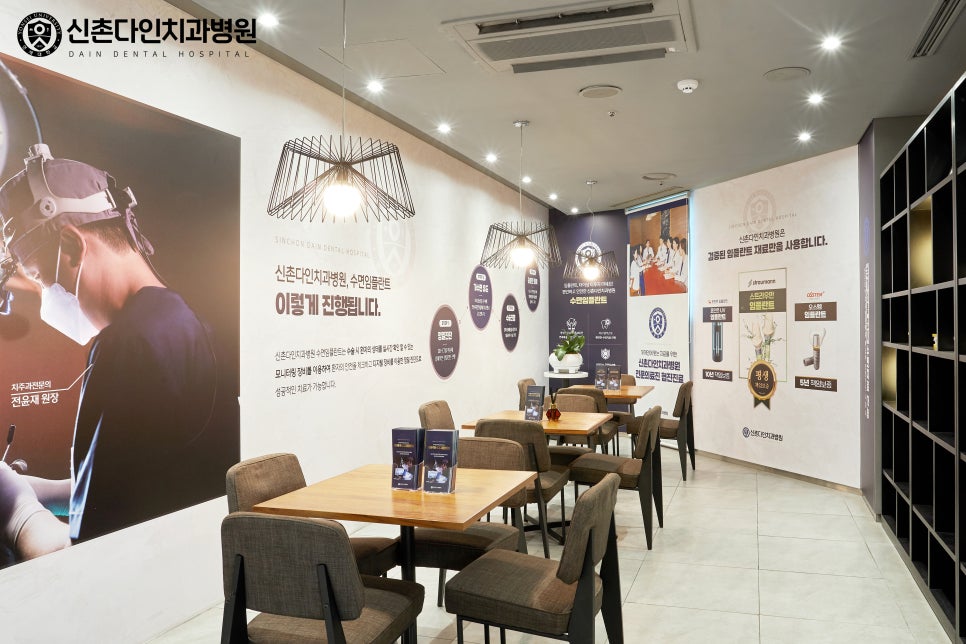
Conscious sedation was being applied not only to implant procedures, but also to cavity treatment, root canal treatment, prosthetic treatment, wisdom tooth extraction, and more.
Therefore, if fear of dental treatment is severe or if treatment is difficult because of a strong gag reflex, sleep treatment through conscious sedation could be considered.
To make treatment available even late at night, Sinchon Dyne Dental Hospital was offering evening consultations every Monday and Wednesday until 9 p.m.

If you have dental insurance but do not know the details, you can check them on the website.


To view before-and-after photos of implant treatment and handwritten reviews, you can check them after logging in in accordance with the Medical Service Act.

We operate a KakaoTalk channel, so please contact us anytime for appointment reservations or treatment consultations!












Previous image
Next image










Previous image
Next image










Previous image
Next image