One Ear Feels Clogged:
3 Diseases to Know About
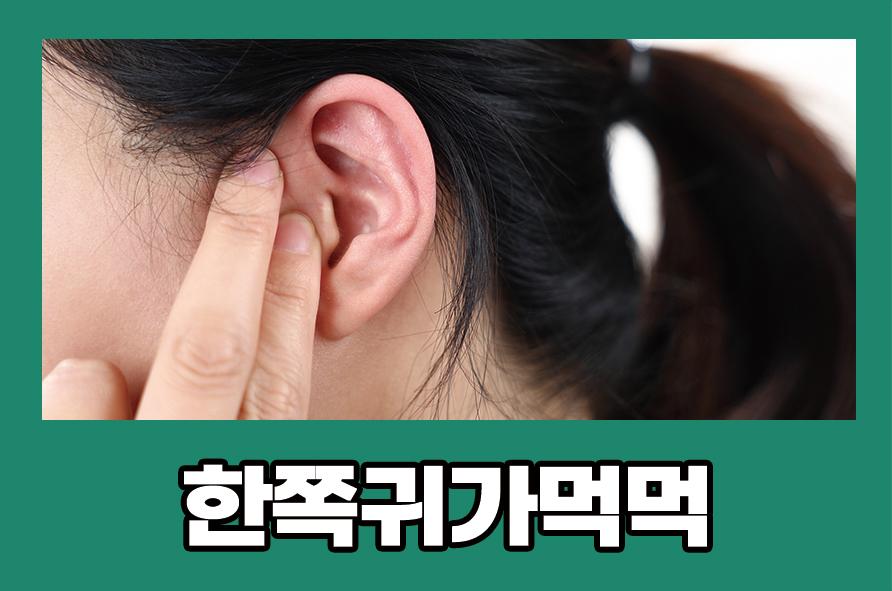
If you suddenly feel that one ear is clogged while going about your daily life,
or if you feel as though something is blocking it,
you may want to suspect an ear condition.
In addition, if symptoms such as tinnitus, dizziness, ear pain, or hearing problems occur,
it is a good idea to visit a hospital for diagnosis.
Today, we will look at 3 related conditions that can be identified through the symptom of fullness in one ear.

Benign Paroxysmal Positional Vertigo
Benign paroxysmal positional vertigo refers to a condition in which otoconia located inside the semicircular canals move around, causing dizziness.
Because otoconia play a role in maintaining balance in our body, when they move out of their original position, you may feel dizzy and as if everything is spinning around you.
Dizziness may be accompanied by nausea, and in severe cases vomiting may occur. Even after the dizziness stops, headaches or indigestion may continue for a while.

Sudden Hearing Loss
One of the conditions that modern people are prone to developing due to stress and overwork from studying or work is sudden hearing loss.
In the case of sudden hearing loss, if it is not treated early, hearing problems can develop, and in severe cases hearing may be lost entirely, so caution is needed.
A major feature of sudden hearing loss is that one ear feels clogged. If symptoms such as a blocked-ear feeling, tinnitus, or dizziness appear, it is a good idea to get examined as soon as possible.
Sudden hearing loss is characterized by occurring abruptly within 2 to 3 days without a clear cause, along with hearing loss of 30 dB or more occurring within 3 days.
If treatment is received within 2 weeks, about 70% of patients can recover normal hearing or most of their hearing. However, if the timing of treatment is missed, hearing can be lost.
Treatment for sudden hearing loss mainly involves taking high-dose steroids, and depending on the patient's condition, steroids may be injected into the eardrum.
Acute Otitis Media
Acute otitis media means inflammation caused by infection in the middle ear, the organ located behind the eardrum, and in acute cases it usually develops as a sequel to a cold.
Otitis media is one of the infectious diseases that commonly occurs in infants and children. Because this age group is not very good at expressing themselves, if they show behavior different from usual, it is necessary to observe them carefully.
Symptoms include ear pain, high fever, headache, fullness in the ear, tinnitus, ringing in the ears, and reduced hearing. If the inflammation is severe, pus may drain out due to damage to the eardrum.

If acute otitis media is not treated in time, or if the inflammation is severe, it can lead to eardrum perforation and progress to chronic otitis media, so caution is needed.
In the case of chronic otitis media, if proper treatment is not received, it can lead to hearing loss and complications, so it is best to take appropriate action as soon as possible.
Today, we looked at related ear conditions that can be identified through the symptom of fullness in one ear, and I hope the information above was helpful.