Hapjeong-dong Dental Clinic Implant Treatment Duration
Depending on the patient’s condition

Teeth and gums in the oral cavity are exposed to
various stimuli from food, so regular care
is recommended.
If cavities or gum disease are not treated at the proper time,
they can lead to tooth loss, so extra caution was needed.
When cavities or gum disease are treated early, the treatment
period is short and the process is simple, but if treatment is
late, severe cases can result in tooth loss.
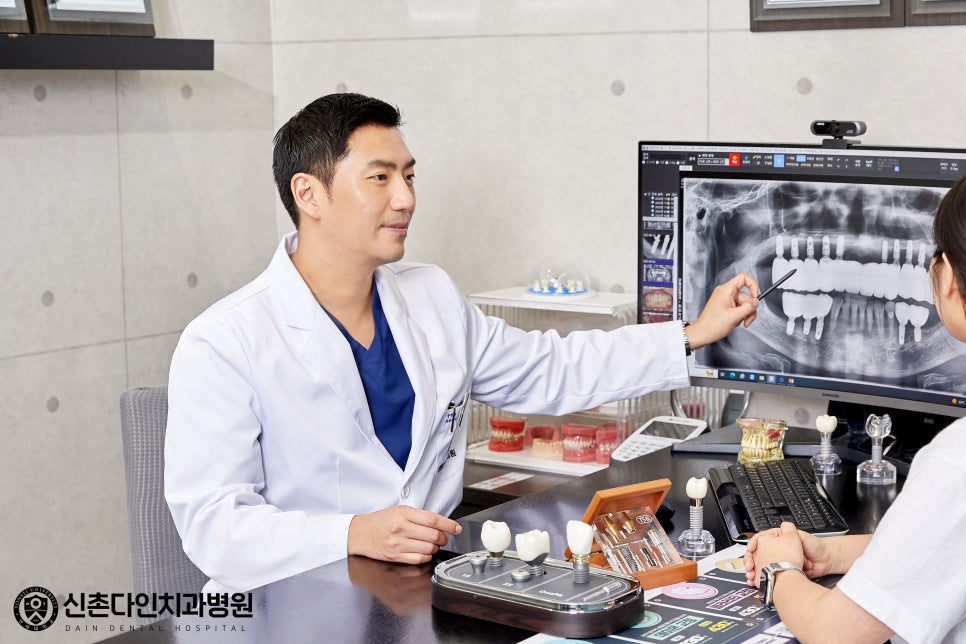
However, no matter how well teeth are cared for, they can be
lost for unexpected reasons such as aging or hitting a hard
object.
When a tooth falls out, it brings many inconveniences.
First, the tooth cannot perform its chewing function properly,
and because food cannot be chewed well, digestive problems
may occur.
There may also be difficulty speaking clearly, and if a visible
tooth such as a front tooth is lost, aesthetic problems can
also arise.
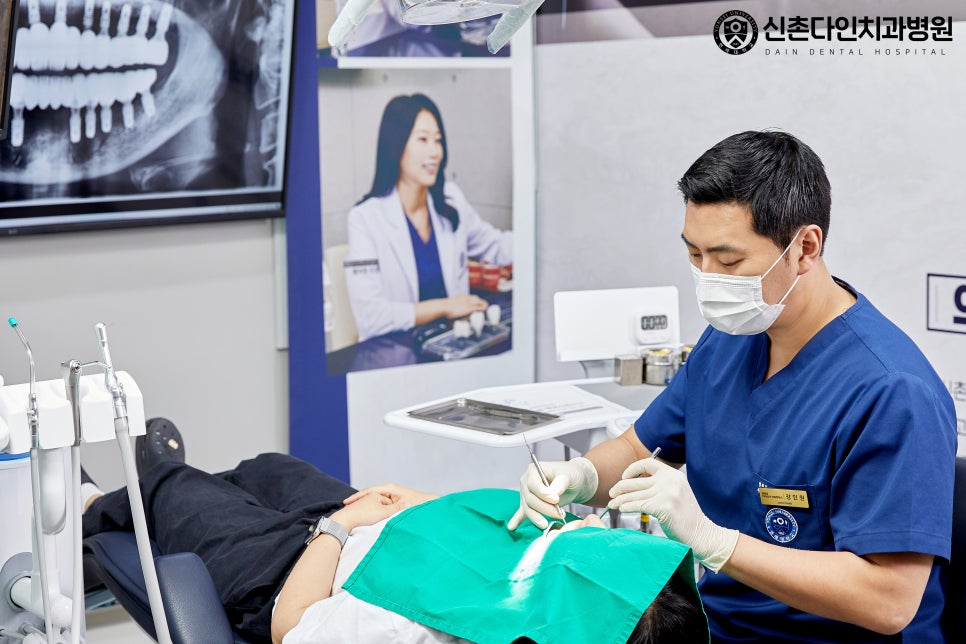
Therefore, when a tooth is lost, it is helpful to receive proper
treatment at a dental clinic located near Hapjeong-dong so
that it does not lead to additional problems.
In the past, dentures were mainly used when teeth were lost,
but recently, due to advances in medical technology, many
people have been seeking implants.
Dentures have the advantage of a relatively short treatment
period and lower cost burden, but they also come with
inconveniences such as weak chewing force and a foreign-body
sensation.
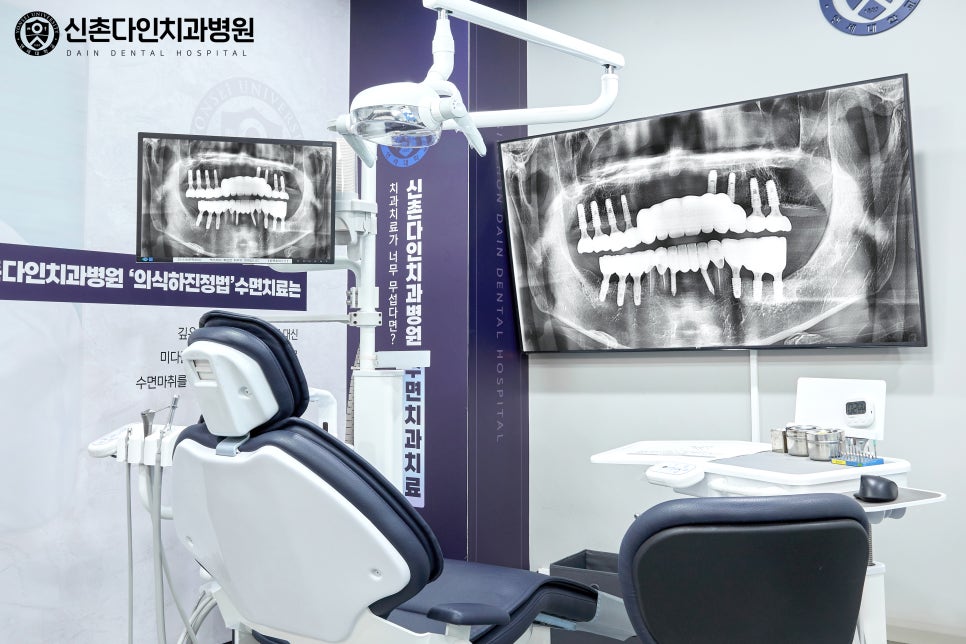
In contrast, implant procedures are performed by directly
placing an artificial titanium root into the jawbone, giving them
strong fixation.
Because they are firmly fixed, chewing force can be restored,
and if tooth loss has made it difficult to chew properly, implant
treatment can help.
Implants, which are similar to natural teeth, can satisfy not only
functional needs but also aesthetic ones, since the procedure
uses prosthetics shaped similarly to natural teeth, making it a
treatment with strong cosmetic benefits as well.
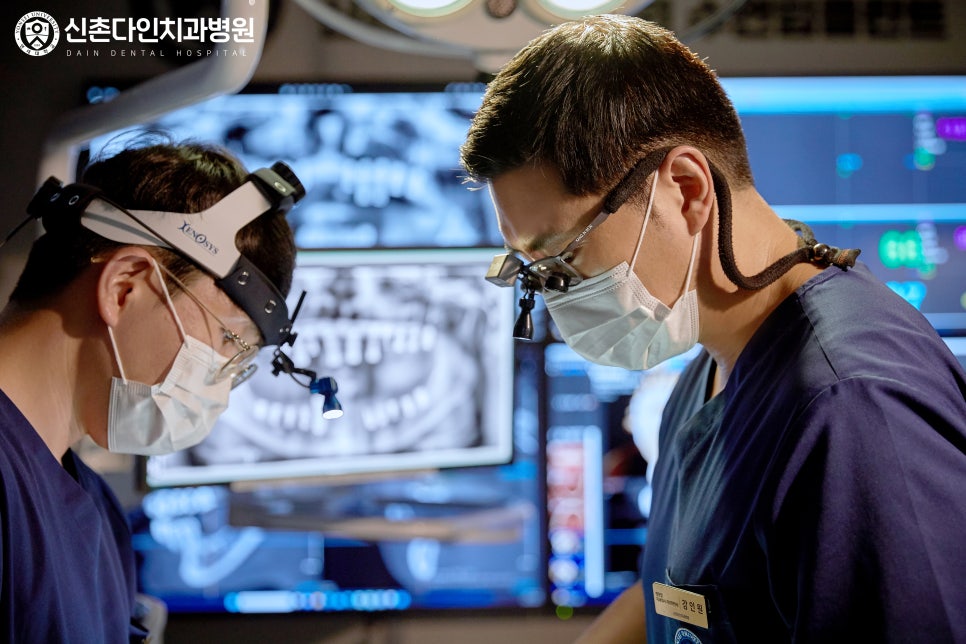
The implant treatment period typically takes about 3 to 6 months,
but the duration can vary depending on how quickly the implant
fixture and the jawbone integrate.
In addition, the implant period changes depending on the
patient’s condition. If the amount of jawbone is insufficient and
bone grafting is required, the implant period may become longer.
For a safe implant procedure, many factors had to be considered,
and it was important to check whether the clinic was one where
skilled and experienced medical staff provided treatment tailored
to the patient’s condition.
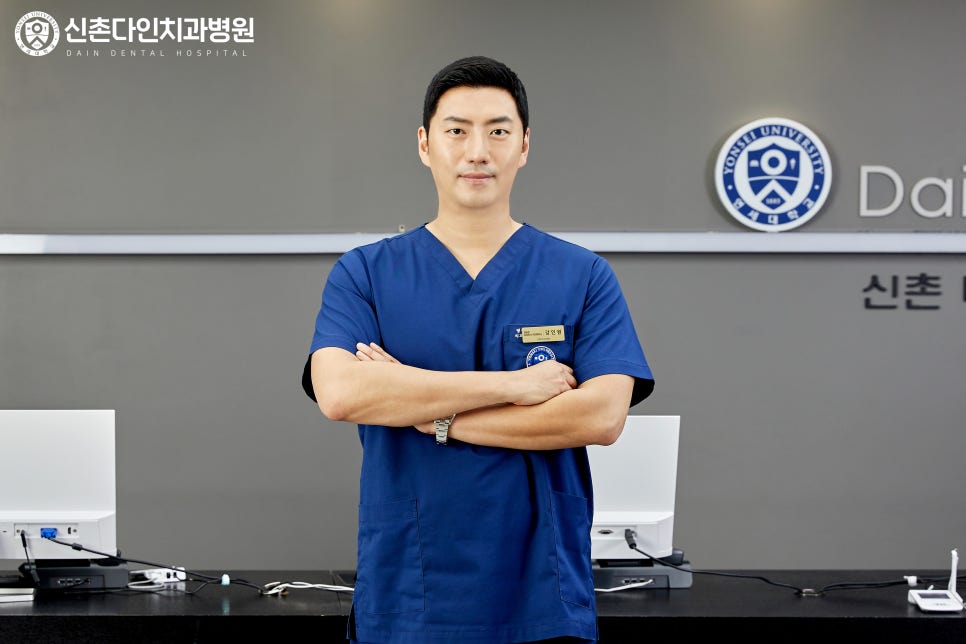
It was also better to choose a place that provides systematic
aftercare so the implant can be used for a long time after placement.
Although a tooth has been lost and implant treatment is needed,
some people delay treatment because of anxiety and fear due to
the sounds and smells unique to dental clinics.
If the timing of dental treatment is missed, symptoms can worsen,
making treatment more complicated and potentially leading to
additional problems, so treatment should be received promptly.
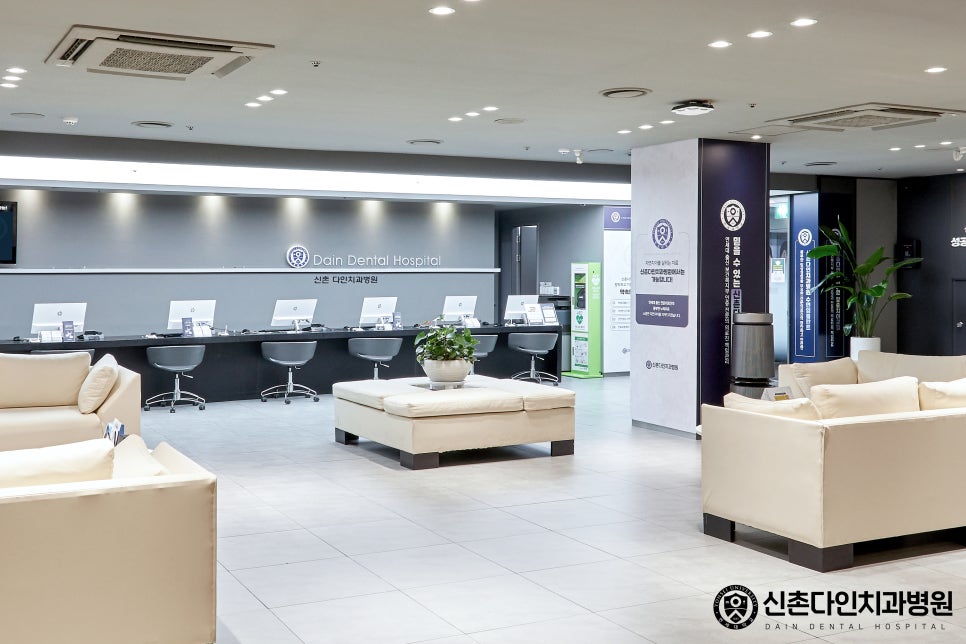
For patients who are afraid of dental treatment like this,
sleep implant treatment using conscious sedation at the Hapjeong-dong dental clinic could be considered.
Conscious sedation is different from the general anesthesia
we commonly know; it allows treatment while the patient is in a
light sleep state and can breathe on their own.
Treatment proceeded in a comfortable and calm state, and the
unpleasant sensations and pain experienced during treatment
were barely remembered, helping reduce fear and making it
possible to receive care more comfortably.
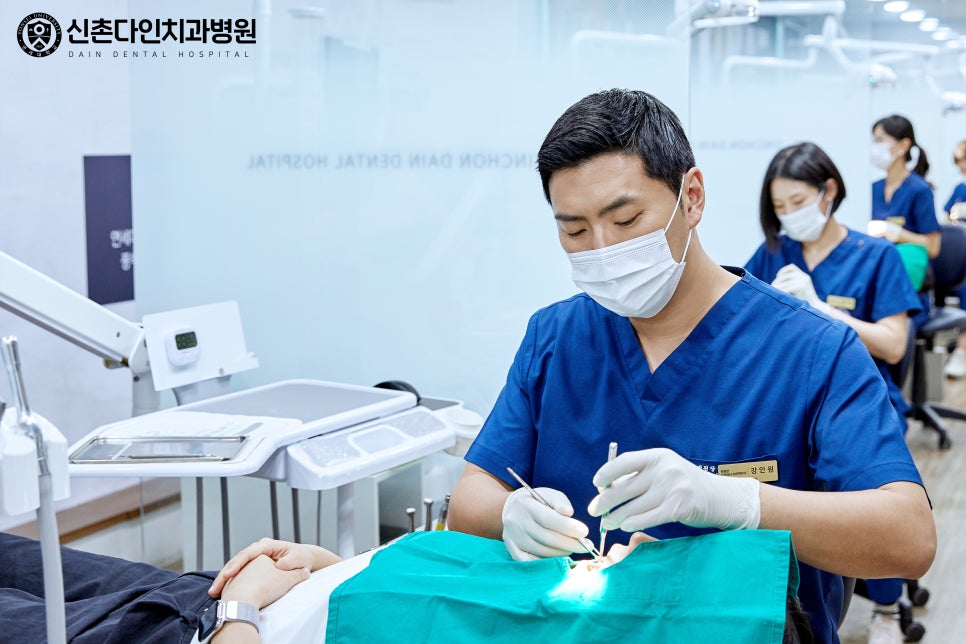
Through patient monitoring equipment, the patient’s light sleep
state, blood pressure, heart rate, and more were checked in real
time, adding safety to the procedure.
After treatment using conscious sedation, a recovery room was
prepared so that patients could rest comfortably before going
home.
Conscious sedation was also applied to not only implant
procedures but also wisdom tooth extraction, prosthetic treatment,
root canal treatment, and cavity treatment, allowing patients to
receive care more comfortably.
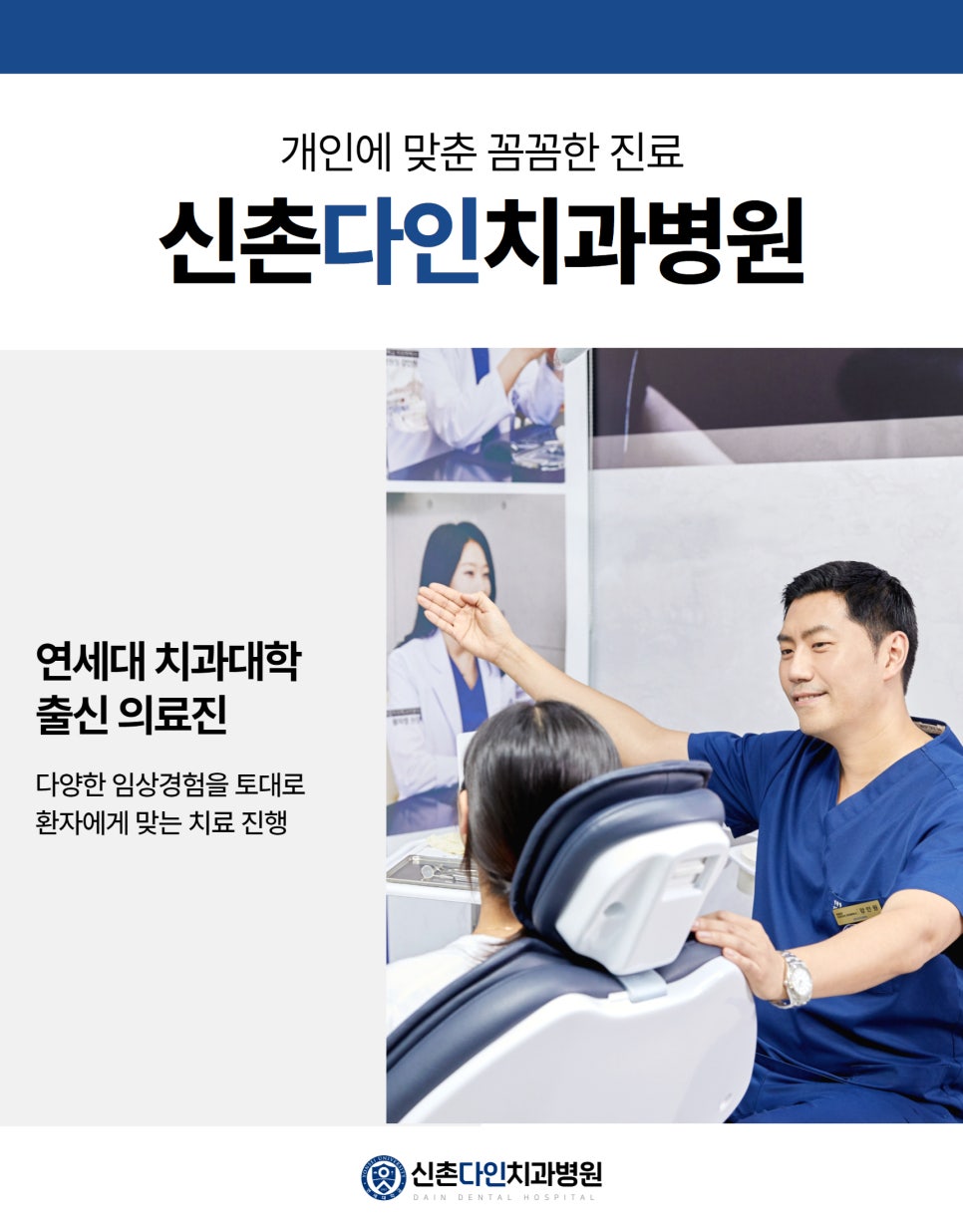
In addition, at the Hapjeong-dong dental clinic, medical staff from
Yonsei University College of Dentistry were carrying out implant
procedures suited to each patient based on their extensive clinical
experience.
Medical staff with years of treatment experience carefully assessed
the patient’s dental condition, established a treatment plan, and
then carried out the procedure, allowing patients to undergo
care with confidence.
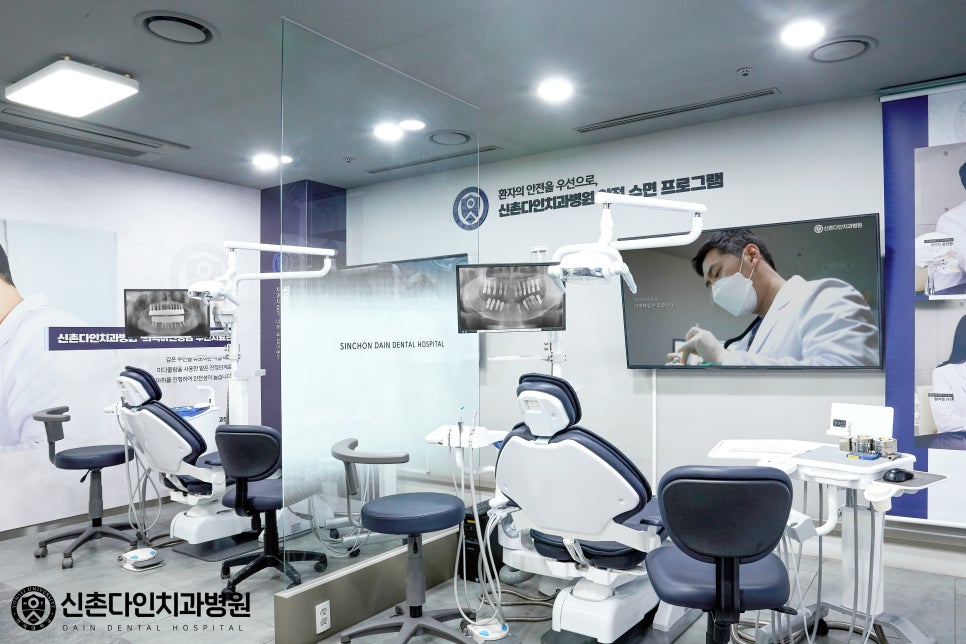
To closely diagnose the patient’s oral condition, which can be hard
for the medical team to see with the naked eye, a 3D-CT device
was used to identify bone tissue and the distance from surrounding
teeth.
The materials used in the implant procedure were verified, genuine
implant materials of proven quality, so patients could receive
treatment with confidence.
In addition, after the implant procedure, an implant warranty was
issued and aftercare was carried out through a systematic process,
which helped reduce the risk of side effects.
To allow patients to visit and receive treatment in the late evening,
nighttime consultations were provided every Monday and Wednesday
until 9 p.m.

If you have dental insurance but do not know the details, you can
check them on the website.


To view before-and-after photos of implant treatment and handwritten
reviews, you can check them after logging in, in accordance with the
Medical Service Act.

A KakaoTalk channel is available, so if you would like to make an
appointment or receive a consultation, please contact us anytime!