Stye Contagion
Ways to Manage the Symptoms
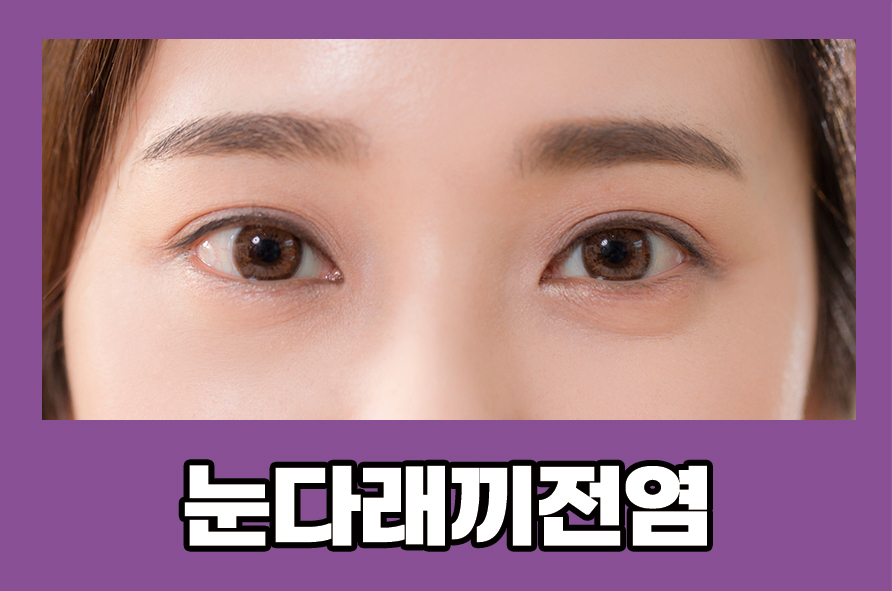
If your eye suddenly swells or you notice a yellow lump, you may suspect a stye, and it can occur more often when you are tired or have a weakened immune system.
When a stye develops, it can be uncomfortable not only because it looks unappealing, but also because it may cause tenderness, inflammation, and interfere with your vision.
Some people wonder whether a stye is contagious. Let’s take a look at whether it is contagious, as well as the causes, symptoms, and ways to manage the symptoms.
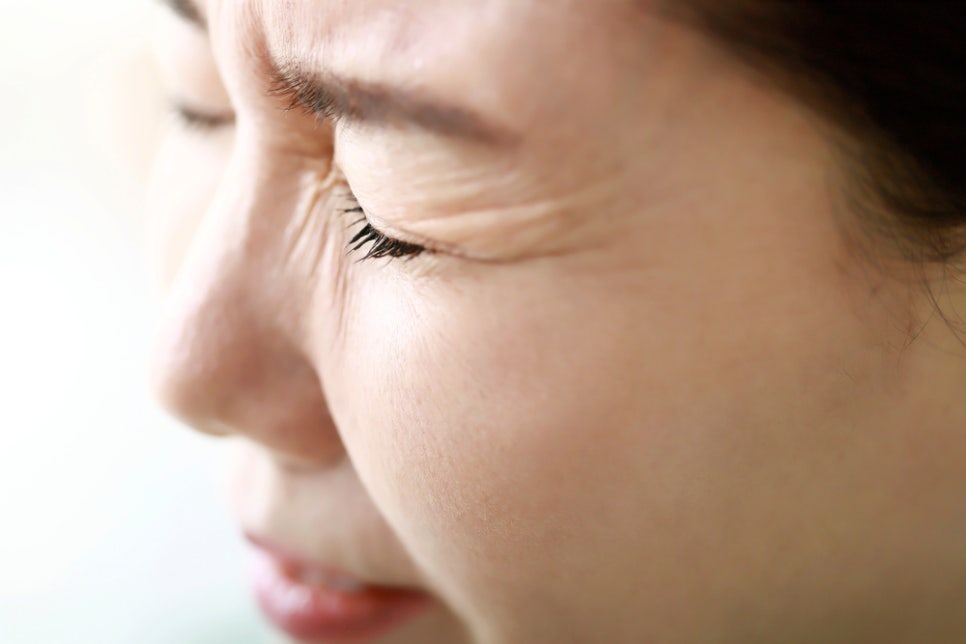
A stye is a condition in which a purulent inflammation develops in the glands in the eyelid, causing swelling or a pus-filled lump.
The eyelid, like other skin, contains several glands, including sebaceous glands that secrete oil and meibomian glands that secrete the oily layer of tears.
These glands produce and secrete oil to prevent tears from evaporating, but during this process, the oil produced may not be properly secreted.
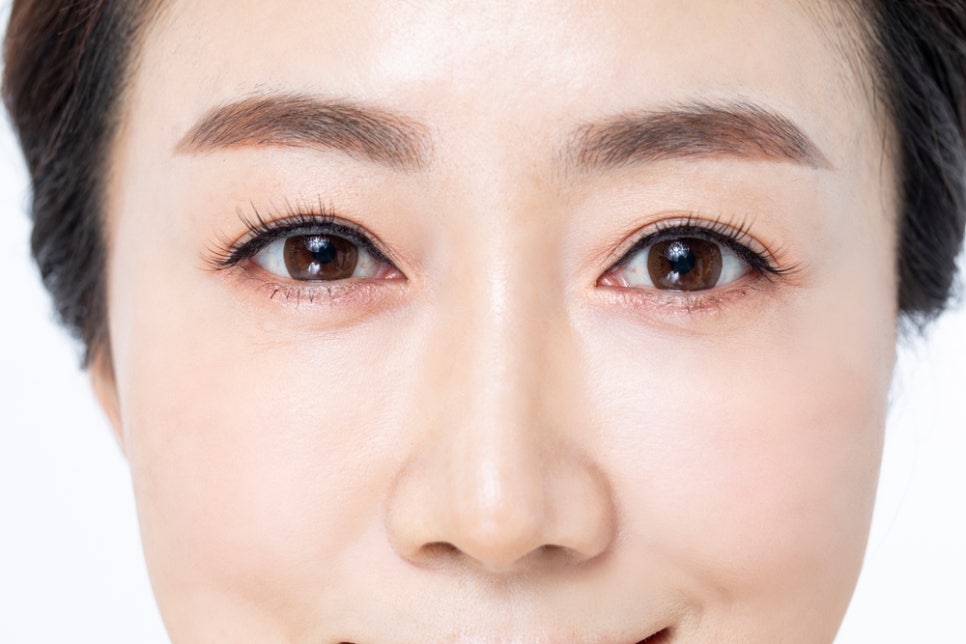
If the oil is not properly secreted and builds up in the glands, it can become infected and a stye may develop. Depending on the affected area and location, it can be divided into three types.
An external stye causes the edge of the eyelid to swell and severe pain to develop, while an internal stye may appear as an abscess on the conjunctival surface.
External and internal styes are mainly caused by acute bacterial infections, and they are known to be caused mostly by staphylococci.
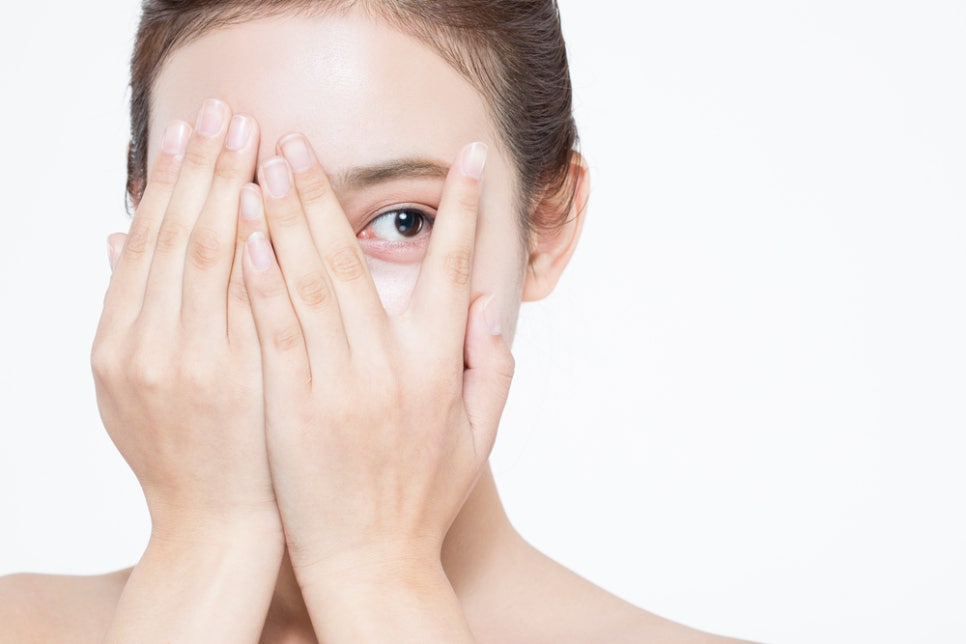
A chalazion is a stye-like condition that appears when the meibomian gland is blocked. When the opening of the gland becomes blocked, secretions build up and trigger an inflammatory reaction.
When a stye develops, the inflammation may not be noticeable to the touch at first, but you may feel a foreign-body sensation or heaviness in the eyelid.
As time passes, the eyelid area may feel sore and swell, and if pus forms, the foreign-body sensation and pain may become worse.
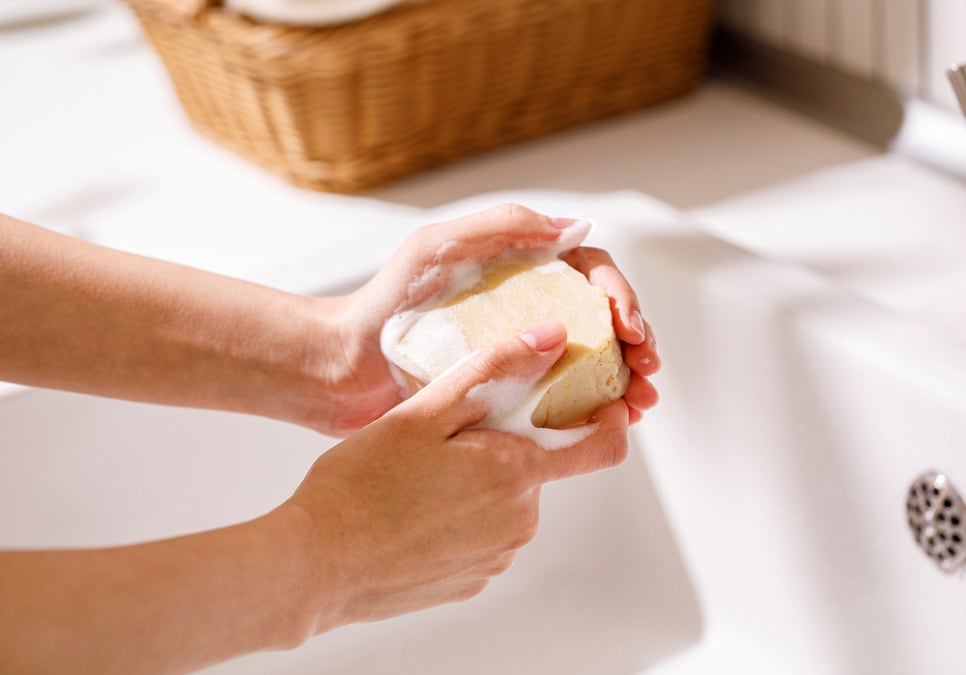
Some people worry that a stye may be contagious, but since a stye is not a contagious disease, there is no need to worry.
To manage and help prevent symptoms when a stye occurs, it is best to avoid rubbing your eyes frequently with your hands, and applying a warm compress can also help manage the symptoms.
In addition, it is important to maintain good personal hygiene. After going out, wash your hands thoroughly to keep them clean.
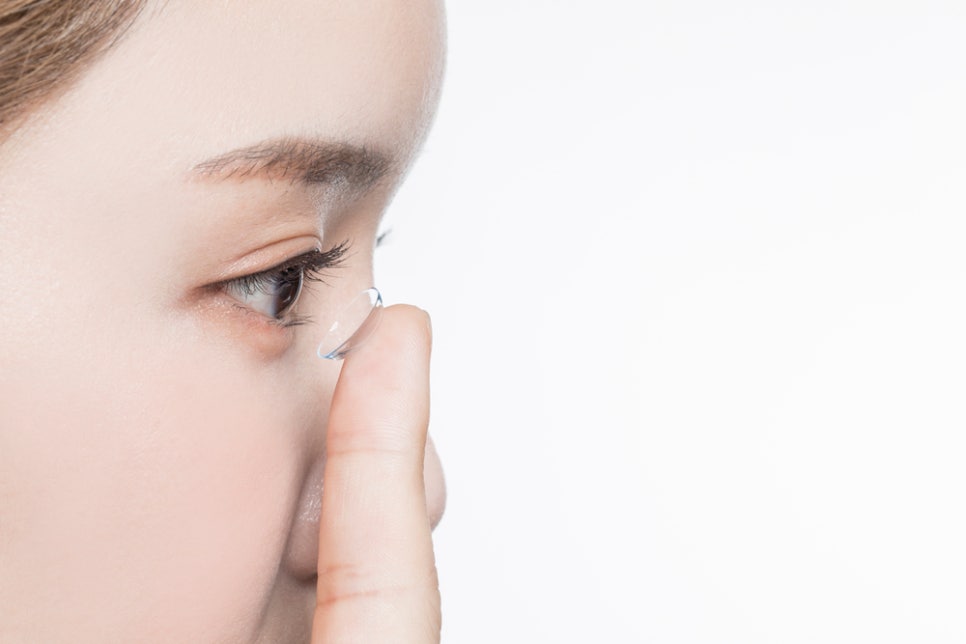
To help prevent styes, it is best to reduce the use of contact lenses, and when you do need to use them, clean them carefully before wearing them.
Also, when using cosmetics, be careful not to apply them to the conjunctiva, and getting enough rest and sleep in your daily life can help manage symptoms.
We looked at whether a stye is contagious, as well as its causes, symptoms, and ways to manage the symptoms. Please refer to the information above to help improve your symptoms.