Why do I get nosebleeds often: causes and
how to respond
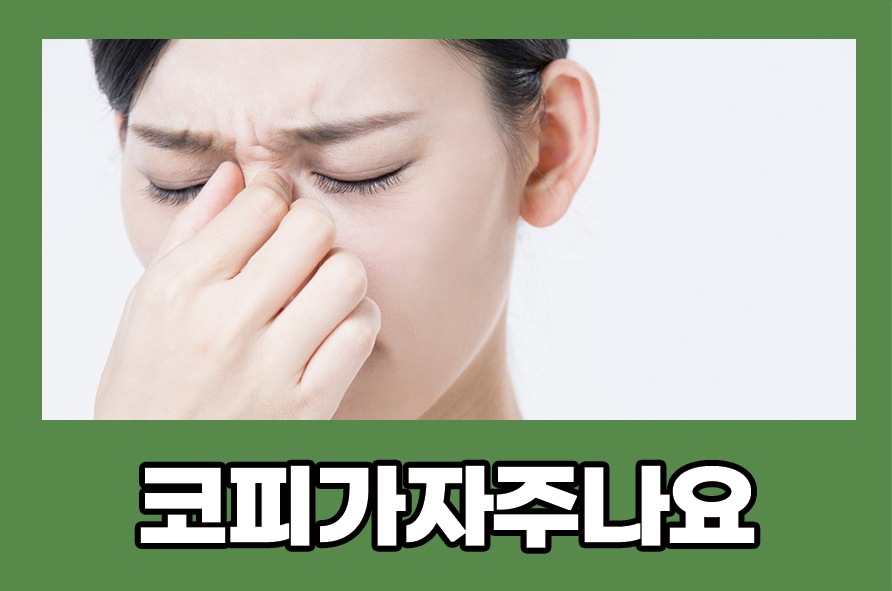
Even if you have not been hit on the nose or picked it,
a nosebleed can suddenly occur. In particular, during the dry
winter season, nosebleeds may happen more often.
In most cases, nosebleeds occur naturally, the amount of bleeding
is small, and they stop easily. However, if they happen repeatedly,
they can be uncomfortable.
Let’s look at what causes symptoms like getting nosebleeds often
and how it is best to respond when a nosebleed occurs.

A nosebleed happens when the blood vessels in the lining inside the
nose burst, and the amount of bleeding can vary depending on
which blood vessels are damaged.
Most nosebleeds come from blood vessels in the lining at the front
of the nose. This is called an anterior nosebleed, and because the
lining there is thin, even minor impacts can easily cause a nosebleed.
Although less common, nosebleeds can also occur deep inside the
nose. This is called a posterior nosebleed, and it tends to involve a
larger amount of bleeding than an anterior nosebleed.

Nosebleeds can occur for various reasons. First, if the lining inside
the nose is damaged, a nosebleed may happen.
If the nose is habitually picked or struck by a hard object, trauma
can cause a nosebleed, and blowing the nose forcefully can also
place pressure on the lining and lead to bleeding.
In addition, many people complain of symptoms like getting nosebleeds
often during the winter. When the weather becomes cold and dry,
the inside of the nose can dry out easily.

The inside of the nose can react sensitively when humidity drops,
so it is best to maintain an appropriate level of moisture. When the
lining dries out, the cells on the surface of the lining become damaged.
When these cells are damaged, the blood vessels beneath them can
burst, which may cause nosebleeds to occur more often.
Also, if you develop illnesses such as a cold or rhinitis during the
winter, the lining may become weaker than usual, causing blood vessels
to burst and a nosebleed to occur suddenly.

A nosebleed can also happen suddenly on days when you are under
stress or overworked. When fatigue builds up, your body rhythm is
disrupted, causing blood vessels to constrict and blood pressure to rise.
When blood pressure rises, the small blood vessels inside the nose
can burst and cause bleeding. Therefore, people with high blood
pressure may experience nosebleeds more often.
As such, nosebleeds can happen for many different reasons, and when
a nosebleed occurs, it is important to respond properly to stop the
bleeding.

If you get a nosebleed, do not tilt your head back. Instead, lean
forward to stop the bleeding, and it is best to gently press both
sides of the nose for about 5 to 10 minutes.
If nosebleeds happen often, it is also good to eat foods that help
stop nosebleeds. In the case of lotus root, its iron and tannin
content may help stop nosebleeds.
We looked at what causes symptoms like getting nosebleeds often and
how to respond when a nosebleed occurs. Please refer to the above
information when managing the symptom.