Hangjeong Station Dental Clinic Implant Process
Through a Careful Diagnosis

When eating food, teeth play a role in breaking it down into smaller pieces
and helping it move on to the digestive organs.
Therefore, if teeth are not functioning properly,
digestion can be affected, and even the happiness of tasting food
can easily disappear.
Furthermore, the loss of tooth function could also become a major
inconvenience in daily life and lower quality of life.
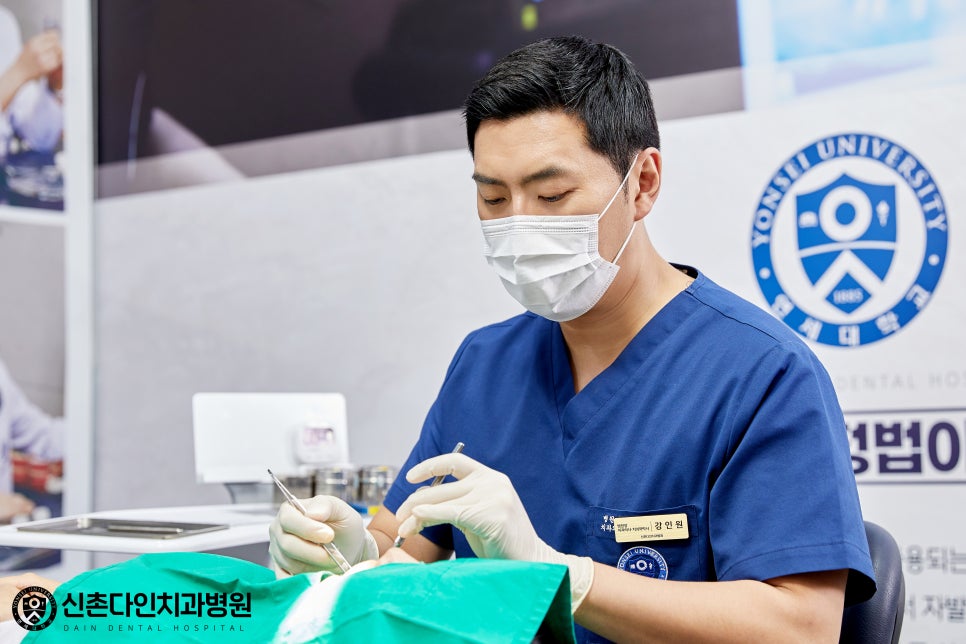
Once our teeth are damaged or lost, it is difficult to restore them to their original
state, so they needed to be managed carefully in advance.
If a tooth is lost due to poor dental care or other reasons,
chewing ability decreases, and eating itself can become difficult.
In addition, problems with pronunciation can arise, creating limits in
communicating with others, and although minor, issues such as reduced
physical function can also be caused.
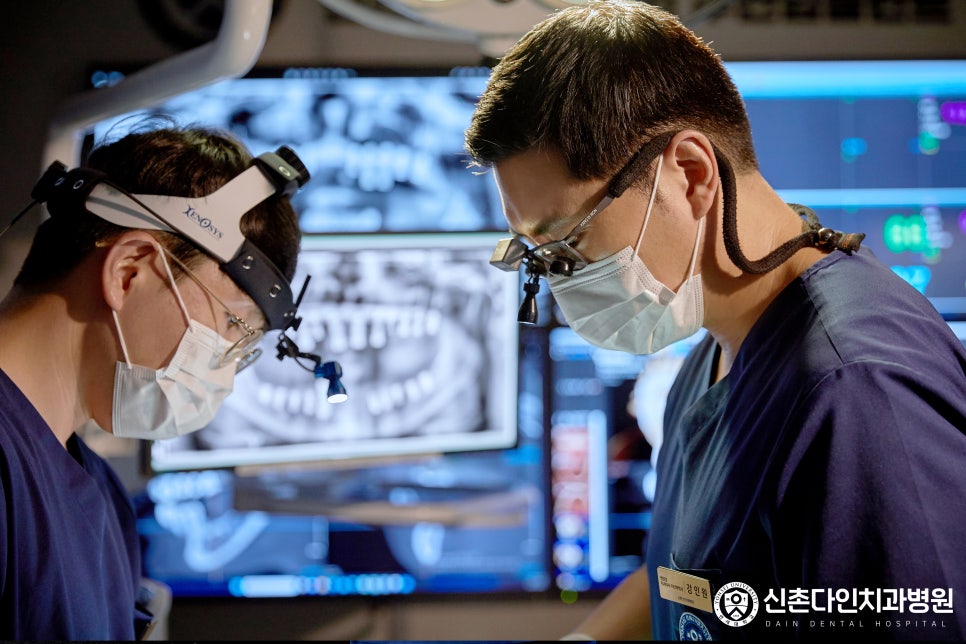
As time passes, teeth around the missing tooth can move into the empty
space, which may cause problems such as malocclusion.
Because tooth loss can cause various inconveniences like this,
it was advisable to receive appropriate restorative treatment at a
dental clinic near Hangjeong Station.
In the past, dentures were often used when teeth were lost, but dentures
had weak stability and could easily move, causing discomfort.
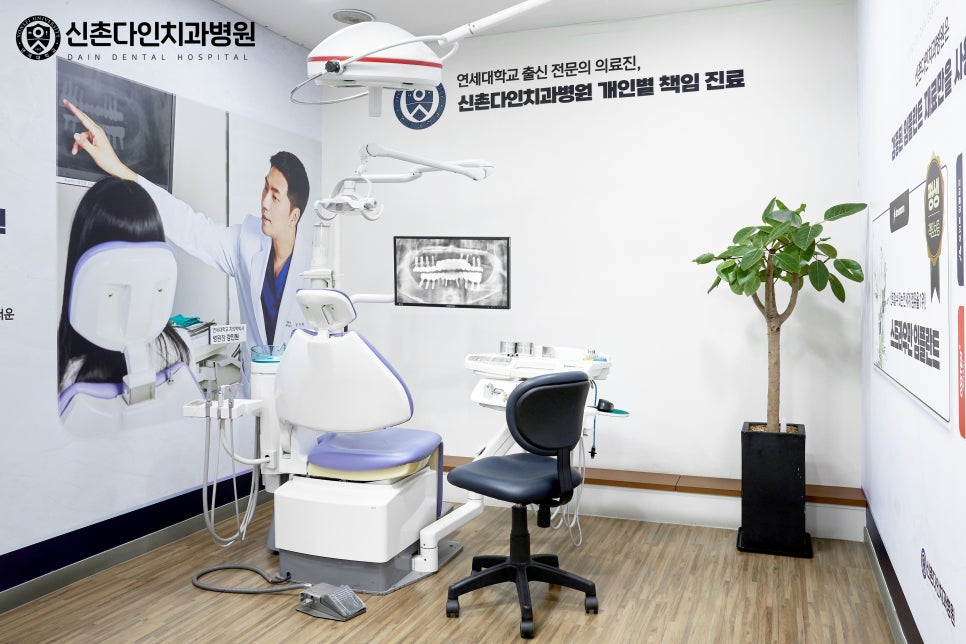
As a result, in recent years more people have been considering implant
procedures, which do not require removal and are firmly fixed to the jawbone,
so they are less likely to wobble.
The implant process was carried out by placing an artificial root into the jawbone,
then attaching a tooth-shaped prosthetic and connecting it with an abutment.
Because the implant procedure involved directly placing it into the jawbone,
it could provide stability and help restore chewing ability.
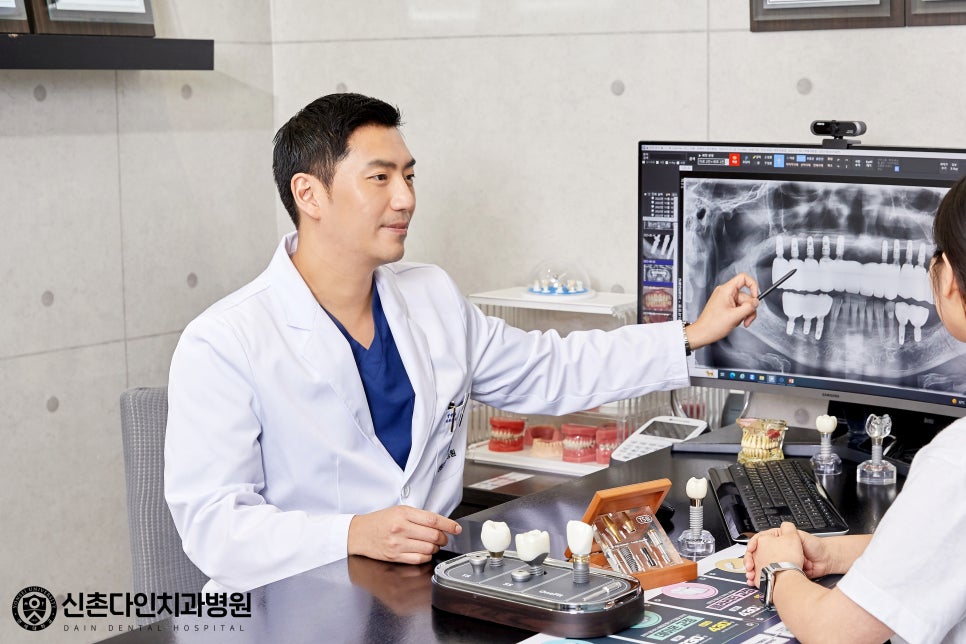
In addition, since prosthetics with shapes similar to natural teeth were used,
it offered natural aesthetics and was therefore a highly satisfying procedure
for younger patients as well.
However, for any treatment, it was important to conduct a precise diagnosis
of the patient's condition before the procedure and establish a customized
treatment plan through a careful assessment.
In addition, implant placement is considered a highly difficult procedure,
so it was necessary to check whether skilled and experienced medical staff
were carrying it out.
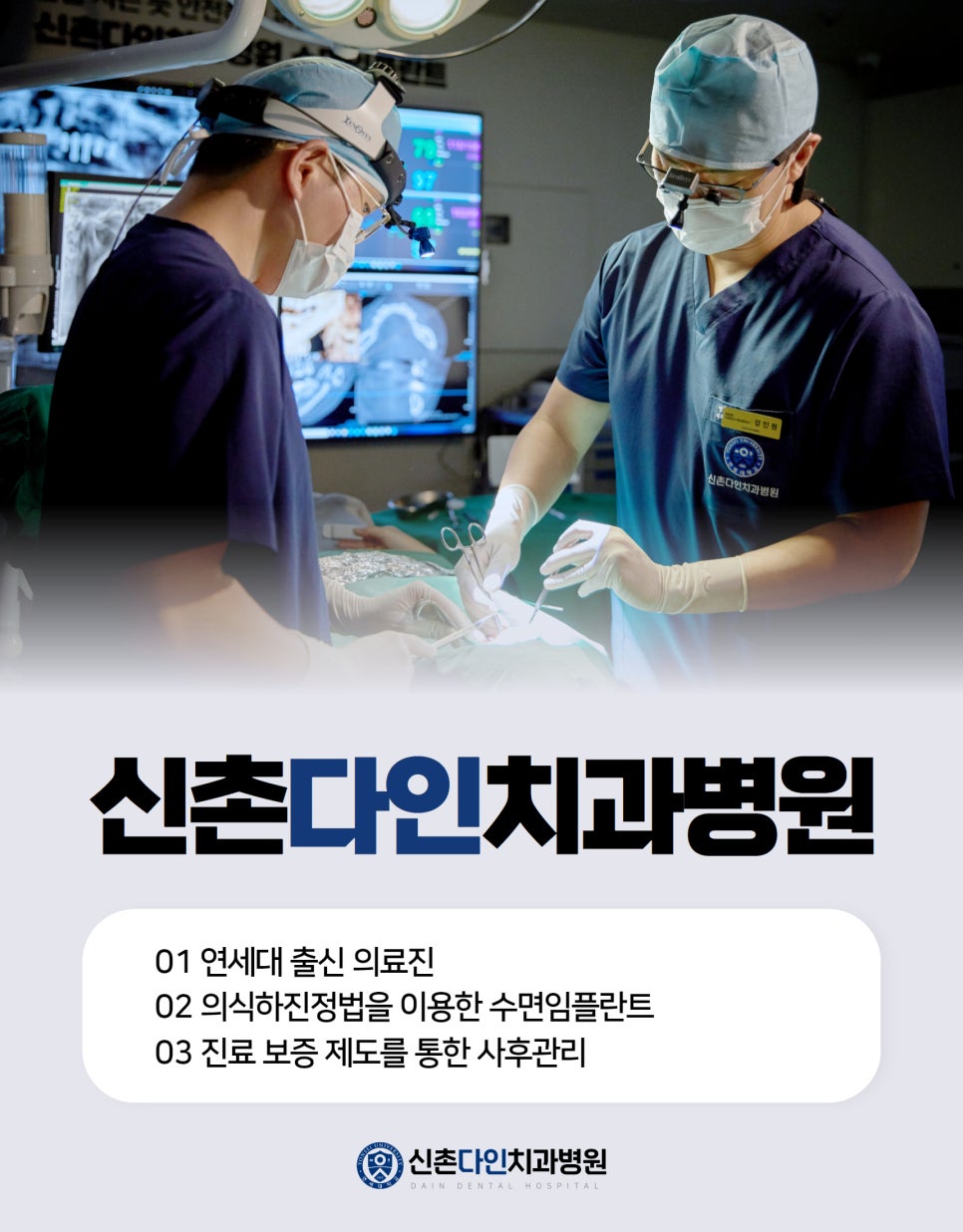
At Hangjeong Station Dental Clinic, doctors from Yonsei University College of Dentistry
were responsible for the entire implant process, from consultation and the implant
procedure to aftercare.
The medical team, with extensive clinical experience, carefully assessed each
patient's condition and proceeded with treatment.
Because implant procedures were being performed by clinicians with experience
across a variety of cases, patients could receive treatment with peace of mind.
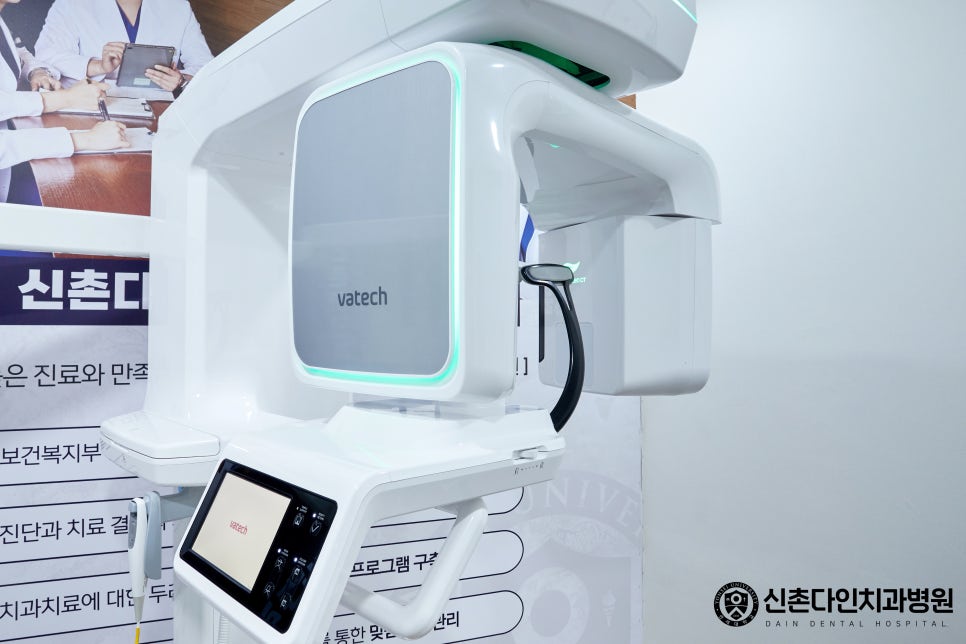
In addition, for an accurate diagnosis, 3D-CT equipment was used to closely
assess the patient's oral condition, including the bone tissue and the distance
to surrounding teeth.
To carry out implant treatment with added safety, only genuine implant materials
with verified quality were used.
To use implants for a long time after placement, aftercare also needed attention,
and if aftercare was not carried out carefully, various side effects could occur.
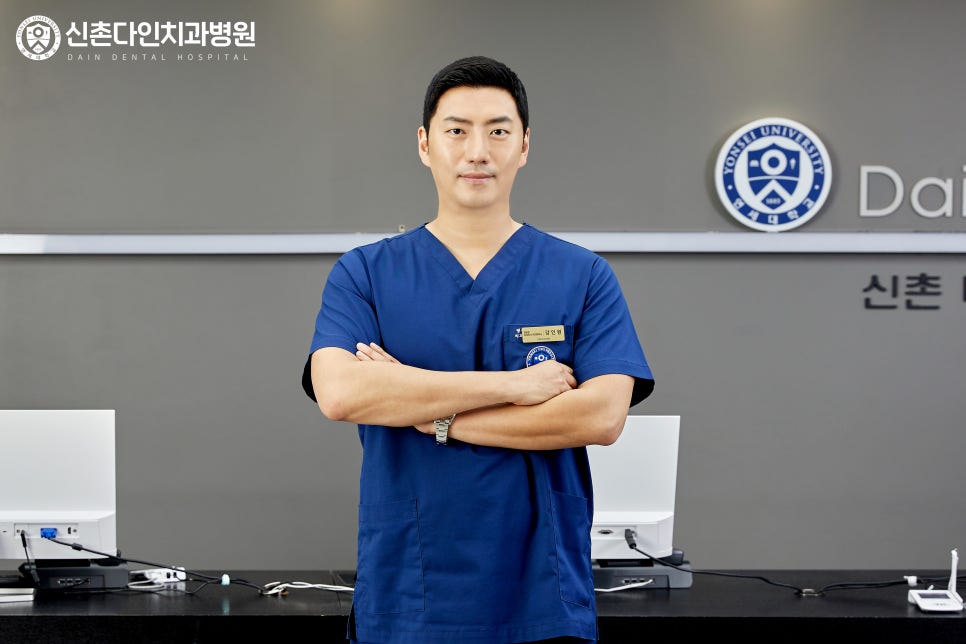
If post-placement care was neglected, problems such as peri-implantitis,
prosthetic fracture, or detachment could occur, so careful management was
necessary even after placement.
At Hangjeong Station Dental Clinic, aftercare was provided through an implant
warranty so that patients could reduce the risk of side effects and use their
implants for a long time.
There were often cases where patients needed implant treatment but delayed it
because they were worried about the sound of dental equipment, the distinctive
smell, or pain.
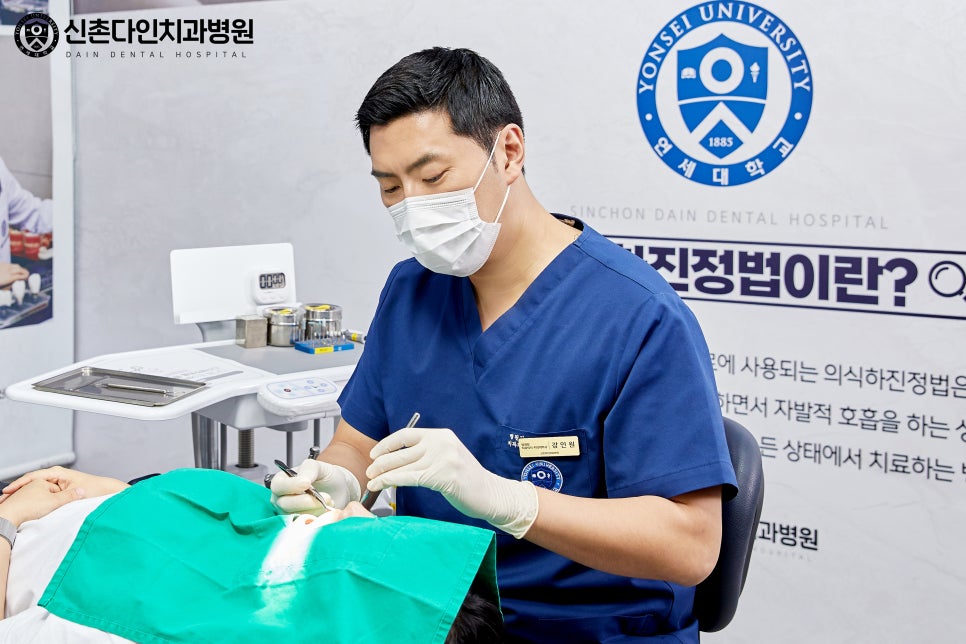
For patients who had delayed dental treatment because of fear of treatment,
sleep implant procedures using conscious sedation could be considered.
Conscious sedation was a method in which midazolam ampoules were administered
to induce a lightly asleep state in which the patient could breathe spontaneously,
and then treatment was performed.
Patients could receive treatment in a comfortable state, and it made the discomfort
and pain experienced during treatment almost unremembered, allowing them to
undergo treatment with less fear.
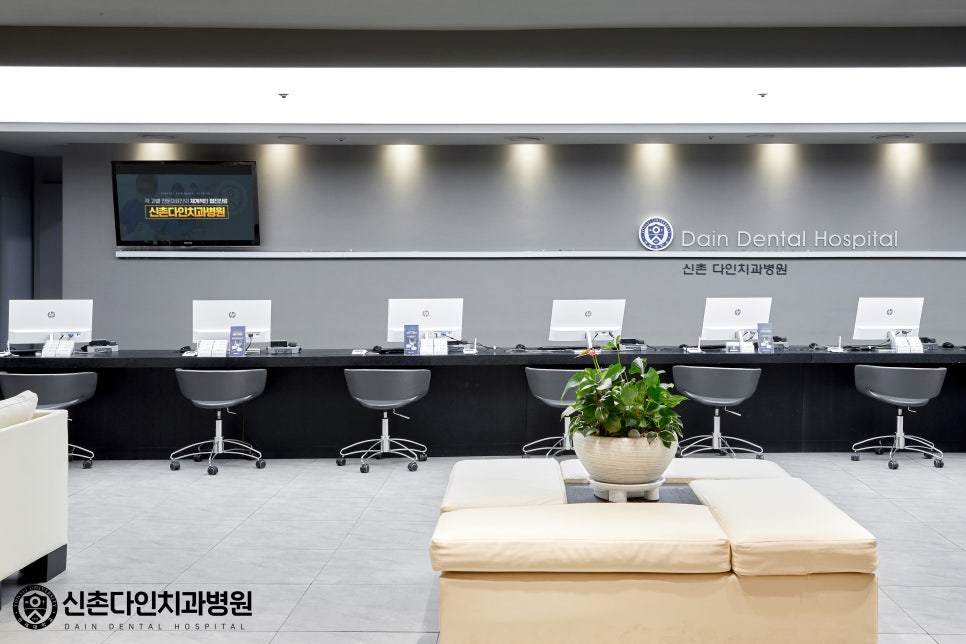
During sleep implant procedures using conscious sedation, safety was enhanced by
monitoring the lightly asleep state, blood pressure, pulse, and more in real time.
In addition, after sleep treatment performed under conscious sedation, a recovery room
was available so that patients could rest 충분히 and return home.
Conscious sedation was also applied to treatments such as prosthetic treatment,
wisdom tooth extraction, and root canal treatment, making it possible to receive
various treatments more comfortably.

If you have dental insurance but are not familiar with the details, you can check it on the website.


To view before-and-after photos of implant treatment and handwritten reviews,
you can check them after logging in, in accordance with medical law.

We operate a KakaoTalk channel, so please contact us anytime if you would like
to make a visit reservation or ask about treatment consultation!












Previous image
Next image










Previous image
Next image










Previous image
Next image