Causes of Night Sweats During Sleep and
Ways to Improve the Symptoms
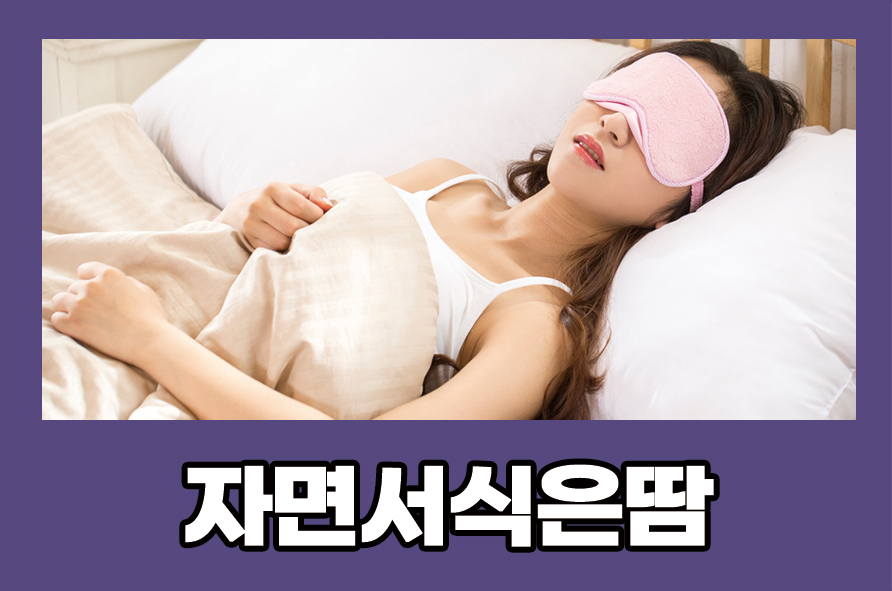
Getting a good night’s sleep is important, but sometimes you may sweat heavily while sleeping at night
or when you wake up, leaving your bedding damp.
This can simply happen because the sleeping space is too warm or because the blanket is too thick, but if the symptoms
continue, you should check whether there is something wrong with your body.
Let’s take a look at what can cause night sweats during sleep and how it is best to improve the symptoms.
When you stay in a hot environment for a long time, such as during the summer or in a place with a high temperature, sweating is normal,
but you may also sweat even when that is not the case.
This is called cold sweat, and it can occur due to causes such as stress and anxiety, and some people also sweat cold sweat while sleeping.
One cause of night sweats during sleep may be a problem with the autonomic nervous system. As mentioned above, if you have stress or
anxiety, an abnormality in the autonomic nervous system can cause you to sweat cold sweat while sleeping.
If stress continues, the sweat glands may open up,
and you may sweat enough to make your pillow or blanket damp while sleeping.
In addition, cold sweats can occur because of sleep habits. If you have sleep apnea, a condition in which breathing temporarily stops during sleep,
you may sweat cold sweat.
Excessive drinking can also be a cause of cold sweats during sleep. When too much alcohol enters the body, liver function
declines, and you may sweat unusually heavily.
You may also experience this symptom because of your bedroom environment. If the room temperature is high or you wear thick sleepwear,
you may sweat a lot while sleeping.
For middle-aged women, menopause can cause increased sweating during sleep. As menopause approaches or begins, you may feel heat at night
and break out in cold sweats.
Indigestion can also cause cold sweats while sleeping. If you usually have irritable bowel syndrome or reflux esophagitis, you may sweat cold sweat heavily
when you sleep.
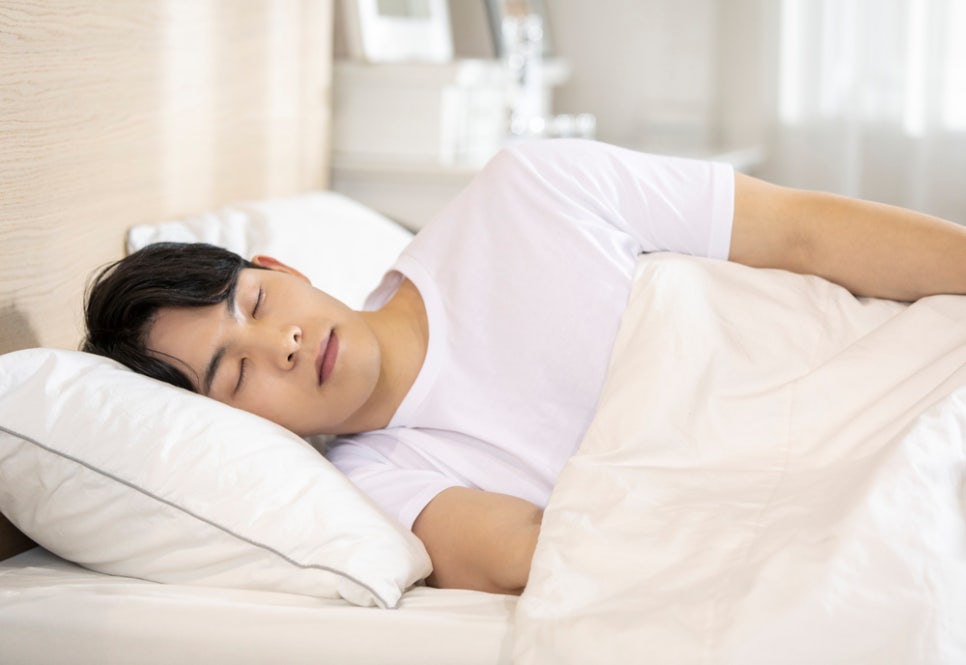
If you eat late at night, it can cause indigestion, and this can lead to poor blood circulation and cause cold sweats.
If there is a problem with the thyroid, you may also sweat cold sweat while sleeping. When hormones are secreted excessively,
you may sweat a lot.
As such, night sweats during sleep can occur for various reasons, so it is best to identify the cause of the symptoms
and improve them appropriately.
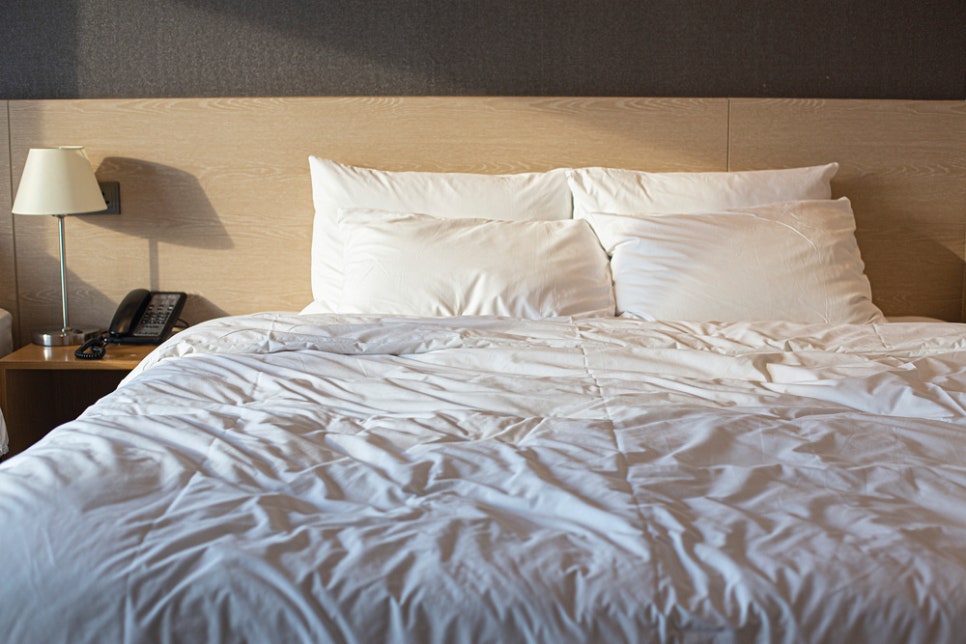
Because symptoms can occur due to indigestion, you should avoid eating late at night, and it is also good to manage stress
so that it does not build up in daily life.
It is also good to improve your sleep environment. You should keep the indoor space from becoming too hot, and wearing
sleepwear that allows good ventilation and feels comfortable can help improve symptoms.
We looked at the causes of night sweats during sleep and ways to improve the symptoms. Please refer to the information above
and manage your symptoms accordingly.