Hongdae Entrance Station Dental Clinic Implant Placement
In a Comfortable State

�
�
In everyday life, you could lose teeth for a variety of reasons.
Tooth loss could occur due to aging, accidents, cavities,
and other causes.
When you lose the function of a tooth or lose a tooth,
you may experience various inconveniences, so it was advisable to receive treatment at a dental clinic near Hongdae Entrance Station.
If you lose the function of a tooth, your chewing ability,
which is the ability to chew and crush food, is reduced,
which can make eating difficult.
Because you had to swallow food without chewing it properly,
this could also cause problems such as indigestion,
and it could lead to a tendency to seek only soft foods.
Also, if a tooth falls out and your bite no longer aligns,
you may end up using only one side for chewing,
which can strain the jaw joint and jawbone.
For that reason, if you have lost the function of a tooth or a tooth has fallen out, it is better to have an artificial tooth placed to replace it.
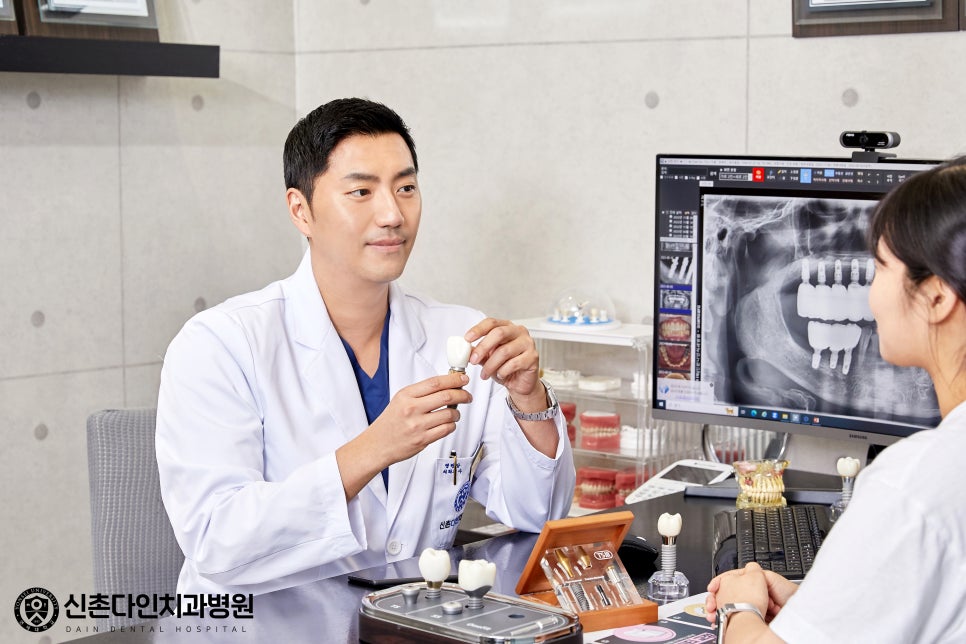
Restorative treatments that could be considered to restore tooth function after tooth loss included dentures, bridges, and implants.
Recently, implant procedures, which involve directly placing a fixture into the alveolar bone to provide strong fixation and restore chewing ability, have been widely sought after.
Because they are firmly fixed, there is little to no shaking,
and chewing ability can be used at a level similar to that of natural teeth.

Implant procedures were also popular among younger patients because they offered not only functional benefits but also aesthetics.
They have a structure similar to natural teeth, and the crowns used for implant placement have shapes and colors similar to natural teeth, so aesthetic results could also be expected.
Since implants are placed into the alveolar bone, it was difficult to place them if the condition of the alveolar bone was poor or if there was not enough bone.
If there was insufficient alveolar bone, implants could be placed after bone grafting, so the treatment period could be longer.
Because implant procedures could vary depending on the condition inside the patient's mouth, a detailed diagnosis of the patient's oral condition through precise examination should come first.
Also, in some cases, the procedure could be difficult and complicated, so it was good to carefully consider the medical staff's experience, the equipment they had, and the treatment process.
It was also advisable to look for a clinic that provides thorough aftercare after implant procedures, because neglecting care could lead to problems such as the implant loosening or falling out.
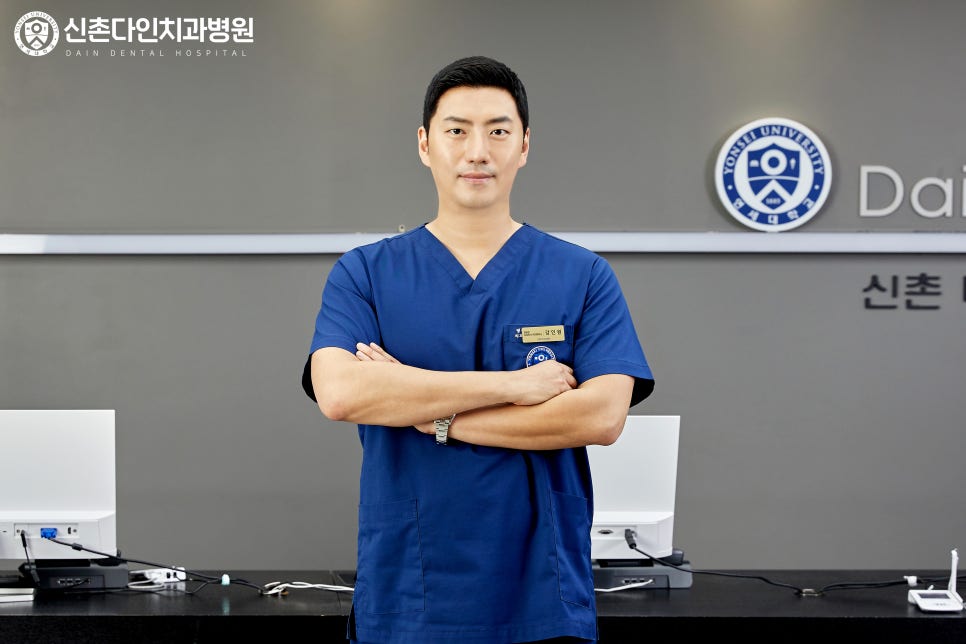
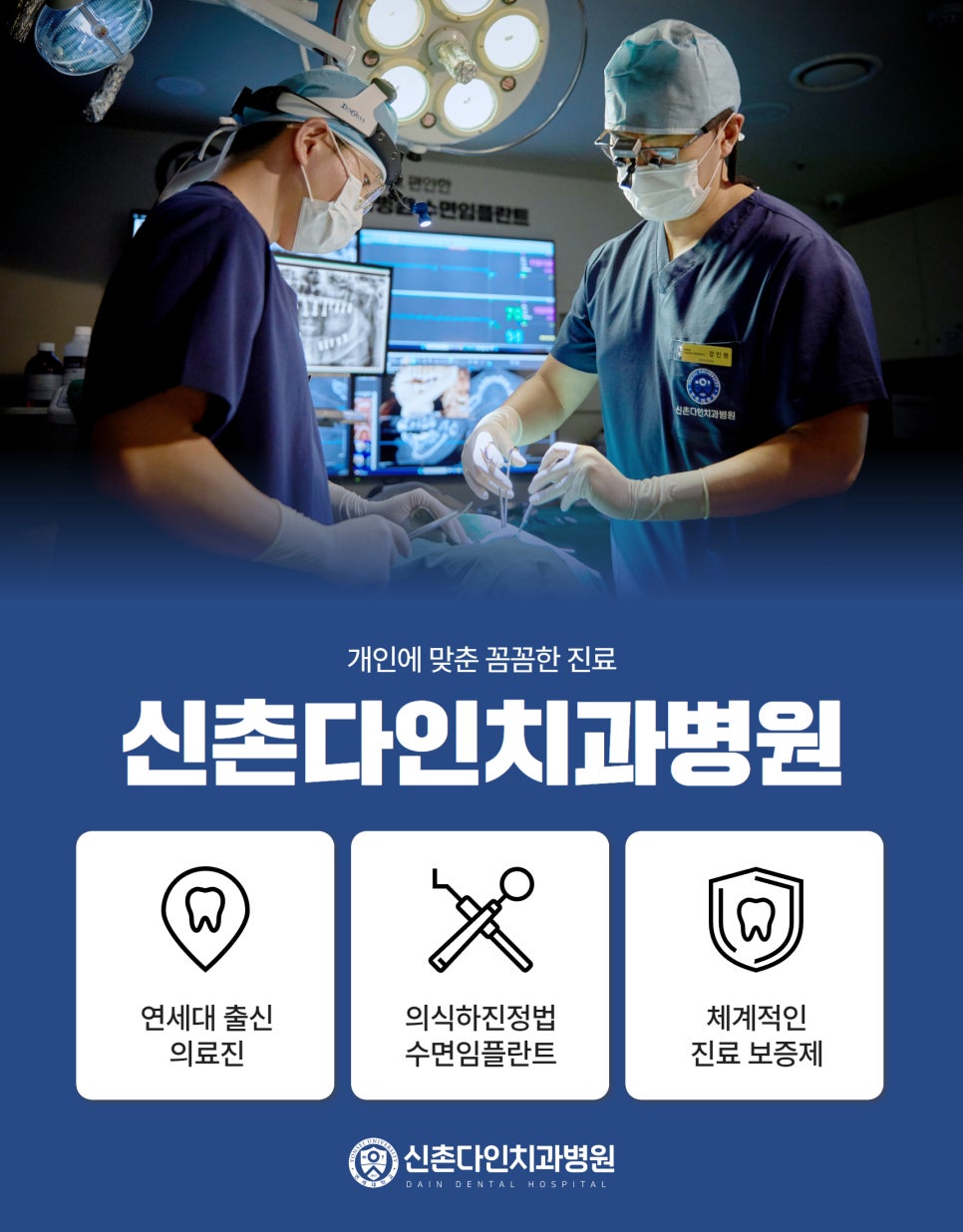
At the Hongdae Entrance Station dental clinic, medical staff from Yonsei University College of Dentistry carefully assessed each patient's condition and continued personalized treatment.
Because the medical staff had experience with a wide range of cases and performed implant procedures using methods appropriate for each individual patient, satisfaction could be increased.
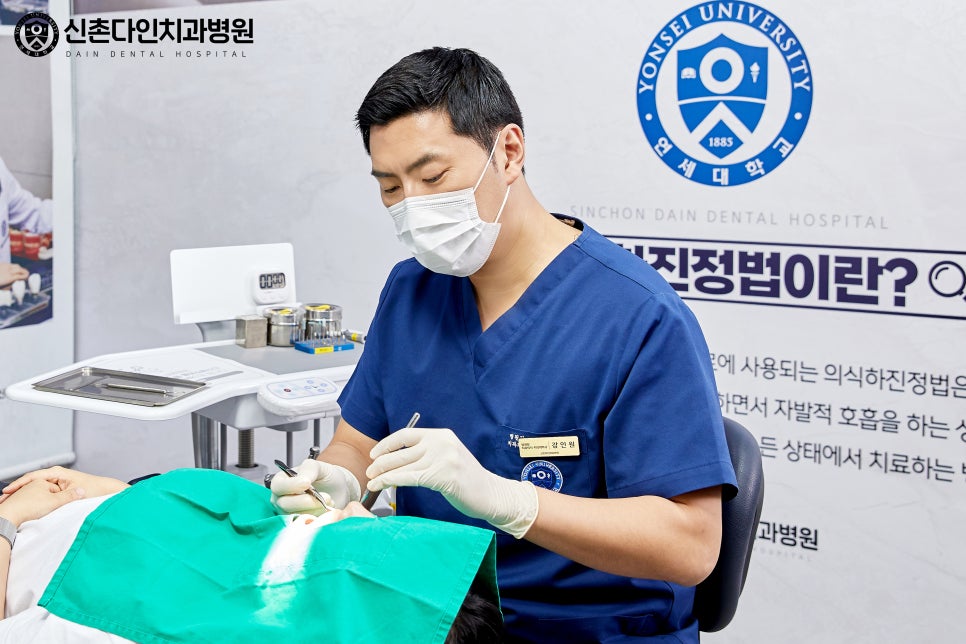
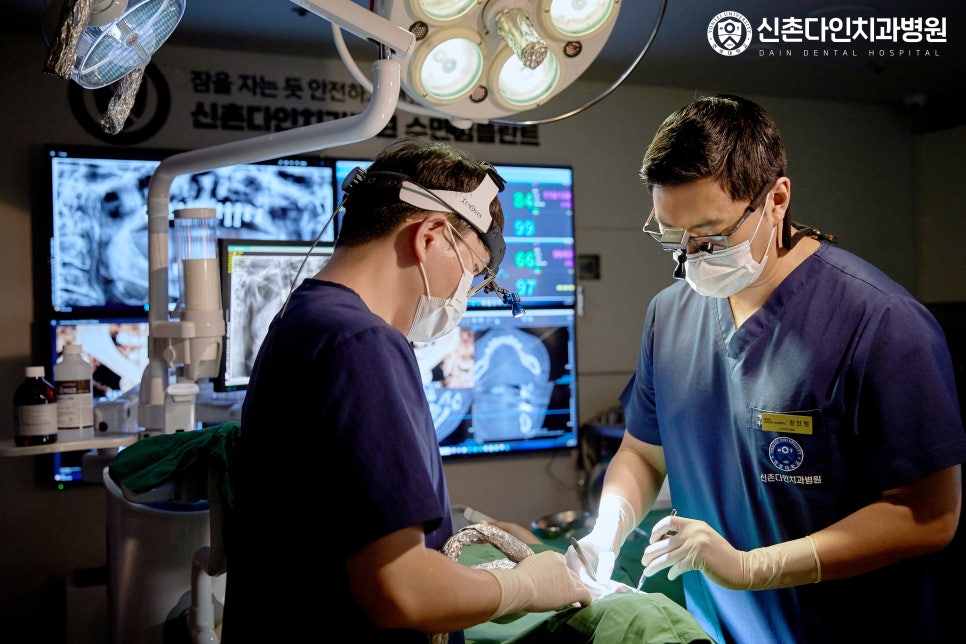
In addition, they used digital equipment such as 3D-CT to carefully assess the condition of the alveolar bone and the distance and angle of surrounding teeth, then established treatment and placement plans.
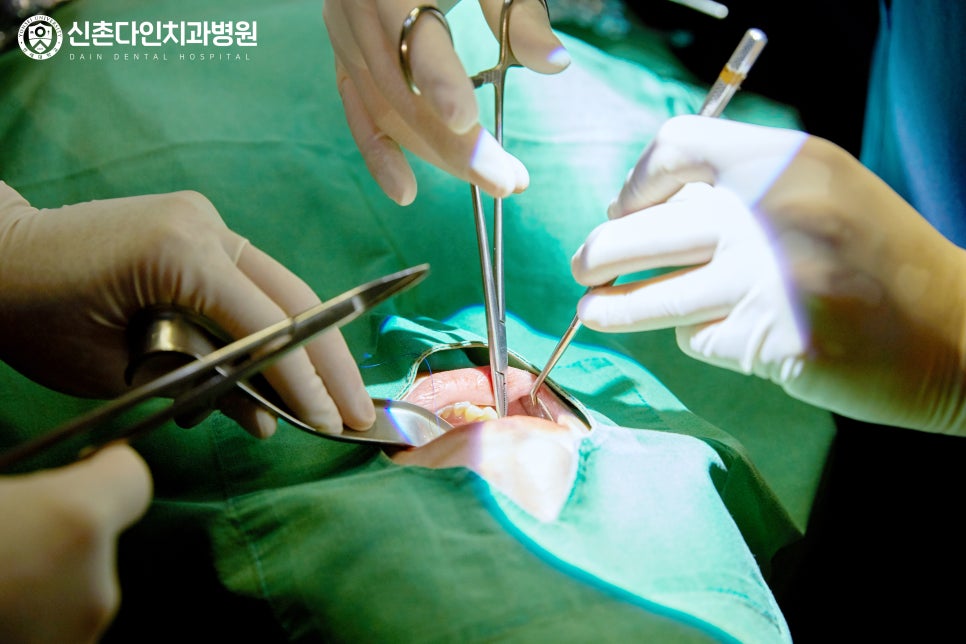
To continue implant procedures with added safety, they used only genuine implant materials whose quality had been verified.
After implant procedures, an implant warranty certificate was issued, and thorough aftercare was provided to check whether there were any issues with the prosthesis or whether inflammation had occurred.
However, there were cases where patients needed treatment after losing a tooth, but delayed care repeatedly out of vague fear of treatment, and visited only after their condition worsened.
If the condition is left as it is after tooth loss, surrounding teeth can tilt into the empty space, which can cause problems such as changes in tooth alignment.
Therefore, it was important not to delay treatment. For patients with severe fear of treatment, sleep implant procedures using conscious sedation could be considered.
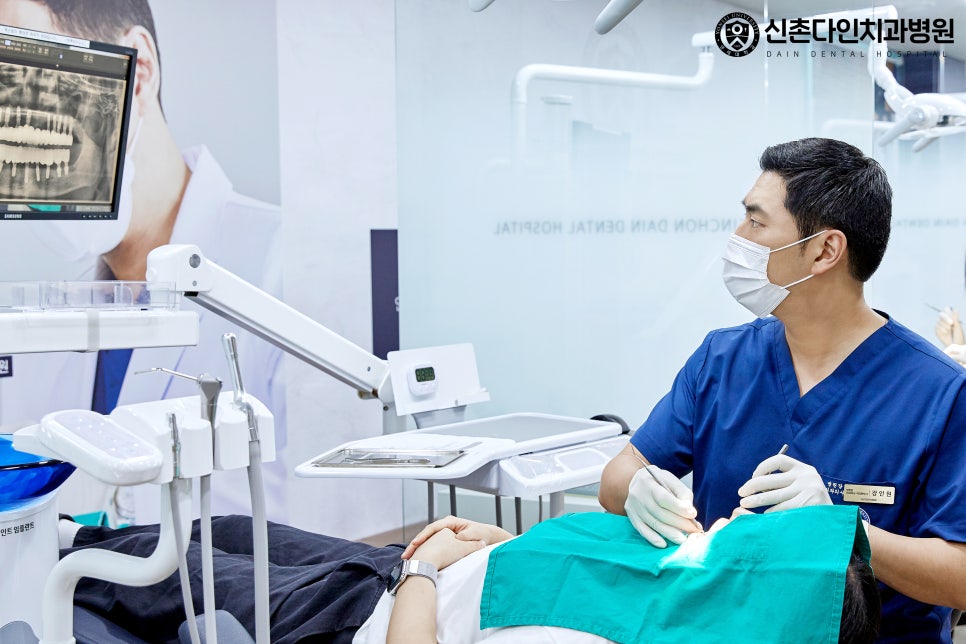
Conscious sedation is a method in which a midazolam ampoule is administered to induce a drowsy, semi-sleep state in which the patient can breathe on their own, and then treatment is carried out.
The patient could respond appropriately to the medical staff's instructions,
and because treatment was performed while sedated, it was possible to receive care comfortably.
At the Hongdae Entrance Station dental clinic, patient monitoring equipment was used to check the semi-sleep state, blood pressure, pulse, and other conditions in real time, allowing procedures to be performed with added safety.
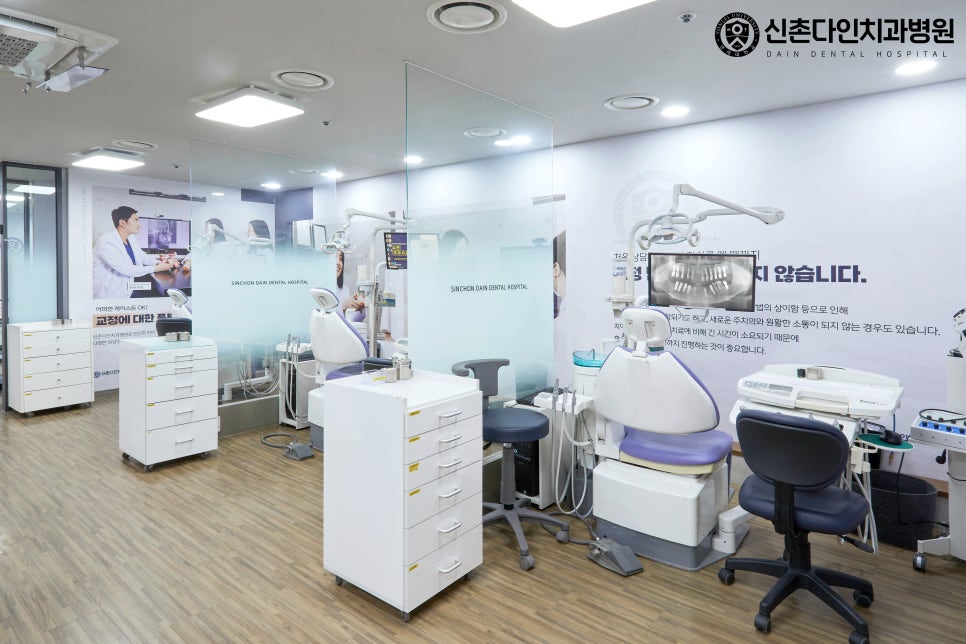
After sleep implant procedures performed under conscious sedation, a recovery room was available so that patients could rest comfortably before going home.
Thanks to this, if patients felt temporarily dizzy or sleepy after sleep treatment using conscious sedation, they could rest 충분히 in the recovery room before leaving.
Conscious sedation was also applied to wisdom tooth extraction, prosthetic treatment, cavity treatment, and other procedures, so a variety of treatments could be received in a comfortable state.

If you have dental insurance but do not know the details, you can check them on the website.


To view before-and-after implant treatment photos and handwritten reviews, you can check them after logging in in accordance with medical law.

We operate a KakaoTalk channel, so if you would like to make an appointment or inquire about treatment, feel free to contact us!











 Previous image
Next image
Previous image
Next image









 Previous image
Next image
Previous image
Next image









 Previous image
Next image
Previous image
Next image
�