Sinchon Orthodontics, Malocclusion
Proper treatment
Teeth are one of the body’s organs that play many roles in our lives, helping with the chewing function of eating and assisting with speech.
The shape and form of teeth differ from person to person, and because teeth leave an important first impression, people have recently been preferring straight teeth.
As a result, more young people have been considering orthodontic treatment recently, and it was recommended to receive orthodontic treatment at Sinchon Orthodontics not only for cosmetic reasons but also to restore dental function.
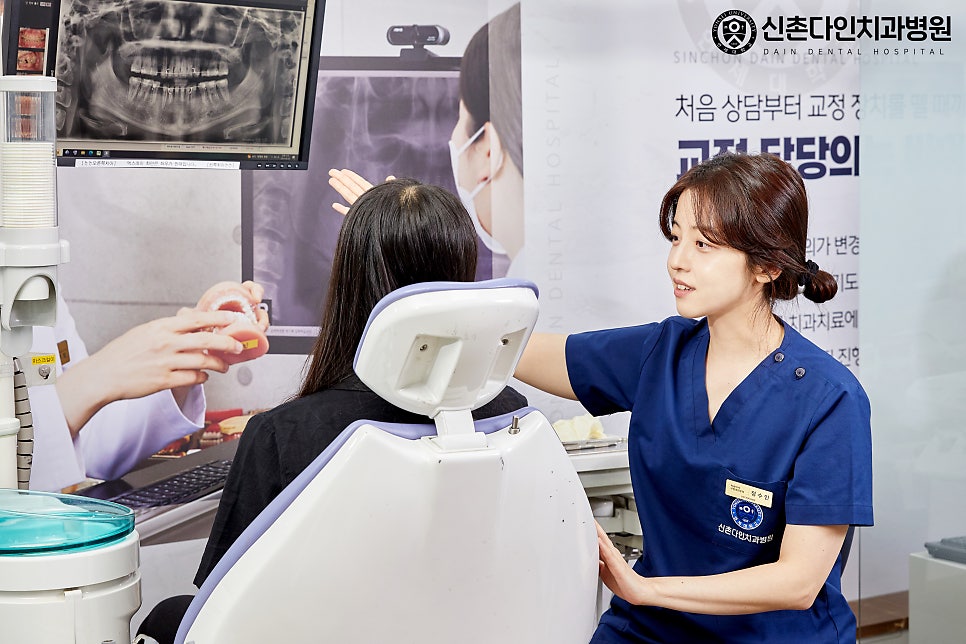
Orthodontic treatment can help not only aesthetically correct crooked teeth but also restore dental function.
If malocclusion is present, not only is the alignment of the teeth uneven, but problems may also arise in the harmony of the jaw and face, and it can affect pronunciation and chewing strength.
In addition, oral care becomes more difficult, making it easier to be exposed to cavities and gum disease, and during growth, it can also affect facial development, so in such cases orthodontic treatment was necessary.
Malocclusion refers to teeth that are not aligned neatly or where the bite relationship between the upper and lower teeth is outside the normal range.
When malocclusion is present, it can affect appearance as well as cause functional discomfort and lead to various other problems.
There are many causes of malocclusion. If the jaw is too small or too large compared to the teeth, malocclusion can occur, and habits such as thumb sucking can also cause malocclusion.
There are several types of malocclusion, and they can be classified by vertical and anteroposterior criteria.
First, based on vertical criteria, they can be divided into deep bite and open bite. A deep bite refers to a case where the front teeth overlap deeply when the mouth is closed.
Open bite is a condition in which the upper and lower teeth do not fit together properly; because the upper and lower teeth do not meet and remain open, it is called open bite.
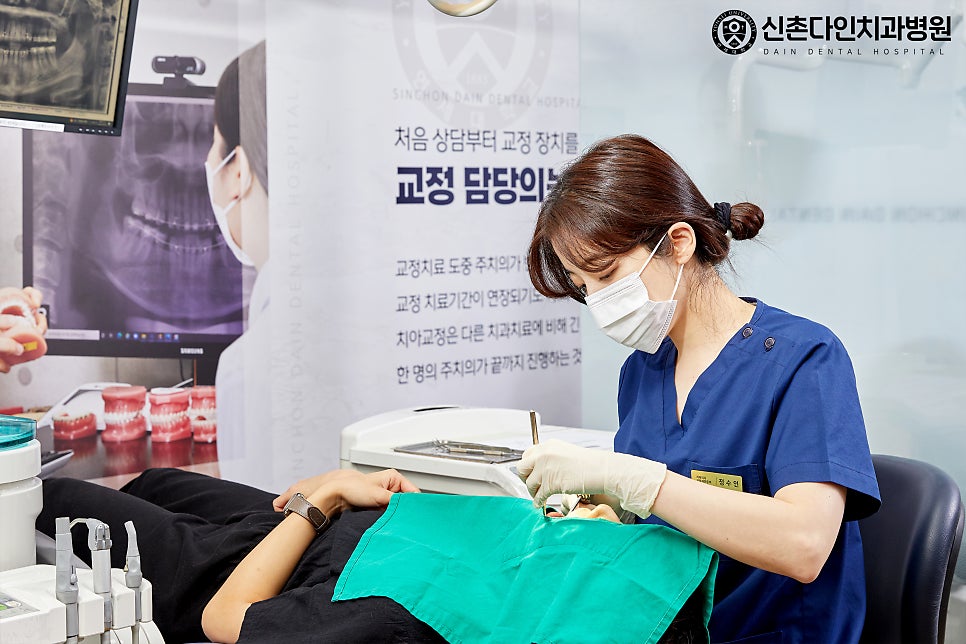
Based on anteroposterior criteria, they can be classified as Class 1, Class 2, and Class 3. Class 1 malocclusion means there is no skeletal problem, but the teeth are uneven, such as crooked alignment or gaps between teeth.
Class 2 refers to a case where the lower jaw is relatively smaller than the upper jaw, causing the lower teeth to be positioned posteriorly. A recessed chin or protruding mouth falls into this category.
Class 3 refers to a case where the upper jaw is small and the lower jaw is excessively large. If left untreated, the face may grow into a square-jaw shape.
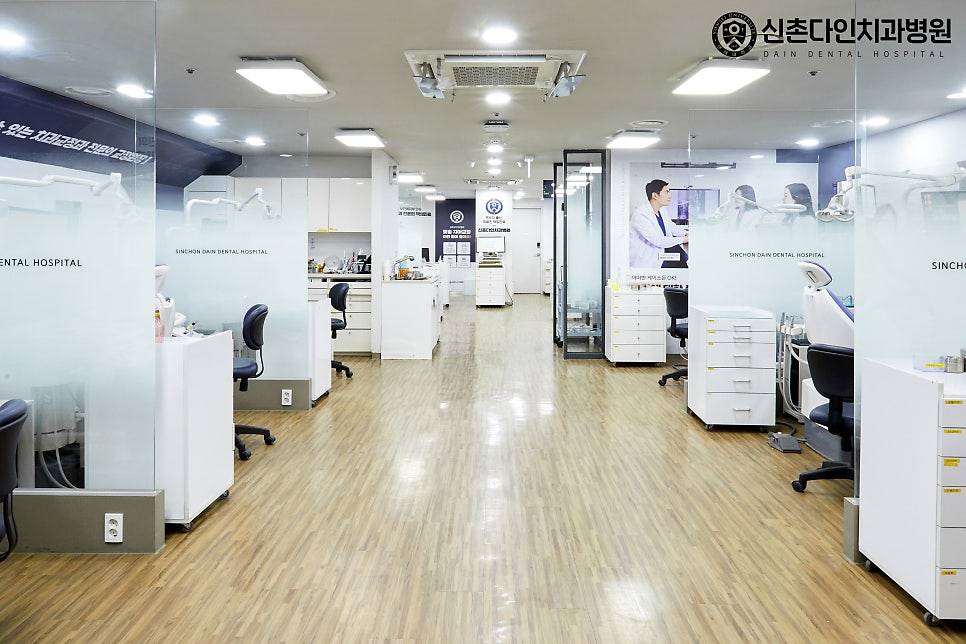
As such, there are various types of malocclusion, and because they can cause multiple problems, it was recommended to receive appropriate treatment at Sinchon Orthodontics.
If malocclusion is present, chewing function declines, making it difficult to thoroughly chew food, which can cause problems such as digestive disorders and nutritional imbalance.
It can also affect pronunciation, leading to communication problems, and in severe cases, it can result in chronic periodontal disease and facial deformity.
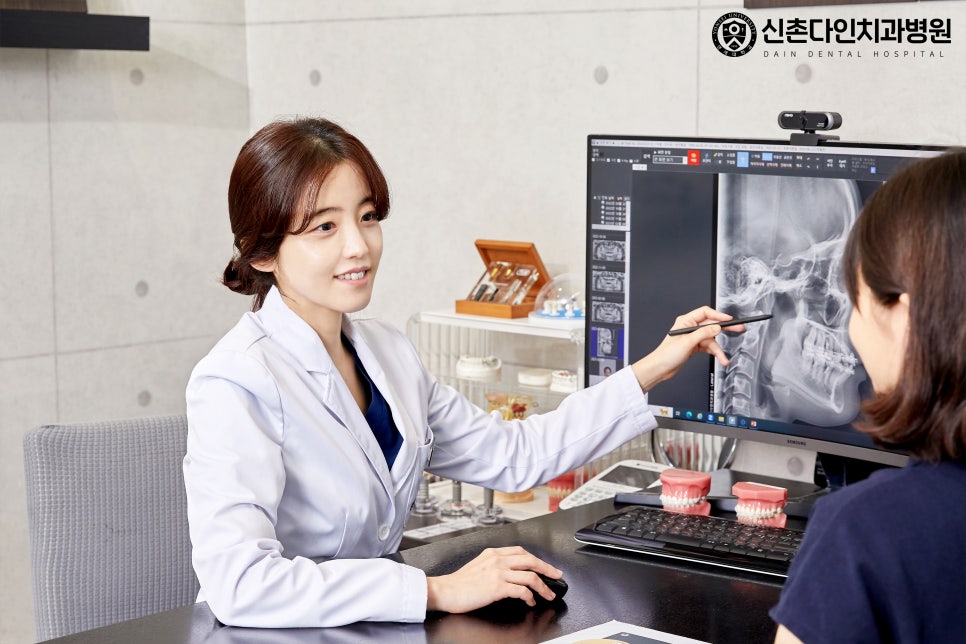
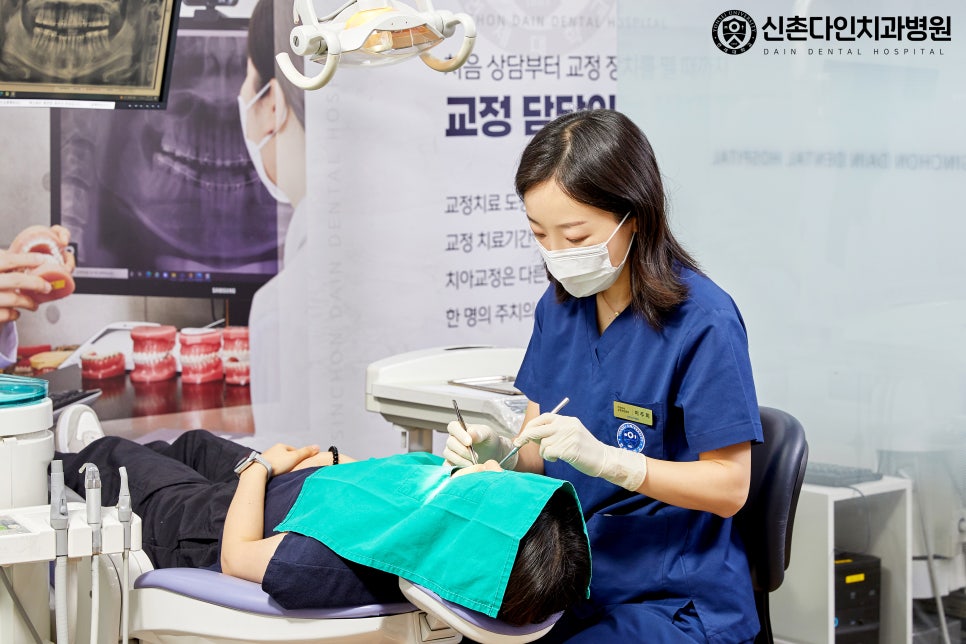
Therefore, if the teeth are misaligned, orthodontic treatment can be considered. Orthodontic treatment is a procedure that applies physical force to the teeth to induce tooth movement.
In the case of orthodontic treatment, several factors must be carefully considered and carried out, and before treatment, the patient’s oral condition must be precisely diagnosed to plan the orthodontics.
So if you are considering orthodontics, you should check whether there is a medical team with diverse experience and whether they establish an orthodontic plan through careful diagnosis.
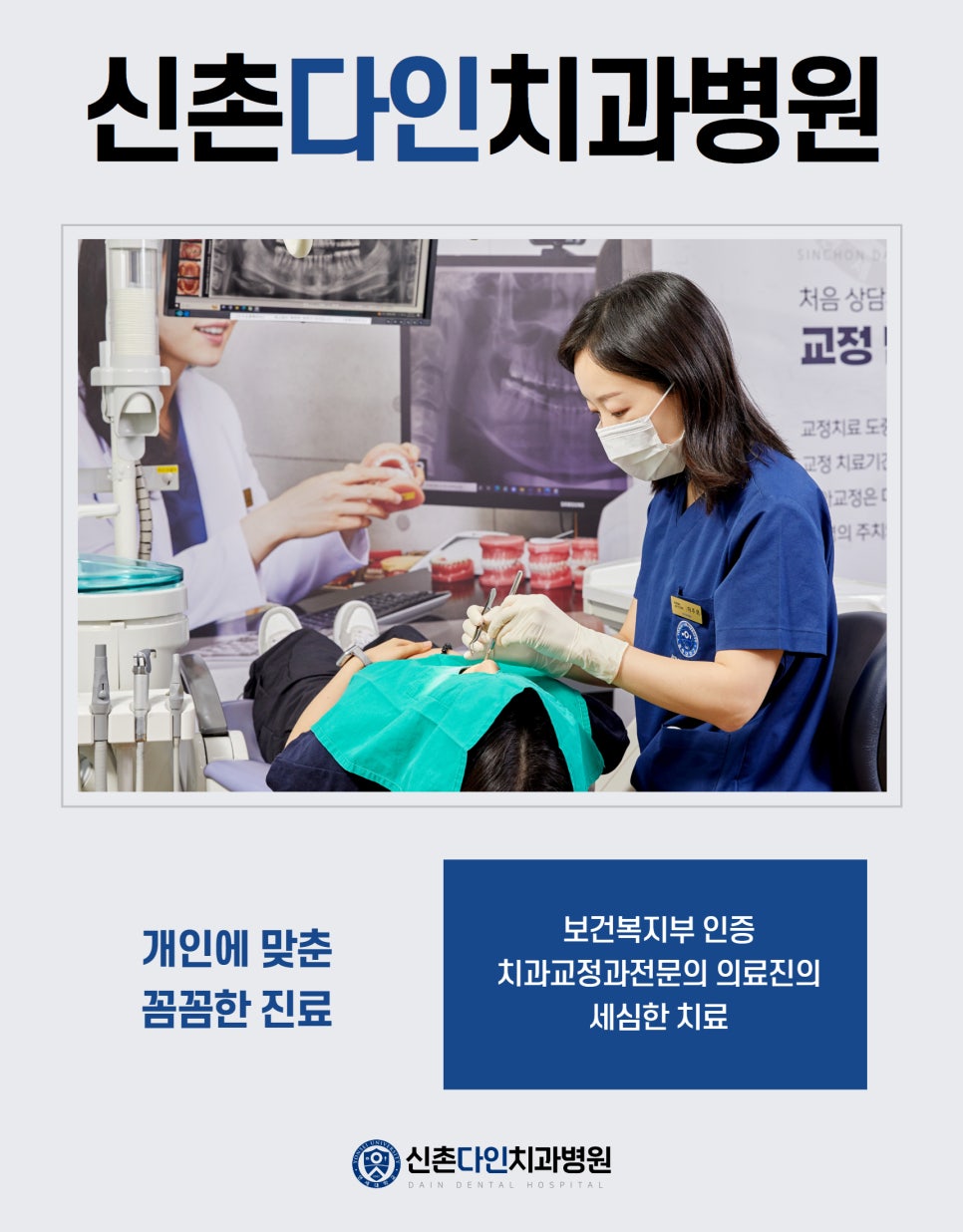
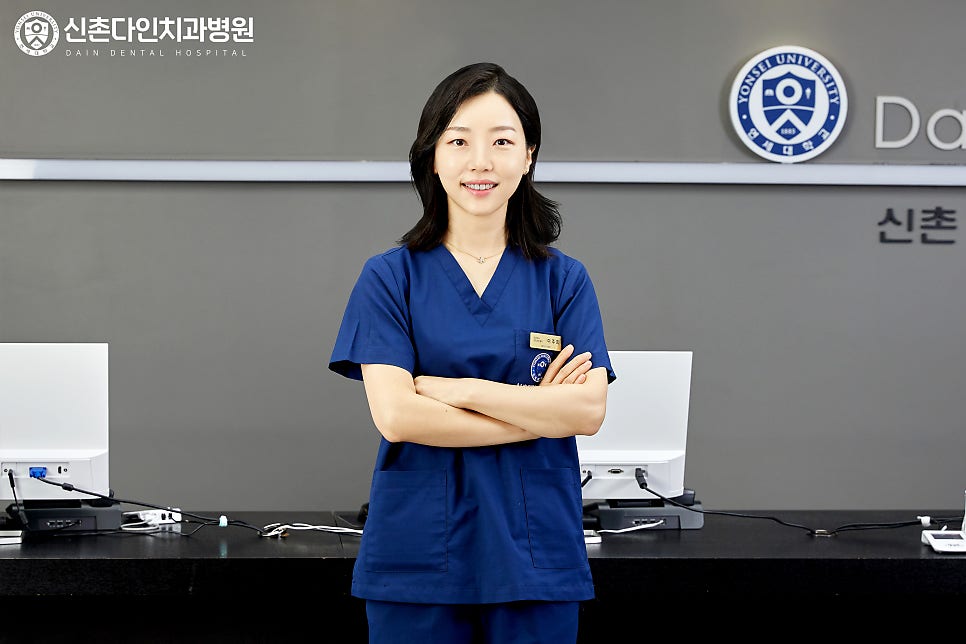
At Sinchon Orthodontics, the medical staff holds specialist qualifications in orthodontics certified by the Ministry of Health and Welfare and continues to provide customized treatment for each patient.
Before treatment, they carefully assess the patient’s dental condition and oral structure, then provide treatment suited to the patient after thorough consultation on the treatment timing, type of appliance, and more.
Because the orthodontic doctor does not change from consultation and diagnosis to orthodontic treatment and post-treatment care, patients can receive treatment according to the planned course.
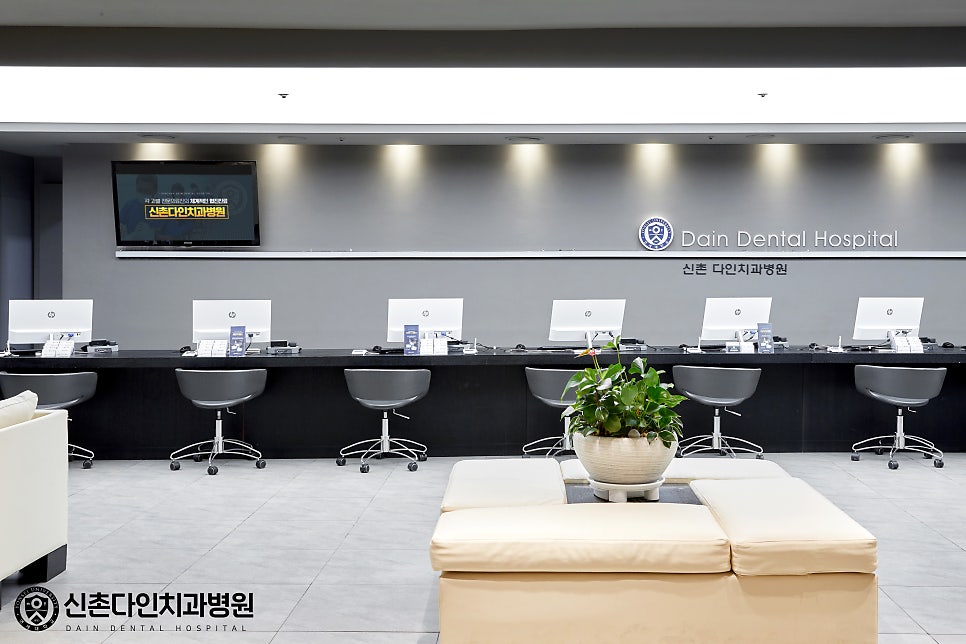
In addition, even after orthodontic treatment is completed, regular checkups are provided to help with retention management after treatment and to prevent recurrence after treatment.
In addition, the materials used for orthodontic treatment are all genuine materials, so the risk of the appliance breaking or coming off is relatively low.
The metal braces commonly used in the past were less aesthetically pleasing, so if aesthetics are a concern, Invisalign among clear aligners can be considered.
Invisalign is a clear plastic orthodontic appliance, and through digital 3D computer simulation, tooth models divided into more than 30 stages are custom-made for each individual.
In the case of Invisalign, the appliance can be removed at will when necessary, making it convenient to eat and easier to maintain oral hygiene.
Nighttime treatment is provided every Monday and Wednesday until 9 p.m., so you can visit in the late evening and receive treatment comfortably.
If you have dental insurance but do not know the details, you can check through the website.
To view before-and-after treatment photos and handwritten reviews, you can check them after logging in in accordance with the Medical Service Act.
A KakaoTalk channel is available, so feel free to contact us anytime for appointment booking or consultation!










Previous image
Next image










Previous image
Next image










Previous image
Next image