신촌사랑니 의식하진정법
Through conscious sedation for comfortable extraction

Also called the third molar, the wisdom tooth is the tooth located deepest inside our mouth,
and it is the last large molar to erupt.
Wisdom teeth usually grow in the late teens to early twenties, and when all of them erupt,
up to four can grow in total—one on each side of the upper and lower jaws.
However, depending on the person, 1 to 4 wisdom teeth may grow,
or they may not erupt at all, and there were differences in the timing and shape of growth for each individual.
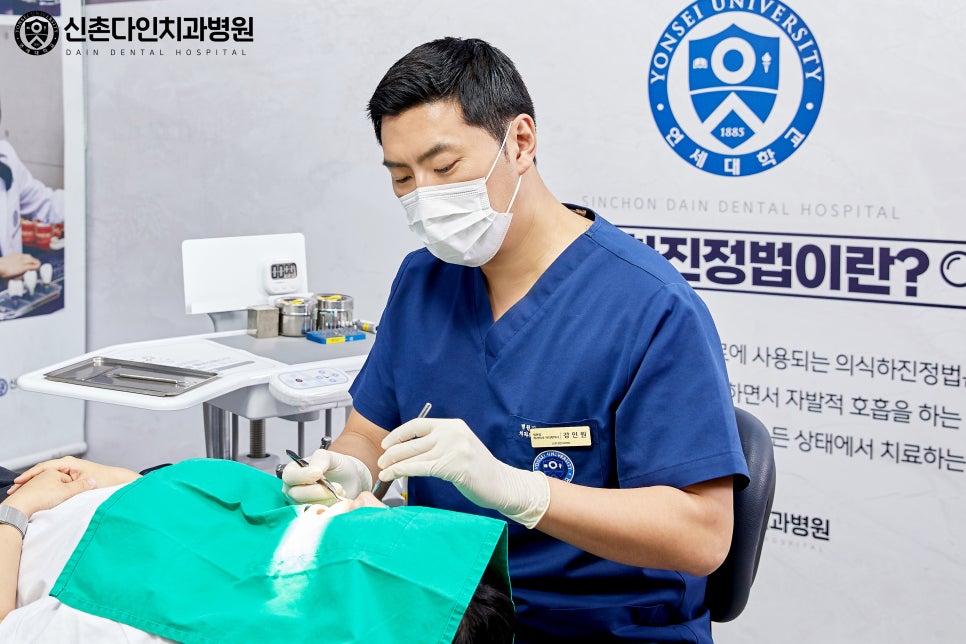
When wisdom teeth erupt, people sometimes wonder whether they should be extracted,
but not all wisdom teeth require removal.
If the wisdom tooth has grown in the correct direction and there are no particular problems with the upper and lower bite,
then extraction was not necessary.
However, because wisdom teeth are located deep inside the mouth,
if they are not extracted, it is better to manage them more carefully to prevent oral disease.
Because of their location, wisdom teeth are hard to reach with a toothbrush and food tends to get stuck around them easily,
so the likelihood of inflammation or cavities developing is high.
Therefore, if you feel pain in a wisdom tooth, food gets stuck often,
or bad breath becomes severe because of it, it is a good idea to consider extraction at Sinchon wisdom tooth dental clinic.
If wisdom teeth are not extracted in time, inflammation may develop in the surrounding gums,
and cavities can form in the molars, allowing inflammation to spread to the surrounding bone.
In particular, some wisdom teeth do not erupt properly and remain buried in the gums,
or grow so that only the crown is visible, meaning they erupt as impacted wisdom teeth.
These impacted wisdom teeth are difficult to keep clean, making inflammation more likely,
and they can cause problems such as pushing against nearby teeth and damaging them.
Therefore, if inflammation develops in the gums near a wisdom tooth,
if the root of the adjacent molar has been pushed, or if the pain is severe, it is a good idea to consider extraction.
Wisdom tooth extraction is one of the more difficult and complex procedures depending on the case,
and because major nerves pass around the jawbone, there is a risk of nerve damage during extraction.
To prevent damage to these nerve channels, it is better to find a clinic where the procedure is performed by medical staff with extensive extraction experience.
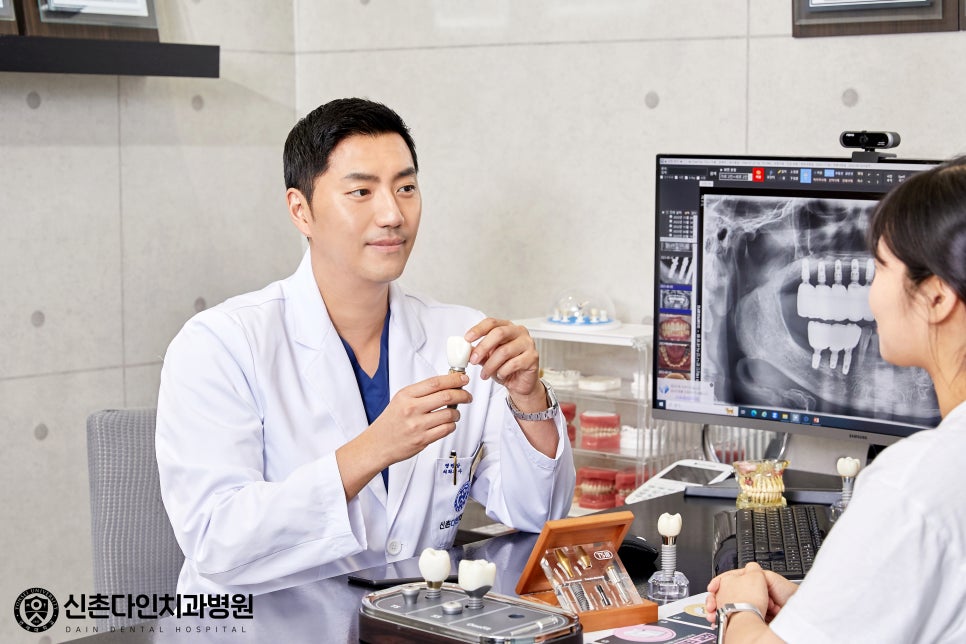
In addition, before the procedure, it is necessary to carefully check the patient’s oral condition and systemic diseases,
and to find a clinic that establishes a thorough treatment plan after sufficient consultation.
Post-extraction care is also important. After extraction, it is better to swallow blood and saliva rather than spit them out,
and to avoid actions that can create pressure differences, such as using straws and smoking.
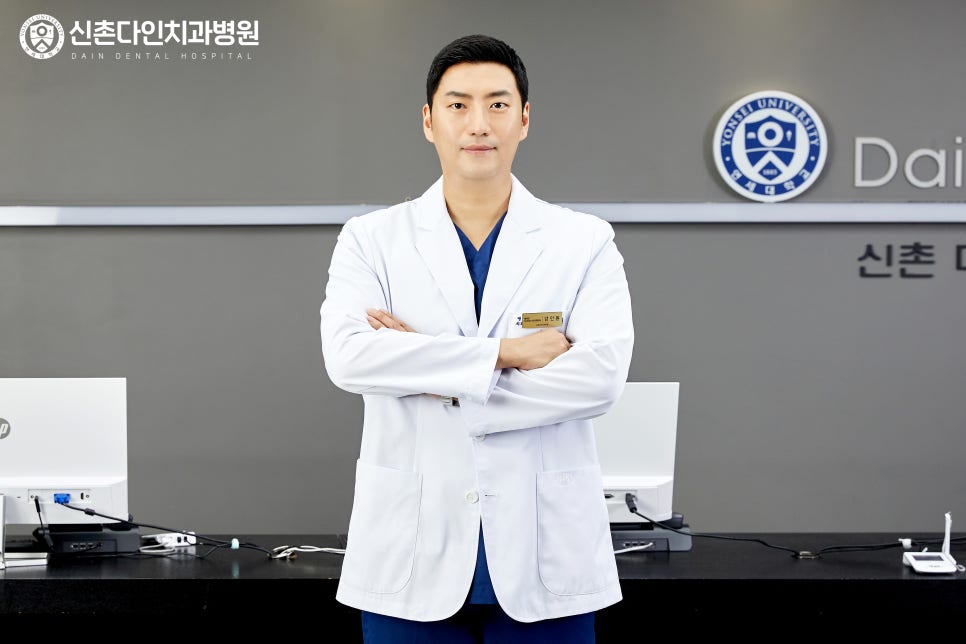
At Sinchon wisdom tooth dental clinic, the medical staff from Yonsei University College of Dentistry continue wisdom tooth extraction procedures
based on extensive clinical experience.
Because the extraction method can vary depending on the individual’s oral condition and tooth shape,
a careful diagnosis is performed before the procedure to establish a treatment plan.
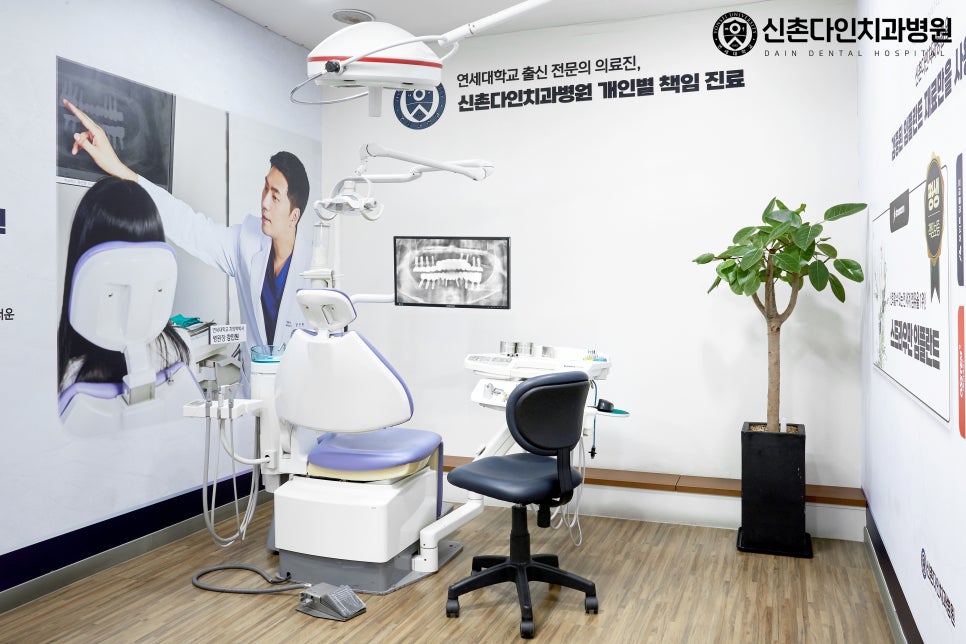
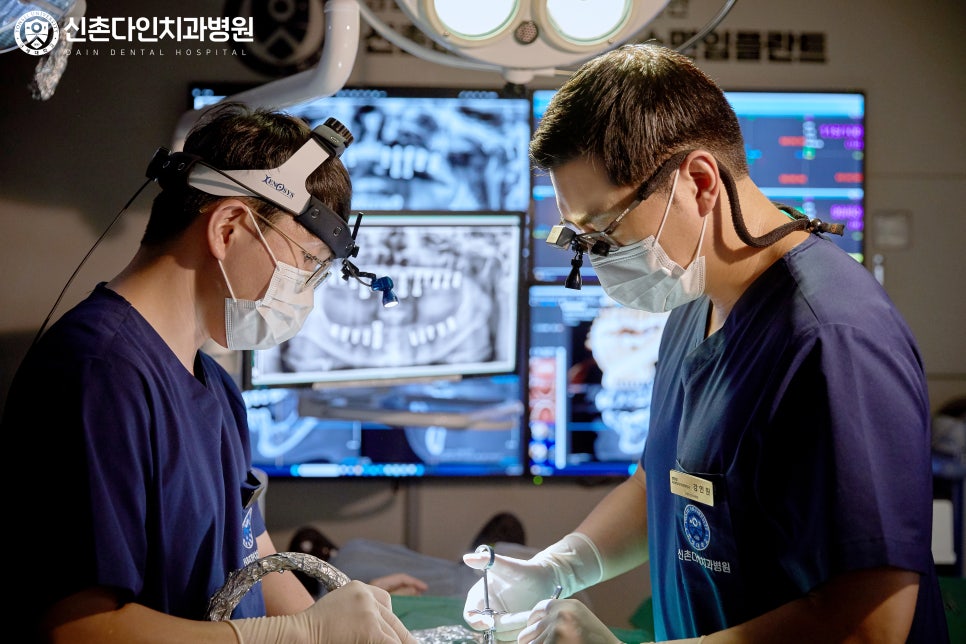
To closely assess the shape of the wisdom tooth, the degree of impaction, the angle, and the location of the nerves,
an accurate diagnosis is performed using 3D-CT equipment to carry out detailed extraction.
However, for various reasons such as pain during treatment or anxiety about dental care,
some people are reluctant to undergo wisdom tooth extraction.
For patients who have delayed extraction for various reasons,
a comfortable extraction procedure could be received through sleep dentistry using conscious sedation.
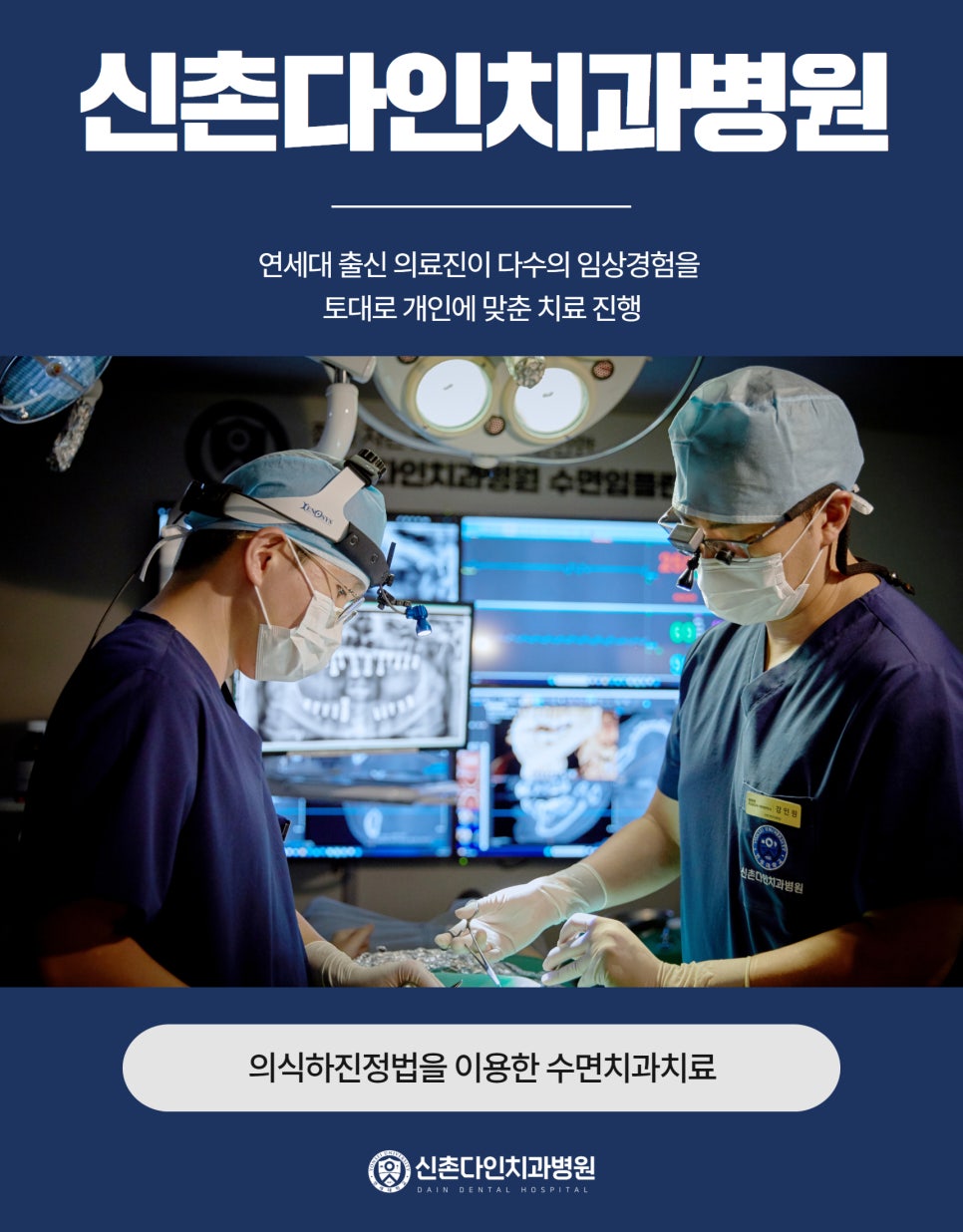
Wisdom tooth extraction performed with conscious sedation is a method that allows treatment in a comfortable, semi-sleep state,
as if sleeping.
Unlike general anesthesia as commonly known, treatment is performed while the patient can breathe on their own
without a separate breathing assistance device.
It was also possible to communicate briefly with the medical staff,
and appropriate responses were possible when asked to perform actions such as opening the mouth.
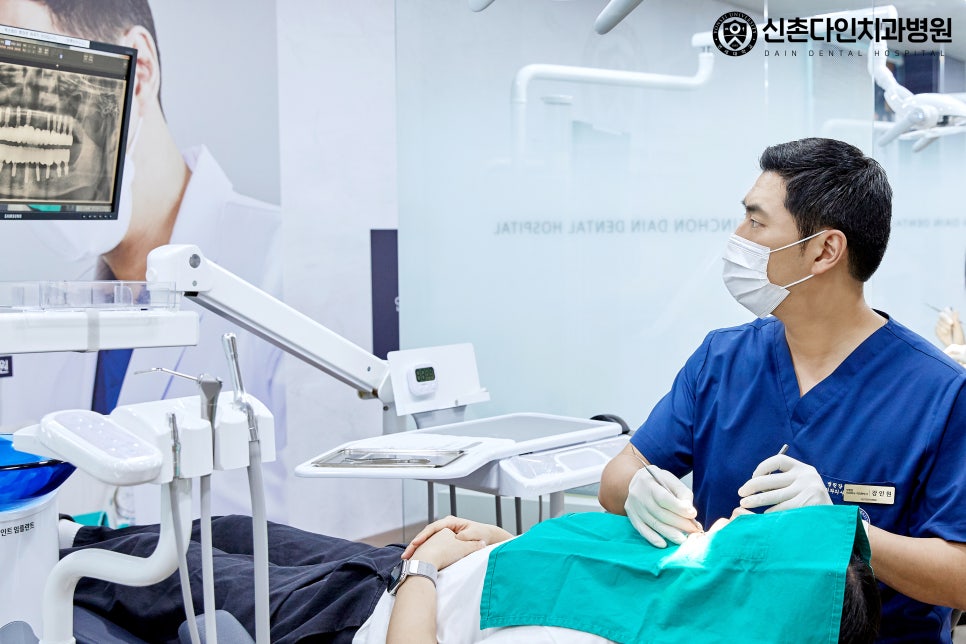
In addition, because treatment proceeds while the patient is sedated,
it makes it difficult to remember the discomfort that may occur during treatment,
helping reduce fear and making treatment more comfortable.
Therefore, if keeping the mouth open for a long time is burdensome,
or if the patient has a strong fear of treatment, sleep dentistry through conscious sedation may be worth considering.
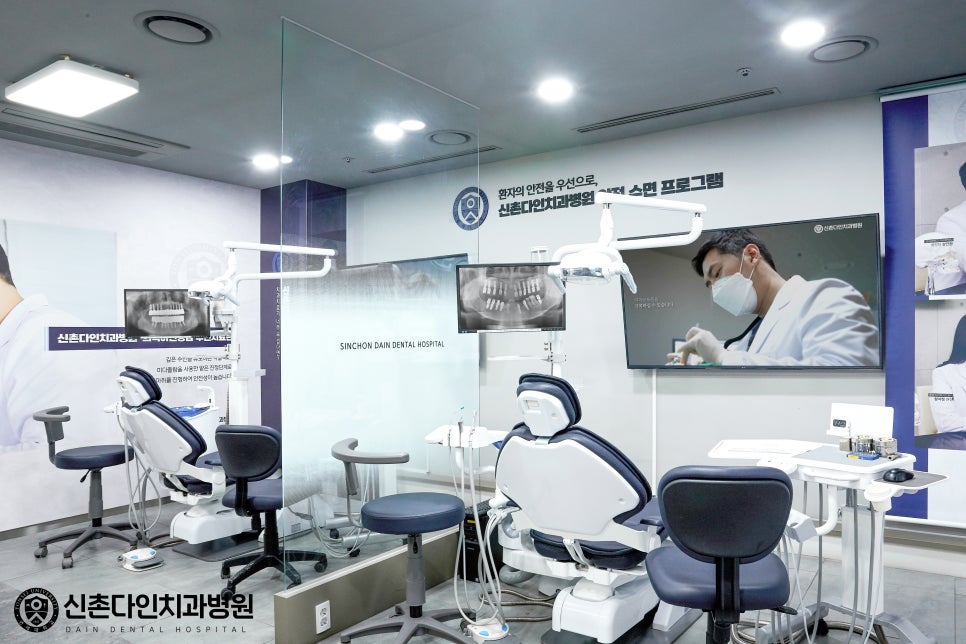
At Sinchon wisdom tooth dental clinic, to provide safer treatment,
a monitoring system that can check the patient’s condition in real time was in place, and emergency equipment was also prepared
in case of any unexpected emergency.

In addition, a recovery room was also prepared so that patients could 충분히 recover before going home after sleep dentistry performed with conscious sedation.
Not only wisdom tooth extraction, but also various dental treatments such as implants, cavity treatment, and root canal treatment
could be received safely through conscious-sedation sleep dentistry.
Night consultations were provided until 9 PM every Monday and Wednesday,
so patients could visit late in the evening for treatment.

If you have dental insurance but do not know the details, you can check it through the link above.

To view before-and-after treatment photos and handwritten reviews,
you can check them after logging in in accordance with the Medical Service Act.
We operate a KakaoTalk channel, so please contact us anytime if you would like to make a visit reservation
or inquire about treatment!











Previous image
Next image










Previous image
Next image










Previous image
Next image